
Monomorium acutinode
- Tud. név
- Monomorium acutinode
- Nemzetség
- Solenopsidini
- Alcsalád
- Myrmicinae
- Szerző
- Collingwood & Agosti, 1996
- Elterjedés
- 0 országban megtalálható
Bevezetés
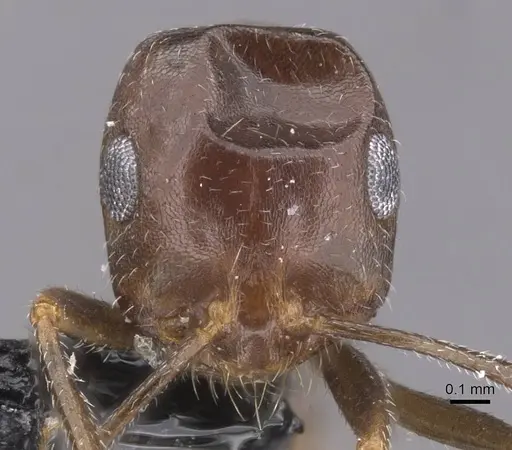
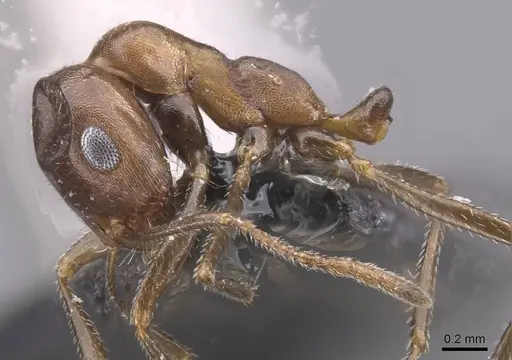
Monomorium acutinode is a small brown ant belonging to the Myrmicinae subfamily, specifically the salomonis species group. Workers measure approximately 3mm in total length with a characteristic rectangular head shape and a distinctive high, triangular petiole (the narrow waist section). This species was originally described from Oman and has since been recorded in the United Arab Emirates and Iran, making it native to the arid regions of the Arabian Peninsula and adjacent areas. The most notable biological observation is its symbiotic relationship with the scale insect Nipaecoccus viridis, which it tends in citrus orchards for honeydew collection .
Quick Summary
- Difficulty: Unknown, biologically understudied
- Origin & Habitat: Arid regions of the Palaearctic including Oman, United Arab Emirates, and southern Iran. Found in citrus orchards at elevations around 1000m in Fars province, Iran [1][2][3].
- Colony Type: Unconfirmed, colony structure has not been documented in scientific literature
- Size & Growth:
- Queen: size data unavailable, queen measurements not provided in available literature
- Worker: 3.04mm total length [1]
- Colony: Unknown, no colony size data available
- Growth: Unknown, no development data exists
- Development: Unknown, no development studies exist for this species. (This is a biologically understudied species with no direct research on colony development.)
- Antkeeping:
- Temperature: Likely prefers warm conditions given its Arabian Peninsula origin. Start around 24-28°C and observe colony activity.
- Humidity: Low to moderate, originates from arid regions. Keep nest substrate moderately dry with occasional damp areas.
- Diapause: Unknown, no research on overwintering behavior. Given the arid origin, likely reduced activity during extreme heat rather than cold diapause.
- Nesting: No specific nesting data exists. Based on arid habitat and related species, they likely nest in soil or under stones in nature. Test tubes or plaster nests work well for small Monomorium species.
- Behavior: This species is poorly documented in captivity. Based on the Nipaecoccus viridis relationship, they likely tend honeydew-producing insects and accept sugar sources. Small size (around 3mm) means escape prevention should be moderate, they can fit through small gaps but are not extremely tiny. Temperament is likely docile like most Monomorium. Foraging style is likely generalist/scavenging based on genus patterns.
- Common Issues: biological data is extremely limited, most care recommendations are educated guesses from related species, no documented captive breeding success means keeping expectations realistic is important, wild-caught colonies may be difficult to establish due to unknown founding requirements, symbiotic relationship with scale insects suggests live prey may be important but specific prey preferences are unknown
Species Identification and Range
Monomorium acutinode is a small ant species originally described from Oman in 1996 by Collingwood and Agosti. The species belongs to the salomonis species group within the genus Monomorium. Workers are approximately 3mm in total length with a distinctive rectangular head shape that distinguishes it from other species in the group. The most characteristic feature is the high, triangular petiole (the waist segment connecting the thorax and abdomen), which appears as a narrow cone in profile view. The body color is uniformly brown. This species has been subsequently recorded in the United Arab Emirates and more recently in Fars province, southern Iran, representing the northeastern edge of its known distribution. The Iranian specimens were collected in citrus orchards at approximately 1043m elevation, providing insight into one of its natural habitats [1][2][3][4].
Known Biology and Ecological Associations
Very little is known about the biology of Monomorium acutinode. The most significant ecological observation documented is its symbiotic relationship with the scale insect Nipaecoccus viridis (Newstead). This relationship was documented in specimens collected from citrus orchards in Fars province, Iran. Scale insects like Nipaecoccus viridis produce honeydew, a sugary substance that many ant species actively seek. This association suggests that M. acutinode, like many Monomorium species, likely supplements its diet with honeydew and may tend scale insect colonies. In return, the ants likely provide protection for the scale insects. This is valuable information for antkeepers as it indicates this species will likely accept sugar water or honey as part of their diet. The collection from citrus orchards also suggests this species can adapt to agricultural environments, which may indicate some flexibility in nesting preferences [1].
Housing and Nesting Recommendations
Since specific nesting data does not exist for this species, recommendations must be based on what is known about its origin and related species. Monomorium acutinode originates from the arid Arabian Peninsula and parts of Iran, suggesting it prefers relatively dry conditions. For captive care, standard test tube setups work well for founding colonies. The small worker size (around 3mm) means chambers should be appropriately scaled, not too large, but spacious enough for the colony to move freely. Plaster or acrylic nests are also suitable options. Provide a water tube for humidity but avoid creating overly damp conditions. A small outworld for foraging allows you to observe their behavior and offer food. Given their likely origin, moderate dryness in the nest area is probably ideal, with the outworld being the primary feeding zone [5].
Feeding Guidelines
Based on the documented relationship with Nipaecoccus viridis scale insects, Monomorium acutinode almost certainly accepts sugar sources. Offer sugar water, honey, or diluted maple syrup as a constant sugar source. For protein, offer small insects appropriate to their size, fruit flies, small mealworms, or tiny crickets would be suitable. Start with small portions and observe what they accept. Given their small size, prey items should be manageable. Related Monomorium species are generalist feeders, so this species likely accepts a variety of foods. As with all ants, remove uneaten prey after 24-48 hours to prevent mold issues. Fresh water should always be available [1].
Temperature and Seasonal Care
Monomorium acutinode comes from warm, arid regions (Oman, UAE, Iran), so it likely prefers temperatures in the warm range. Based on related desert Monomorium species, aim for temperatures around 24-28°C for optimal colony activity. Room temperature (around 20-22°C) is likely acceptable but may result in slower activity and development. If your colony shows increased activity near one side of the nest, a small heating cable on that side can provide a gentle warmth gradient. Regarding diapause or winter rest, no specific data exists. The arid origin suggests this species may be more active year-round than temperate species. Overwintering at room temperature is probably sufficient. Monitor your colony, if they become less active in winter, reduce feeding frequency but maintain water availability.
Challenges and Realistic Expectations
This is one of the most poorly documented ant species in the hobby. AntWiki explicitly states that nothing is known about the biology of Monomorium acutinode, and our scientific literature search confirms this, no papers specifically study its colony development, founding behavior, or captive care. This means all recommendations are educated inferences from related species and geographic origin. You may face challenges establishing wild-caught colonies if they have specific, unknown requirements. Colonies may be difficult to find for purchase since this species is not commonly kept. For these reasons, this species is best suited for experienced antkeepers who enjoy the challenge of working with understudied species and who can adapt their care based on colony observations rather than established protocols. Document your observations carefully, they could contribute valuable knowledge to the antkeeping community [5].
Frequently Asked Questions
How long does it take for Monomorium acutinode to develop from egg to worker?
This is unknown, no research exists on the development timeline of this specific species.
What do Monomorium acutinode ants eat?
Based on their documented relationship with scale insects (Nipaecoccus viridis), they likely accept sugar sources like honey or sugar water. They probably also eat small insects. Offer a varied diet with sugar constantly available and small prey items 2-3 times per week [1].
Are Monomorium acutinode ants good for beginners?
No, this is not a recommended species for beginners. It is biologically understudied with no documented captive care protocols. All recommendations are inferences from related species. Experienced antkeepers who can adapt to unknown requirements would be better suited for this species.
What temperature should I keep Monomorium acutinode at?
Based on their Arabian Peninsula origin, aim for warm conditions around 24-28°C. Room temperature (20-22°C) is likely acceptable but may result in slower activity. Use a small heat source if your colony shows increased activity near warmth.
Do Monomorium acutinode ants need hibernation?
Unknown, no research exists on their overwintering behavior. Their arid origin suggests they may not require a true cold diapause. Room temperature overwintering is probably sufficient. Monitor your colony for seasonal activity changes.
How big do Monomorium acutinode colonies get?
Unknown, no colony size data exists in scientific literature. Related Monomorium species typically form colonies ranging from dozens to several hundred workers. Expect moderate colony sizes based on genus patterns.
Can I keep multiple Monomorium acutinode queens together?
Unknown, colony structure has not been documented for this species. Most Monomorium species are monogyne (single queen), but polygyny has been observed in some. Without specific data, combining unrelated queens is not recommended.
What type of nest should I use for Monomorium acutinode?
Standard test tubes work well for founding colonies. Their small size and likely preference for dry conditions make test tubes or plaster nests suitable. Avoid overly humid setups. Provide appropriately sized chambers for their tiny workers.
Where can I find Monomorium acutinode for sale?
This species is extremely rare in the antkeeping hobby due to limited distribution and lack of captive breeding data. You are unlikely to find it through commercial vendors. It may occasionally be available from specialized ant keepers who have worked with Middle Eastern species.
Report an Issue
The current care sheet is based fully on literature. See inconsistencies, or something that's incorrect? Please , it will be resolved after review from an admin. Contributing to the blogs tab also helps providing information, to make us be able to further improve the caresheets. Thank you for your support!
References

Ez a tartási útmutató a következő licenc alatt áll: CC BY-SA 4.0 .
Közösségi blogok
CASENT0913547
Megtekintés az AntWeb-en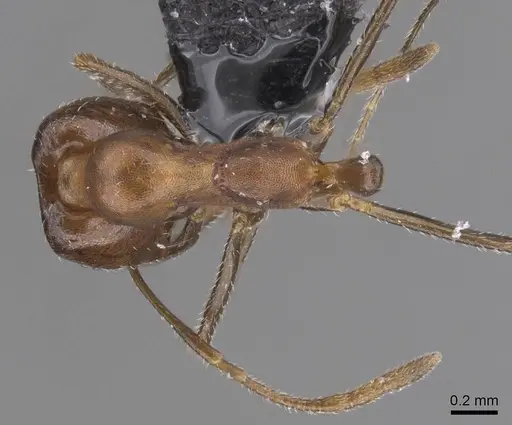
Irodalom
Elterjedési térkép betöltése...Termékek betöltése...