
Messor melancholicus
- Tud. név
- Messor melancholicus
- Nemzetség
- Stenammini
- Alcsalád
- Myrmicinae
- Szerző
- Arnol'di, 1977
- Elterjedés
- 0 országban megtalálható
Bevezetés
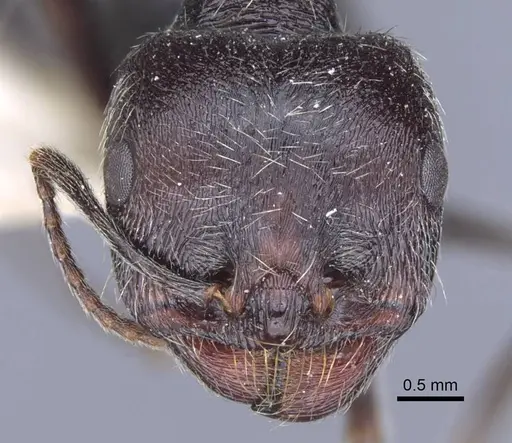
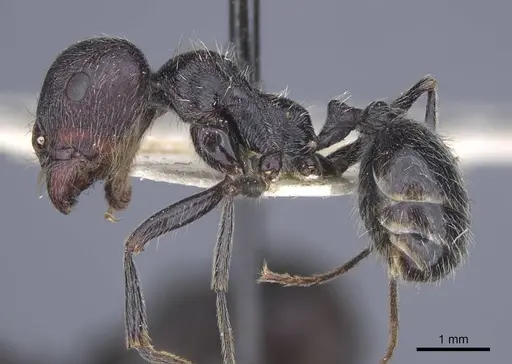
Messor melancholicus is a harvester ant species native to the Palaearctic region, specifically found in Armenia, Azerbaijan, Georgia, Iran, Kazakhstan, and Turkey . Workers display the characteristic Messor morphology with polymorphic castes - larger major workers with specialized head structures for seed processing, and smaller minor workers for general tasks. The species inhabits steppe and grassland environments, typically nesting in soil on the ground across various rainfall zones . As a granivorous ant, it collects and stores seeds as a primary food source, making it distinctive among ant keepers.
Quick Summary
- Difficulty: Easy
- Origin & Habitat: Native to the Caucasus region and surrounding areas. Found in Armenia, Azerbaijan, Georgia, Iran, Kazakhstan, and Turkey. Inhabits steppe and grassland habitats, typically nesting in soil on the ground across various rainfall zones [1][3][2].
- Colony Type: Colony structure is unconfirmed. The Messor genus typically shows polymorphic worker castes with major and minor workers, but specific colony type (monogyne vs polygyne) data is unavailable for this species.
- Size & Growth:
- Queen: Size data unavailable, no specific measurements found in research context
- Worker: Size data unavailable, no specific measurements found in research context
- Colony: Colony size data unavailable for this species
- Growth: Growth rate data unavailable
- Development: Development time unconfirmed (No specific data available for this species. Related Messor species typically take several weeks to months for complete development.)
- Antkeeping:
- Temperature: Keep around 22-26°C during active season. Room temperature is often suitable. A gentle gradient allows workers to choose their preferred temperature zone.
- Humidity: Moderate humidity around 50-60%. Provide a water tube for drinking and ensure nest substrate doesn't dry out completely. Being a ground-nesting species from steppe habitats, they tolerate drier conditions better than many ants.
- Diapause: Yes, this species originates from temperate regions and requires a winter hibernation period. Reduce temperature to 10-15°C for 3-4 months during winter.
- Nesting: Test tubes work well for founding colonies. For established colonies, a naturalistic setup with soil or a Y-tong/plaster nest with chambers scaled to colony size. Provide sand or fine soil as foraging area.
- Behavior: Generally calm and non-aggressive compared to some ant species. Workers are active foragers that search for seeds and small insects. Major workers can crack harder seeds. They are not known for biting or stinging aggressively. Escape risk is moderate, standard barrier methods like fluon on test tube rims work well.
- Common Issues: colonies may decline if kept too cold during active season, maintain warmth, seed-only diets can lead to protein deficiency, supplement with small insects, hibernation failure is common cause of colony loss, ensure proper cooling period, test tube setups can flood if water reservoirs are overfilled, wild-caught colonies may contain parasites that affect captive health
Nest Preferences and Setup
Messor melancholicus naturally nests in soil, creating underground chambers for brood rearing and seed storage. For captive care, test tubes work perfectly for queen founding stages, fill the tube one-third with water, plug with cotton, and place the queen in the upper dry portion. The queen will seal herself in and raise her first brood in the claustral chamber. Once the colony reaches 20-30 workers, consider moving to a formicarium. A naturalistic setup with a deep soil layer (at least 5cm) mimics their natural environment and allows them to create proper granaries for seed storage. Y-tong nests or plaster nests with multiple chambers also work well for established colonies. Always provide an outworld area where foragers can collect food. [3]
Feeding and Diet
As a harvester ant, Messor melancholicus primarily eats seeds, this is their defining dietary trait. Offer a variety of seeds including grass seeds, millet, sunflower seeds (cracked for easier access), and wild bird seed mixes. Major workers have specialized mandibles designed for cracking hard seed coats. Beyond seeds, they need protein for healthy brood development. Offer small insects like fruit flies, small crickets, or mealworms approximately twice weekly. Sugar water or honey can be offered occasionally as an energy source, though they rely less on sugary liquids than some ant species. Remove uneaten seeds periodically to prevent mold in the nest area.
Temperature and Seasonal Care
This species does well at room temperature, ideally 22-26°C during the active season. They originate from temperate regions and require a distinct hibernation period. In autumn, gradually reduce temperature to around 10-15°C and maintain this for 3-4 months. During hibernation, place the colony in a cool location like an unheated garage or refrigerator (not freezer). Reduce feeding during this period but ensure water is available. In spring, slowly warm the colony back to active temperatures. Signs of proper hibernation include increased activity and brood production once warmed. Colonies that fail to hibernate properly often decline over time due to disrupted biological cycles. [1]
Colony Growth and Development
Messor melancholicus colonies grow through the typical ant life cycle: egg to larva to pupa to adult worker. The queen lays eggs continuously once established. Colonies are polymorphic, meaning they produce both large major workers (with enlarged heads for seed processing) and smaller minor workers for general tasks. Major workers typically appear once the colony reaches several dozen workers. Growth rate is moderate, expect the first workers within several weeks after founding, with significant growth in the first year if fed properly.
Behavior and Foraging
Workers of Messor melancholicus are active foragers that search the outworld for seeds and small prey. They use chemical trails to guide nestmates to food sources. Unlike some aggressive ant species, these ants are relatively docile and focus on their foraging activities. Major workers can be quite impressive, with large heads filled with muscles for cracking seeds. The colony organizes itself efficiently: minor workers tend to brood and maintain the nest, while majors handle seed processing and defense. They are not particularly aggressive toward keepers and rarely bite. Standard escape prevention with fluon on tube rims or barrier tape on formicarium edges works well for this species.
Frequently Asked Questions
How long does it take for Messor melancholicus to raise first workers?
First workers typically appear within 4-6 weeks after the queen lays eggs, assuming temperatures around 24-26°C. The exact timing depends on temperature, warmer conditions within the acceptable range speed development.
What do Messor melancholicus ants eat?
They are primarily seed-eaters (granivorous). Offer various seeds like grass seeds, millet, cracked sunflower seeds, and wild bird seed. Supplement with small insects like fruit flies or mealworms twice weekly for protein. They will also occasionally accept sugar water or honey.
Do Messor melancholicus ants need hibernation?
Yes, this species requires a winter hibernation period. Reduce temperature to 10-15°C for 3-4 months during winter. Place the colony in a cool location and reduce feeding. Proper hibernation is essential for colony health and longevity.
Are Messor melancholicus good for beginners?
Yes, this species is beginner-friendly. They are relatively calm, don't require specialized heating in most homes, and their seed-based diet is easy to provide. The main challenges are providing proper hibernation and ensuring balanced nutrition with protein supplements.
How big do Messor melancholicus colonies get?
Mature colonies can reach several thousand workers. They develop polymorphic castes, producing both major workers (large, with big heads for cracking seeds) and minor workers (smaller, for general tasks). Growth is moderate over the first year or two.
Can I keep multiple Messor melancholicus queens together?
Colony type is unconfirmed for this species. The Messor genus typically has single-queen colonies, but specific data for M. melancholicus is unavailable. Combining unrelated queens is not recommended as they likely will fight. If you capture a queen in the wild, house her alone in a test tube until her first workers emerge.
What temperature is best for Messor melancholicus?
Keep them at 22-26°C during the active season. Room temperature is usually suitable. They can tolerate slightly cooler conditions but grow best in the warmer end of this range. A temperature gradient allows workers to self-regulate.
Do Messor melancholicus ants sting?
They have a stinger but rarely use it aggressively toward keepers. Their primary defense is chemical, they may spray formic acid. They are considered docile and not a significant sting risk. The larger major workers are more for seed processing than defense.
When should I move my Messor melancholicus to a formicarium?
Move from test tube to formicarium once the colony reaches 20-30 workers. A naturalistic setup with deep soil works best for this species, as they naturally nest in ground burrows and store seeds. Make sure the formicarium has an escape-proof outworld for foraging.
Why are my Messor melancholicus dying?
Common causes include: improper hibernation (too warm in winter), protein deficiency (seed-only diet), mold from excess moisture or uneaten food, or parasites from wild-caught colonies. Ensure proper cooling in winter, supplement with insects, and keep the nest clean.
Report an Issue
The current care sheet is based fully on literature. See inconsistencies, or something that's incorrect? Please , it will be resolved after review from an admin. Contributing to the blogs tab also helps providing information, to make us be able to further improve the caresheets. Thank you for your support!
References

Ez a tartási útmutató a következő licenc alatt áll: CC BY-SA 4.0 .
Közösségi blogok
CASENT0913198
Megtekintés az AntWeb-en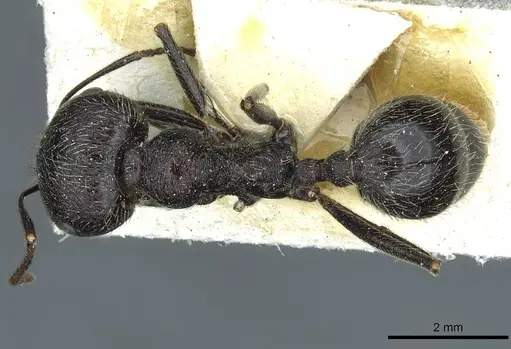
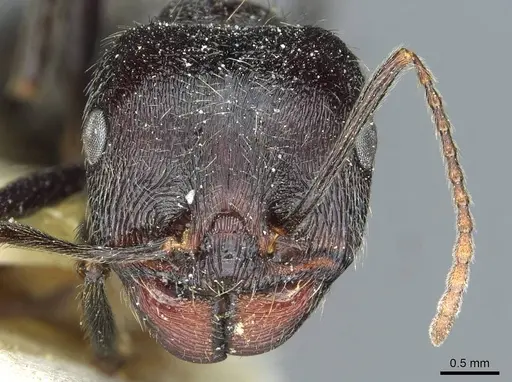
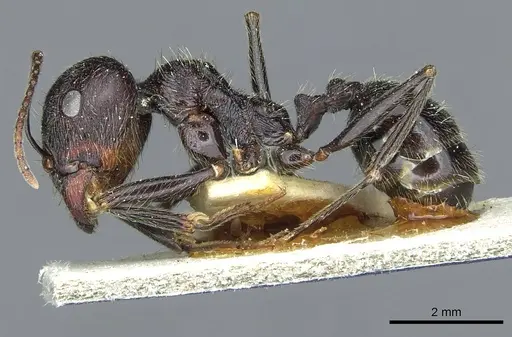
CASENT0916943
Megtekintés az AntWeb-en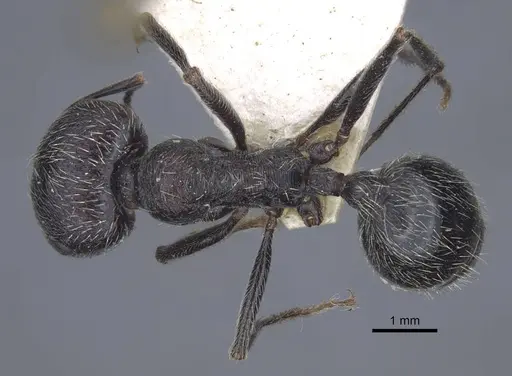
Irodalom
Elterjedési térkép betöltése...Termékek betöltése...