
Mayaponera conicula
- Tud. név
- Mayaponera conicula
- Nemzetség
- Ponerini
- Alcsalád
- Ponerinae
- Szerző
- MacKay & MacKay, 2010
- Elterjedés
- 0 országban megtalálható
Bevezetés
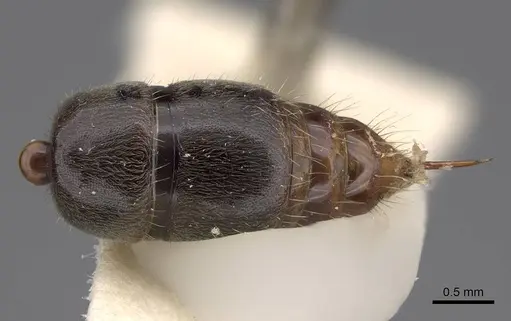
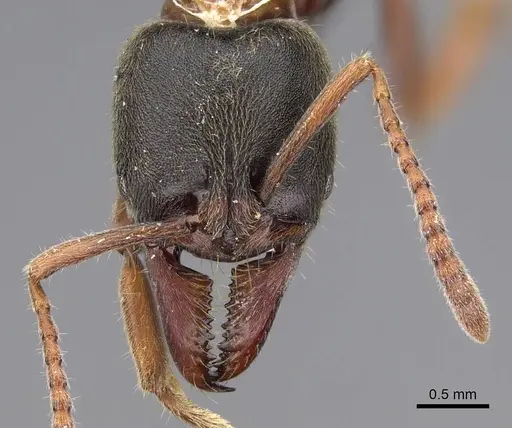
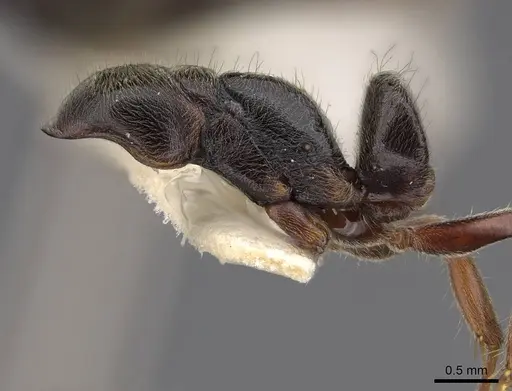
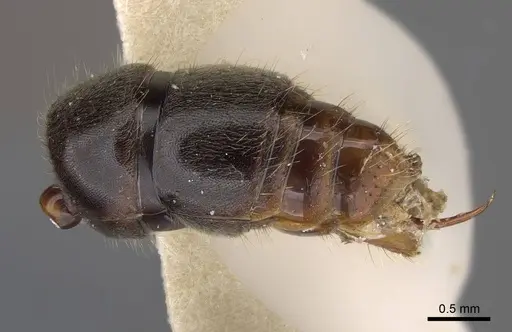
Mayaponera conicula is a small ponerine ant native to the rainforests of northern South America. Workers reach about 8mm in total length and are predominantly black with reddish-brown legs and antennae. The species is characterized by a relatively narrow petiole that narrows toward the apex, giving it a cone-like shape - which is where the Latin species name 'coniculus' (meaning small cone) comes from . Queens are slightly smaller at 6.5mm total length and have a distinctive raised, pinched appearance on the clypeus. This species belongs to the arhuaca complex and was previously classified under Rasopone before being moved to Mayaponera in 2020 . In the wild, these ants inhabit humid rainforest environments at elevations between 300-1500 meters, where they nest under stones in clay soil or within rotting logs .
Quick Summary
- Difficulty: Medium
- Origin & Habitat: Colombia, Peru, and Venezuela. In Colombia, recorded in Huila department. Found in rain forest, transitional montane forest, and secondary rain forest at elevations of 300-1500 meters [3][4][1].
- Colony Type: Colony structure is unconfirmed. No specific documentation exists for this species.
- Size & Growth:
- Queen: 6.5mm total length [1]
- Worker: ~8mm total length [1]
- Colony: Unknown, no colony size data available in scientific literature
- Growth: Unknown, no development timing data exists for this species
- Development: Unknown, no direct measurements available for this species. (No published studies on development timing for this species.)
- Antkeeping:
- Temperature: Inferred from rainforest habitat: aim for 22-26°C with a gentle gradient. They come from humid tropical elevations where temperatures are warm but not extreme.
- Humidity: High humidity is essential, these ants inhabit rainforests. Keep nest substrate consistently moist but not waterlogged. Provide a water tube and ensure the nest area maintains humidity similar to a forest floor.
- Diapause: Unknown, no research on overwintering requirements. As a tropical species from moderate elevations, they may not require a true diapause but could benefit from slight temperature reduction during winter months.
- Nesting: In captivity, provide a moist nesting environment with hiding spaces. Based on natural nesting under stones and in rotting logs, a naturalistic setup with moist substrate or a Y-tong/plaster nest works well. They prefer tight, enclosed spaces.
- Behavior: Temperament is not well documented, but Ponerine ants are typically moderate to defensive in behavior. They are predators by nature, using their sting for subdueing prey. Escape risk is moderate given their 8mm size, standard formicarium barriers should contain them, but they are active foragers. Based on related species, they likely hunt individually rather than using mass recruitment.
- Common Issues: high humidity requirements mean mold can develop if ventilation is inadequate, lack of documented care information means keepers are working with educated guesses rather than proven protocols, predatory nature requires live prey, they may not accept commercial ant foods, slow development compared to common ant species may frustrate beginners, tropical origin means they are sensitive to temperature drops
Natural History and Distribution
Mayaponera conicula is found across three countries in northern South America: Colombia, Peru, and Venezuela. In Colombia, the species has been recorded specifically in Huila department. Their habitat spans rain forest, transitional montane forest, and secondary rain forest environments at elevations between 300 and 1500 meters above sea level. This elevation range suggests they can tolerate varying conditions, though they clearly prefer humid, forested areas. The species was originally described in 2010 by Mackay and Mackay under the name Mayaponera conicula, then moved to Rasopone in 2014,and finally to Mayaponera in 2020 through phylogenetic analysis [2]. The species is part of the arhuaca complex, a group of closely related species that can be difficult to distinguish from one another.
Nest Preferences and Housing
In the wild, Mayaponera conicula has been found nesting in two main situations: under stones in red-yellow clay soil (documented in Colombia) and within rotting logs (documented in Colombia and collected from leaf litter in rain forest and bamboo habitats). This suggests they are flexible in nest site selection but require moist conditions and enclosed spaces. For captive care, a naturalistic setup with moist substrate and hiding spots works well. A Y-tong or plaster nest can also work, provided humidity is maintained. The key is giving them a dark, enclosed chamber that stays consistently moist. Avoid dry environments, these rainforest ants will struggle in arid setups. Provide a water tube connected to the nest to maintain humidity through evaporation. [1]
Feeding and Diet
As a Ponerine ant, Mayaponera conicula is predatory by nature. In the wild, they likely hunt small invertebrates such as springtails, mites, and other micro-arthropods found in leaf litter. For captive feeding, offer small live prey such as fruit flies, pinhead crickets, small mealworms, and most importantly, live springtails or isopods. Ponerines typically do not accept sugar water as readily as some other ant species, their diet is primarily protein-based. Do not rely on commercial ant foods or sugar sources. Feed small prey items 2-3 times per week, adjusting based on colony consumption. Remove uneaten prey after 24-48 hours to prevent mold. [1]
Temperature and Humidity Requirements
Based on their rainforest habitat at 300-1500m elevation, these ants prefer warm, humid conditions. Aim for temperatures in the 22-26°C range, stable warmth rather than extreme heat. A heating cable on one side of the nest can create a gentle gradient, allowing the ants to self-regulate. Humidity is critical: keep the nest substrate consistently moist but not waterlogged. The substrate should feel damp to the touch. Provide a water tube attached to the nest area to maintain humidity through evaporation. Good ventilation is also important to prevent mold, but avoid excessive airflow that dries out the nest. A small ventilation hole or mesh-covered opening works well. [1]
Behavior and Colony Dynamics
Ponerine ants like Mayaponera are typically more defensive than many common ant genera. Workers are moderately sized at around 8mm and possess a functional sting, though the pain level for humans is generally mild to moderate for most Ponerines. They are likely individual foragers rather than mass recruiters, meaning they hunt alone rather than swarming to subdue prey. Colony founding behavior is unconfirmed for this specific species, so the specific founding method is unknown. Colonies likely grow slowly compared to species like Lasius or Camponotus, so patience is required. [1]
Frequently Asked Questions
How long does it take for Mayaponera conicula to produce first workers?
The egg-to-worker timeline is unconfirmed for this species, as no scientific studies have documented development timing. Without specific data, development time is unknown.
What do Mayaponera conicula ants eat?
As predatory Ponerine ants, they need live protein prey. Offer small live insects such as fruit flies, small crickets, springtails, and other micro-arthropods. They are unlikely to accept sugar water or commercial ant foods. Feed 2-3 times per week and remove uneaten prey after 24-48 hours.
Can I keep Mayaponera conicula in a test tube?
A test tube can work for a founding queen, but given their humidity requirements and predatory nature, a naturalistic setup with moist substrate or a Y-tong/plaster nest is more appropriate for established colonies. Test tubes dry out quickly and offer limited space for hunting.
Do Mayaponera conicula ants sting?
Yes, as Ponerine ants they possess a functional sting. However, given their small size (workers around 8mm), the sting is unlikely to penetrate human skin significantly. Most Ponerine stings cause only mild discomfort comparable to a mosquito bite.
Are Mayaponera conicula good for beginners?
This species is rated as Medium difficulty. While not the most challenging ant to keep, the lack of documented care information means you will be working with inferred care guidelines rather than proven protocols. Their high humidity needs and predatory diet require more attention than beginner-friendly species like Lasius or Tetramorium.
Do Mayaponera conicula need hibernation?
Diapause requirements are unconfirmed for this species. As a tropical rainforest ant from moderate elevations, they likely do not require a true hibernation period. However, a slight temperature reduction during winter months (reducing from 24-26°C to around 20-22°C) may be beneficial and mimics natural seasonal changes.
How big do Mayaponera conicula colonies get?
Maximum colony size is unknown, no scientific literature documents wild colony sizes for this species.
When will nuptial flights occur for Mayaponera conicula?
Nuptial flight timing is unconfirmed for this species. As a tropical species from northern South America, flights likely occur during the warm, rainy season in their range, but specific timing has not been documented in scientific literature.
Can I keep multiple Mayaponera conicula queens together?
Colony structure is unconfirmed for this species. Combining unrelated queens has not been documented. Do not attempt to house multiple founding queens together, they are likely to fight.
Why are my Mayaponera conicula dying?
Common causes include: low humidity (they need consistently moist conditions), too-cold temperatures (keep above 22°C), lack of live prey (they are obligate predators), and poor ventilation leading to mold. Check these parameters first. Also ensure you are not offering prey that is too large, Ponerines typically tackle small, manageable prey.
Report an Issue
The current care sheet is based fully on literature. See inconsistencies, or something that's incorrect? Please , it will be resolved after review from an admin. Contributing to the blogs tab also helps providing information, to make us be able to further improve the caresheets. Thank you for your support!
References

Ez a tartási útmutató a következő licenc alatt áll: CC BY-SA 4.0 .
Közösségi blogok
CASENT0882077
Megtekintés az AntWeb-en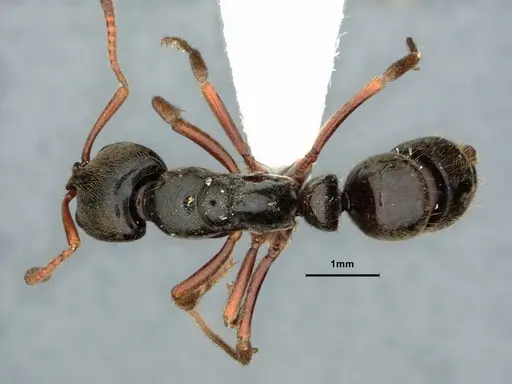
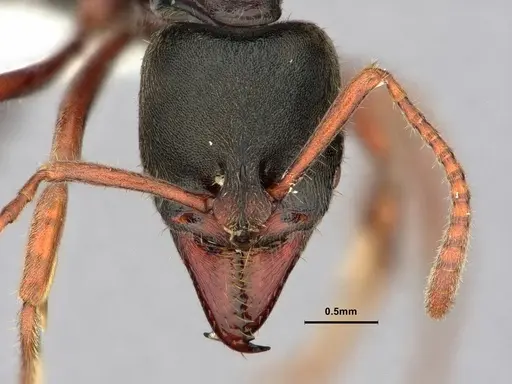
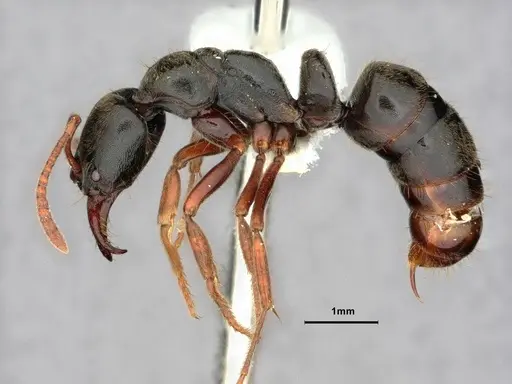
CASENT0923099
Megtekintés az AntWeb-en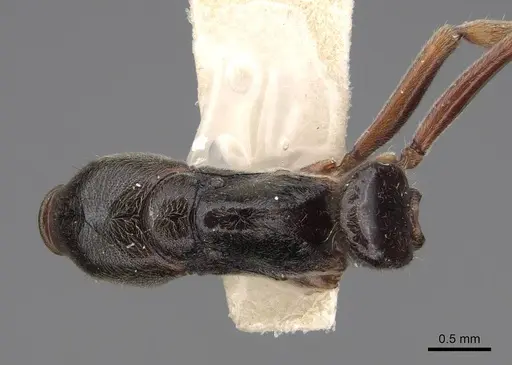
Irodalom
Elterjedési térkép betöltése...Termékek betöltése...