
Leptogenys vitiensis
- Tud. név
- Leptogenys vitiensis
- Nemzetség
- Ponerini
- Alcsalád
- Ponerinae
- Szerző
- Mann, 1921
- Elterjedés
- 1 országban megtalálható
Bevezetés
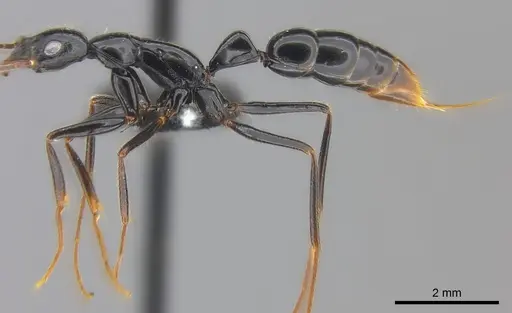
Leptogenys vitiensis is a ponerine ant species endemic to the island of Viti Levu in Fiji . Described by Mann in 1921 from worker specimens, this ant remains virtually unknown to science beyond its original collection records . The most significant fact about this species is its extreme endemism and complete lack of biological study. It has never been recorded outside of Viti Levu, and no research has examined its colony structure, behavior, or ecological requirements . This represents a species that cannot be kept responsibly due to the absence of any captive care data.
Quick Summary
- Difficulty: Expert
- Origin & Habitat: Endemic to Fiji, recorded exclusively from Viti Levu island [1][2].
- Colony Type: Unknown, no colony structure data available.
- Size & Growth:
- Queen: Size data unavailable, no measurements exist in available literature.
- Worker: Size data unavailable, no measurements exist in available literature.
- Colony: Unknown, no colony size data available.
- Growth: Unknown
- Development: Unknown, no development studies exist for this species. (No development data available.)
- Antkeeping:
- Temperature: Unknown, likely warm tropical conditions based on Fiji location.
- Humidity: Unknown, likely moderate to high humidity typical of tropical island habitats.
- Diapause: Unlikely required, tropical origin suggests year-round activity.
- Nesting: Unknown, likely soil or leaf litter nesting based on genus habits.
- Behavior: Unknown, genus Leptogenys typically contains specialized predators that hunt soft-bodied invertebrates.
- Common Issues: complete lack of captive care data, no established parameters exist for this species., likely requires specialized live prey based on typical Leptogenys diets., extremely rare in collections and not available in the antkeeping trade., endemic status raises legal and ethical concerns regarding collection and export from Fiji.
Distribution and Endemism
This ant lives nowhere else on Earth except Viti Levu, the largest island in Fiji [1][2]. Mann first described it in 1921 based on worker specimens, and subsequent checklists have only repeated these original records [2][3]. The species has never been found on other Fijian islands or mainland areas, making it a true endemic with a range restricted to a single island [1].
The lack of modern records suggests either extreme rarity, cryptic nesting habits that avoid standard sampling methods, or insufficient survey effort in its specific microhabitat [1]. For conservation purposes, this restricted range makes the species potentially vulnerable to habitat changes on Viti Levu.
Captive Care Reality
No captive populations exist and no care parameters have been established for this species [1]. If specimens were ever available, care would need to be inferred from related Leptogenys species.
Based on genus patterns, L. vitiensis might require semi-claustral founding (where the queen must forage during the founding stage), specialized predatory diets possibly including isopods or termites, and strict tropical conditions without hibernation. However, these are inferences from genus patterns, not confirmed biology for this specific species.
Genus Leptogenys Context
The genus Leptogenys generally contains slender, long-legged ants that are specialized predators. Many species hunt specific prey like isopods, termites, or other soft-bodied invertebrates. Workers possess stings and use them to subdue prey.
Colony sizes in the genus are often small to moderate, ranging from dozens to a few hundred workers. Many Leptogenys species are semi-claustral, meaning founding queens must leave their nest to hunt for food rather than living entirely on stored fat reserves. These patterns suggest L. vitiensis would likely require live prey and careful humidity management, but this remains speculative until direct observations are made.
Frequently Asked Questions
What is Leptogenys vitiensis?
It is an ant species endemic to Fiji, known only from Viti Levu island [1][2]. It was described in 1921 and almost nothing is known about its biology beyond the original specimen records.
Where does Leptogenys vitiensis live?
Only on Viti Levu in Fiji [1][2]. It has not been recorded from any other location in the world.
Can I keep Leptogenys vitiensis as a pet?
This species is not available in the antkeeping trade. It is endemic to Fiji with extremely limited scientific study, making captive care impossible currently [1].
How big are Leptogenys vitiensis workers?
Worker size is not documented in available literature.
What does Leptogenys vitiensis eat?
Diet is unknown for this species. Related Leptogenys species are specialized predators, often hunting isopods or termites.
Does Leptogenys vitiensis need hibernation?
Probably not required, it comes from tropical Fiji [1], but this is unconfirmed for this species specifically.
Is Leptogenys vitiensis dangerous?
Like most ponerine ants, they possess a sting. However, no specific aggression data exists for this species.
How do I find a Leptogenys vitiensis queen?
This species is endemic to Fiji and not commercially available [1]. Obtaining it would require collection in Fiji, which raises legal and ethical concerns.
Report an Issue
The current care sheet is based fully on literature. See inconsistencies, or something that's incorrect? Please , it will be resolved after review from an admin. Contributing to the blogs tab also helps providing information, to make us be able to further improve the caresheets. Thank you for your support!
References

Ez a tartási útmutató a következő licenc alatt áll: CC BY-SA 4.0 .
Közösségi blogok
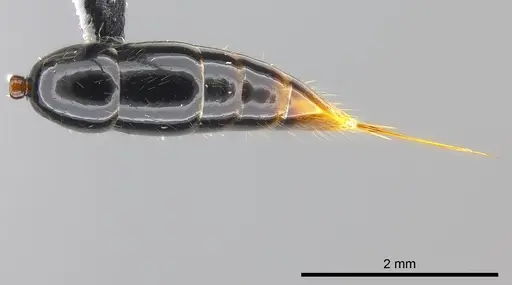
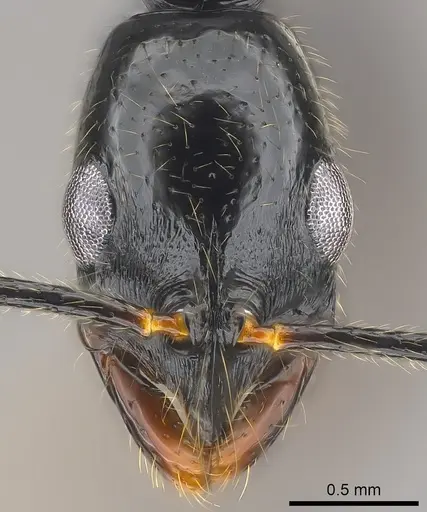
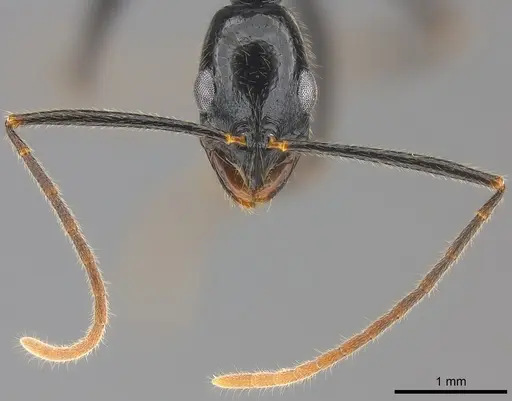
CASENT0186328
Megtekintés az AntWeb-en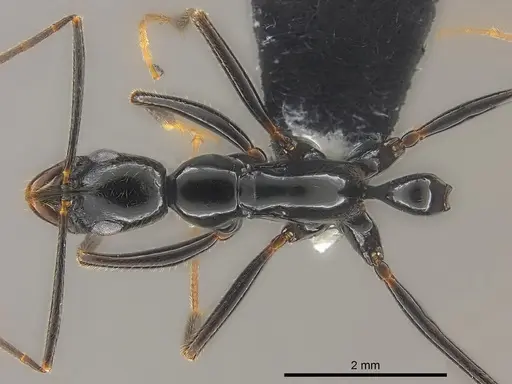
Irodalom
Elterjedési térkép betöltése...Termékek betöltése...