
Leptogenys ravida
- Tud. név
- Leptogenys ravida
- Nemzetség
- Ponerini
- Alcsalád
- Ponerinae
- Szerző
- Bolton, 1975
- Elterjedés
- 0 országban megtalálható
Bevezetés
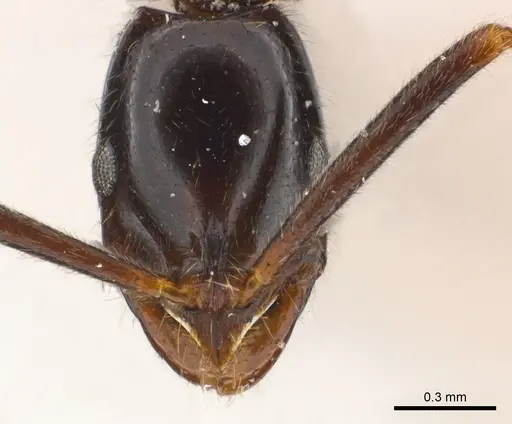
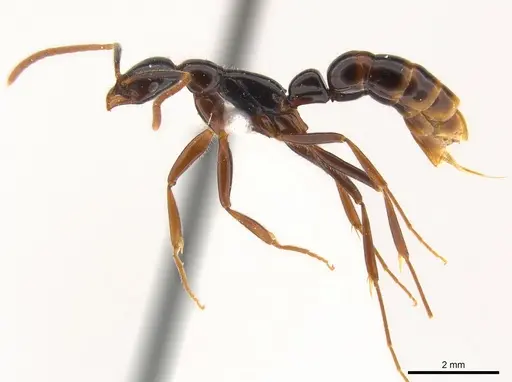
Leptogenys ravida is a predatory ant species endemic to the Sud-Kivu region of the Democratic Republic of Congo . As a member of the genus Leptogenys (subfamily Ponerinae), these ants are specialized spider hunters with elongated, curved mandibles designed to seize and hold prey. Workers are slender and medium-sized, with a dark reddish-brown to black coloration. The genus is known for its aggressive hunting behavior and potent sting, which the ants use to subdue prey and defend their colonies. In their natural habitat of the Congo basin, these ants nest in soil or under stones in forest environments, where they hunt spiders and other small arthropods.
Quick Summary
- Difficulty: Medium
- Origin & Habitat: Leptogenys ravida is endemic to the Sud-Kivu region in the eastern Democratic Republic of Congo [1]. This area falls within the Congo basin tropical rainforest ecosystem, where the species inhabits forest floor microhabitats with moist soil conditions.
- Colony Type: Colony structure is unconfirmed for this specific species. Based on typical Leptogenys genus patterns, colonies are likely monogyne with moderate worker populations.
- Size & Growth:
- Queen: Size data unavailable, inferred from Leptogenys genus as approximately 8-10mm
- Worker: Size data unavailable, inferred from Leptogenys genus as approximately 5-7mm
- Colony: Up to 300 workers based on related Leptogenys species
- Growth: Moderate, inferred from genus patterns
- Development: Estimated 6-10 weeks at tropical temperatures (24-28°C) based on typical Ponerinae development (Development time inferred from related Leptogenys species, direct measurements unavailable for this species)
- Antkeeping:
- Temperature: Keep at 24-28°C (tropical conditions). A heating cable on one side of the nest creates a gentle gradient allowing ants to self-regulate.
- Humidity: Keep the nest substrate consistently moist but not waterlogged. These forest-floor ants need damp conditions.
- Diapause: No, being a tropical species from the Congo basin, they do not require hibernation. Keep temperatures stable year-round.
- Nesting: Use a naturalistic setup with moist substrate (soil/sand mix) or a Y-tong/plaster nest that retains humidity well. They prefer dark, humid nest chambers. A small outworld allows for hunting opportunities.
- Behavior: Leptogenys ravida is a predatory ant that actively hunts spiders and other small arthropods. Workers are aggressive foragers with a potent sting. They are escape artists due to their medium size, use excellent barrier prevention (Fluon on test tube rims, fine mesh on outworlds). Workers are fast-moving and will readily pursue prey. Colonies are defensive and will attack threats to the nest.
- Common Issues: tropical species requires stable warmth, cold drafts can be fatal, predatory diet means they need live prey, failure to provide adequate hunting opportunities leads to colony decline, high humidity is essential, dry conditions cause desiccation and colony loss, escape prevention is important, medium-sized ants can squeeze through standard gaps, wild-caught colonies may have parasites that kill them in captivity
Housing and Nest Setup
Leptogenys ravida requires a humid, naturalistic setup that mimics the forest floor of the Congo basin. A Y-tong nest with plaster or a dirt-based formicarium works well, both retain moisture effectively. The nest chamber should be dark (cover with a red film or keep in a shaded area) since these ants prefer dim conditions. Provide a small outworld connected to the nest where you can offer prey items. Keep the nest substrate consistently moist, check daily and rehydrate when the surface begins drying. A water tube attached to the nest helps maintain humidity.
Feeding and Diet
As predatory ants, Leptogenys ravida requires live prey to thrive. Their primary diet should be small spiders, springtails, and other micro-arthropods. You can offer fruit flies, small crickets, and mealworms as alternatives, but live prey is essential for maintaining healthy colonies. Feed every 2-3 days, offering prey items roughly the size of the ants or smaller. Remove uneaten prey after 24 hours to prevent mold. Sugar sources are typically not accepted by Leptogenys, these are strict predators.
Temperature and Humidity
Maintain temperatures between 24-28°C year-round. Being a tropical species from the Congo basin, Leptogenys ravida does not tolerate cool temperatures. Use a heating cable on one side of the nest to create a gentle thermal gradient, allowing ants to move between warmer and cooler areas. Humidity should be high, the nest substrate should feel consistently damp but never waterlogged. Mist the nest occasionally and ensure the water tube is filled. Avoid placing the setup near air conditioning or drafty windows.
Behavior and Temperament
Leptogenys ravida is an aggressive, active forager with a potent sting. Workers hunt cooperatively, pursuing prey across the outworld. They are defensive of their nest and will attack threats. These ants are fast-moving and excellent climbers, escape prevention is essential. Apply Fluon to test tube rims and use fine mesh on any ventilation openings. Despite their aggressive nature toward prey, they are not typically aggressive toward keepers unless provoked. Their sting is painful but not dangerous to healthy humans.
Frequently Asked Questions
How long does it take for Leptogenys ravida to produce first workers?
Based on typical Ponerinae development, expect first workers (nanitics) in approximately 6-10 weeks after the queen lays eggs, provided temperatures are maintained at 24-28°C. This is an estimate as specific development data for this species is unavailable.
Can I keep Leptogenys ravida in a test tube setup?
Yes, initially. Use a test tube with a water reservoir and keep it humid. However, you will need to provide a small outworld for hunting since these are predatory ants that need to chase and capture live prey.
What do Leptogenys ravida eat?
They are strict predators. Feed live small spiders, springtails, fruit flies, and other tiny arthropods. They typically do not accept sugar water or honey. Live prey is essential for colony health.
Are Leptogenys ravida good for beginners?
No, they are not ideal for beginners. They require specific conditions (high humidity, tropical warmth), live prey feeding, and excellent escape prevention. They are better suited for keepers with some experience with predatory ant species.
Do Leptogenys ravida need hibernation?
No. As a tropical species from the Congo basin, they do not require hibernation. Keep temperatures stable at 24-28°C year-round. Cold temperatures can be fatal.
How big do Leptogenys ravida colonies get?
Based on related species, colonies likely reach up to 300 workers at maturity. This is an estimate as specific colony size data for this species is unavailable.
When should I move Leptogenys ravida to a formicarium?
Move them when the test tube becomes crowded or the water reservoir needs frequent refilling. For predatory ants, a small formicarium with an attached outworld for hunting is ideal.
Why are my Leptogenys ravida dying?
Common causes include: cold temperatures (below 24°C), dry conditions (low humidity), lack of live prey, or escape/collection issues. Check that temperatures are stable, humidity is high, and prey is being offered regularly.
Can I keep multiple Leptogenys ravida queens together?
Not recommended. Combining unrelated queens of this species has not been documented and could result in fighting. If you have multiple foundress queens, house them separately.
Report an Issue
The current care sheet is based fully on literature. See inconsistencies, or something that's incorrect? Please , it will be resolved after review from an admin. Contributing to the blogs tab also helps providing information, to make us be able to further improve the caresheets. Thank you for your support!
References

Ez a tartási útmutató a következő licenc alatt áll: CC BY-SA 4.0 .
Közösségi blogok
CASENT0217007
Megtekintés az AntWeb-en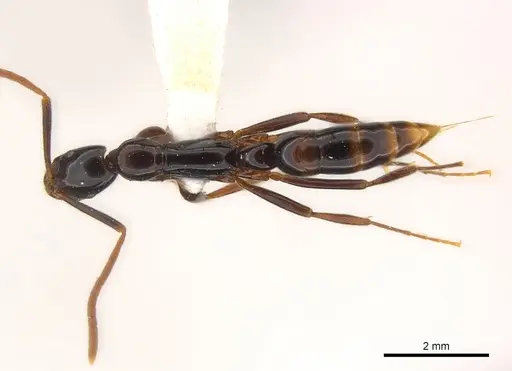
Irodalom
Elterjedési térkép betöltése...Termékek betöltése...