
Leptogenys bhartii
- Tud. név
- Leptogenys bhartii
- Nemzetség
- Ponerini
- Alcsalád
- Ponerinae
- Szerző
- Wachkoo <i>et al.</i>, 2018
- Elterjedés
- 0 országban megtalálható
Bevezetés
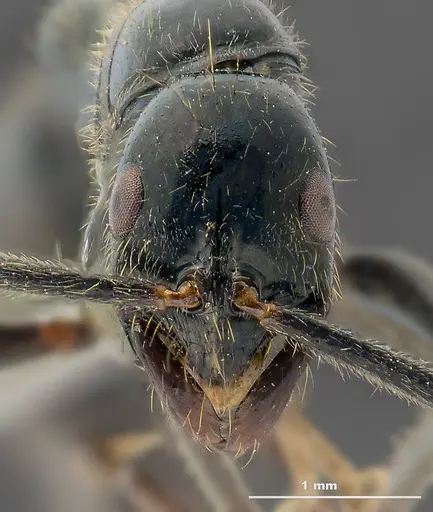
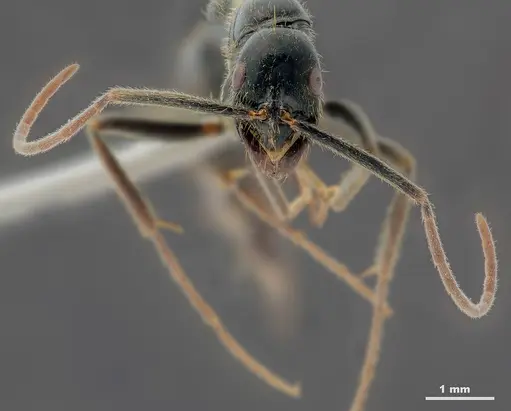
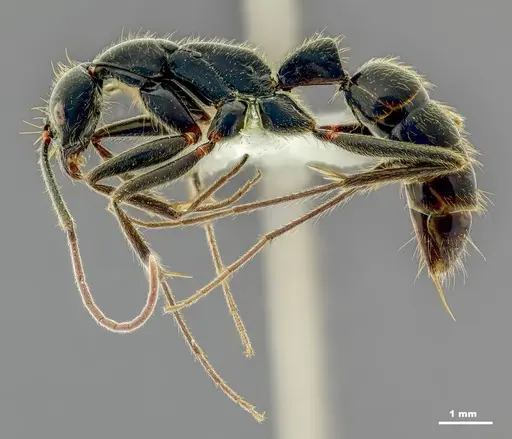
Leptogenys bhartii is a recently described predatory ant species from the foothills of the Pir Panjal Himalaya in Jammu & Kashmir, India. Workers measure approximately 8-9mm in total length with a distinctive polished black body featuring a green metallic lustre and brownish appendages. They belong to the chinensis species group and were discovered living under stones in pine forest at 1600m elevation . This species represents a transition zone between subtropical and temperate climate zones, suggesting moderate temperature tolerances. As a member of the Ponerinae subfamily, they are predatory hunters with functional stingers, though specific prey preferences remain unstudied .
Quick Summary
- Difficulty: Unknown, insufficient data for assessment
- Origin & Habitat: Native to the Indomalaya region, specifically the Thanamandi region of Rajouri district in Jammu & Kashmir, India. Found at 1600m elevation on the southerly foothills of the Pir Panjal Himalaya, living under stones in Chir-pine (Pinus roxburghii) forests. The region represents a transition zone between subtropical Jammu and temperate Kashmir provinces with dry temperate conditions [1].
- Colony Type: Unconfirmed, colony structure has not been documented. Based on typical Leptogenys genus patterns, likely single-queen (monogyne) colonies.
- Size & Growth:
- Queen: Undescribed, queen caste has not been documented in scientific literature
- Worker: Approximately 8-9mm total length, inferred from Leptogenys genus patterns (HL 1.79-1.81mm, WL 3.22-3.26mm) [1]
- Colony: Unknown, no colony size data available
- Growth: Unknown, no development data available
- Development: Unconfirmed, no direct measurements exist. Based on typical Leptogenys and Ponerinae patterns, estimate 6-10 weeks at optimal temperature. (Development timeline is unconfirmed. Related Ponerine ants typically require 6-12 weeks from egg to worker at warm temperatures.)
- Antkeeping:
- Temperature: Estimated 20-26°C based on the temperate-to-subtropical transition zone habitat at 1600m elevation. Start in the low-mid 20s°C range and observe colony activity for adjustments. No direct thermal data exists for this species.
- Humidity: Likely requires moderate to high humidity given the pine forest floor habitat and regional climate. Keep nest substrate consistently moist but not waterlogged. Provide a humidity gradient so ants can self-regulate.
- Diapause: Unknown, no overwintering data exists. The 1600m elevation location suggests adaptation to seasonal temperature changes. Related Himalayan ant species typically require a winter rest period.
- Nesting: In nature, found under stones in pine forest floor. In captivity, a naturalistic setup with soil substrate and flat stones or a Y-tong/plaster nest with moisture retention would likely suit them. Avoid overly dry conditions.
- Behavior: As a Ponerine ant, Leptogenys bhartii is a predatory species that hunts small arthropods. Ponerines are active foragers with well-developed stingers for subduing prey. Workers are moderately sized and likely show individual foraging behavior rather than mass recruitment. Escape risk appears moderate given worker size, standard barrier precautions should suffice. Specific defensive behaviors and sting potency are unstudied but Ponerine ants can deliver painful stings.
- Common Issues: lack of biological data makes captive care challenging, this species has never been kept in captivity to our knowledge, predatory diet requirements may be difficult to meet, they likely need live small arthropods, humidity requirements are uncertain, too dry or too wet could stress colonies, winter care is unclear, appropriate hibernation conditions unknown for this elevation species, very limited availability, only known from original collection in 2016
Discovery and Taxonomy
Leptogenys bhartii was described in 2018,making it one of the most recently named ant species. It was discovered in the Thanamandi region of Rajouri district in Jammu & Kashmir, India, at an elevation of 1600 meters. The species was named in honor of Dr. Himender Bharti for his significant contributions to the study of Indian ants. The type specimens were collected by hand from under a stone in a pine forest area, and the species belongs to the chinensis species group, which contains several similar-looking species across the Oriental region. This species can be distinguished from related species like L. chinensis by its smooth propodeal declivity (without transverse striations) and relatively narrower petiolar node [1].
Natural Habitat
This species lives in a geographically interesting area, the foothills of the Pir Panjal Himalaya represent a transition zone between the subtropical climate of the Jammu region and the temperate conditions of Kashmir. The elevation of 1600m suggests they experience seasonal temperature variation. The vegetation is dominated by Chir-pine (Pinus roxburghii) forests, with areas of broad-leaved deciduous and evergreen forests, scrubland, and grassland patches. The original specimens were found under stones on the forest floor, a typical microhabitat for many Ponerine ants that prefer humid, shaded conditions. This habitat suggests the species is adapted to cooler temperatures than typical tropical ants and likely requires good humidity in captivity [1].
Predatory Nature and Diet
As a member of the subfamily Ponerinae and genus Leptogenys, this species is almost certainly predatory. Leptogenys ants are known hunters that typically prey on isopods, springtails, and other small arthropods. They use their well-developed stingers to subdue prey rather than relying on chemical defenses. In captivity, you would need to provide live small prey such as fruit flies, pinhead crickets, mealworms, or other small insects. The specific prey preferences of L. bhartii are unknown, but starting with small live arthropods is the most conservative approach. Some Leptogenys species also accept sugar sources, though this varies by species and should be offered experimentally rather than relied upon.
Keeping Considerations
This is a species with essentially no captive husbandry history. The primary challenge is that we lack basic biological data that other more commonly kept species have. Temperature, humidity, and dietary preferences are estimated from genus patterns and habitat rather than direct observation. If you obtain this species, plan to be a pioneer in developing captive protocols. Start with moderate temperatures (20-26°C), keep the nest substrate consistently moist, and offer a variety of small live prey. Monitor colony behavior closely and adjust conditions based on their response. Given the 1600m elevation origin, they may tolerate cooler temperatures than typical tropical ants and may benefit from a seasonal temperature cycle mimicking natural conditions.
Frequently Asked Questions
How long does it take for Leptogenys bhartii to go from egg to worker?
The development timeline has not been directly documented for this species. Based on typical Ponerinae development patterns, expect approximately 6-10 weeks from egg to first worker at optimal temperature. This is an estimate only, actual development time may vary.
What do Leptogenys bhartii ants eat?
As a Ponerine ant, they are predatory hunters. They likely accept small live arthropods such as fruit flies, small crickets, mealworms, and similar prey. Some Leptogenys species may accept sugar water or honey experimentally, but live protein should form the primary diet.
Are Leptogenys bhartii good for beginners?
No, this species is not recommended for beginners. It was only described in 2018 and has never been documented in captive ant keeping. There is no established husbandry protocol, and basic requirements like temperature, humidity, and diet preferences are unknown. This species is best left to experienced antkeepers willing to experiment and document their findings.
What temperature do Leptogenys bhartii need?
Exact requirements are unknown. Based on their habitat at 1600m elevation in a temperate-to-subtropical transition zone, aim for temperatures in the range of 20-26°C. Start around 22-24°C and observe colony behavior for guidance on adjustments.
How big do Leptogenys bhartii colonies get?
Colony size data is not available for this species. Based on related Leptogenys species, colonies may reach several hundred workers over time, but this is an estimate.
Can I keep multiple Leptogenys bhartii queens together?
Colony structure has not been documented for this species. The safe approach is to keep only one queen per colony, as combining unrelated queens carries risks of aggression.
Do Leptogenys bhartii need hibernation?
Hibernation requirements are unknown but likely. The 1600m elevation origin suggests adaptation to seasonal temperature changes. Related Himalayan ant species typically require a winter rest period. If keeping this species, consider providing a cooler period (around 10-15°C) for several months, though specific requirements are unconfirmed.
What type of nest is best for Leptogenys bhartii?
In nature they were found under stones in pine forest floor, suggesting preference for humid, shaded conditions. In captivity, a naturalistic setup with moist soil substrate and flat stones for cover, or a Y-tong/plaster nest with good moisture retention would likely work well. Avoid overly dry conditions.
Where can I get Leptogenys bhartii?
This species is extremely rare in the antkeeping hobby. It was only described in 2018 and has a very limited known distribution in the mountains of Jammu & Kashmir, India. It is unlikely to be available commercially and would require field collection in its native range, which carries legal and ethical considerations.
Report an Issue
The current care sheet is based fully on literature. See inconsistencies, or something that's incorrect? Please , it will be resolved after review from an admin. Contributing to the blogs tab also helps providing information, to make us be able to further improve the caresheets. Thank you for your support!
References

Ez a tartási útmutató a következő licenc alatt áll: CC BY-SA 4.0 .
Közösségi blogok
ANTWEB1008983
Megtekintés az AntWeb-en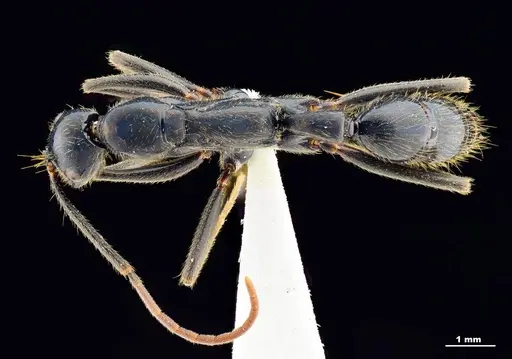
Irodalom
Elterjedési térkép betöltése...Termékek betöltése...