
Leptogenys bezanozano
- Tud. név
- Leptogenys bezanozano
- Nemzetség
- Ponerini
- Alcsalád
- Ponerinae
- Szerző
- Rakotonirina & Fisher, 2014
- Elterjedés
- 0 országban megtalálható
Bevezetés
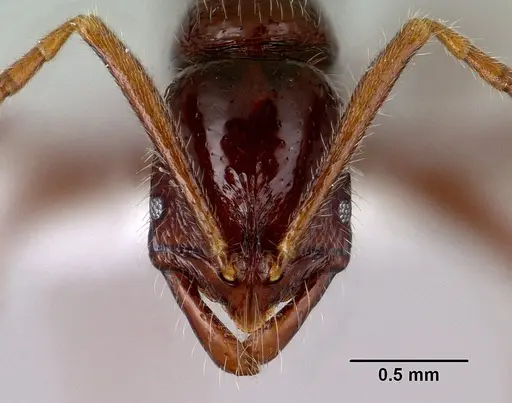
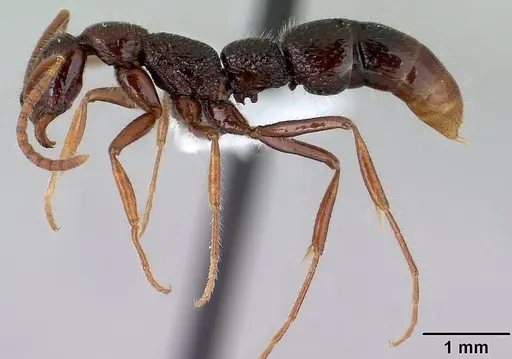
Leptogenys bezanozano is a small predatory ant native to the high mountains of central-eastern Madagascar. Workers have a distinctive reddish-brown body with yellowish-orange legs and antennae. They feature a rectangular head, small eyes, and notably long antennal scapes with erect hairs. This species belongs to the toeraniva species group and was formally described in 2014 by Rakotonirina and Fisher . In the wild, they nest in rotten logs within rainforest habitats and forage through leaf litter on the forest floor .
Quick Summary
- Difficulty: Medium
- Origin & Habitat: Central-eastern Madagascar, found in the montane rainforests of Mantadia (around 1070m elevation) and Torotorofotsy. They live in damp, shaded rainforest environments and nest in rotting wood on the forest floor [1].
- Colony Type: Unconfirmed. Leptogenys species are typically monogyne (single queen colonies), but colony structure has not been documented for this specific species.
- Size & Growth:
- Queen: size data unavailable, no documented measurements for this species
- Worker: approximately 4-5mm total length, inferred from mesosoma measurements (WL: 1.72-1.84mm) typical for Leptogenys genus [1]
- Colony: Unknown, no wild colony size data available for this species
- Growth: Unknown, likely moderate based on typical Ponerine development patterns
- Development: estimated 6-10 weeks at warm temperatures based on related Leptogenys species (Ponerine ants typically have longer development times than many common house ants. No specific data for this species.)
- Antkeeping:
- Temperature: Keep around 22-26°C. As a montane rainforest species from Madagascar, they likely prefer warm but not hot conditions with stable temperatures. A gentle gradient allows them to regulate their temperature preference.
- Humidity: High humidity is essential, they come from damp rainforest habitats. Keep nesting material consistently moist but not waterlogged. Provide a water tube and mist the outworld regularly.
- Diapause: Unknown for this species. Many Madagascar ants experience seasonal changes, but specific diapause requirements have not been documented.
- Nesting: Rotten wood nesting in the wild suggests they do well in naturalistic setups with moist substrate, or Y-tong/plaster nests that retain humidity well. They forage in leaf litter, so they need an outworld with substrate they can search through.
- Behavior: Leptogenys bezanozano is a predatory ant that forages in leaf litter. As a Ponerine, they have a functional stinger and can deliver painful stings if handled roughly. They are active hunters and likely pursue small invertebrates. Their small size means escape prevention is important, they can squeeze through small gaps. Workers are relatively slender and fast-moving when hunting.
- Common Issues: high humidity requirements can lead to mold problems if ventilation is poor, small size makes escape prevention critical, use fine mesh barriers, predatory diet means they need constant access to live prey items, no documented colony size means keepers may face uncertainty about expected growth rates, lack of specific development data makes timing unpredictable
Natural History and Distribution
Leptogenys bezanozano is endemic to the high mountains of central-eastern Madagascar. It has been documented in two locations: Mantadia (around 1070m elevation) in lowland rainforest, and Torotorofotsy in montane rainforest. The species was formally described in 2014 and belongs to the toeraniva species group, which contains several similar-looking Leptogenys species found only in Madagascar [1]. In their natural habitat, these ants nest in rotting logs on the forest floor and forage through leaf litter, hunting small invertebrates. The montane rainforest environment provides consistently high humidity and stable, warm temperatures year-round.
Housing and Nest Setup
Because they naturally nest in rotting wood and forage through leaf litter, a naturalistic setup works well. Use a mix of soil and rotting wood pieces as substrate, or a Y-tong/plaster nest attached to a humid outworld. The key requirement is maintaining high humidity, these ants come from damp rainforest environments. Provide a water tube connected to the nest so workers can access moisture. The outworld should have a layer of substrate or leaf litter where they can hunt. Because workers are tiny, ensure all connections and barriers are tight-fitting to prevent escapes. A small outworld with good visibility works better than large spaces where tiny ants can get lost. [1]
Feeding and Diet
As a Ponerine ant, Leptogenys bezanozano is predatory and needs live food. They hunt small invertebrates in the wild, primarily in leaf litter. In captivity, offer small live prey such as fruit flies, pinhead crickets, small mealworms, and other tiny arthropods. Because of their small size, prey items should be appropriately sized, no larger than the ant itself. They likely accept protein regularly and may also consume some sugar sources, though this is not confirmed. Feed every 2-3 days, removing uneaten prey to prevent mold. A varied diet helps ensure colony health. [1]
Temperature and Humidity
Maintain temperatures around 22-26°C, warm but not hot. As a montane species from Madagascar, they likely prefer stable warmth rather than temperature swings. A heating cable on one side of the nest creates a gentle gradient. Humidity is critical: keep the nest material consistently moist. The substrate should feel damp to the touch but not have standing water. Mist the outworld regularly and ensure the water tube is always filled. Poor humidity quickly stresses these ants. Good ventilation is also important to prevent mold while maintaining humidity, aim for airflow without drafts.
Behavior and Defense
Leptogenys bezanozano is an active predator that hunts alone through leaf litter. Workers are fast-moving and persistent hunters. Like other Ponerines, they have a functional stinger and can deliver painful stings if threatened or handled roughly. They are not aggressive toward humans but will defend if provoked. Their small size and speed make them effective escape artists, use fine mesh barriers and check all connections regularly. Workers may be nocturnal or crepuscular, so don't be alarmed if they are most active at dawn/dusk or at night.
Frequently Asked Questions
How long does it take for Leptogenys bezanozano to produce first workers?
The exact timeline is unconfirmed, but based on related Leptogenys species, expect 6-10 weeks from egg to worker at warm temperatures (around 24-26°C). Development may be slower at cooler temperatures.
What do Leptogenys bezanozano ants eat?
They are predatory ants that need live prey. Offer small live insects like fruit flies, pinhead crickets, small mealworms, and other tiny arthropods. They may also accept sugar water or honey occasionally.
Can I keep Leptogenys bezanozano in a test tube?
Test tubes can work for founding colonies, but they need high humidity which can be difficult to maintain in a simple test tube setup. A Y-tong or plaster nest with a humid outworld is more suitable for long-term keeping.
Are Leptogenys bezanozano good for beginners?
This species is rated as medium difficulty. The main challenges are maintaining high humidity, providing constant live prey, and preventing escapes due to their small size. Some antkeeping experience is helpful.
How big do Leptogenys bezanozano colonies get?
Colony size is unconfirmed for this species. Based on related Leptogenys species, colonies likely reach several hundred workers at maximum.
Do Leptogenys bezanozano need hibernation?
Diapause requirements are unknown. As a Madagascar montane species, they may not need true hibernation but could benefit from a slight cooling period in winter. More research is needed.
Why are my Leptogenys bezanozano dying?
Common causes include low humidity (they need consistently damp conditions), lack of live prey, poor ventilation causing mold, or escapes due to small size. Check all enclosure connections and ensure prey is available.
Can I keep multiple Leptogenys bezanozano queens together?
Colony structure is unconfirmed, but Leptogenys species are typically single-queen colonies. Combining unrelated queens is not recommended without documented evidence that this species accepts pleometrosis.
What temperature is best for Leptogenys bezanozano?
Keep them around 22-26°C. A gentle gradient allowing them to choose their preferred temperature works best. Avoid temperatures above 30°C or below 18°C.
Report an Issue
The current care sheet is based fully on literature. See inconsistencies, or something that's incorrect? Please , it will be resolved after review from an admin. Contributing to the blogs tab also helps providing information, to make us be able to further improve the caresheets. Thank you for your support!
References

Ez a tartási útmutató a következő licenc alatt áll: CC BY-SA 4.0 .
Közösségi blogok
CASENT0175420
Megtekintés az AntWeb-en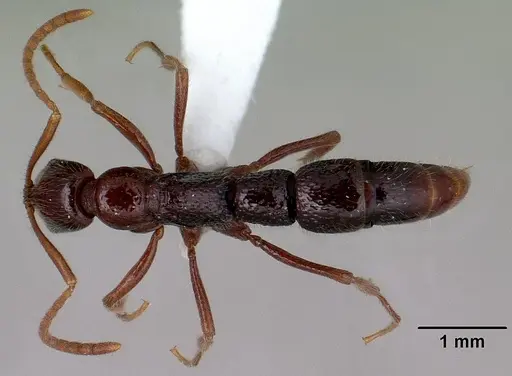
Irodalom
Elterjedési térkép betöltése...Termékek betöltése...