
Lepisiota palpalis
- Tud. név
- Lepisiota palpalis
- Nemzetség
- Plagiolepidini
- Alcsalád
- Formicinae
- Szerző
- Santschi, 1935
- Elterjedés
- 0 országban megtalálható
Bevezetés
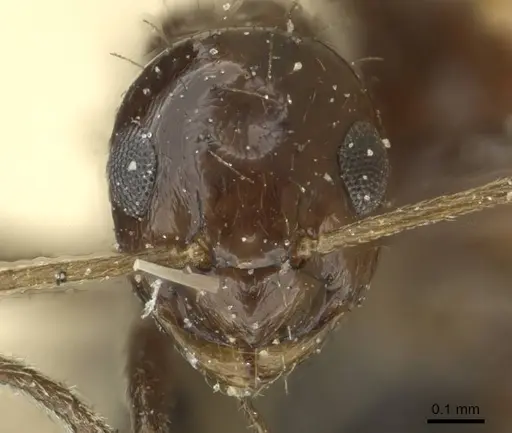
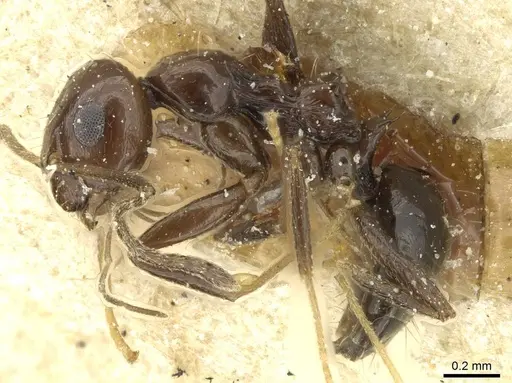
Lepisiota palpalis is a small to medium-sized ant species endemic to the Kongo Central region of the Democratic Republic of Congo . The genus Lepisiota belongs to the Formicinae subfamily and is known for long legs and rapid movement. Workers are slender with dark coloration, though detailed morphological measurements for this specific species are limited in available literature. This tropical African species inhabits warm, humid forest environments in central Africa. The original species description was published by Santschi in 1935.
Quick Summary
- Difficulty: Medium
- Origin & Habitat: Endemic to Kongo Central in the Democratic Republic of Congo, a tropical region in central Africa [1]. In their natural range, they inhabit humid forest environments typical of the Congo basin.
- Colony Type: Colony structure is unconfirmed for this species. Many Lepisiota species form single-queen colonies, but multi-queen colonies have been documented in some related species.
- Size & Growth:
- Queen: Estimated 7-9mm, inferred from typical Lepisiota genus size range
- Worker: Estimated 3-5mm, inferred from typical Lepisiota genus size range
- Colony: Unknown for this specific species. Related Lepisiota species typically reach several hundred to a few thousand workers.
- Growth: Moderate, based on typical Formicinae development patterns
- Development: Estimated 6-10 weeks at optimal tropical temperatures (25-28°C) based on genus-level data for related species (Development time is estimated from typical Formicinae patterns, specific data for this species is unavailable.)
- Antkeeping:
- Temperature: Keep at 24-28°C, mimicking tropical conditions. A slight temperature gradient allows workers to regulate their conditions. This species comes from a warm equatorial region where temperatures remain consistently high year-round.
- Humidity: Maintain moderate to high humidity (60-80%). The Congo basin environment is humid, so keep the nest substrate consistently moist but not waterlogged. Provide a water source.
- Diapause: Unlikely to require true diapause given their tropical origin. However, a slight reduction in temperature during what would be the dry season in their range (roughly December-February) may be beneficial.
- Nesting: In captivity, they adapt well to standard formicarium setups including Y-tong nests or naturalistic setups with soil. They prefer nests with multiple chambers and moderate humidity retention.
- Behavior: Lepisiota palpalis workers are active and fast-moving, characteristic of the genus. They are likely opportunistic foragers that collect both sugary substances and protein sources. As Formicinae, they do not have a stinger but may use formic acid spray as a defense. Their small to medium size means escape prevention should be taken seriously, use tight-fitting lids and appropriate barriers. They are likely diurnal and more active in warmer conditions.
- Common Issues: tropical humidity requirements mean mold can develop if ventilation is poor, fast movement makes them escape artists, ensure all gaps are sealed, limited species-specific data means care is based on genus-level knowledge, wild-caught colonies may carry parasites that are difficult to treat in captivity, overheating is a greater risk than cold stress for this tropical species
Housing and Nest Preferences
Lepisiota palpalis adapts well to various captive setups. Y-tong (AAC) nests work excellently for this species, providing proper humidity control and observation opportunities. Plaster nests and naturalistic soil setups are also suitable alternatives. For the outworld, a simple setup with a foraging area is sufficient, these ants are not particularly large and do not require massive spaces. Ensure the nest area maintains consistent humidity around 60-80%, as their tropical origin demands moist conditions. A water test tube should always be available. Because they are active foragers, provide a foraging space where you can offer food. [1]
Feeding and Diet
Like most Lepisiota species, this ant is likely an opportunistic feeder that accepts both sugary liquids and protein sources. Offer sugar water or honey water as a constant energy source. For protein, provide small insects such as fruit flies, small mealworms, or cricket pieces. Some Lepisiota species also collect honeydew from aphids, so offering sugar water regularly is important. Feed protein sources 2-3 times per week, removing any uneaten prey within 24 hours to prevent mold. Fresh water should always be available.
Temperature and Seasonal Care
As a tropical species from the Democratic Republic of Congo, Lepisiota palpalis requires warm conditions year-round. Maintain temperatures between 24-28°C in the nest area. Room temperature may be sufficient if your home stays in this range, otherwise use a heating cable or mat on one side of the nest to create a gentle gradient. Unlike temperate species, they do not require true hibernation. However, you might consider a slight temperature reduction (by 2-4°C) during what would be the dry season in their native range (roughly December to February), though this is not required. More important than seasonal changes is maintaining consistently warm temperatures without fluctuations. [1]
Behavior and Temperament
Lepisiota palpalis workers are characterized by their speed and activity level, they move quickly when foraging and are generally alert. As Formicinae ants, they do not possess a stinger but can spray formic acid as a defensive mechanism. They are not typically aggressive toward keepers but will defend their colony if threatened. Their small to medium size means they can squeeze through small gaps, so escape prevention is important. Use fluon on test tube rims and ensure any connections between the nest and outworld are secure. These ants are diurnal and will show increased activity during daylight hours under warm conditions.
Frequently Asked Questions
How long does it take for Lepisiota palpalis to produce first workers?
Based on typical Formicinae development, expect first workers (nanitics) to emerge in approximately 6-10 weeks after the queen lays eggs, when kept at optimal temperatures around 25-28°C. This is an estimate since specific development data for this species is not available.
What temperature do Lepisiota palpalis ants need?
Keep them at 24-28°C year-round. This tropical species comes from the warm, humid Congo basin and does not tolerate cool temperatures well. A heating cable on part of the nest can help maintain these temperatures.
Can I keep multiple Lepisiota palpalis queens together?
The colony structure for this specific species is not documented. Many Lepisiota species are single-queen (monogyne), but some can form multi-queen colonies. Until more is known, it is not recommended to introduce unrelated queens to an established colony.
How big do Lepisiota palpalis colonies get?
Colony size is not documented for this specific species. Based on related Lepisiota species, colonies likely reach several hundred to a few thousand workers over several years of growth.
What do Lepisiota palpalis eat?
They are opportunistic feeders that accept both sugary liquids (sugar water, honey water) and protein sources (small insects like fruit flies, mealworms, crickets). Offer protein 2-3 times per week and keep sugar water available at all times.
Are Lepisiota palpalis good for beginners?
This species is rated as Medium difficulty. While they are not overly demanding, their tropical temperature requirements and the lack of species-specific care data make them better suited for antkeepers who already have some experience with tropical species.
Do Lepisiota palpalis need hibernation?
No, they do not require hibernation. As a tropical species from the Democratic Republic of Congo, they need consistently warm temperatures year-round. A slight seasonal temperature reduction during the dry season is optional but not necessary.
Why are my Lepisiota palpalis dying?
Common causes include: temperatures below 24°C (they are tropical and need warmth), low humidity (they need 60-80% moisture), mold from poor ventilation, or parasites from wild-caught colonies. Check your temperature and humidity levels first. If conditions are correct, the colony may have been stressed from collection or transport.
When should I move Lepisiota palpalis to a formicarium?
Wait until the colony has at least 20-30 workers before moving from a test tube setup to a formicarium. This typically takes 6-12 months after founding. Make sure the formicarium can maintain proper humidity before transferring.
Report an Issue
The current care sheet is based fully on literature. See inconsistencies, or something that's incorrect? Please , it will be resolved after review from an admin. Contributing to the blogs tab also helps providing information, to make us be able to further improve the caresheets. Thank you for your support!
References

Ez a tartási útmutató a következő licenc alatt áll: CC BY-SA 4.0 .
Közösségi blogok
RMCAENT000017801
Megtekintés az AntWeb-en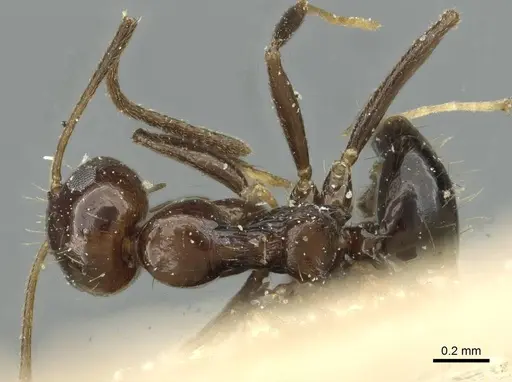
Irodalom
Elterjedési térkép betöltése...Termékek betöltése...