
Lepisiota albata
- Tud. név
- Lepisiota albata
- Nemzetség
- Plagiolepidini
- Alcsalád
- Formicinae
- Szerző
- Santschi, 1935
- Elterjedés
- 0 országban megtalálható
Bevezetés
Lepisiota albata is a small ant species native to the Democratic Republic of Congo, specifically recorded from the Kasai region. The species name 'albata' means white or whitish in Latin. As a member of the genus Lepisiota (subfamily Formicinae), they belong to a group of slender, fast-moving ants found primarily in Africa. This species remains poorly studied - there is limited documented information on its specific behavior, size, or care requirements. What we know about keeping Lepisiota species generally applies to this ant, though individual species can vary in their exact needs.
Quick Summary
- Difficulty: Medium
- Origin & Habitat: Democratic Republic of Congo, Kasai region in central Africa. This is a tropical African habitat with warm temperatures and moderate to high humidity. The species was originally described by Santschi in 1935 [1].
- Colony Type: Colony structure is unconfirmed for this specific species. Most Lepisiota species are monogyne, though polygyny has been observed in some species within the genus.
- Size & Growth:
- Queen: Size data unavailable, no specific measurements exist for this species. Estimates based on genus patterns suggest around 6-8mm.
- Worker: Size data unavailable, no specific measurements exist for this species. Estimates based on genus patterns suggest around 3-5mm.
- Colony: Maximum colony size is unconfirmed for this species.
- Growth: Growth rate is unconfirmed.
- Development: Development time is unconfirmed for this species. (Development likely follows typical Formicinae patterns but specific timelines are unknown.)
- Antkeeping:
- Temperature: Keep at 24-28°C (tropical range). A slight gradient allowing workers to self-regulate is beneficial. Supplemental heating may be needed in cooler climates.
- Humidity: Moderate to high humidity (60-80%). Provide a moist nest substrate but avoid waterlogging.
- Diapause: Diapause requirements are unconfirmed. Given the tropical origin, true hibernation is unlikely, but a slight temperature reduction during winter months may be beneficial.
- Nesting: In captivity, standard formicaria work well. Test tube setups work for founding colonies. Y-tong or plaster nests with moisture reservoirs are suitable for established colonies.
- Behavior: Behavior is unconfirmed for this specific species. Based on typical Lepisiota genus patterns, workers are likely fast-moving and may show moderate aggression when defending the colony. They probably forage for both sugar sources and protein. Escape prevention should be taken seriously, while not among the smallest ants, they are agile.
- Common Issues: tropical species may struggle in cool or dry environments, maintain warmth and humidity, limited data means care is based on genus patterns rather than species-specific research, colonies may grow slowly initially, patience is required during founding phase, wild-caught colonies may carry parasites or diseases that can affect captive success, overheating is a risk, avoid temperatures above 30°C which can stress or kill colonies
Origin and Natural Habitat
Lepisiota albata originates from the Democratic Republic of Congo, specifically recorded from the Kasai region in central Africa. This is a tropical area with warm year-round temperatures and seasonal rainfall patterns. The species was originally described by Santschi in 1935,making it one of the older described African ant species in this genus [1]. In its natural habitat, this ant likely lives in forest edges or savanna areas, typical of many Lepisiota species that prefer open habitats with some vegetation cover. The tropical climate means it experiences warm temperatures year-round with humidity levels that remain relatively high. This species is considered endemic to the DRC.
Temperature and Heating Requirements
As a tropical African species, Lepisiota albata requires warm conditions to thrive. Keep the nest area between 24-28°C for optimal colony health and development. This temperature range supports normal activity, foraging, and brood development. In cooler climates or during winter, you may need to provide supplemental heating through a heating cable or heat mat placed under one side of the nest. This creates a temperature gradient allowing workers to move between warmer and cooler areas as needed. Avoid temperatures above 30°C as this can stress the colony. Room temperature alone may be insufficient if your home is below 24°C, so monitor with a thermometer.
Humidity and Moisture Needs
Lepisiota albata comes from a tropical region with moderate to high humidity. Aim for 60-80% humidity in the nest area. This can be achieved by keeping the nest substrate moist but not waterlogged. For test tube setups, ensure the water reservoir is adequate but not so large that it floods the colony. For formicaria, mist the nest area periodically and maintain moisture in the substrate. A humidity gradient is beneficial, some areas should be slightly damper while others are drier, allowing the ants to self-regulate. Watch for signs of excessive dryness (ants clustering near moisture sources) or excessive dampness (mold growth, ants avoiding damp areas).
Feeding and Diet
Like most Lepisiota species, Lepisiota albata is likely a generalist forager with a varied diet. Offer a combination of sugar sources (honey water, sugar water, or diluted honey) and protein sources. Protein can include small insects such as fruit flies, small crickets, mealworms, or other appropriately sized prey. Feed protein 2-3 times per week, adjusting based on colony size and consumption. Sugar water should always be available in a shallow container that won't drown workers. Remove uneaten prey after 24-48 hours to prevent mold. Young colonies may take smaller prey items. Observe your colony's preferences, some individuals show strong preferences for certain foods.
Colony Development and Growth
Colony development specifics are unconfirmed for Lepisiota albata. Based on typical Formicinae patterns, the queen likely seals herself in a chamber and raises the first brood using stored fat reserves. First workers (nanitics) will be smaller than mature workers. Development time is unknown but likely follows genus patterns. Colony growth is initially slow but accelerates once the first workers emerge and begin foraging. Growth rate depends heavily on consistent feeding, proper temperature, and adequate humidity. Patience is essential during the founding phase.
Nesting Preferences
In captivity, Lepisiota albata can be kept in various nest types. For founding colonies, a simple test tube setup works well, fill with water, plug with cotton, and place the queen in the open end. The queen will likely seal herself into a chamber. For established colonies, Y-tong nests or plaster nests with moisture chambers work well. These ants appreciate some substrate depth for nesting but will also use constructed chambers. Ensure the nest provides darkness and adequate humidity retention. Escape prevention is important, use fluon on rim edges and ensure any connections between outworld and nest are secure.
Frequently Asked Questions
How long does it take for Lepisiota albata to produce first workers?
This is unconfirmed for this specific species. Based on typical Formicinae development, expect first workers in approximately 6-8 weeks at optimal temperatures of 25-28°C. Cooler temperatures will slow development significantly.
What temperature do Lepisiota albata ants need?
Keep them at 24-28°C. This tropical species requires warm conditions year-round. A temperature gradient allowing workers to choose their preferred spot is beneficial. Avoid temperatures above 30°C or below 20°C.
Do Lepisiota albata ants need hibernation?
Diapause requirements are unconfirmed. Due to their tropical origin, true hibernation is unlikely. However, a slight temperature reduction during winter months may simulate their natural seasonal patterns. Monitor colony activity, if they remain active, normal temperatures can be maintained.
How big do Lepisiota albata colonies get?
Maximum colony size is unconfirmed for this species. Based on related species, colonies may reach several hundred workers at maturity.
Can I keep multiple Lepisiota albata queens together?
This is not recommended and has not been documented for this specific species. While some Lepisiota species can be polygynous, combining unrelated queens typically leads to fighting. Start with a single queen for best success.
What do Lepisiota albata ants eat?
They are likely generalist foragers. Offer sugar sources (honey water, sugar water) continuously and protein (small insects like fruit flies, crickets, mealworms) 2-3 times per week. Remove uneaten prey after 24 hours.
Are Lepisiota albata ants good for beginners?
This species is rated as medium difficulty. The limited species-specific care data means you may need to adjust care based on colony behavior. Experience with tropical ants is helpful.
When should I move my colony to a formicarium?
Move to a larger nest setup when the test tube becomes crowded or when the colony reaches 20-30 workers. A formicarium with proper humidity control and chamber space will support further growth.
Why is my Lepisiota albata colony not growing?
Check three main factors: temperature (should be 24-28°C), humidity (60-80%), and feeding (regular protein and constant sugar). Also ensure the queen is still alive and laying eggs. Slow growth can also be natural during the founding phase.
Report an Issue
The current care sheet is based fully on literature. See inconsistencies, or something that's incorrect? Please , it will be resolved after review from an admin. Contributing to the blogs tab also helps providing information, to make us be able to further improve the caresheets. Thank you for your support!
References

Ez a tartási útmutató a következő licenc alatt áll: CC BY-SA 4.0 .
Közösségi blogok
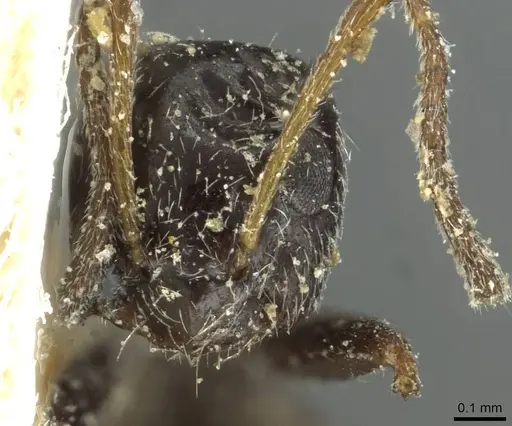
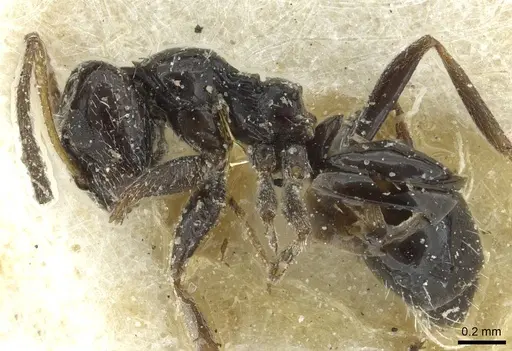
CASENT0912367
Megtekintés az AntWeb-en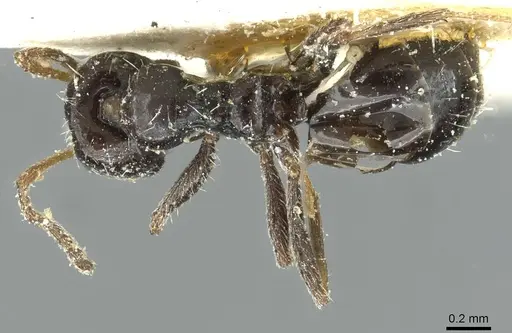
Irodalom
Elterjedési térkép betöltése...Termékek betöltése...