
Lasius vostochni
- Tud. név
- Lasius vostochni
- Nemzetség
- Lasiini
- Alcsalád
- Formicinae
- Szerző
- Seifert, 2020
- Elterjedés
- 0 országban megtalálható
Bevezetés
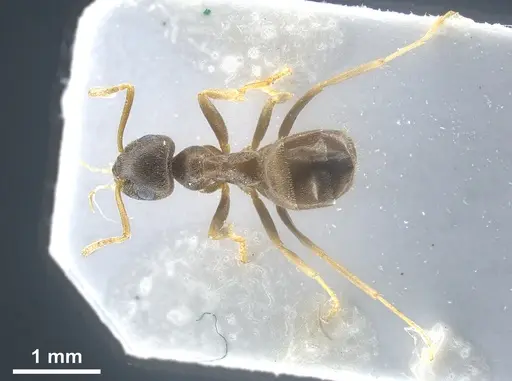
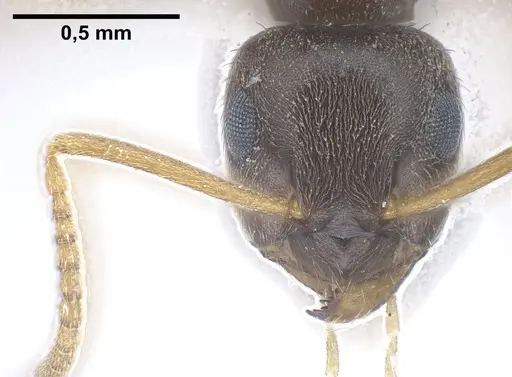
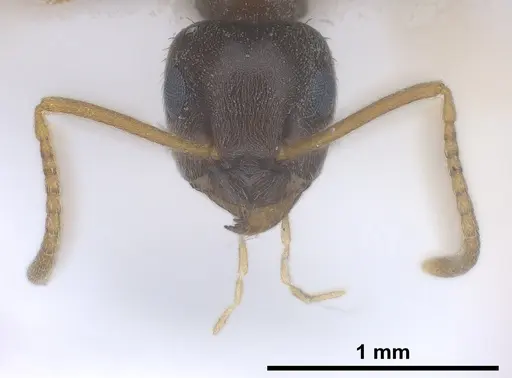
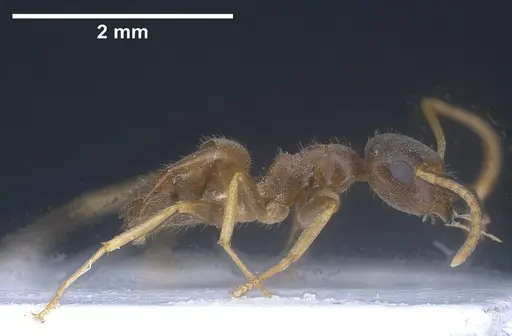
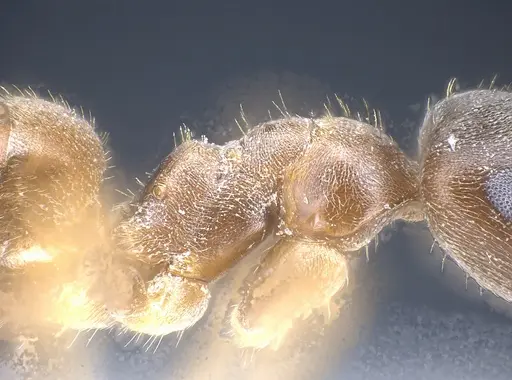
Lasius vostochni is a small dark brown ant recently described in 2020,belonging to the Lasius niger species group. Workers are small (~3-4mm - inferred from Lasius genus), making them one of the smaller Lasius species you'll encounter. They are native to eastern Russia and have also been found in South Korea, where they inhabit high mountain areas. This species was only recently separated from the closely related Lasius niger, so it's still poorly understood in captivity. The key identification features include more setae on the metapleuron (the area below the propodeal spiracle) and fewer setae on the scapes compared to Lasius niger . What makes this species interesting is its preference for cooler, higher-elevation habitats. In South Korea, they've been found trailing across well-lit hiking trails at altitudes of 280-950m, while in Russia they inhabit sandy river terraces and pine steppe forests . This suggests they may prefer temperatures cooler than typical room temperature and likely have different care requirements than common Lasius species.
Quick Summary
- Difficulty: Medium
- Origin & Habitat: Eastern Russia (Sikhote-Alin range, South Baikal region) and South Korea. Found in diverse habitats including sandy river terraces in dense woodland, Pinus steppe forests, and high mountain trails [1][2].
- Colony Type: Likely monogyne (single queen) like other Lasius niger group species, though colony structure has not been specifically documented for this newly described species.
- Size & Growth:
- Queen: ~8-9mm, inferred from Lasius genus patterns
- Worker: ~3-4mm, inferred from Lasius genus [1]
- Colony: Unknown, likely several thousand workers like Lasius niger
- Growth: Unknown, likely moderate like other Lasius species
- Development: Estimated 6-8 weeks at optimal temperature based on genus patterns (Development time inferred from related Lasius species. More data needed for this newly described species.)
- Antkeeping:
- Temperature: Keep cooler than typical room temperature, aim for 15-20°C. This species prefers higher elevations and cooler climates, so avoid warm conditions [2].
- Humidity: Moderate humidity is fine. They nest under stones and in soil, so standard formicarium moisture levels work. Keep substrate slightly moist but not waterlogged.
- Diapause: Yes, likely required. As a northern species from Russia and high-altitude Korea, they almost certainly need a winter rest period. Provide 3-4 months at 5-10°C.
- Nesting: Standard Lasius setup works well. Test tubes, Y-tong nests, or plaster nests are suitable. They accept various nest types as they're not particularly picky.
- Behavior: Workers are small and active, typically foraging in lines along trails. They are not aggressive and lack a functional stinger, making them safe to handle. Their small size means excellent escape prevention is critical, they can squeeze through tiny gaps. They likely accept sugar water and small insects like other Lasius species, though specific dietary preferences are unconfirmed.
- Common Issues: escape prevention is critical due to their small size, use fine mesh and tight-fitting lids, limited availability as a newly described species, may be difficult to acquire, winter dormancy is required but timing and duration may differ from common Lasius species, slow colony growth typical of mountain-dwelling species may frustrate beginners, specific dietary preferences are unconfirmed, may be pickier than Lasius niger
Housing and Nest Preferences
Lasius vostochni will do well in standard Lasius setups. Test tube setups work perfectly for founding colonies, use a water reservoir connected to a cotton ball, keeping the tube about half-filled with water. For established colonies, Y-tong nests or plaster nests provide good visibility and humidity control. The key is ensuring your setup has excellent escape prevention, these ants are small and can squeeze through gaps that seem impossible. Apply Fluon or use fine mesh on all openings.
In the wild, they've been found nesting under stones and in sandy soil, so they adapt to various substrates. A naturalistic setup with soil and a stone on top can work, but for observation purposes, test tubes or acrylic nests are preferable. They don't require elaborate setups, simplicity works best for this species. [1][2]
Feeding and Diet
Like other Lasius species, these ants are likely omnivorous with a preference for sugar sources and small protein prey. Offer sugar water, honey, or diluted maple syrup as a constant energy source. For protein, small insects like fruit flies, pinhead crickets, or mealworm pieces work well. Given their small worker size, prey items should be appropriately small, springtails or very small arthropods may be better accepted than larger prey.
Feed protein 2-3 times per week, removing any uneaten prey after 24 hours. Keep sugar water available at all times, replacing every few days to prevent mold. The South Korean populations have been observed trailing along hiking trails, suggesting they're active foragers that will readily discover food sources. [2]
Temperature and Seasonal Care
This is the most important aspect of keeping Lasius vostochni successfully. Unlike common house ants, this species prefers cooler conditions. Keep the nest area at 15-20°C, significantly cooler than typical room temperature. In South Korea, they're found at higher elevations (280-950m), and in Russia their range extends into northern regions with cold climates.
Avoid heating the nest. If your room temperature runs warm (above 22°C), consider keeping them in a cooler area of your home or use a cooling method. During summer, ensure they're not exposed to heat waves. In winter, provide a proper diapause (hibernation) period of 3-4 months at 5-10°C, this is essential for their health and likely required for reproduction. A refrigerator or cool basement works well for winter storage. [2][1]
Colony Founding
When you obtain a newly mated queen, she'll need a quiet, dark place to establish her colony. Like other Lasius species, she's likely claustral, she'll seal herself in a small chamber and survive on her stored fat reserves while raising her first brood. Provide a test tube setup with water reservoir and place it in a cool, dark location (around 15-18°C is ideal).
The founding process takes several months. The queen will lay eggs, which develop into larvae and then pupae before emerging as workers (nanitics). These first workers will be smaller than mature workers. Don't disturb the queen during this period, excessive vibration or light can cause her to abandon or eat her brood. Once the first workers emerge, you can begin offering small amounts of food.
Behavior and Temperament
Lasius vostochni workers are small, active, and not aggressive. They form characteristic foraging trails, as observed in South Korea where workers were seen trailing across hiking trails. They're diurnal and likely forage during daylight hours, matching their mountain habitat where sunlight reaches the forest floor.
These ants pose no real danger to keepers, they lack a significant stinger and are too small to bite effectively. The main concern is their escape ability. Despite their small size, they're determined foragers and will explore every gap and seam in their enclosure. Excellent escape prevention is non-negotiable. Apply Fluon to all internal rim surfaces, use fine mesh (0.5mm or smaller) for ventilation, and check lids regularly. [2]
Frequently Asked Questions
How long does it take for Lasius vostochni to produce first workers?
Expect 6-8 months from founding to first workers emerging. The queen seals herself in and raises the brood alone, a slow process that takes several months. Be patient, disturbing the colony during founding often causes failure.
Do Lasius vostochni ants need hibernation?
Yes, they almost certainly need a winter dormancy period. As a species from high-altitude Korea and northern Russia, they require 3-4 months at 5-10°C each winter. Skip this and your colony may fail to thrive or produce reproductives.
What temperature is best for Lasius vostochni?
Keep them cool, 15-20°C is ideal. This is significantly cooler than most ant species. Avoid heating and keep them away from warm rooms. If your home runs warm, find a cooler location or consider not keeping this species.
Are Lasius vostochni good for beginners?
Probably not ideal for beginners. They're a newly described species with limited captive data, require cooler temperatures than most ants, need proper hibernation, and their small size makes escape prevention challenging. Start with Lasius niger or Lasius flavus instead.
How big do Lasius vostochni colonies get?
Colony size is not well documented, but based on their relation to Lasius niger, expect colonies of several thousand workers. Growth is likely slow to moderate.
What do Lasius vostochni eat?
Like other Lasius ants, they need sugar water or honey as a constant energy source and small protein prey (fruit flies, tiny crickets, springtails). Their small size means prey should be appropriately small.
Can I keep multiple Lasius vostochni queens together?
Not recommended. Like most Lasius species, they're likely single-queen colonies (monogyne). Combining unrelated queens typically results in fighting. Only keep one queen per colony.
Why are my Lasius vostochni escaping?
Their small size means they can escape through almost any gap. Apply Fluon to all surfaces, use fine mesh (0.5mm or smaller), and check all lids and connections. Even a tiny gap is an escape route for these ants.
Report an Issue
The current care sheet is based fully on literature. See inconsistencies, or something that's incorrect? Please , it will be resolved after review from an admin. Contributing to the blogs tab also helps providing information, to make us be able to further improve the caresheets. Thank you for your support!
References

Ez a tartási útmutató a következő licenc alatt áll: CC BY-SA 4.0 .
Közösségi blogok
ANTWEB1041456
Megtekintés az AntWeb-en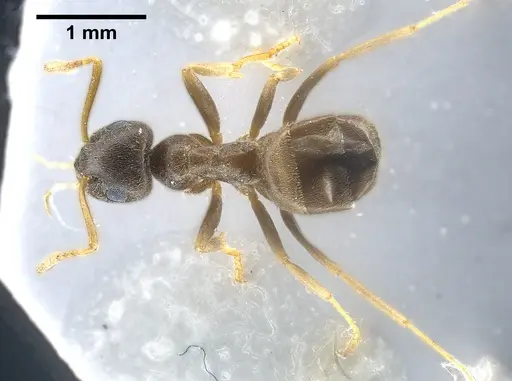
Irodalom
Elterjedési térkép betöltése...Termékek betöltése...