
Lasius excavatus
- Tud. név
- Lasius excavatus
- Nemzetség
- Lasiini
- Alcsalád
- Formicinae
- Szerző
- Seifert, 2020
- Elterjedés
- 0 országban megtalálható
Bevezetés
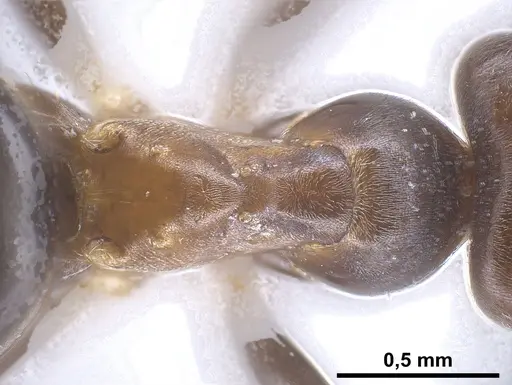
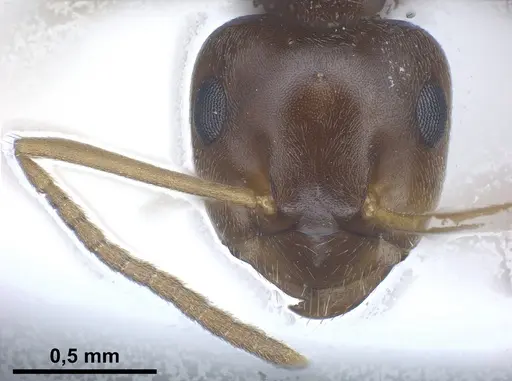
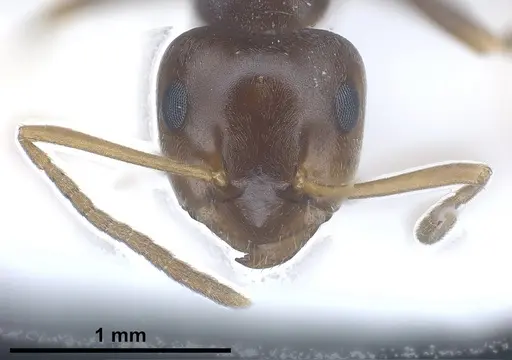
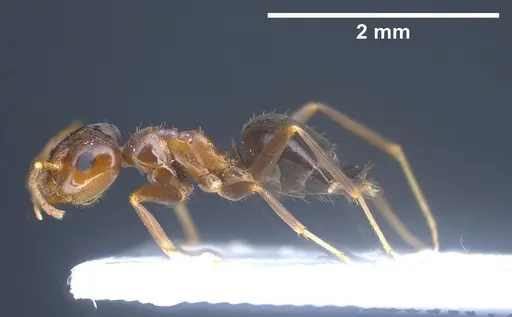
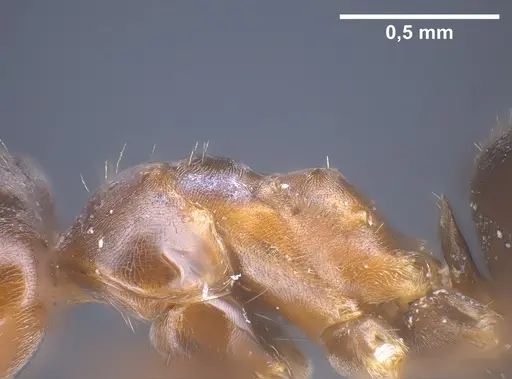
Lasius excavatus is a small ant species belonging to the brunneus species complex within the Lasius niger group. Workers have distinctive features including very smooth pubescence on their scapes and tibiae, a sharp dorsal crest on the petiole, and relatively short body hairs. The species is only known from two high-altitude locations in southern Iran (2200-2500m elevation), making it one of the rarest Lasius species. These ants are arboricolous, meaning they naturally live in trees, found in light oak woodland and the ancient settlement of Maymand. The highland desert environment has harsh conditions with high summer temperatures, extreme aridity, and very cold winters .
Quick Summary
- Difficulty: Unknown, newly described species with extremely limited data
- Origin & Habitat: Southern Iran highland desert at 2200-2500m elevation, found in light Quercus woodland and tree stands in ancient Maymand settlement [1]
- Colony Type: Unconfirmed, likely single-queen colonies based on typical Lasius patterns
- Size & Growth:
- Queen: Estimated 7-9mm, inferred from Lasius genus patterns
- Worker: Approximately 3mm, inferred from Lasius genus [1]
- Colony: Unknown, no published colony data available
- Growth: Unknown
- Development: Estimated 6-10 weeks based on typical Lasius development (Development timeline not directly studied, estimate based on genus patterns)
- Antkeeping:
- Temperature: Keep at 22-26°C with a gentle gradient. Based on Iranian highland origin, they likely tolerate warmer conditions than typical European Lasius but avoid extreme heat.
- Humidity: Prefer drier conditions, mimic arid highland environment. Keep substrate moderately dry with a small moist area. Avoid constant saturation.
- Diapause: Likely requires winter rest period of 2-3 months at 5-10°C based on high-altitude Iranian origin. Unconfirmed.
- Nesting: Arboricolous in nature, likely prefer elevated nest sites. Y-tong nests work well. Provide climbing structures.
- Behavior: Temperament is typical of small Lasius, generally non-aggressive but may be timid. Foraging style is typical of Lasius, likely collecting honeydew and small prey. Escape risk is moderate due to small size, use standard barriers but fine mesh is advisable. Not known to sting.
- Common Issues: newly described species with no captive breeding data, expect a learning curve, extreme rarity makes finding colonies difficult, specific humidity requirements unclear, start dry and adjust based on colony behavior, winter care requirements unconfirmed, monitor for dormancy signals, limited information on acceptable foods, begin with standard Lasius diet
Discovery and Taxonomy
Lasius excavatus was formally described in 2020 by Bernhard Seifert, making it one of the newest recognized ant species in the Palaearctic region. It belongs to the Lasius brunneus species complex within the niger clade of the subgenus Lasius s.str. The species name 'excavatus' refers to the distinctive excavation observed on the posterior margin of the head. This feature, combined with longer scapes, a lower number of mandibular teeth (7), and very smooth body surface texture, distinguishes it from its closest relatives including Lasius brunneus, Lasius silvaticus, and Lasius himalayanus [1]. The species is considered probably endemic to Iran, meaning it is likely found only there.
Natural Habitat and Distribution
This species has an extremely limited distribution known only from two locations in the highland desert of southern Iran. The first locality is near Shar-e-babak in the Maymand area at 2220m elevation, where it was found in a garden setting among trees. The second locality is near Sisakht in the Kharidun area at 2500m elevation, in an oak steppe forest, also found on trees [1]. The climate in these areas is harsh, summers are very hot, winters are extremely cold, and aridity is high throughout the year. The ants are found only in rare spots where trees provide less extreme conditions, specifically in light Quercus woodland and tree stands in the ancient Maymand settlement. Being arboricolous is unusual for Lasius, as most species nest in soil or under stones.
Housing and Nest Preferences
Based on the species' arboricolous nature, captive colonies will likely do best with elevated nest options. Y-tong nests work well for small Lasius species, or you could provide a naturalistic setup with cork or wooden structures that allow the ants to climb. The key is providing a dry to moderately humid environment rather than the damp conditions preferred by many other ants. Because they come from an arid highland climate, avoid overly moist substrates. A small water tube for humidity is sufficient, watch that condensation does not make the nest too wet. Escape prevention should be moderate, while not as tiny as some species, they can still squeeze through small gaps, so standard barriers are advisable.
Feeding and Diet
Like other Lasius species, these ants likely have a mixed diet. They probably tend aphids for honeydew in captivity, which should be your primary sugar source, offer sugar water or honey regularly. For protein, small live prey such as fruit flies, small mealworms, or other tiny insects will likely be accepted. Start with standard Lasius foods and observe what your colony prefers. Given their origin in a harsh environment with limited resources, they may be opportunistic feeders. Avoid large prey items, their workers are small so prey should be appropriately sized.
Temperature and Seasonal Care
Based on their Iranian highland origin, Lasius excavatus likely tolerates a wider temperature range than typical European Lasius. Start around 22-26°C for optimal colony activity and brood development. They probably handle warmer temperatures better than most Lasius due to their hot native habitat. However, avoid placing them in direct heat or temperatures exceeding 30°C. For winter, based on the cold winters at 2500m elevation, they likely need a diapause period. Provide 2-3 months at 5-10°C during winter, mimicking the cold season they experience in their natural habitat. Monitor your colony for signs of slowing activity in autumn as a cue to begin cooling.
Frequently Asked Questions
How long does it take for Lasius excavatus to develop from egg to worker?
The exact development timeline has not been studied for this newly described species. Based on typical Lasius genus patterns, expect approximately 6-10 weeks from egg to first worker at optimal temperatures around 22-26°C. Patience is key with this rare species.
What do Lasius excavatus ants eat?
Like other Lasius species, they likely accept honeydew from aphids, sugar water or honey as sugar sources, and small protein prey such as fruit flies, small mealworms, or other tiny insects. Start with a standard Lasius diet and adjust based on what your colony accepts.
Can I keep multiple Lasius excavatus queens together?
This has not been documented for this species. Most Lasius are single-queen colonies, so it is best to keep one queen per colony. Combining unrelated queens is not recommended without specific evidence they can coexist.
Do Lasius excavatus ants need hibernation?
Based on their origin in the highland desert of Iran at 2200-2500m elevation with very cold winters, they likely require a winter rest period. Provide 2-3 months at 5-10°C during winter months, similar to other Lasius species from temperate regions.
Are Lasius excavatus good for beginners?
This species is not recommended for beginners. It was only described in 2020 and has no established captive breeding protocols. Limited information is available on their specific care requirements, making them a species for experienced antkeepers who can adapt to the unknown factors.
What size colony do Lasius excavatus reach?
Colony size is unknown as this is a newly described species with no published colony data. Growth rate is also unknown but likely moderate.
What temperature should I keep Lasius excavatus at?
Start around 22-26°C. Based on their Iranian highland origin, they likely tolerate warmer conditions than typical European Lasius, but avoid temperatures above 30°C. A temperature gradient allows your ants to choose their preferred zone.
When should I move Lasius excavatus to a formicarium?
Wait until the colony has established with a healthy worker population, typically when you have 20 or more workers. For newly caught colonies, keep them in a test tube setup until founding is complete and the first workers have hardened. Then you can transition to a more elaborate setup if desired.
Why is Lasius excavatus so rare in the antkeeping hobby?
This species was only formally described in 2020 and has an extremely limited natural distribution in southern Iran. It is not known to be kept by many hobbyists, and wild colonies are very difficult to find due to their specific habitat requirements at high elevations [1].
Report an Issue
The current care sheet is based fully on literature. See inconsistencies, or something that's incorrect? Please , it will be resolved after review from an admin. Contributing to the blogs tab also helps providing information, to make us be able to further improve the caresheets. Thank you for your support!
References

Ez a tartási útmutató a következő licenc alatt áll: CC BY-SA 4.0 .
Közösségi blogok
ANTWEB1041440
Megtekintés az AntWeb-en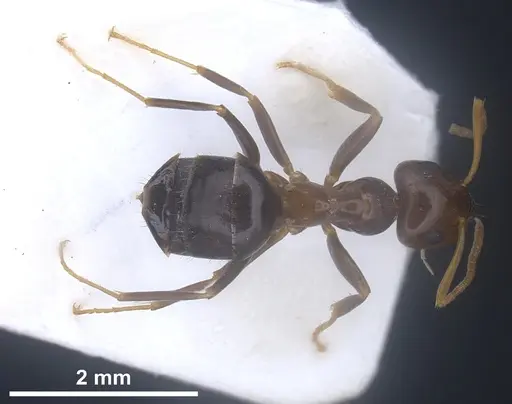
Irodalom
Elterjedési térkép betöltése...Termékek betöltése...