
Hypoponera grandidieri
- Tud. név
- Hypoponera grandidieri
- Nemzetség
- Ponerini
- Alcsalád
- Ponerinae
- Szerző
- Santschi, 1921
- Elterjedés
- 0 országban megtalálható
Bevezetés
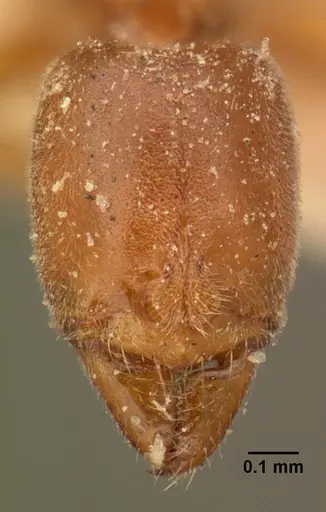
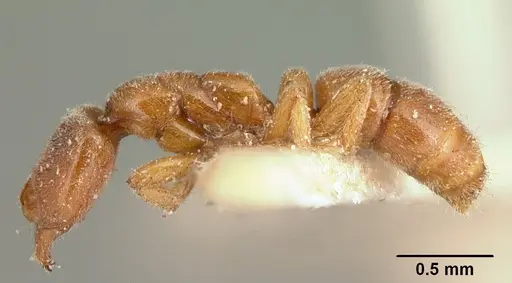
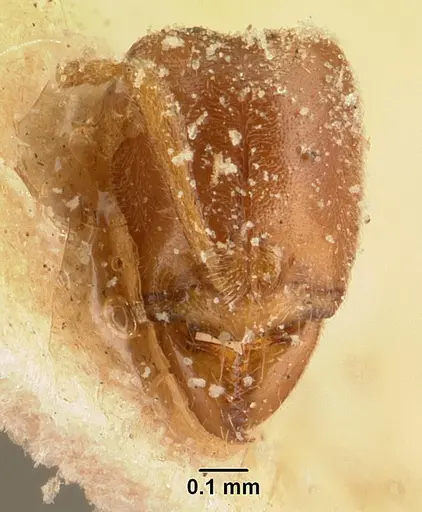
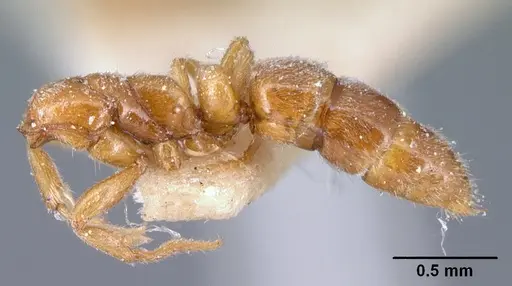
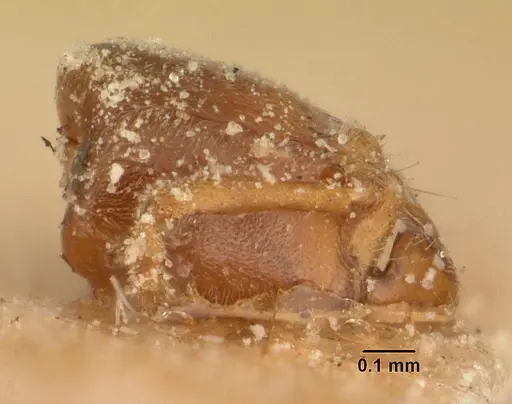
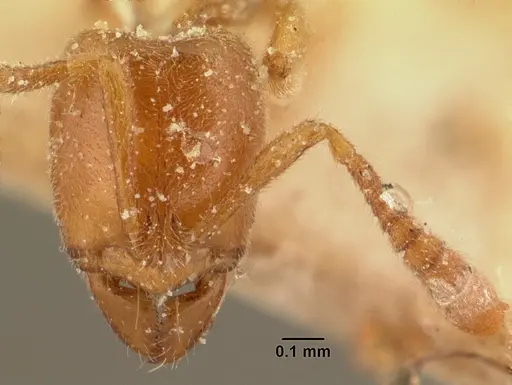
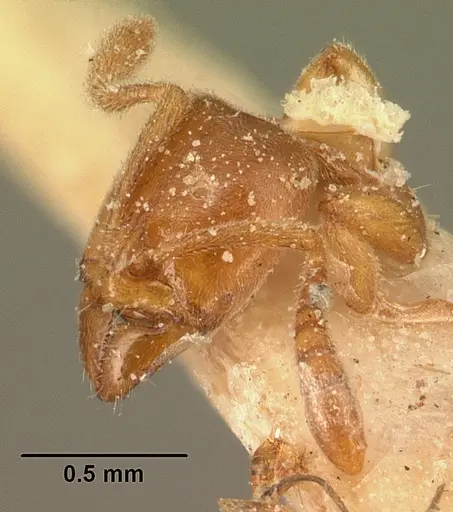
Hypoponera grandidieri is a small, cryptic ant species endemic to Madagascar. Workers are tiny and inconspicuous, with the genus characterized by a distinct constriction between the mesosoma and gaster, a feature that gives them a somewhat 'waisted' appearance. The species was originally described as Ponera grandidieri in 1921 by Santschi before being reclassified into Hypoponera by Bolton in 1995 . This species inhabits the humid forests of Madagascar across a wide elevational range from 400m up to at least 1275m. It is a generalist nester that facultatively uses live plant stems and twigs, though it can also nest in leaf litter and soil. The species shows a strong preference for humid habitats and has been collected primarily in moist forest environments across multiple protected areas including the Réserve Naturelle Intégrale d'Andringitra, Réserve Spéciale d'Anjanaharibe-Sud, and the Masoala Peninsula .
Quick Summary
- Difficulty: Medium
- Origin & Habitat: Endemic to Madagascar, found across the island in humid forest habitats at elevations ranging from 400m to 1275m. Type locality is central Madagascar with additional records from Imerina, Anosibé, Antongil Bay, and Diego Suarez [6].
- Colony Type: Colony structure is unconfirmed.
- Size & Growth:
- Queen: Size data unavailable
- Worker: Size data unavailable, inferred from Hypoponera genus as small ants
- Colony: Small colonies based on typical Hypoponera patterns
- Growth: Moderate, inferred from genus patterns
- Development: Estimated 6-10 weeks based on related Ponerinae species at optimal temperature (Development timeline has not been directly studied for this species.)
- Antkeeping:
- Temperature: Keep at 22-26°C. Madagascar is tropical but elevation range suggests tolerance for slightly cooler conditions. Provide a gentle thermal gradient if possible.
- Humidity: High humidity is essential, these ants inhabit humid forests. Keep nest substrate consistently moist but not waterlogged. Provide a water reservoir for moisture.
- Diapause: Unlikely, being a tropical species from Madagascar, they probably do not require a true hibernation period.
- Nesting: Facultatively nests in twigs and stems in nature. In captivity, a small test tube setup works well for founding colonies. Once established, a small formicarium with narrow chambers scaled to their tiny size is appropriate. Y-tong nests work well. They prefer dark, humid conditions.
- Behavior: Hypoponera grandidieri is a cryptic, ground-dwelling species that forages primarily in leaf litter and soil. Workers are small. This species belongs to the Ponerinae subfamily which has a functional stinger as the primary defense mechanism, while the sting is potent in larger Ponerinae species, these tiny ants pose minimal risk to keepers. Escape prevention is critical due to their very small size, use fine mesh and tight-fitting lids.
- Common Issues: escape prevention is critical due to their very small size, they can squeeze through standard test tube barriers, high humidity requirements can lead to mold if ventilation is poor, slow colony growth may cause keepers to overfeed or disturb the colony too frequently, wild-caught colonies may have parasites that are difficult to detect, limited availability in the antkeeping hobby means established colonies are rare
Natural History and Distribution
Hypoponera grandidieri is endemic to Madagascar, making it a relatively rare find in the antkeeping hobby outside of its native range. The species was originally described in 1921 by Felix Santschi as Hypoponera grandidieri before being reclassified into Hypoponera [1].
This species has been documented across multiple elevational gradients in Madagascar's protected areas. Museum collections have recorded workers at elevations ranging from 400m in the Réserve Spéciale de Manongarivo up to 1275m in the Réserve Naturelle Intégrale d'Andringitra [2][5]. Additional collection records exist from the Masoala Peninsula at 600-1080m elevation [4] and Réserve Spéciale d'Anjanaharibe-Sud at 875m [4]. This wide elevational range suggests some flexibility in temperature tolerance, though all collection sites share one common trait: high humidity.
The species is ecologically classified as both arboreal and terricolous, meaning it can nest both in above-ground locations like twigs and stems and in ground-level leaf litter and soil [7]. This flexibility in nesting location is reflected in its association with various plants in the Madagascan forest understory.
Housing and Nest Setup
For Hypoponera grandidieri, a small test tube setup works well for founding colonies. These tiny ants need chambers and passages scaled to their size, avoid large, open spaces. A test tube with a small cotton plug for water storage provides the humidity they need while allowing you to monitor their progress.
Once the colony establishes and reaches 20-30 workers, you can consider moving them to a small formicarium. Y-tong nests with narrow chambers work well for small Ponerinae species. Alternatively, a small naturalistic setup with moist soil and leaf litter can mimic their natural environment. Just ensure escape prevention is excellent, these ants are tiny and can slip through standard barriers.
Keep the nest in a dark location or provide a dark background cover. Hypoponera species prefer dim conditions and will be more active when the nest area is shaded. A humidity chamber or outworld with moist substrate helps maintain the high moisture levels they require. [1]
Feeding and Diet
Hypoponera grandidieri is a predatory species that feeds on small invertebrates in nature. Based on typical genus feeding patterns, their diet consists of tiny arthropods including springtails, small mites, and other micro-prey found in leaf litter.
In captivity, offer small live prey items such as flightless fruit fly larvae, small mealworms, and most importantly, springtails. Springtails are an ideal staple as they match the tiny size of these ants and are readily accepted. Offer protein prey 2-3 times per week, removing any uneaten prey within 24 hours to prevent mold.
Sugar sources are unlikely to be accepted, Hypoponera are predatory Ponerinae and not typically sugar-feeding ants. Do not rely on honey or sugar water. [1]
Temperature and Humidity Requirements
Maintain temperatures between 22-26°C for optimal colony health. This range reflects the species' occurrence in Madagascar's humid forests at various elevations. The wide elevational range (400-1275m) suggests they can tolerate slightly cooler conditions, but aim for the middle of this range for best colony development.
Humidity is critical for this species. Keep the nest substrate consistently moist, these ants come from humid forest environments and will struggle in dry conditions. A test tube setup with a water reservoir provides a self-maintaining humidity chamber. For formicarium setups, check substrate moisture regularly and rehydrate before the substrate fully dries.
Avoid placing the nest in direct sunlight or near heat sources that could dry out the environment. Room temperature in most homes (20-24°C) may be acceptable, but monitor colony activity. If workers appear sluggish, slightly increase temperature. [2][4]
Colony Development and Growth
Hypoponera grandidieri colonies likely start with a single queen who seals herself in and raises the first brood alone, as is typical for many small ant species. The founding process probably takes 4-8 weeks before the first workers (nanitics) emerge, though this timeline is estimated based on related species.
Colony growth is likely moderate rather than fast. Expect the first batch of workers to be smaller than mature workers (nanitics). The colony will grow gradually over months.
Maximum colony size is not documented but these are not large colony-forming ants. Patience is key, do not overfeed or disturb the colony in an attempt to speed growth. [1]
Frequently Asked Questions
How long does it take for Hypoponera grandidieri to produce first workers?
The timeline is estimated at 6-10 weeks from egg to first worker based on related Ponerinae species. Exact development time has not been documented for this specific species. The queen will remain sealed in her chamber until the first nanitic workers emerge.
What do Hypoponera grandidieri ants eat?
They are predatory ants that need small live prey. Offer springtails, tiny fruit flies, and small mealworms as primary food. Remove uneaten prey within 24 hours. Sugar sources are unlikely to be accepted, they are not sugar-feeding ants.
Do Hypoponera grandidieri ants sting?
This species belongs to the Ponerinae subfamily which has a functional stinger as the primary defense mechanism. However, given their very small size, the sting is minimal and poses little risk to keepers.
What temperature do Hypoponera grandidieri need?
Keep them at 22-26°C. The wide elevational range in their natural habitat suggests some tolerance for variation, but consistent warmth within this range supports best colony development.
How big do Hypoponera grandidieri colonies get?
Colony size is not well documented but these are small, cryptic ants that do not form large colonies.
Do Hypoponera grandidieri need hibernation?
No, being a tropical species from Madagascar, they do not require a true hibernation period.
Can I keep multiple queens together?
This has not been documented for this species. Based on typical Hypoponera patterns, single-queen colonies are likely. Combining unrelated queens is not recommended without evidence they can coexist.
Are Hypoponera grandidieri good for beginners?
They are rated as medium difficulty. Their high humidity requirements and small size make them slightly more challenging than common species. They are best suited for keepers who have kept at least one other species successfully.
When should I move Hypoponera grandidieri to a formicarium?
Keep them in a test tube setup for the founding stage. Once the colony reaches 20-30 workers and the test tube becomes crowded, you can move them to a small formicarium with appropriately sized chambers.
Why are my Hypoponera grandidieri escaping?
Their very small size means they can escape through standard barriers. Use fine mesh, tight-fitting lids, and apply fluon or other barrier gels to prevent escapes. Check all connections and gaps regularly.
Report an Issue
The current care sheet is based fully on literature. See inconsistencies, or something that's incorrect? Please , it will be resolved after review from an admin. Contributing to the blogs tab also helps providing information, to make us be able to further improve the caresheets. Thank you for your support!
References

Ez a tartási útmutató a következő licenc alatt áll: CC BY-SA 4.0 .
Közösségi blogok
CASENT0101156
Megtekintés az AntWeb-en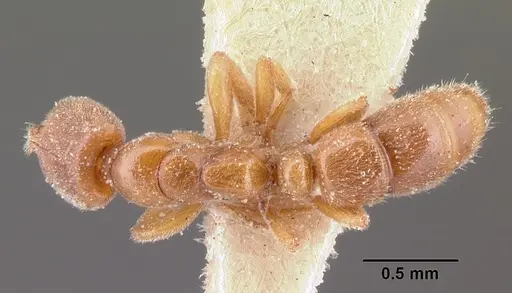
CASENT0101157
Megtekintés az AntWeb-en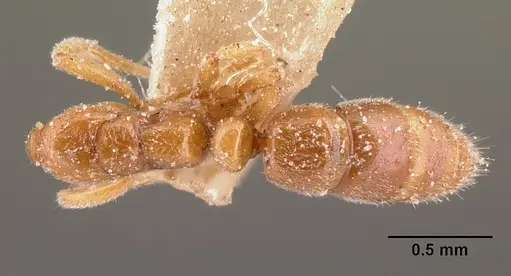
CASENT0101158
Megtekintés az AntWeb-en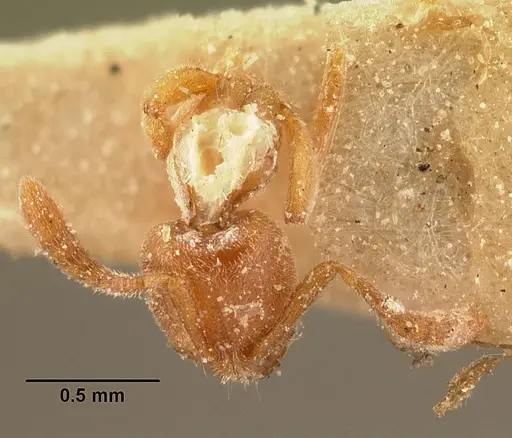
Irodalom
Elterjedési térkép betöltése...Termékek betöltése...