
Eurhopalothrix platisquama
- Tud. név
- Eurhopalothrix platisquama
- Nemzetség
- Attini
- Alcsalád
- Myrmicinae
- Szerző
- Taylor, 1990
- Elterjedés
- 0 országban megtalálható
Bevezetés
Eurhopalothrix platisquama is an extremely tiny myrmicine ant from the rainforests of Peninsular Malaysia and Sumatra. Workers measure approximately 1.5mm in total length, making them among the smallest ants in the world. They are instantly recognizable by their distinctive appearance: a dark reddish-brown to blackish body covered almost entirely by dense, flattened, silvery-white hairs that give them a scaly or feathery look. The most identifying feature is a cluster of four thick standing setae on the back of the head, with just one pair of setae on the postpetiole. These ants belong to the tribe Attini and live deep in the leaf litter of tropical rainforests, where they are collected by sifting through forest floor debris rather than by observing visible foragers. Their tiny size, cryptic lifestyle, and specialized hairs make them a challenging but fascinating species for experienced antkeepers seeking something truly unique.
Quick Summary
- Difficulty: Expert
- Origin & Habitat: Peninsular Malaysia and Sumatra, Indonesia. Found in upper dipterocarp rainforest at elevations around 1000m, living in leaf litter and soil of the forest floor [1][2].
- Colony Type: Colony structure is unconfirmed. Workers and dealate queens have been collected together, suggesting established colonies exist. No documented queen number for this specific species.
- Size & Growth:
- Queen: Approximately 1.8mm total length, inferred from related Eurhopalothrix species [2]
- Worker: Approximately 1.5mm total length, inferred from Eurhopalothrix genus
- Colony: Unknown, likely small colonies based on related species and tiny worker size
- Growth: Unknown, likely slow given small colony sizes typical of this genus
- Development: Unconfirmed, no direct development data exists for this species. (Development timeline is unknown for this species.)
- Antkeeping:
- Temperature: Keep at 24-28°C. These are tropical rainforest ants requiring warm, stable conditions. Use a heating cable on one side of the nest to create a gentle gradient, but avoid overheating.
- Humidity: Keep very high, these ants live in rainforest leaf litter where humidity is constantly high. The nest substrate should remain consistently moist but never waterlogged. Mist regularly and ensure good ventilation to prevent mold while maintaining humidity.
- Diapause: No, as a tropical species from consistent climates, they do not require hibernation. Maintain year-round warm conditions.
- Nesting: Use a naturalistic setup with deep leaf litter material or a well-humidified plaster nest. They are leaf-litter dwellers so they prefer tight, humid chambers scaled to their tiny size. A Y-tong nest with very small chambers or a plaster nest with fine passages works well. The key is maintaining high humidity while allowing some ventilation.
- Behavior: These ants are extremely cryptic and rarely seen above the leaf litter surface. Workers forager in the soil and leaf-litter layer, likely as predators or scavengers on micro-arthropods. Their tiny size means they can easily escape through the smallest gaps, escape prevention must be excellent. They are not aggressive and likely rely on camouflage rather than defense. Their eyes are relatively large for such small ants with about 18 ommatidia, which is unusual for leaf-litter dwelling ants and suggests they may rely more on vision than expected. Because they are so small and cryptic, observing them requires patience and careful setup.
- Common Issues: escape prevention is critical, their tiny size means they can squeeze through gaps that larger ants cannot, slow growth and small colony sizes mean progress is hard to observe, which can frustrate beginners, high humidity requirements can lead to mold problems if ventilation is inadequate, they are nearly impossible to find in the antkeeping hobby, wild collection is the only option, their micro-prey requirements make feeding challenging, standard ant foods may be too large
Housing and Nest Setup
Housing Eurhopalothrix platisquama presents unique challenges due to their minute size and leaf-litter lifestyle. These ants require a naturalistic or semi-naturalistic setup that mimics the humid forest floor environment they naturally inhabit. A deep substrate setup with multiple layers of moist leaf litter, soil, and small hiding structures works well. Alternatively, a small-chambered plaster nest can work if humidity is carefully maintained. The key is providing tight, humid spaces scaled to their tiny body size, avoid large open areas that would make them feel exposed. Use a water reservoir connected to the nest to maintain constant humidity without over-wetting. Because they are so small, even standard test tube setups require modification with very small water chambers. Escape prevention is absolutely critical, use fine mesh barriers and ensure all connections are sealed tightly. [1][2]
Feeding and Nutrition
Feeding these tiny ants requires thinking small. In the wild, they likely prey on or scavenge micro-arthropods living in leaf litter, springtails, tiny mites, and other soil microfauna. In captivity, offer small live prey such as freshly hatched pinhead crickets cut into tiny pieces, small mealworms, or most importantly, live springtails and isopods. They will likely accept sugar sources occasionally, but protein from small live prey should be the primary food. Because of their tiny size, even standard ant feeders are too large, prey items should be no larger than their own body size. Feed small amounts every few days and remove any uneaten prey to prevent mold in the humid setup. The key is offering a variety of tiny live foods and observing what they accept. [2]
Temperature and Humidity Management
As tropical rainforest ants from Malaysia and Sumatra, Eurhopalothrix platisquama requires warm and consistently humid conditions. Maintain temperatures in the 24-28°C range, which is typical room temperature in many homes but may need verification with a thermometer. A heating cable placed on one side of the nest can create a gentle gradient if your room runs cool. Humidity is the more critical factor, aim for 80-90% relative humidity in the nest area. This is achieved by keeping the substrate consistently moist (but not waterlogged) and using a water reservoir. However, you must balance this with adequate ventilation to prevent mold growth, which can quickly kill colonies in enclosed setups. Use a hygrometer to monitor conditions and adjust misting frequency based on substrate moisture levels rather than a fixed schedule. [1][2]
Finding and Acquiring This Species
Eurhopalothrix platisquama is one of the rarest ants in the antkeeping hobby and is essentially never available from commercial breeders. The only way to acquire this species is through field collection in its native range (Peninsular Malaysia or Sumatra, Indonesia), which requires permits and specialized knowledge of leaf-litter extraction methods. Specimens are typically collected using Berlese funnel or Winkler bag extractions from rainforest leaf litter, these are specialized sifting techniques that separate tiny arthropods from forest debris. If you do collect them, transport them in moist leaf litter material and set up the colony quickly in a pre-prepared humid enclosure. This species is truly for expert antkeepers and researchers who have the means and knowledge to collect from the wild. [1][2]
Understanding Their Unique Appearance
The most striking feature of Eurhopalothrix platisquama is their dense covering of specialized hairs. Unlike most ants that have simple standing hairs, these ants have flattened, appressed, squamous (scale-like) hairs that cover almost their entire body and give them a distinctive silvery or feathery appearance under magnification. These hairs are not just decorative, they likely help with camouflage and possibly with moisture regulation in the humid leaf-litter environment. The four thick standing setae on the back of the head are the key identification feature that separates this species from related Eurhopalothrix. Their eyes are relatively large for such small ants with about 18 ommatidia in workers, which is unusual for leaf-litter dwelling ants and suggests they may rely more on vision than expected for such tiny species. [1][2]
Frequently Asked Questions
How long does it take for Eurhopalothrix platisquama to develop from egg to worker?
The exact development timeline is unconfirmed for this species. No direct development data exists.
Can I keep Eurhopalothrix platisquama in a test tube setup?
Standard test tubes can work but require modification. The key is maintaining high humidity while preventing flooding. Use a very small water reservoir and ensure the cotton is packed tightly. However, their tiny size and leaf-litter lifestyle suggest a naturalistic setup with moist substrate may be more appropriate.
What do Eurhopalothrix platisquama eat?
They likely eat micro-arthropods in the wild. In captivity, offer small live prey like springtails, tiny mites, and small pieces of insects. They may occasionally accept sugar sources but protein should be the primary food. Everything must be tiny, smaller than their body size.
Are Eurhopalothrix platisquama good for beginners?
No. This species is rated Expert difficulty due to their extremely small size, specific humidity requirements, micro-prey feeding needs, and near-unavailability. They are among the most challenging ants to keep and are only suitable for experienced antkeepers with specialized setups.
How big do Eurhopalothrix platisquama colonies get?
Colony size is unknown but likely small, probably under 100 workers at maturity based on related species and their tiny worker size. They are not large colony builders.
Do Eurhopalothrix platisquama need hibernation?
No. As tropical rainforest ants from Malaysia and Sumatra, they do not require hibernation. Maintain year-round warm and humid conditions.
Why are Eurhopalothrix platisquama so hard to find?
They are among the rarest ants in the hobby because they are only found in specific rainforest habitats in Malaysia and Sumatra, collected through specialized leaf-litter extraction methods. They are not available from any commercial sources.
What makes Eurhopalothrix platisquama different from other ants?
Their most distinctive feature is the dense covering of flattened, silvery scale-like hairs that give them a unique appearance under magnification. They also have an extremely small size, four thick standing setae on the back of the head, and live exclusively in rainforest leaf litter.
Can I keep multiple queens together?
This has not been documented. The colony structure is unconfirmed for this species. Given the lack of data, combining unrelated queens is not recommended.
Report an Issue
The current care sheet is based fully on literature. See inconsistencies, or something that's incorrect? Please , it will be resolved after review from an admin. Contributing to the blogs tab also helps providing information, to make us be able to further improve the caresheets. Thank you for your support!
References

Ez a tartási útmutató a következő licenc alatt áll: CC BY-SA 4.0 .
Közösségi blogok
CASENT0900939
Megtekintés az AntWeb-en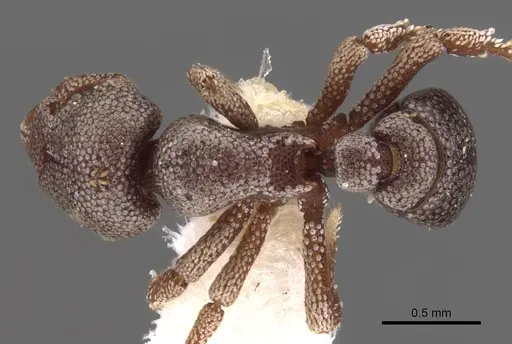
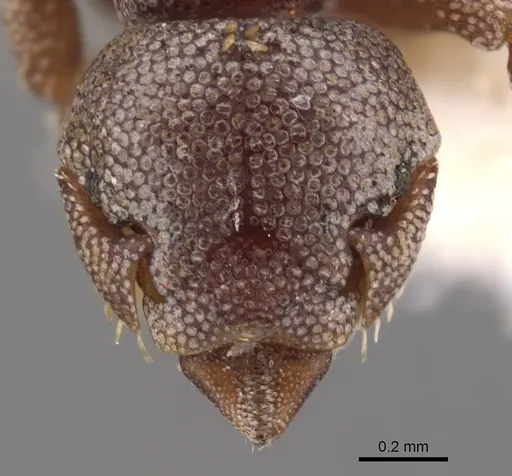
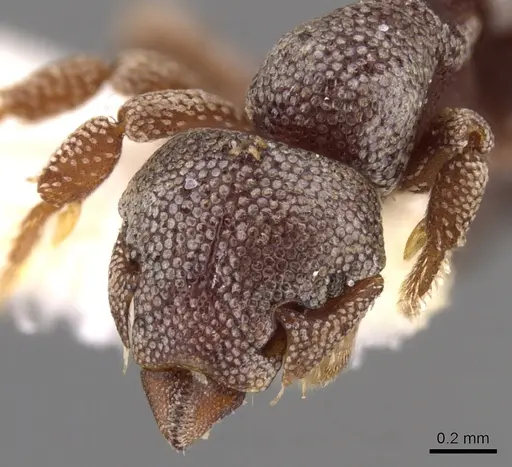
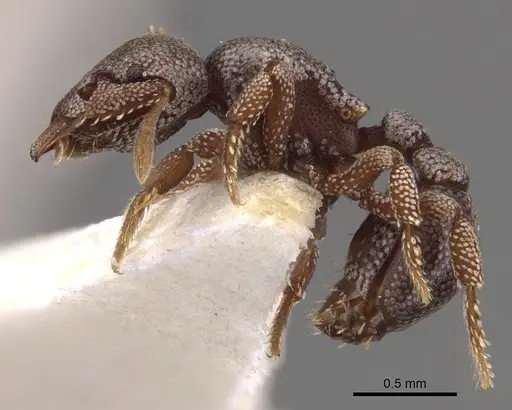
Irodalom
Elterjedési térkép betöltése...Termékek betöltése...