
Eciton jansoni
- Tud. név
- Eciton jansoni
- Alcsalád
- Dorylinae
- Szerző
- Forel, 1912
- Elterjedés
- 0 országban megtalálható
Bevezetés
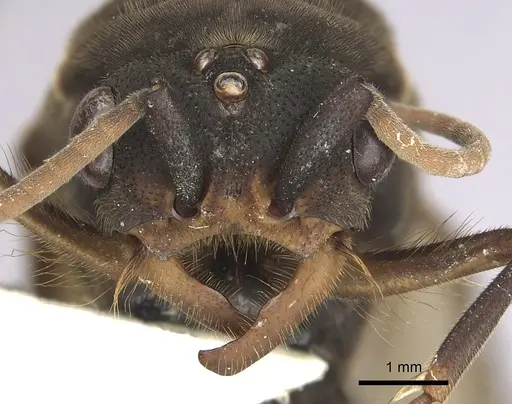
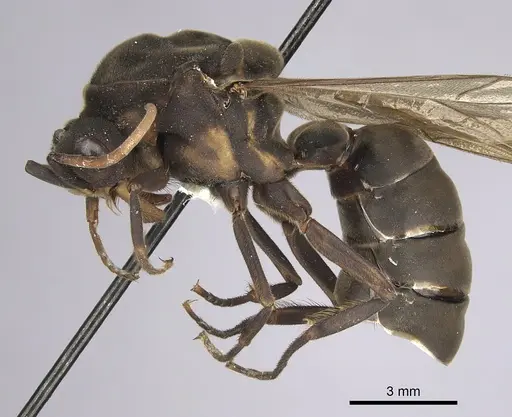
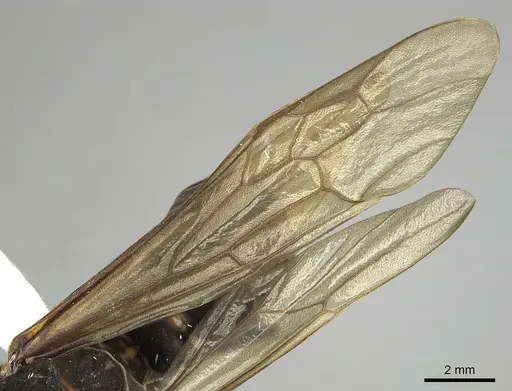
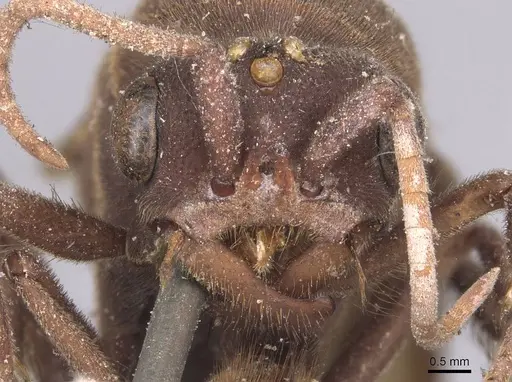
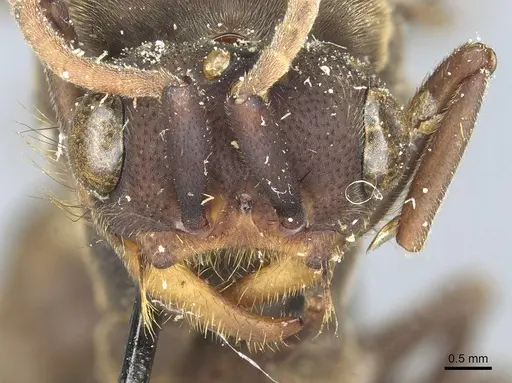
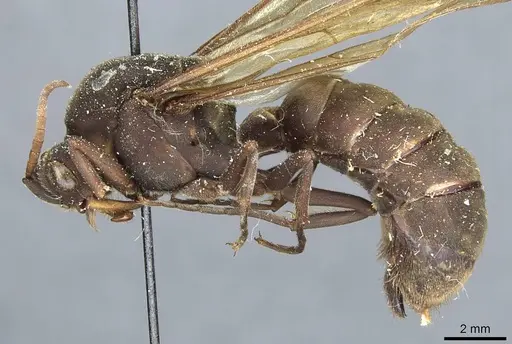
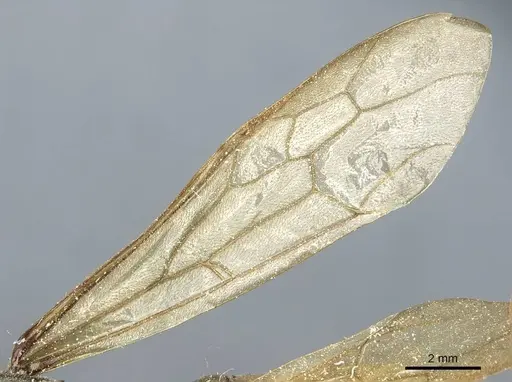
Eciton jansoni is a Neotropical army ant species found across Central America into northern South America. Only the male caste has been formally described in scientific literature - workers and queens remain undescribed. This species is known from Nicaragua, Costa Rica, Panama, Colombia (Chocó and Risaralda departments), and Ecuador . In Colombia, they have been recorded at elevations up to 1,775m in La Estrella . As with all Eciton army ants, they are predatory and form temporary colonies called bivouacs, though specific behavioral data for this species is unavailable in current literature.
Quick Summary
- Difficulty: Expert
- Origin & Habitat: Tropical rainforests of Central America (Nicaragua, Costa Rica, Panama) and northern South America (Colombia, Ecuador). In Colombia, found in Chocó and Risaralda departments at elevations up to 1,775m [3][2][1].
- Colony Type: Colony structure is unconfirmed for this species. Based on typical Eciton patterns, likely monogyne (single queen) with large worker populations, but this requires verification.
- Size & Growth:
- Queen: size data unavailable, inferred from Eciton genus (~12-15mm)
- Worker: size data unavailable, no worker measurements exist in scientific literature
- Colony: colony size data unavailable, typical Eciton colonies reach tens of thousands of workers, but specific data for this species is lacking
- Growth: growth rate data unavailable
- Development: development timeline unconfirmed for this species (Based on Eciton genus patterns, development is typically rapid (several weeks), but specific data is unavailable)
- Antkeeping:
- Temperature: temperature requirements unconfirmed, likely 24-28°C based on tropical habitat (inferred from Eciton genus)
- Humidity: humidity requirements unconfirmed, likely high humidity based on rainforest habitat (inferred from Eciton genus)
- Diapause: No, tropical species likely year-round active (inferred from geographic range)
- Nesting: Army ants form temporary bivouacs rather than permanent nests. In captivity, they need a large foraging area with an enclosed dark chamber for the bivouac. Specific setup requirements are unconfirmed for this species.
- Behavior: Behavior is unconfirmed for this specific species. Based on Eciton genus patterns, they are likely aggressive predators that conduct mass raids, with workers capable of stinging. However, no species-specific behavioral observations exist in available literature. They should be treated as potentially dangerous predators.
- Common Issues: lack of available scientific data makes proper care difficult to define, cannot be started from a queen, founding behavior is unconfirmed but likely requires worker assistance like other Eciton species, temperature drops cause rapid mortality, need constant warmth, escape prevention is critical, they are excellent climbers, massive protein requirements for established colonies, colony collapse from improper feeding, need live prey in large quantities, stress from excessive disturbance, sensitive to vibrations and light, difficulty obtaining, must acquire established colony as queen cannot found alone
Understanding the Data Limitations
Eciton jansoni is one of the least-studied army ant species. Scientific literature only describes the male caste, workers and queens have never been formally described [1][4]. This means most care information must be inferred from general Eciton genus patterns, not from species-specific data. The distribution data comes from museum specimens and regional ant surveys, not from dedicated ecological studies of this species [3][2][1]. This is not a species where you can find detailed care guides, much of what we know about keeping Eciton ants comes from related species like Eciton burchellii or Eciton hamatum. You are essentially pioneering the husbandry of this species.
Distribution and Habitat
Eciton jansoni is known from Nicaragua, Costa Rica, Panama, Colombia (specifically Chocó and Risaralda departments), and Ecuador [1][2]. In Colombia, they have been recorded at elevations up to 1,775m in La Estrella, Antioquia department [3]. The Chocó region is one of the most biodiverse areas in the world, characterized by tropical rainforest with high humidity. This suggests the species prefers humid, tropical environments, though specific habitat preferences are not documented in available literature.
Housing and Setup
Since specific requirements are unconfirmed, you must infer from typical Eciton needs. They require a large foraging area (multiple square feet minimum), a dark enclosed chamber for their bivouac, and escape-proof construction with fine mesh barriers. Temperature should be maintained in the low-to-mid 20s°C range, never let it drop significantly. Humidity should be high (70-85%) with regular misting. The setup should allow for colony movement since army ants relocate their bivouac periodically. Use heating cables or mats to maintain temperature. Provide a water source that cannot be contaminated with colony members. This species is not a 'set and forget' ant, expect to monitor and adjust conditions regularly.
Feeding and Nutrition
Based on Eciton genus patterns, this species is an obligate predator that requires live prey in massive quantities. They do not eat seeds, nectar, or honeydew. In the wild, they raid other ant colonies and any insects they encounter. In captivity, provide a constant supply of live insects: crickets, roaches, mealworms, and other feeder insects. Expect to feed hundreds of insects per week to a mature colony. Prey should be killed or incapacitated before adding, live prey can harm the colony if it fights back. Remove uneaten prey promptly to prevent mold. Water should always be available. Do not attempt to keep this species unless you can commit to regular, substantial feedings.
Colony Acquisition
Based on Eciton genus patterns, founding likely requires worker assistance, the queen cannot establish a colony alone. You must likely acquire an established colony with workers and a queen. This makes them one of the most difficult species to obtain. Wild colonies should never be collected, they are protected in many areas and removing them disrupts natural ecosystems. If you find a colony in the wild, observe and document rather than collect. Reputable breeders occasionally offer colonies, but they are rare and expensive. Be very cautious of sellers offering 'queen-right' colonies of army ant species.
Behavior and Observation
Based on Eciton genus patterns, watching a raid is one of the most dramatic experiences in ant keeping. Workers move in dense columns, overwhelming any prey they encounter. They communicate through chemical trails, you'll see pheromone-marked paths leading to prey. The colony is likely photophobic and will retreat from light, so observation requires careful, indirect lighting or red light. They likely have a potent sting, avoid handling and keep your hands away from the foraging area. The colony will relocate its bivouac periodically, this is normal behavior, not an escape attempt. Do not disturb the bivouac site excessively or the colony may become stressed.
Legal and Ethical Considerations
Before acquiring Eciton jansoni, check your local regulations. In many countries, keeping native army ant species requires permits. They are protected in parts of their range and international trade may be regulated under CITES. Never release any ant colony into the wild, they are predators that can devastate local ecosystems. If you can no longer keep the colony, contact a zoo or educational institution. Responsible ant keeping means never releasing captive colonies.
Frequently Asked Questions
Can I keep Eciton jansoni in a test tube?
No. Test tubes are completely inadequate for army ants. They need a large foraging area (multiple square feet), a proper nest chamber for their bivouac, and space to conduct raids. A test tube colony will die within days.
How long does it take for first workers to appear?
Development timeline is unconfirmed for this species. Based on Eciton genus patterns, development is rapid (several weeks from egg to worker at tropical temperatures), but specific data is unavailable. You cannot start a colony from a queen alone, so this question only applies if you acquire an established colony.
Can I keep multiple queens together?
Colony type is unconfirmed for this species. Based on Eciton genus patterns, they are typically monogyne (single queen). Multiple queens would likely fight. Even if you could keep them together, army ant colonies do not merge like some ant species.
Are Eciton jansoni good for beginners?
Absolutely not. This is an expert-only species with virtually no species-specific care data available. You are essentially pioneering husbandry with inferred information from related species. They require specialized setups, constant warm temperatures, massive amounts of live prey, and extensive experience with aggressive ant species. Do not start with army ants.
Do they need hibernation?
No. As a tropical species from Central and South America, they likely need year-round warm temperatures. There is no diapause or winter rest period expected based on their geographic range.
Why are my army ants dying?
Common causes include: temperature too low (must stay warm), insufficient prey (they need hundreds of insects weekly), too much disturbance, poor humidity, or escape leading to colony fragmentation. Since species-specific data is unavailable, review all care parameters and adjust accordingly. Start with temperature in the low-to-mid 20s°C and high humidity.
What do I feed Eciton jansoni?
Based on Eciton genus patterns, live insects only. Crickets, roaches, mealworms, waxworms, and other feeder insects are appropriate. Prey should be killed or incapacitated before feeding. They need constant protein, expect to feed hundreds of insects per week to a mature colony.
When should I move them to a formicarium?
You should never move them to a formicarium in the traditional sense. They need a custom setup with a large foraging area from the start. A standard formicarium is far too small. Design a setup around their need for a bivouac chamber and extensive foraging space.
How big do Eciton jansoni colonies get?
Colony size data is unavailable for this specific species. Based on typical Eciton patterns, mature colonies can reach tens of thousands of workers. This would require correspondingly large amounts of food and space.
How do I start an Eciton jansoni colony?
Founding behavior is unconfirmed for this species. Based on Eciton genus patterns, you likely cannot start from a queen alone and must acquire an established colony from a reputable breeder. Wild collection is not recommended and may be illegal. Be prepared for high costs and limited availability.
Report an Issue
The current care sheet is based fully on literature. See inconsistencies, or something that's incorrect? Please , it will be resolved after review from an admin. Contributing to the blogs tab also helps providing information, to make us be able to further improve the caresheets. Thank you for your support!
References

Ez a tartási útmutató a következő licenc alatt áll: CC BY-SA 4.0 .
Közösségi blogok
CASENT0249458
Megtekintés az AntWeb-en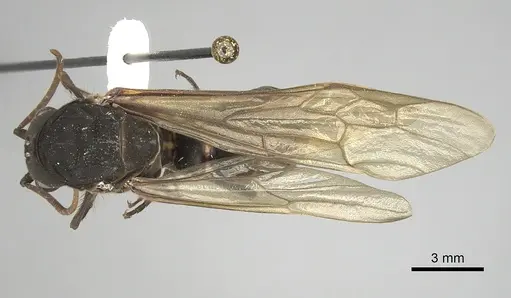
CASENT0905941
Megtekintés az AntWeb-en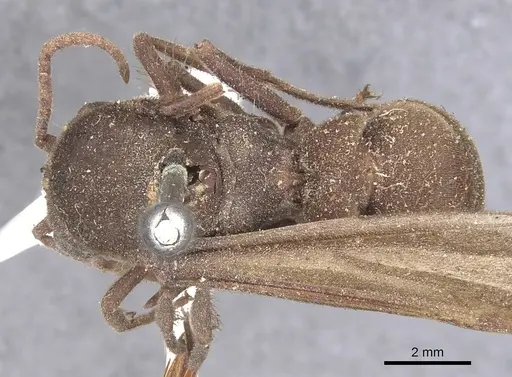
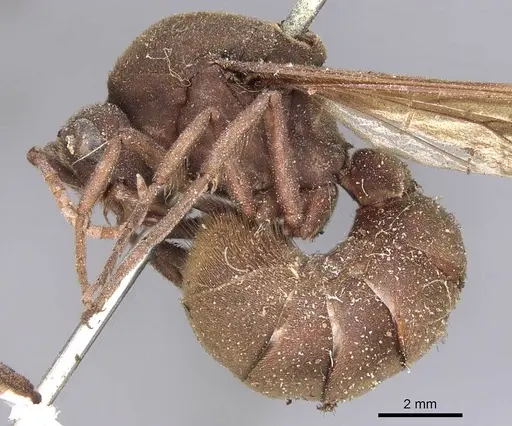
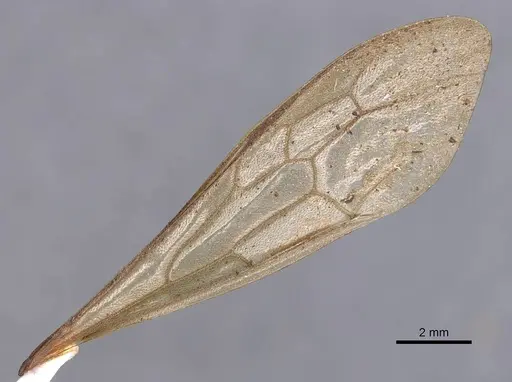
CASENT0911386
Megtekintés az AntWeb-en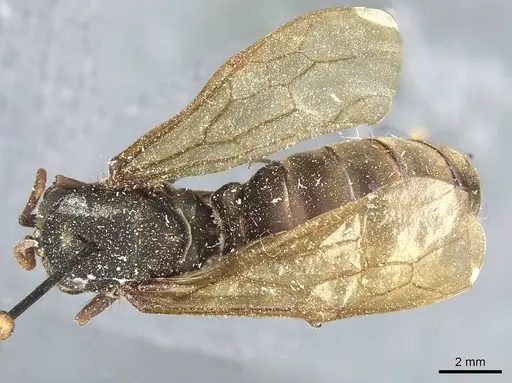
Irodalom
Elterjedési térkép betöltése...Termékek betöltése...