
Echinopla senilis
- Tud. név
- Echinopla senilis
- Nemzetség
- Camponotini
- Alcsalád
- Formicinae
- Szerző
- Mayr, 1862
- Elterjedés
- 0 országban megtalálható
Bevezetés
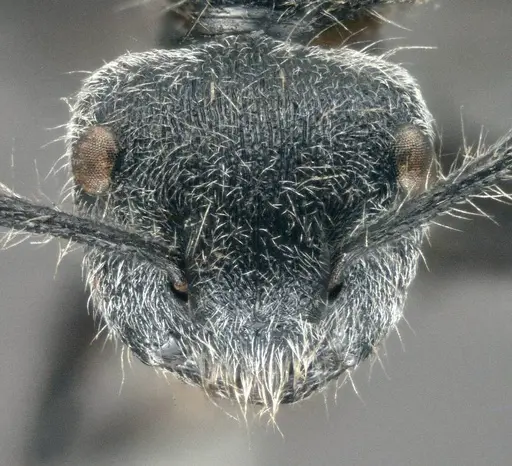
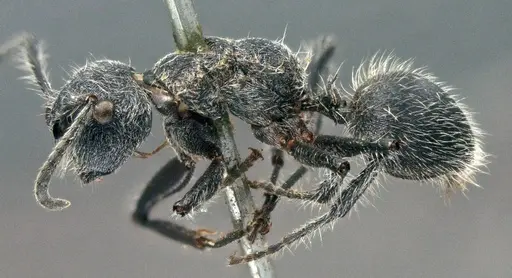
Echinopla senilis is a medium-sized ant species native to the Nicobar Islands and Andaman Islands in the Indian Ocean. Workers measure approximately 7.2-7.4mm in total length, making them a moderately large ant within the Formicinae subfamily . The species was originally described by Mayr in 1862 but was later considered a variety of Echinopla lineata until being raised back to full species status in 2015 . It can be identified by its distinctive striation pattern - the clypeus and sides of the mesosoma have striation intermixed with punctures, and the propodeum shows a more pronounced rounded constriction compared to similar species . This is considered one of the rarest ant species, with Baroni Urbani suggesting in 1997 that no one had likely seen this species since its original collection in 1862 .
Quick Summary
- Difficulty: Unknown, data extremely limited
- Origin & Habitat: Native to the Nicobar Islands and Andaman Islands in the Indomalaya region. Originally documented from 'Sambelong' which refers to the Southern Group of the Nicobar Islands, and also recorded from Great Nicobar [4][5][3][6]. The natural habitat consists of tropical island environments.
- Colony Type: Unconfirmed, colony structure has not been documented in scientific literature.
- Size & Growth:
- Antkeeping:
- Temperature: Unconfirmed, no thermal studies exist. Based on tropical island distribution (Nicobar Islands), likely requires warm conditions around 24-28°C. Start in this range and observe colony activity.
- Humidity: Unconfirmed, no humidity data available. Given the tropical island origin, likely requires moderate to high humidity (60-80%). Provide a moist nest substrate.
- Diapause: Unknown, no seasonal data available. Tropical species may not require formal hibernation but may show reduced activity during cooler periods.
- Nesting: Unconfirmed, no natural nesting observations documented. Provide a naturalistic setup with moist substrate or a Y-tong/plaster nest.
- Behavior: Behavior is undocumented in scientific literature. Based on genus patterns, likely exhibits typical Formicinae behavior with moderate aggression when defending the nest. Workers are large enough (7mm+) that escape prevention is manageable but should still use standard barriers. As a Formicinae ant, they lack a functional sting but can bite and spray formic acid.
- Common Issues: very limited scientific data means care requirements are largely estimated, no documented successful captive colonies to reference, tropical origin may make temperature control challenging in temperate regions, rare species may have specific ecological requirements not yet understood, wild-caught colonies may be difficult to establish due to unknown founding needs
Identification and Distinction from Similar Species
Echinopla senilis is very similar to its close relative Echinopla lineata, and was actually considered a subspecies of that species for over a century before being restored to full species status in 2015 [1]. The key distinguishing features include: the striation on the clypeus and sides of the mesosoma is intermixed with punctures (regularly striate in E. lineata), the propodeum shows irregular fine striae at the hind margin (transverse striae in E. lineata), and the propodeum has a more pronounced rounded constriction anteriorly [1]. Workers measure 7.2-7.37mm total length, making them moderately large within the genus [1][2]. The original description mentioned a bluish-black coloration, but this shimmer is not visible in preserved specimens [2].
Distribution and Records
This species has a very limited known distribution. It was originally described from the Nicobar Islands, specifically from 'Sambelong' which refers to the Southern Group of the Nicobar Islands [1][5]. The species has also been recorded from the Andaman and Nicobar Islands in more recent surveys [3][6]. Notably, Baroni Urbani suggested in 1997 that no one had likely seen this species since its original collection in 1862 [3], though subsequent research has confirmed its presence in the region. The type material was collected during the Novara expedition of 1857-59 [2][7].
Housing and Nesting
Since there are no documented captive colonies of Echinopla senilis, housing recommendations must be inferred from related Echinopla species and general Formicinae requirements. Based on their tropical island origin and the typical nesting preferences of related ants, provide a nest with moist substrate that can maintain moderate to high humidity (60-80%). A Y-tong (AAC) nest or plaster nest with good humidity control would be appropriate starting points. Ensure the nest chambers are appropriately sized for workers that are approximately 7mm in length. Provide an outworld for foraging with standard escape prevention measures. Monitor the colony closely, if workers consistently avoid certain areas of the nest, adjust humidity up or down accordingly.
Temperature and Feeding
Temperature requirements are not documented for this species. Given its origin from the tropical Nicobar Islands, aim for warm conditions in the range of 24-28°C. Use a heating cable on one side of the nest to create a gentle gradient if room temperature falls below this range. Place the heating element on top of the nest to avoid evaporating moisture from below. Diet is completely unconfirmed for this species, no feeding observations exist in scientific literature. Based on typical Formicinae behavior, they likely consume honeydew from aphids and scale insects, and hunt small invertebrates. Offer sugar water or honey as an energy source and protein sources such as small insects. Start with modest offerings and observe acceptance.
Challenges and Considerations for Keepers
Echinopla senilis represents one of the least documented species in antkeeping. There are no established captive husbandry protocols, no documented development timelines, and no confirmed diet preferences. This makes it an extremely challenging species to keep successfully, and it cannot be recommended for beginners. If you do acquire this species, meticulous record-keeping of all observations (feeding, behavior, development, mortality) would be scientifically valuable. The primary challenge is that every aspect of their care must be discovered through experimentation rather than following established guidelines. Consider that wild-caught colonies may have specific requirements tied to their island ecosystem that are difficult to replicate in captivity.
Frequently Asked Questions
How do I keep Echinopla senilis ants?
There are no established care guidelines for this species, it is one of the least documented ants in the hobby. Based on tropical island origin, provide warm temperatures (24-28°C), moderate to high humidity (60-80%), and a moist nest substrate. Start with sugar water and small protein sources and observe what they accept.
What do Echinopla senilis eat?
Diet is unconfirmed, no feeding observations exist in scientific literature. Based on related Formicinae ants, likely accept honeydew/sugar sources and small invertebrates. Offer varied foods and document acceptance.
How big do Echinopla senilis colonies get?
Colony size is unknown, no colony size data has been documented in scientific literature.
What temperature do Echinopla senilis need?
Temperature requirements are unconfirmed. Based on their tropical origin (Nicobar Islands), aim for 24-28°C. Use a heating cable to maintain warmth if needed.
How long does it take for Echinopla senilis to develop from egg to worker?
Development timeline is unconfirmed, no data exists for this species.
Is Echinopla senilis good for beginners?
No, this species cannot be recommended for beginners due to complete lack of documented care information. Every aspect of husbandry must be discovered through experimentation.
Where is Echinopla senilis found?
This species is native to the Nicobar Islands and Andaman Islands in the Indian Ocean (Indomalaya region). The original type locality is Sambelong in the Southern Group of the Nicobar Islands [4][5][3][6].
Can I keep multiple Echinopla senilis queens together?
Colony structure is unconfirmed, no data exists on whether they are single-queen or multi-queen colonies. Combining unrelated queens is not recommended due to lack of information.
Do Echinopla senilis need hibernation?
Diapause requirements are unknown. As a tropical species from the Nicobar Islands, they likely do not require formal hibernation but may reduce activity during cooler periods.
Report an Issue
The current care sheet is based fully on literature. See inconsistencies, or something that's incorrect? Please , it will be resolved after review from an admin. Contributing to the blogs tab also helps providing information, to make us be able to further improve the caresheets. Thank you for your support!
References

Ez a tartási útmutató a következő licenc alatt áll: CC BY-SA 4.0 .
Közösségi blogok
CASENT0914950
Megtekintés az AntWeb-en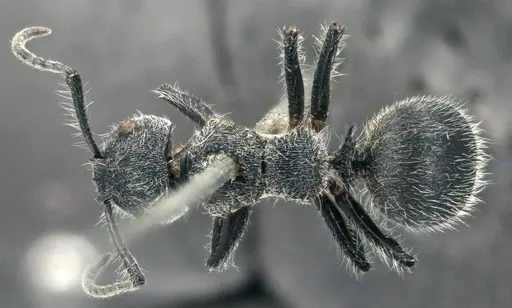
Irodalom
Elterjedési térkép betöltése...Termékek betöltése...