
Dorylus schoutedeni
- Tud. név
- Dorylus schoutedeni
- Alcsalád
- Dorylinae
- Szerző
- Santschi, 1923
- Elterjedés
- 0 országban megtalálható
Bevezetés
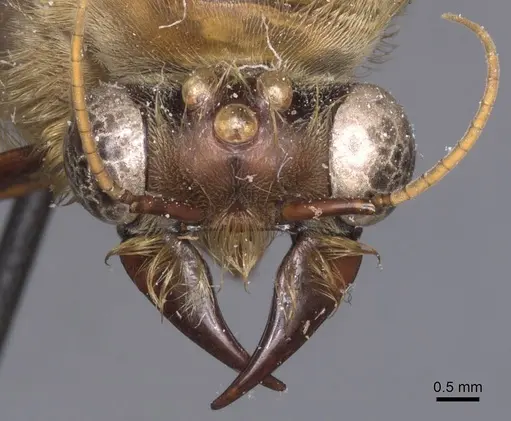
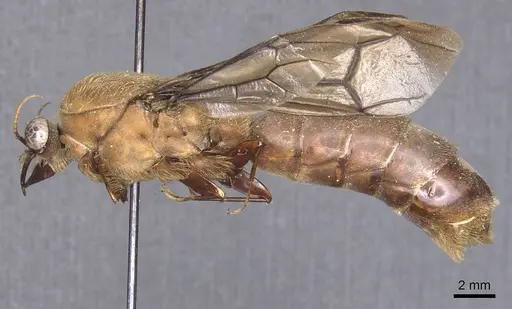
Dorylus schoutedeni is a rarely encountered army ant species endemic to the Democratic Republic of Congo. Only male specimens have been scientifically described, with the original description dating back to 1923. The type specimens were collected from three locations in central DRC: Matadi, Yumbi, and Moyen Kwilu . As with all Dorylus species, workers would exhibit the characteristic army ant morphology if they were ever documented. However, worker specimens of this species have never been described, making precise identification in the field impossible. This species represents one of the least-studied army ants in existence with virtually no biological or ecological data available. The genus Dorylus contains some of the most socially advanced ants known, with colonies that can contain millions of individuals and exhibit complex nomadic behavior patterns [AntWiki].
Quick Summary
- Difficulty: Expert
- Origin & Habitat: Endemic to the Democratic Republic of Congo, specifically found in Kongo Central, Kwilu, and Mai-Ndombe regions [3]. The exact habitat preferences are unstudied, but Dorylus species typically inhabit tropical forests and savannas where they conduct swarm raids. The DRC regions where this species occurs feature humid tropical climates with significant rainfall.
- Colony Type: Unknown, only male specimens have been described. Dorylus colonies typically contain a single permanently claustral queen with colony sizes potentially reaching millions of workers.
- Size & Growth:
- Queen: size data unavailable, no queen specimens have been described. Based on genus Dorylus patterns, queens likely measure roughly 20-40mm [2].
- Worker: size data unavailable, worker specimens have never been documented for this species. Dorylus workers typically range from 3-13mm depending on caste [2].
- Colony: size data unavailable, no colony data exists for this species. Dorylus colonies are among the largest in the ant world, potentially reaching millions of workers [2].
- Growth: Unknown
- Development: Unknown, no development data exists for this species. (Development timeline is unconfirmed. Related Dorylus species require 1-3 months for egg-to-worker development under optimal conditions [2].)
- Antkeeping:
- Temperature: Keep at tropical temperatures of 24-28°C if attempting to maintain. Provide a temperature gradient allowing workers to self-regulate. This species has never been kept in captivity, so these temperatures are inferred from related Dorylus species [2].
- Humidity: Maintain high humidity of 70-85% to mimic tropical forest floor conditions. Keep nest substrate consistently moist but not waterlogged. Army ants require humid conditions to prevent desiccation during their active raids [2].
- Diapause: Likely no true diapause, Dorylus species are tropical and active year-round. However, colony activity may slow during cooler or drier periods in captivity. Monitor for natural activity cycles rather than imposing a hibernation period [2].
- Nesting: This species has never been kept in captivity. Based on Dorylus biology, they form temporary bivouacs from living workers rather than permanent nests. Captive colonies would require large, naturalistic setups with multiple chambers connected by wide passages to accommodate their nomadic behavior.
- Behavior: Unknown for this specific species. Dorylus army ants are famous for their predatory swarm raids where thousands of workers coordinate to overwhelm prey including insects, spiders, and occasionally small vertebrates. Workers are largely blind, relying on chemical communication and vibration to coordinate. Colonies are nomadic, moving their bivouac every few days to new hunting grounds. They are aggressive when threatened and will swarm defensively. Escape prevention is critical, army ants can invade other ant colonies and may be aggressive toward keepers' fingers [2].
- Common Issues: this species has never been documented in the antkeeping hobby, no established care protocols exist., no worker specimens have been scientifically described, making proper identification impossible., colony size potential means this species requires significantly more space than typical ant setups., tropical humidity requirements create mold risk in enclosed setups., predatory swarm behavior means they will hunt and potentially escape in large numbers.
Species Identification and Status
Dorylus schoutedeni remains one of the most poorly documented army ant species in existence. The species was originally described by Santschi in 1923 based solely on male specimens collected from three locations in the Democratic Republic of Congo: Matadi, Yumbi, and Moyen Kwilu [1]. The type specimens are housed in collections in Belgium and Switzerland. No worker caste has ever been described, which is unusual even for rarely collected army ant species. This means that proper field identification by antkeepers would be essentially impossible, even professional myrmecologists would struggle to identify workers of this species if they encountered them. The species is considered endemic to the DRC, with confirmed records from Kongo Central, Kwilu, and Mai-Ndombe provinces [3]. The lack of worker descriptions also means we have no biological data whatsoever for this species, everything we might say about keeping them must be inferred from general Dorylus biology.
Why This Species Is Not Recommended for Keepers
Dorylus schoutedeni should be considered completely unsuitable for the antkeeping hobby for several critical reasons. First, no worker specimens have ever been documented, meaning proper identification is impossible. Any ant labeled as Dorylus schoutedeni in the hobby trade would almost certainly be misidentified. Second, even if correctly identified, this species has never been maintained in captivity by anyone, there are no established protocols, no documented successes, and no knowledge of what they need to survive. Third, Dorylus species in general require extremely large spaces and specialized setups to accommodate their nomadic lifestyle and massive colony sizes. Fourth, army ants are predatory and can be aggressive, posing risks to other ant colonies and potentially to keepers. If you are interested in keeping army ants, consider better-documented Dorylus species like Dorylus fulvus or Dorylus nigricans, or explore other army ant genera like Eciton which have more established captive protocols [2].
General Dorylus Biology (For Reference)
While Dorylus schoutedeni specifically is unstudied, the genus Dorylus represents some of the most behaviorally complex ants on Earth. Army ants are famous for their massive colonies that can contain millions of workers, their coordinated swarm raids, and their nomadic lifestyle where the entire colony relocates every few weeks. Unlike most ants, Dorylus colonies do not maintain permanent nests, instead, they form living bivouacs from interlocking workers that can be hung from tree branches, logs, or other structures. Queens are permanently claustral, meaning they mate once during a nuptial flight, then seal themselves inside the nest and never leave. They are capable of producing thousands of eggs per day. Workers are largely blind, navigating and coordinating through chemical pheromones. The genus is found throughout tropical Africa and Asia, with the highest diversity in African rainforests [2].
Legal and Ethical Considerations
Dorylus schoutedeni is endemic to the Democratic Republic of Congo and has never been documented in the antkeeping trade. Importing this species would likely be illegal under CITES and international trade regulations, as the DRC has strict protections on native wildlife. Additionally, army ants play crucial ecological roles as predators in their native ecosystems, and removing colonies could harm local populations. If you encounter ants claimed to be Dorylus schoutedeni in the trade, they are almost certainly misidentified, reputable sellers would not trade a species with no documented captive population. For antkeepers interested in army ants, seek captive-bred colonies of more common species from established breeders, or focus on other ant genera that are more suitable for captive maintenance. [2]
Frequently Asked Questions
Can I keep Dorylus schoutedeni ants?
No. This species is completely unsuitable for antkeeping. No worker specimens have ever been described, proper identification is impossible, and there are no established captive protocols. Additionally, the species is endemic to the DRC and likely protected. If you want army ants, look for better-documented species like Eciton species or common Dorylus species that have established captive populations.
How do I identify Dorylus schoutedeni?
You cannot reliably identify this species. Only male specimens have been scientifically described, workers have never been documented. Even professional entomologists would be unable to identify workers of this species. Any ant sold as Dorylus schoutedeni is almost certainly misidentified.
What does Dorylus schoutedeni eat?
Unknown for this specific species. Based on general Dorylus biology, they are predators that conduct coordinated swarm raids on invertebrates including insects, spiders, and other arthropods. Some Dorylus species also scavenge and may tend aphids for honeydew. However, nothing specific has been documented for D. schoutedeni.
How big do Dorylus schoutedeni colonies get?
Unknown, no colony data exists for this species. However, Dorylus colonies are among the largest in the ant world, potentially reaching millions of workers. This is one of many reasons this species is unsuitable for captivity.
Where is Dorylus schoutedeni found?
This species is endemic to the Democratic Republic of Congo. Confirmed records exist from Kongo Central, Kwilu, and Mai-Ndombe provinces. The original type specimens were collected from Matadi, Yumbi, and Moyen Kwilu.
What temperature do Dorylus schoutedeni ants need?
Unconfirmed for this species. However, Dorylus are tropical ants that would require temperatures around 24-28°C based on related species. They would need a temperature gradient to allow self-regulation. This species has never been maintained in captivity, so these values are estimates only.
Can I breed Dorylus schoutedeni in captivity?
No. This species has never been documented in captivity, no captive breeding protocols exist, and proper identification is impossible. Additionally, the species is likely protected under DRC wildlife laws. Attempting to establish a captive breeding program for an undescribed species with no baseline data would be extremely unlikely to succeed.
Do Dorylus schoutedeni queens need hibernation?
Unknown for this species. Dorylus are tropical ants that do not typically undergo true hibernation. However, colony activity may slow during cooler or drier periods. No diapause data exists for D. schoutedeni.
Are Dorylus schoutedeni good for beginners?
Absolutely not. This species is completely unsuitable for beginners or even experienced antkeepers. No captive protocols exist, proper identification is impossible, and the general Dorylus genus requires expert-level care due to colony size, space requirements, and aggressive predatory behavior. Beginners should start with more documented species like Lasius niger, Camponotus species, or other beginner-friendly ants.
Report an Issue
The current care sheet is based fully on literature. See inconsistencies, or something that's incorrect? Please , it will be resolved after review from an admin. Contributing to the blogs tab also helps providing information, to make us be able to further improve the caresheets. Thank you for your support!
References

Ez a tartási útmutató a következő licenc alatt áll: CC BY-SA 4.0 .
Közösségi blogok
CASENT0911341
Megtekintés az AntWeb-en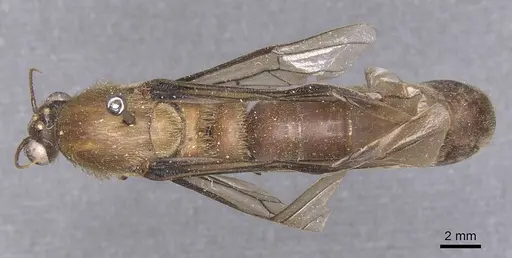
Irodalom
Elterjedési térkép betöltése...Termékek betöltése...