
Dorylus savagei
- Tud. név
- Dorylus savagei
- Alcsalád
- Dorylinae
- Szerző
- Emery, 1895
- Elterjedés
- 0 országban megtalálható
Bevezetés
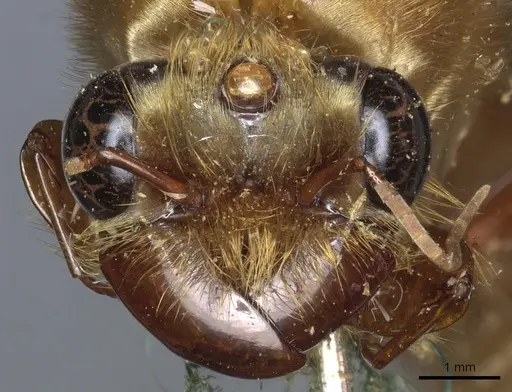
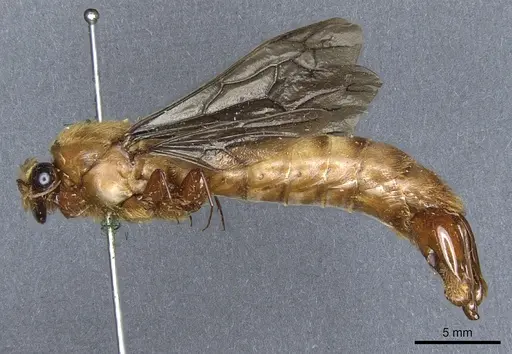
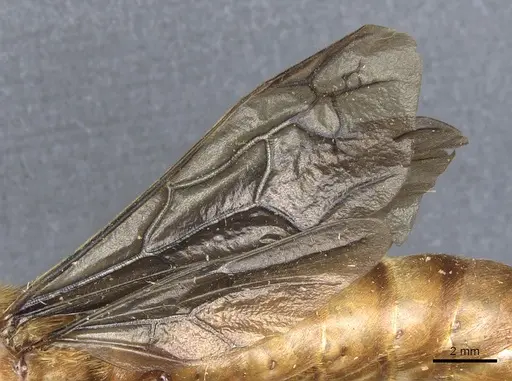
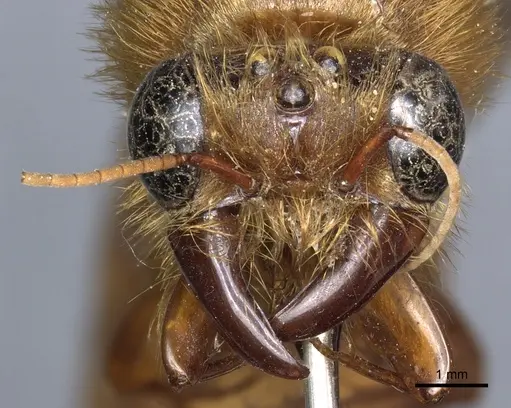
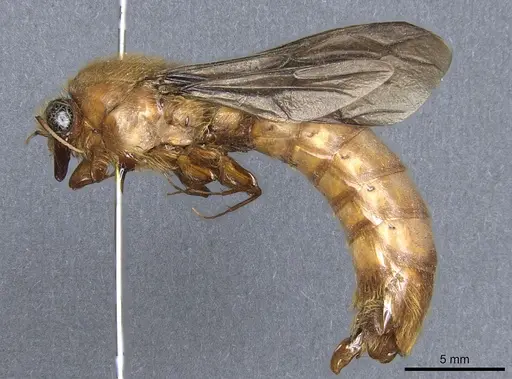
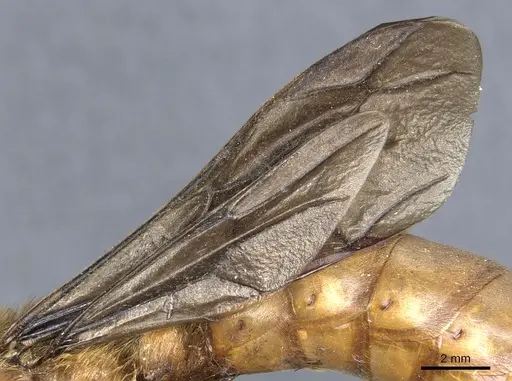
Dorylus savagei is an African army ant species. Males are large at 28-33mm total length, with a light brownish-yellow body, brown head, and light rusty red mandibles, antennae, legs, and genitalia. Their wings are dark brown with black veins. This species is found in Central Africa: Democratic Republic of Congo, Gabon, Guinea, and Nigeria . Only male specimens have been scientifically described - worker and queen castes remain undocumented. As an army ant, this species likely forms large colonies that conduct coordinated raids, though specific behavior of D. savagei is unconfirmed.
Quick Summary
- Difficulty: Expert
- Origin & Habitat: Tropical Central Africa (Democratic Republic of Congo, Gabon, Guinea, Nigeria). In the wild, these ants likely inhabit forest floors where they can conduct large-scale raids [1].
- Colony Type: Colony structure is completely unconfirmed. Only male specimens have been described in scientific literature. Dorylus genus members typically form large colonies, but colony structure for this specific species is unknown.
- Size & Growth:
- Queen: Size data unavailable, only male specimens have been described in scientific literature [1].
- Worker: Size data unavailable, worker caste has not been documented in scientific literature.
- Colony: Unknown for this specific species. Dorylus genus colonies can reach hundreds of thousands of workers, but no data exists for D. savagei.
- Growth: Unknown, no development data exists for this species.
- Development: Unconfirmed, no development data exists for Dorylus savagei. (Development timeline is undocumented for this species.)
- Antkeeping:
- Temperature: Keep at tropical temperatures. Specific requirements are unconfirmed for this species, start around 24-28°C and observe colony response.
- Humidity: Maintain high humidity similar to rainforest floor conditions. Keep the nest substrate consistently moist but not waterlogged.
- Diapause: No, Dorylus species are tropical and do not require hibernation.
- Nesting: Large, spacious nests are essential. Y-tong (AAC) nests or large naturalistic setups work well. Provide deep substrate for tunneling. Ensure excellent escape prevention, army ants find any gap in enclosure seals.
- Behavior: Dorylus savagei is an army ant. Specific behavior is unconfirmed, but Dorylus genus members typically form raiding columns that sweep through territory, capturing other insects and arthropod prey. Workers are aggressive and will defend the colony. Escape prevention is critical, army ants can squeeze through small gaps. The sting is present but pain level for this specific species is unconfirmed.
- Common Issues: massive colony size makes housing challenging, plan for expansion from the start, escape prevention is critical, army ants will find and exploit any gap, feeding becomes extremely demanding at colony maturity, nomadic behavior means colonies may become restless and attempt to relocate, no specific care data exists for this species, keepers must rely on genus-level guidance, this species has not been documented in captivity before
Housing and Enclosure Setup
Dorylus savagei requires specialized housing due to their potential for large colony growth and escape abilities. Use a large outworld connected to a spacious nest area. Y-tong (AAC) nests work well because they provide darkness for brood chambers and allow for observation. Alternatively, a large naturalistic setup with deep soil substrate mimics natural forest floor nesting. Escape prevention is critical, apply Fluon or similar barrier to all enclosure edges. Ensure ventilation is adequate but not excessive. The enclosure should be sealed with no gaps larger than 0.5mm.
Feeding and Nutrition
Dorylus savagei is predatory, like all army ants. They raid other ant colonies and arthropod prey in the wild. In captivity, offer protein sources: live insects (crickets, mealworms, roaches), other ant colonies as prey, and various arthropods. Feed generously, a mature colony may consume thousands of prey items per week. Some colonies may accept protein jelly or canned insects, but live prey is preferred. Feed more heavily when the colony has brood to raise. Remove uneaten prey after 24-48 hours to prevent mold.
Temperature and Seasonal Care
As a tropical African species, Dorylus savagei requires warm conditions year-round. Maintain temperatures between 24-28°C. Temperatures below 22°C can slow colony development significantly, and prolonged cold can be fatal. Use a heating cable placed on top of the nest material to create a warmth gradient. Monitor with a thermometer near the brood chambers. There is no diapause requirement, these ants remain active throughout the year.
Behavior and Colony Dynamics
Dorylus savagei likely exhibits typical army ant behavior. Colonies conduct raids where columns of workers sweep across territory, overwhelming prey colonies. They are primarily nocturnal, with raid activity often increasing at night. Workers are aggressive and will sting defenders. Unlike some army ant genera, Dorylus queens are fully winged, allowing for dispersal during nuptial flights. The colony may exhibit nomadic behavior, occasionally relocating within the enclosure.
Legal and Ethical Considerations
Before acquiring Dorylus savagei, verify that it is legal to keep in your jurisdiction. Some countries have restrictions on native ant collection or foreign species import. Never release this species or any ant colony into the wild outside its native range, Dorylus savagei is native to Central Africa (DRC, Gabon, Guinea, Nigeria) and could become invasive in other tropical regions. If you can no longer keep the colony, contact a local ant keeper or entomological society to rehome it.
Frequently Asked Questions
How long does it take for Dorylus savagei to produce first workers?
The development timeline is unconfirmed for this species. No documented data exists for Dorylus savagei. Expect several weeks to months at optimal tropical temperatures, but this is an estimate only.
How big do Dorylus savagei colonies get?
Colony size for this specific species is unconfirmed. Dorylus genus colonies can reach 100,000 to 500,000+ workers at maturity. You should plan for large colony growth and ensure your housing can accommodate many workers.
Do Dorylus savagei ants sting?
Yes, Dorylus workers have a functional sting. The exact pain level for this specific species is unconfirmed, but Dorylus stings are generally painful and can cause irritation. Handle with caution.
Can I keep multiple Dorylus savagei queens together?
Colony structure is unconfirmed for this specific species. Without specific documentation for D. savagei, combining unrelated queens is not recommended. If you obtain multiple dealate queens, house them separately until you understand the colony dynamics.
What do I feed Dorylus savagei?
Dorylus savagei is predatory. Feed primarily live insects and arthropods: crickets, mealworms, roaches, and other ant colonies work well. They need constant access to protein, especially when raising brood. Some colonies may accept sugar sources occasionally, but protein is the primary food.
Are Dorylus savagei good for beginners?
No. Dorylus savagei is an expert-level species. They require massive amounts of food, excellent escape prevention, large housing, tropical temperatures, and high humidity. The limited specific care data means keepers must rely on genus-level knowledge. This species has not been documented in the antkeeping hobby before. Start with easier species before attempting army ants.
Do Dorylus savagei need hibernation?
No. As a tropical African species, Dorylus savagei does not require hibernation or winter cooling. Keep them warm year-round at 24-28°C.
When should I move Dorylus savagei to a formicarium?
Start colonies in a simple setup and move to larger housing as the colony grows. For Dorylus, plan for permanent large housing, they need significant space and will outgrow small formicaria quickly. Move to a larger setup when the founding setup becomes crowded.
Why are my Dorylus savagei escaping?
Army ants are expert escape artists. They will find any gap, seam, or loose fitting in the enclosure. Apply Fluon or similar barrier to all edges, ensure lids fit tightly, and check for any gaps larger than 0.5mm.
Report an Issue
The current care sheet is based fully on literature. See inconsistencies, or something that's incorrect? Please , it will be resolved after review from an admin. Contributing to the blogs tab also helps providing information, to make us be able to further improve the caresheets. Thank you for your support!
References

Ez a tartási útmutató a következő licenc alatt áll: CC BY-SA 4.0 .
Közösségi blogok
CASENT0903716
Megtekintés az AntWeb-en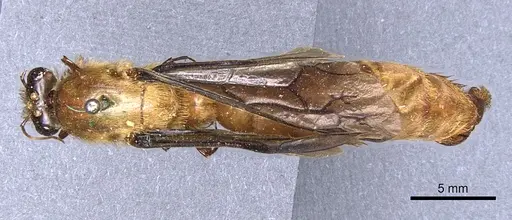
CASENT0903717
Megtekintés az AntWeb-en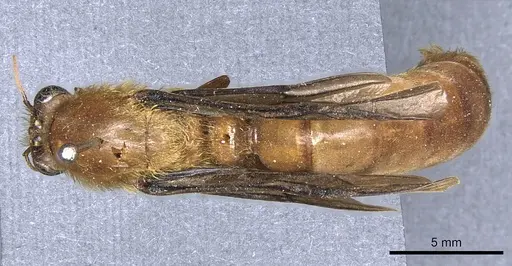
Irodalom
Elterjedési térkép betöltése...Termékek betöltése...