
Crematogaster rivai
- Tud. név
- Crematogaster rivai
- Nemzetség
- Crematogastrini
- Alcsalád
- Myrmicinae
- Szerző
- Emery, 1897
- Elterjedés
- 0 országban megtalálható
Bevezetés
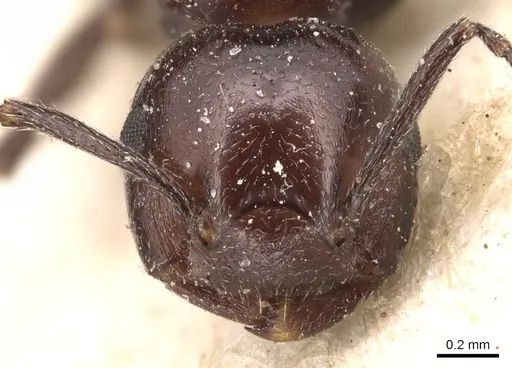
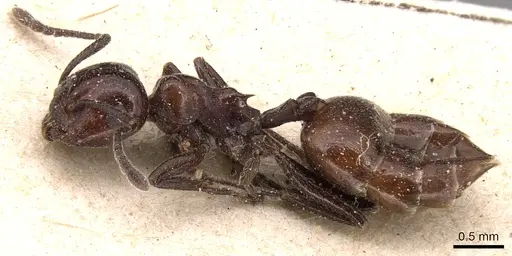
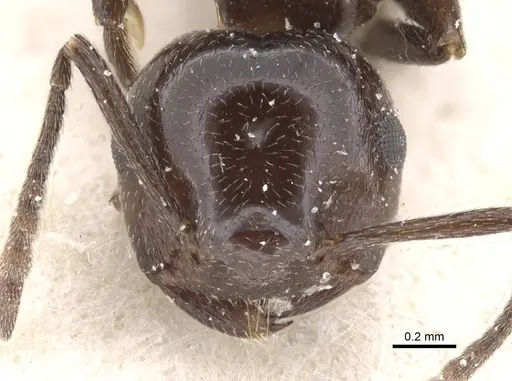
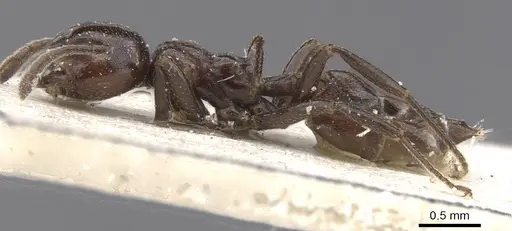
Crematogaster rivai is a small arboreal ant species originally described from the swollen spines of Acacia trees in Abyssinia (Ethiopia) . Workers are small with the characteristic Crematogaster feature of being able to raise their abdomen over their thorax like an acrobat. They have a reddish-brown to dark brown coloration. This species is part of the Crematogaster genus, which contains over 300 species known for arboreal nesting and often mutualistic relationships with plants. The Ethiopian origin suggests warm, tropical conditions.
Quick Summary
- Difficulty: Medium
- Origin & Habitat: Described from Abyssinia (Ethiopia), specifically from swollen spines of Acacia trees, indicating an arboreal, plant-associated lifestyle in tropical Africa [1].
- Colony Type: Colony structure is unconfirmed for this species. Many Crematogaster species are monogyne but some can be polygyne.
- Size & Growth:
- Queen: Size data unavailable, no species-specific measurements exist
- Worker: Size data unavailable, no species-specific measurements exist
- Colony: Unknown for this specific species
- Growth: Unknown
- Development: Unknown, no species-specific development data exists (Development time is unconfirmed as no species-specific data exists.)
- Antkeeping:
- Temperature: Keep at 24-28°C. Ethiopian origin indicates warm, tropical conditions are ideal.
- Humidity: Moderate to high humidity. Being arboreal, they prefer humid conditions but not saturated. Mist the outworld occasionally and provide a water source.
- Diapause: Unlikely required given tropical origin. May reduce activity during cooler periods.
- Nesting: Arboreal nesting is expected. Provide a test tube for founding colonies. For established colonies, use Y-tong or AAC nests with small chambers.
- Behavior: Crematogaster rivai is arboreal and active throughout their setup. They are generally not aggressive but will defend their nest. Workers are quick-moving and may show the characteristic acrobat behavior when disturbed. Escape prevention is important due to their small size. They likely forage for honeydew, small insects, and sugar sources.
- Common Issues: small size makes escape prevention critical, use fine mesh barriers, tropical origin means they are sensitive to cold, keep above 24°C, arboreal nature requires appropriate nest structures with small chambers, very limited species-specific information means care is largely based on genus patterns, wild-caught colonies may have parasites or diseases
Natural History and Origin
Crematogaster rivai was originally described from the swollen spines of Acacia trees in Abyssinia, present-day Ethiopia [1]. This discovery places them in the category of arboreal ants that live within plant structures. Ethiopia features diverse habitats from tropical lowlands to highlands, but the Acacia-associated discovery suggests this species thrives in semi-arid to savanna regions. Many Crematogaster species have mutualistic relationships with plants, protecting them from herbivores in exchange for shelter. This arboreal lifestyle means they are adapted to nesting in plant cavities, hollow stems, and swollen structures like thorns.
Housing and Nesting
Because C. rivai is arboreal, your setup should reflect their preference for elevated nesting sites. For founding colonies, a test tube setup works well, queens will seal themselves into a dark chamber. Once the colony reaches 10-20 workers, consider moving them to a Y-tong or AAC formicarium with chambers sized for their small worker size. The chambers should be tight, too much open space stresses small arboreal ants. Include a water source via a test tube with cotton, and mist the outworld occasionally to maintain humidity. Because they are small, escape prevention must be excellent, use fluon on container rims and fine mesh on any ventilation.
Feeding and Diet
Like other Crematogaster species, C. rivai likely has an omnivorous diet with a preference for sweet substances. In captivity, offer sugar water, honey, or diluted maple syrup. For protein, provide small insects like fruit flies, small mealworms, or cricket pieces. Given their small size, prey items should be appropriately sized. They may also accept protein-based liquid foods. Feed protein 2-3 times per week and keep sugar sources available at all times. Remove uneaten prey after 24 hours to prevent mold.
Temperature and Seasonal Care
Being from tropical Ethiopia, C. rivai prefers warm conditions. Maintain temperatures between 24-28°C for optimal colony health and development. A slight temperature gradient allows workers to self-regulate. Avoid temperatures below 20°C for extended periods, cold stress can weaken and kill colonies. Heating can be provided via a heating mat or cable on one side of the nest, but always with proper thermostatic control. Regarding diapause, their tropical origin suggests no true hibernation is required.
Behavior and Defense
Crematogaster ants get their common name 'acrobat ants' from their ability to raise their abdomen over their head and thorax, which they do when disturbed or aggressive. Workers are quick-moving and will readily explore their outworld in search of food. They are not typically aggressive toward keepers and rarely sting. Their primary defense mechanism is the acrobat display, they raise their abdomen to appear larger and may smear venom onto enemies using their modified stinger. Their small size means they can slip through very small gaps, excellent escape prevention is essential.
Frequently Asked Questions
How long does it take for Crematogaster rivai to have first workers?
Unknown, no species-specific development data exists. Based on typical Crematogaster patterns, expect several months at optimal temperature.
What temperature do Crematogaster rivai ants need?
Keep them warm at 24-28°C. Their Ethiopian tropical origin means they thrive in these temperatures.
Can I keep Crematogaster rivai in a test tube?
Yes, test tubes work well for founding colonies. The queen will seal herself in a chamber. Once the colony grows to 20-30+ workers, consider moving to a proper formicarium.
Do Crematogaster rivai ants sting?
Most Crematogaster species can sting, but their stingers are small and the pain is typically mild. Their primary defense is the acrobat display where they raise their abdomen. They may also smear venom onto enemies.
What do Crematogaster rivai eat?
They are omnivorous. Offer constant sugar water, honey, or maple syrup. For protein, provide small insects like fruit flies, small mealworms, or cricket pieces.
Are Crematogaster rivai good for beginners?
They are rated as Medium difficulty. The limited specific care information means you should have some basic antkeeping experience.
How big do Crematogaster rivai colonies get?
Unknown for this species. Colony size data is not available.
Do Crematogaster rivai need hibernation?
Unlikely. Their tropical Ethiopian origin suggests they do not require a true diapause.
Why are my Crematogaster rivai dying?
Common causes include: temperatures below 20°C, poor escape prevention, mold from overwatering, or stress from too-large enclosures. Check temperature first.
Can I keep multiple Crematogaster rivai queens together?
This is unknown for this specific species. Many Crematogaster are monogyne. Unless you have experience combining ant colonies, keep one queen per colony.
Report an Issue
The current care sheet is based fully on literature. See inconsistencies, or something that's incorrect? Please , it will be resolved after review from an admin. Contributing to the blogs tab also helps providing information, to make us be able to further improve the caresheets. Thank you for your support!
References

Ez a tartási útmutató a következő licenc alatt áll: CC BY-SA 4.0 .
Közösségi blogok
CASENT0904516
Megtekintés az AntWeb-en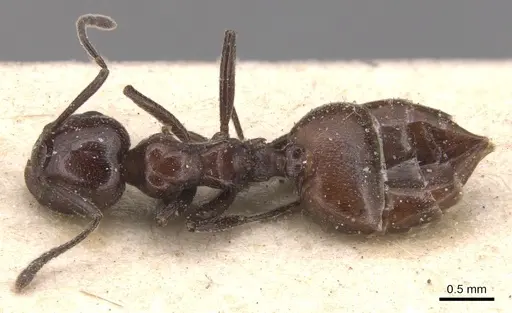
CASENT0912719
Megtekintés az AntWeb-en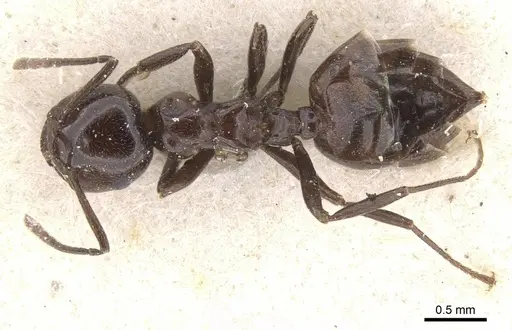
Irodalom
Elterjedési térkép betöltése...Termékek betöltése...