
Crematogaster phoenica
- Tud. név
- Crematogaster phoenica
- Nemzetség
- Crematogastrini
- Alcsalád
- Myrmicinae
- Szerző
- Santschi, 1915
- Elterjedés
- 0 országban megtalálható
Bevezetés
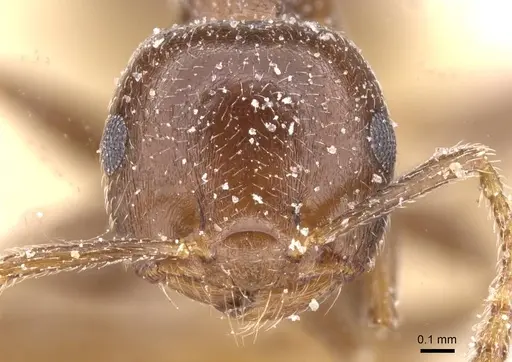
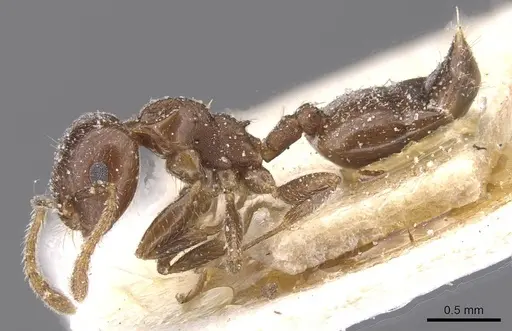
Crematogaster phoenica is a small myrmicine ant native to the Eastern Mediterranean region, specifically found in Syria and Turkey . Workers are typically dark brown to reddish-brown with the characteristic Crematogaster feature of being able to raise their gaster over their thorax and head like an acrobat - hence their common name. This species was originally described as a subspecies and elevated to full species status by Santschi in 1929 [AntWiki]. In the wild, they nest in dead wood, under bark, or in hollow stems in Mediterranean habitats.
Quick Summary
- Difficulty: Medium
- Origin & Habitat: Eastern Mediterranean region, Syria and Turkey. They inhabit Mediterranean climate zones with hot, dry summers and mild, wet winters. In nature, they typically nest in dead wood, under loose bark, or in hollow plant stems [1][2].
- Colony Type: Colony structure is unconfirmed for this specific species. Based on typical Crematogaster patterns, likely single-queen colonies.
- Size & Growth:
- Queen: Size data unavailable, inferred from Crematogaster genus (~5-8mm)
- Worker: Size data unavailable, inferred from Crematogaster genus (~2-4mm)
- Colony: Likely several hundred workers, inferred from genus patterns
- Growth: Moderate, inferred from genus patterns
- Development: Estimated 6-8 weeks at optimal temperature, inferred from related Crematogaster species (Development time is estimated from related Crematogaster species, specific data for C. phoenica is not available)
- Antkeeping:
- Temperature: Mediterranean species, keep at 22-26°C with a slight gradient. They can tolerate cooler temperatures during winter but grow best in warm conditions. A heating cable on one side of the nest creates a suitable gradient, inferred from Mediterranean Crematogaster behavior.
- Humidity: Moderate humidity. They prefer nest material that is slightly moist but not wet. Provide a water test tube as a humidity source and allow the nest to dry slightly between rehydrations. Avoid overly damp conditions that promote mold, inferred from genus preferences.
- Diapause: Yes, as a Mediterranean species, they likely require a winter rest period of 8-12 weeks at 10-15°C. Reduce feeding and activity during this period. This is inferred from typical Mediterranean Crematogaster behavior.
- Nesting: In captivity, they do well in Y-tong (AAC) nests, wooden nests, or test tube setups. They prefer tight, dark chambers. Avoid overly large spaces, these ants feel secure in snug accommodations.
- Behavior: Crematogaster phoenica is an active, alert ant with defensive behaviors. Workers are quick-moving and will readily defend the colony. When threatened, they raise their abdomen in the characteristic acrobat pose and use their modified stinger to smear venom onto enemies rather than piercing, this is typical of Crematogaster subfamily defense. They are excellent climbers and may attempt escapes, especially through small gaps. Workers communicate through chemical signals and will recruit nestmates to food sources. They are primarily nocturnal or crepuscular foragers in the wild.
- Common Issues: escape prevention is critical, they are small and agile, able to squeeze through tiny gaps, use fine mesh and tight-fitting lids, slow founding phase means patience is essential, queen may take weeks to lay first eggs, colonies can be sensitive to disturbance during early founding, avoid moving the nest, mold can be an issue if humidity is too high, maintain good ventilation, wild-caught colonies may carry parasites that can decimate captive colonies
Nest Preferences and Setup
Crematogaster phoenica does well in several nest types. Y-tong (AAC) nests work excellently as they provide the dark, tight chambers these ants prefer. Wooden nests with narrow chambers are also suitable. If using test tubes, provide multiple connected tubes to give them options. The nest should have chambers sized appropriately for their small worker size, passages should be tight but allow free movement. Include a water reservoir (test tube with cotton) for humidity. Place the nest in a quiet area away from direct sunlight and vibrations. These ants appreciate some vertical space for climbing structures in their outworld. [2]
Feeding and Diet
Crematogaster phoenica is omnivorous like most Crematogaster species. They readily accept sugar sources, offer honey water or sugar water regularly. For protein, provide small insects like fruit flies, small crickets, or mealworms. They can handle prey items roughly half their body size. Feed protein 2-3 times per week, adjusting based on colony size and consumption. Remove uneaten prey after 24 hours to prevent mold. Some keepers report they particularly enjoy honeydew, so you could occasionally offer a small piece of fruit or cotton ball with honey water. Fresh water should always be available. [2]
Temperature and Seasonal Care
As a Mediterranean species, Crematogaster phoenica prefers temperatures in the 22-26°C range. They can tolerate temperatures down to 18°C and up to 30°C, but growth is optimal in the middle of this range. During summer, room temperature is often suitable. In winter, they benefit from a diapause period of 8-12 weeks at 10-15°C. This simulates their natural seasonal cycle and helps maintain colony health long-term. Reduce feeding during diapause and avoid disturbing the colony. Do not feed during the deepest part of winter rest. After diapause, gradually warm the colony back to room temperature and resume normal feeding. [2]
Behavior and Defense
This species exhibits typical Crematogaster defensive behaviors. Workers are quick and alert, readily responding to threats. When disturbed, they raise their abdomen in the characteristic acrobat pose. Crematogaster ants have a modified, flattened stinger used to wipe or smear venom onto enemies rather than piercing flesh, this is their primary defense mechanism. Their venom can cause brief pain to humans. They are excellent climbers and will explore vertical surfaces in search of food or escape routes. Workers communicate using pheromone trails and will quickly recruit nestmates to good food sources. The colony will establish defined foraging routes. They are primarily active during evening and night hours in the wild, though they will adjust activity patterns to artificial lighting in captivity. [2]
Colony Founding and Early Development
Queen founding is likely claustral, the queen seals herself in a small chamber and survives entirely on her stored fat reserves while raising the first brood. This means she does not need to forage during founding. Place the founding queen in a small test tube setup with a water reservoir and keep her in darkness with minimal disturbance. First eggs typically appear within 1-2 weeks, followed by larvae and then pupae. The first workers (nanitics) will emerge smaller than mature workers but will immediately begin caring for the queen and subsequent brood. Do not disturb or feed during the founding phase, the queen has sufficient reserves. Once nanitics emerge, you can begin offering tiny amounts of sugar water. [2]
Frequently Asked Questions
How long does it take for Crematogaster phoenica to produce first workers?
Expect 6-8 weeks from founding to first workers emerging, though this is estimated from genus patterns as specific data for this species is not available. The exact timeline depends on temperature, warmer conditions slightly accelerate development.
Do Crematogaster phoenica ants sting?
They have a modified stinger used to smear venom onto enemies rather than sting in the traditional sense. The venom can cause brief pain or skin irritation. These ants are not suitable for handling, observe them rather than interact with them directly.
What is the best nest type for Crematogaster phoenica?
Y-tong (AAC) nests work very well, as do wooden nests with appropriately sized chambers. They prefer tight, dark spaces. Test tubes can work for founding colonies but may need upgrading as the colony grows.
Can I keep multiple Crematogaster phoenica queens together?
This is not recommended. While some Crematogaster species can be polygynous, this has not been documented for C. phoenica. Combining unrelated queens typically results in fighting. If you obtain multiple foundresses, house them separately.
Do Crematogaster phoenica need hibernation?
Yes, as a Mediterranean species they benefit from a winter rest period. Provide 8-12 weeks at 10-15°C during winter. Reduce feeding and avoid disturbing the colony. This diapause helps maintain long-term colony health.
How big do Crematogaster phoenica colonies get?
Based on genus patterns, colonies likely reach several hundred workers. Specific data for this species is not available, but they are not among the largest Crematogaster species.
What do Crematogaster phoenica eat?
They are omnivorous. Offer sugar water or honey water as a constant energy source. For protein, provide small insects like fruit flies, pinhead crickets, or small mealworms 2-3 times per week.
Are Crematogaster phoenica good for beginners?
They are rated as medium difficulty. They require attention to escape prevention and proper temperature, but are not as demanding as some species. They are not ideal for complete beginners due to their venom and specific care needs, but experienced beginners can succeed with them.
Why is my Crematogaster phoenica colony dying?
Common causes include: disturbance during founding (queen may eat eggs), improper humidity (too wet causes mold, too dry causes desiccation), temperature extremes, parasites from wild-caught colonies, or escape/stress. Review each parameter and ensure the queen is healthy. Wild-caught colonies often carry parasites that can wipe out colonies in captivity.
When should I move my colony to a formicarium?
Wait until the colony has 50+ workers before moving. Moving too early can stress the colony and cause queen death. Use a gentle transition, place the test tube near the formicarium entrance and let workers explore naturally before moving the colony.
Report an Issue
The current care sheet is based fully on literature. See inconsistencies, or something that's incorrect? Please , it will be resolved after review from an admin. Contributing to the blogs tab also helps providing information, to make us be able to further improve the caresheets. Thank you for your support!
References

Ez a tartási útmutató a következő licenc alatt áll: CC BY-SA 4.0 .
Közösségi blogok
CASENT0912710
Megtekintés az AntWeb-en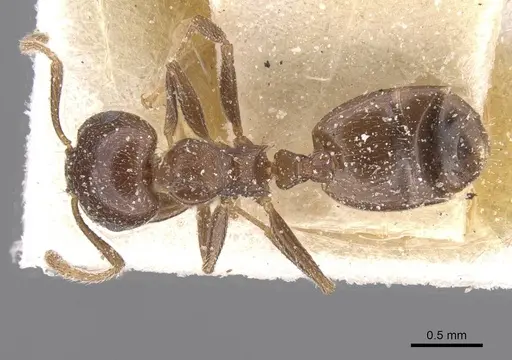
CASENT0912711
Megtekintés az AntWeb-en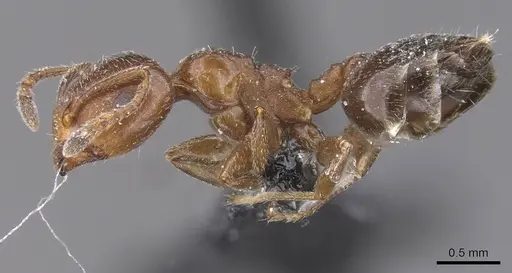
Irodalom
Elterjedési térkép betöltése...Termékek betöltése...