
Crematogaster hezaradjatica
- Tud. név
- Crematogaster hezaradjatica
- Nemzetség
- Crematogastrini
- Alcsalád
- Myrmicinae
- Szerző
- Pisarski, 1967
- Elterjedés
- 0 országban megtalálható
Bevezetés
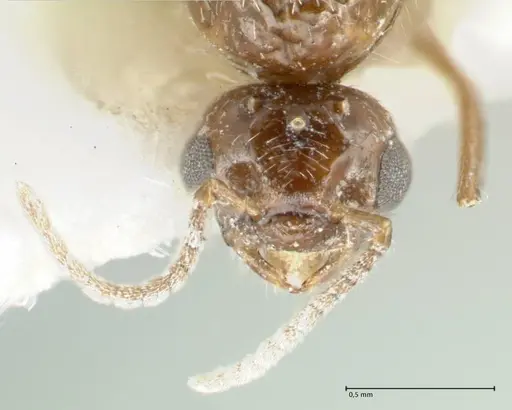
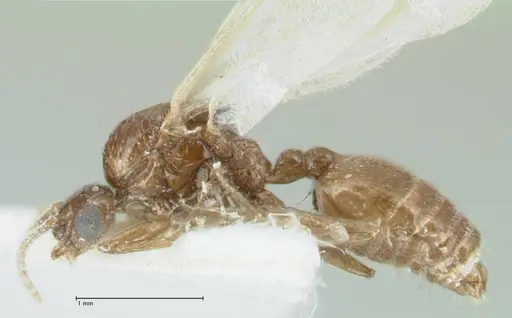
Crematogaster hezaradjatica is a small, yellow ant species native to Afghanistan and Iran in the Palaearctic region. Workers have a uniformly yellow body with fine, confused sculpture on the promesonotum. Like all Crematogaster species, they have a distinctive heart-shaped gaster that can be raised in a defensive display when threatened. The type specimens were collected at 2090m elevation in Afghanistan, suggesting this is a high-altitude species adapted to cooler conditions. This species remains poorly studied, with limited information available about its exact behavior and colony structure.
Quick Summary
- Difficulty: Medium
- Origin & Habitat: Native to Afghanistan and Iran in the Palaearctic region. Type specimens collected at 2090m elevation in Afghanistan (Ordouboulaq, 125km north of Qandahar). Also recorded from Ardabil Province in northwestern Iran at lower elevations around 212m [1]. Listed in Iran's validated Crematogaster species list [2].
- Colony Type: Colony structure is unconfirmed for this species. More research is needed.
- Size & Growth:
- Queen: Size data unavailable, inferred from Crematogaster genus patterns (~6-10mm)
- Worker: Size data unavailable, inferred from Crematogaster genus patterns (~2-6mm)
- Colony: Unknown for this specific species
- Growth: Moderate, estimated from genus patterns
- Development: Estimated 6-8 weeks at optimal temperature based on genus-level data (Development time is inferred from genus patterns. Temperature will affect development speed significantly.)
- Antkeeping:
- Temperature: Based on the high-altitude Afghan origin (2090m), this species can tolerate cooler conditions. Aim for roughly 20-26°C during active season, with a slight gradient allowing them to choose their preferred temperature.
- Humidity: Moderate humidity is appropriate. Keep the nest substrate slightly moist but not waterlogged. Allow some drier areas within the setup so ants can self-regulate.
- Diapause: Likely yes, based on the temperate origin from Afghanistan at 2090m elevation, this species requires a winter rest period.
- Nesting: In nature, this species likely nests in soil or under stones. In captivity, a test tube setup works well for founding colonies. For established colonies, a Y-tong (AAC) nest or plaster formicarium with moderate humidity works well.
- Behavior: Crematogaster hezaradjatica is likely moderately active and will forage for sugar sources and small prey. Like other Crematogaster species, they raise their gaster in a defensive display when threatened. Workers likely forage individually or in small groups. Escape prevention is important as they are small ants that can squeeze through small gaps.
- Common Issues: limited data, this is a poorly studied species so care recommendations are based on genus patterns rather than species-specific research, escape prevention is important due to small worker size, use fine mesh and tight-fitting lids, winter rest is required but the exact duration and temperature needs are unclear, growth rate may be slower than tropical species due to temperate origin, wild-caught colonies may have parasites or diseases
Housing and Nest Setup
For founding colonies, a simple test tube setup works well. Use a test tube with a water reservoir plugged with cotton, this provides humidity without flooding. Place the tube in a dark area to encourage the queen to settle in. Once workers emerge, you can connect a small outworld for foraging. For established colonies with 50+ workers, a Y-tong (AAC) nest or plaster formicarium provides better space. Keep the nest material slightly moist, damp but not soggy. Escape prevention must be excellent: use fine mesh on any ventilation holes and ensure lids fit tightly.
Feeding and Diet
Crematogaster species are omnivorous with a preference for sugar sources. Offer sugar water, honey, or diluted maple syrup as a constant carbohydrate source. For protein, offer small insects like fruit flies, small mealworms, or cricket pieces. They likely supplement their diet with honeydew in nature, so sugar sources are important. Feed protein 2-3 times per week, removing any uneaten prey after 24-48 hours. Fresh sugar water should be offered every few days.
Temperature and Seasonal Care
Based on the high-altitude Afghan origin (2090m elevation), this species can tolerate and likely prefers cooler conditions than many tropical ant species. Keep the nest at roughly 20-26°C during the active season. A heating cable on one side of the nest can create a temperature gradient, allowing ants to regulate their own temperature by moving between warmer and cooler areas. During winter, expect reduced activity and provide a cooler period (roughly 10-15°C) for several months. Do not feed during the winter rest period.
Behavior and Defense
Like all Crematogaster species, these ants have a distinctive defensive behavior: they raise their gaster over their head like a scorpion and may secrete defensive chemicals. This is a warning display rather than a serious threat to keepers. Workers likely forage individually or in small groups, searching for sugar sources and small prey. They are not typically aggressive toward humans but will defend their nest if threatened. Their small size means they can escape through tiny gaps, always use fine mesh and check for gaps in your setup.
Frequently Asked Questions
How long does it take for Crematogaster hezaradjatica to produce first workers?
Based on typical Crematogaster development patterns, expect first workers approximately 6-8 weeks after the queen lays eggs, assuming optimal temperature around 24°C. Development may be slower if temperatures are cooler. The exact timeline for this species has not been directly studied.
What temperature do Crematogaster hezaradjatica ants need?
Keep nest temperatures roughly 20-26°C during the active season. The high-altitude Afghan origin suggests they can tolerate cooler conditions than tropical ants. A temperature gradient allowing them to choose their preferred spot is ideal. During winter, provide a cooler rest period around 10-15°C.
Do Crematogaster hezaradjatica ants need hibernation?
Yes, based on their temperate origin (Afghanistan at 2090m elevation), they require a winter rest period. Reduce temperatures to roughly 10-15°C for 2-3 months during winter. Do not feed during this period and keep them in a cool, dark location.
What do Crematogaster hezaradjatica ants eat?
They are omnivorous with a preference for sugar. Offer sugar water, honey, or maple syrup as a constant carbohydrate source. For protein, offer small insects like fruit flies, small mealworms, or cricket pieces. Remove uneaten prey after 24-48 hours.
How big do Crematogaster hezaradjatica colonies get?
The exact maximum colony size is unknown for this species. Based on related Crematogaster species, colonies may reach several hundred workers.
Can I keep multiple Crematogaster hezaradjatica queens together?
The colony structure for this specific species is not well-documented. Based on typical Crematogaster patterns, single-queen colonies are most common. Combining unrelated queens is not recommended unless you have specific evidence this species accepts multiple queens.
Do Crematogaster hezaradjatica ants sting?
Crematogaster ants can secrete defensive chemicals and may bite, but they are not considered dangerous to humans. Their main defense is raising the gaster in a warning display.
Is Crematogaster hezaradjatica a good species for beginners?
This species is rated Medium difficulty. While not the most challenging species, the limited species-specific information available means you may need to rely on genus-level care knowledge. Their temperate origin and hibernation requirement make them suitable for keepers who can provide seasonal cooling.
When should I move my Crematogaster hezaradjatica colony to a formicarium?
Move to a larger nest setup (like a Y-tong or formicarium) once the colony reaches roughly 30-50 workers and the test tube is becoming cramped. Ensure the new setup has appropriate humidity and escape prevention before transferring.
Why are my Crematogaster hezaradjatica ants dying?
Common causes include: incorrect humidity (too wet or too dry), temperatures outside their preferred range, stress from too much handling or disturbance, parasites from wild-caught colonies, or poor escape prevention allowing escapes. Review each of these factors and adjust accordingly.
Report an Issue
The current care sheet is based fully on literature. See inconsistencies, or something that's incorrect? Please , it will be resolved after review from an admin. Contributing to the blogs tab also helps providing information, to make us be able to further improve the caresheets. Thank you for your support!
References

Ez a tartási útmutató a következő licenc alatt áll: CC BY-SA 4.0 .
Közösségi blogok
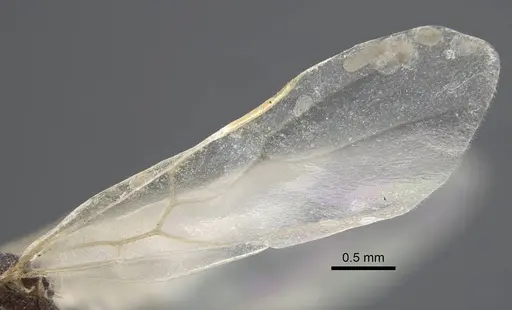
CASENT0917208
Megtekintés az AntWeb-en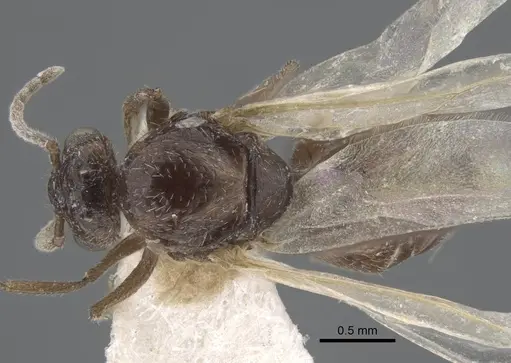
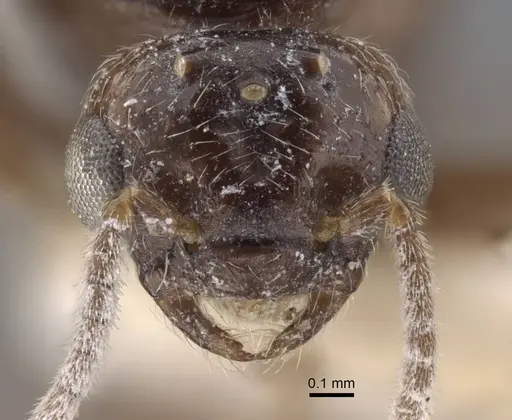
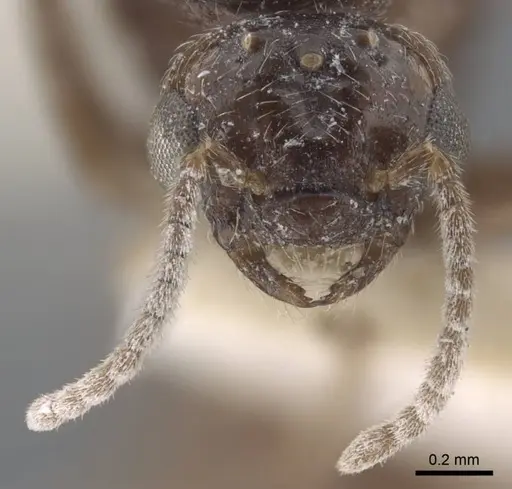
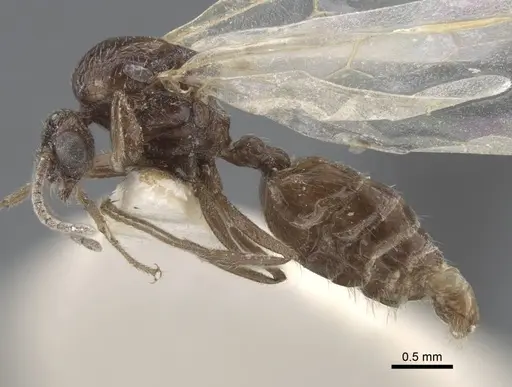
FOCOL1796-1
Megtekintés az AntWeb-en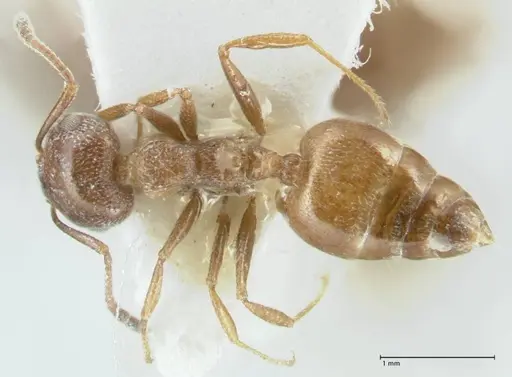
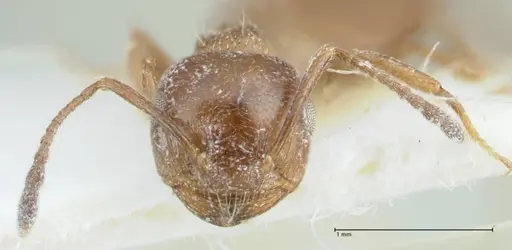
FOCOL1796-2
Megtekintés az AntWeb-en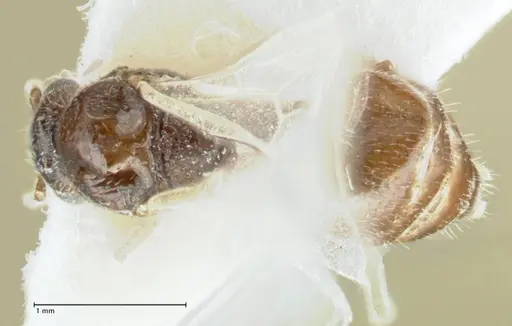
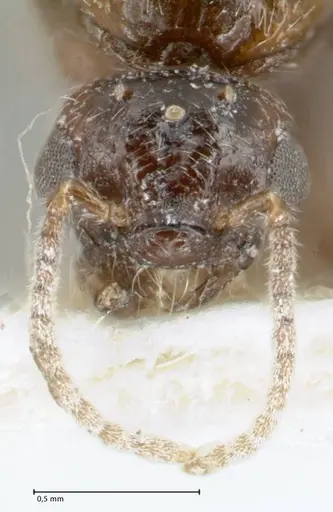
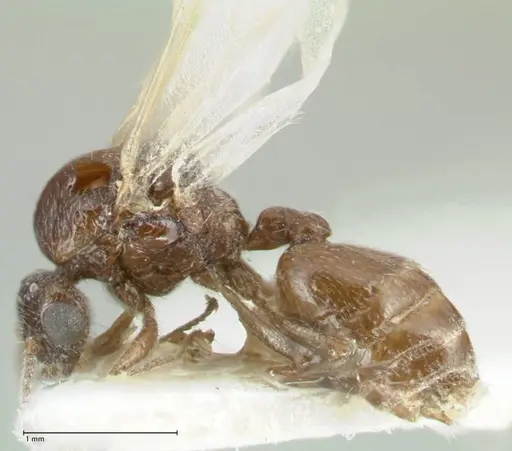
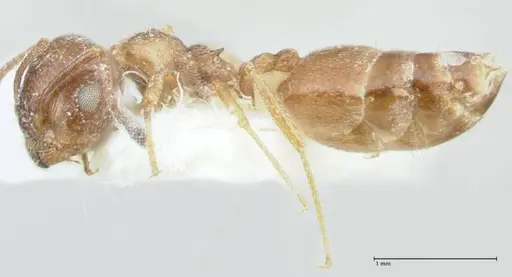
FOCOL1796-3
Megtekintés az AntWeb-en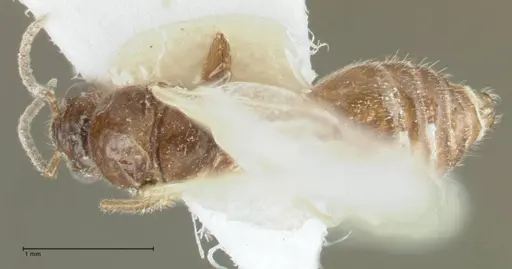
Irodalom
Elterjedési térkép betöltése...Termékek betöltése...