
Crematogaster foraminiceps
- Tud. név
- Crematogaster foraminiceps
- Nemzetség
- Crematogastrini
- Alcsalád
- Myrmicinae
- Szerző
- Santschi, 1913
- Elterjedés
- 0 országban megtalálható
Bevezetés
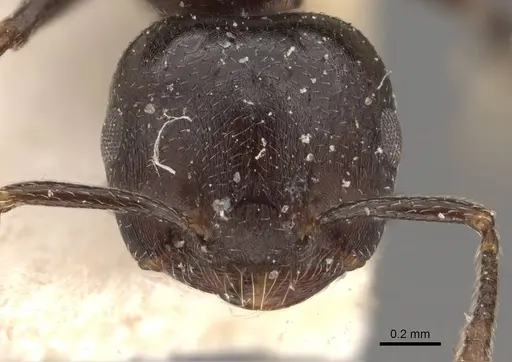
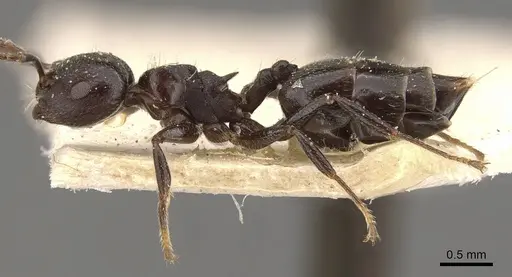
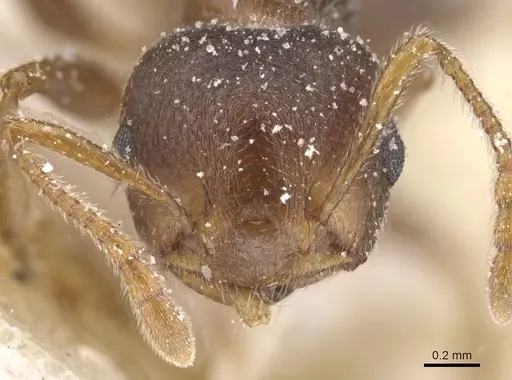
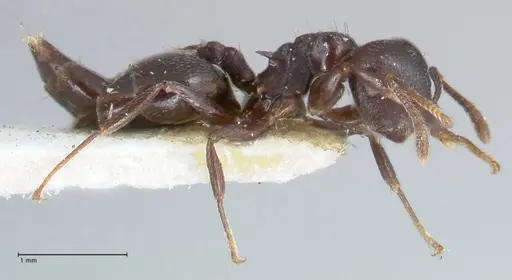
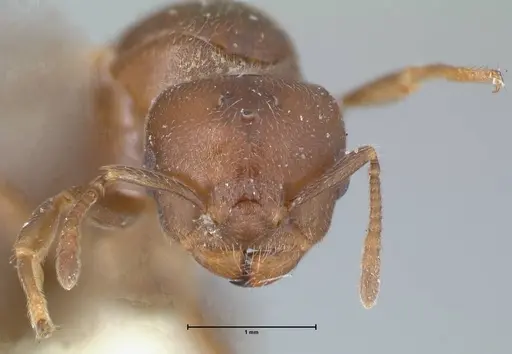
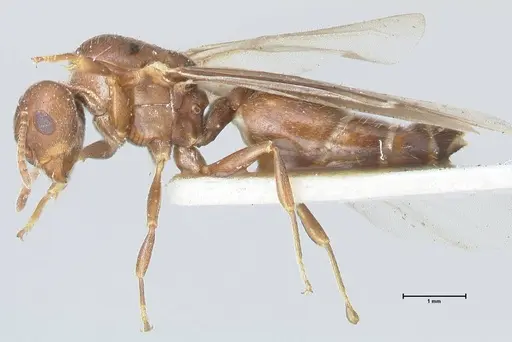
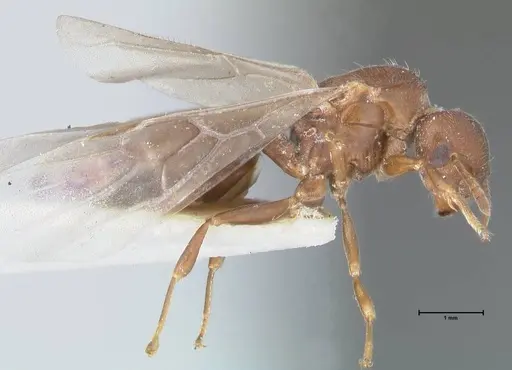
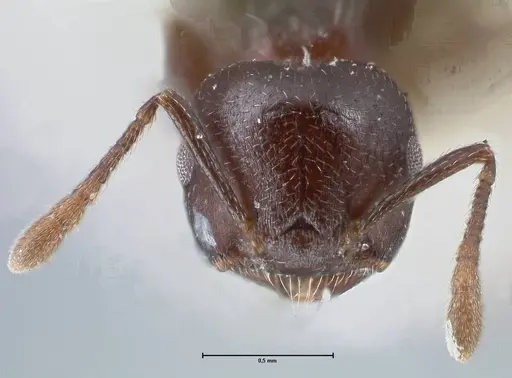
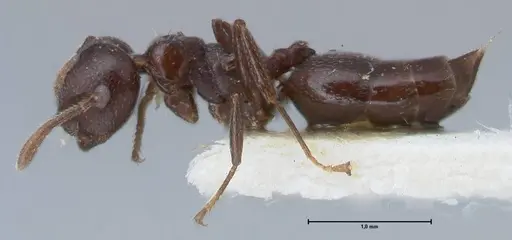
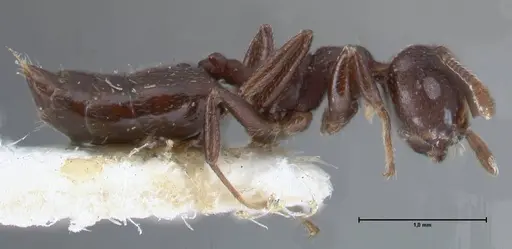
Crematogaster foraminiceps is a tiny African ant with workers measuring 2.2-3 mm in total length . They have the characteristic heart-shaped abdomen of Crematogaster species, which they raise as a defensive display. This species is found in East Africa, including Kenya, Ethiopia, Tanzania , and the Democratic Republic of Congo . They inhabit savannah environments and are often associated with trees like Combretum molle and Lannea schweinfurthii . The genus is known for acrobatic defense behavior, where ants raise their abdomen when threatened.
Quick Summary
- Difficulty: Medium
- Origin & Habitat: East Africa, Kenya, Ethiopia, Tanzania, and Democratic Republic of Congo. Found in savannah environments at moderate elevations, often on trees [1][2][3].
- Colony Type: Based on typical Crematogaster patterns, likely monogyne (single queen colonies), but this is unconfirmed for this species.
- Size & Growth:
- Queen: Size data unavailable, inferred from Crematogaster genus as approximately 5-7 mm
- Worker: 2.2-3 mm [1]
- Colony: Up to several hundred workers, estimated based on genus patterns
- Growth: Moderate, inferred from small worker size
- Development: Estimated 6-8 weeks at optimal temperature, based on related Crematogaster species (Direct development data not available, estimate inferred from genus patterns)
- Antkeeping:
- Temperature: Keep between 22-26°C. Based on high-altitude origin, they prefer cooler conditions, provide a gentle temperature gradient if possible [1].
- Humidity: Keep substrate moderately moist but allow drying between waterings. Based on arboreal habits, they may tolerate drier conditions [3].
- Diapause: Unknown, East African ants from stable climates may not require true hibernation
- Nesting: In nature, they nest in dead wood or on trees. In captivity, use small wooden or Y-tong nests with appropriately sized chambers [3].
- Behavior: Active foragers that raise their abdomen defensively when threatened. Their tiny size requires strict escape prevention. They are not aggressive toward humans but will defend their nest [3].
- Common Issues: escape prevention is critical due to their very small size, use fine mesh and tight-fitting barriers, slow colony growth can frustrate beginners, these are small ants with naturally slow development, wild-caught colonies may have parasites that are difficult to detect, overfeeding can lead to mold in small nest setups, remove uneaten food promptly, test tube setups must be properly sized, too large water reservoirs can flood the colony
Housing and Nest Setup
Your nest must be scaled to their tiny 2-3 mm size. Use small wooden or Y-tong nests with narrow chambers. Test tube setups work for founding colonies, but use small diameter tubes. Escape prevention is critical, apply fluon or use fine mesh on openings [1]. Include vertical space or small branches to mimic arboreal habits [3].
Feeding and Diet
Feed them sugar water or honey diluted with water 2-3 times per week, and offer small protein like fruit flies or pinhead crickets once or twice weekly. Remove uneaten food within 24 hours to prevent mold. Prey should be appropriately sized for their small stature.
Temperature and Seasonal Care
Keep temperatures between 22-26°C, based on their high-altitude origin. Avoid temperatures above 30°C. Stable conditions are important, avoid sudden fluctuations [1].
Behavior and Defense
Crematogaster ants are known for raising their abdomen when threatened, a general defense behavior of the genus. They are active foragers and will defend their nest against other ants. Their small size makes them vulnerable to larger species, so keep them separated from aggressive colonies [3].
Colony Development
A newly mated queen will lay eggs in a sealed chamber, relying on stored fat reserves. First workers (nanitics) may emerge in 6-8 weeks at optimal temperature. Colony growth is slow, reaching several hundred workers over time. Keep feeding consistent and remove mold to protect brood.
Frequently Asked Questions
How long does it take for Crematogaster foraminiceps to have first workers?
Based on related species, expect first workers 6-8 weeks after egg-laying at optimal temperatures around 24°C. Specific data for this species is not available [1].
What do Crematogaster foraminiceps ants eat?
They are omnivorous. Feed sugar water or honey diluted with water, and small protein like fruit flies or pinhead crickets 1-2 times per week. Remove uneaten food within 24 hours.
Do Crematogaster foraminiceps ants sting?
They have a stinger, but due to their tiny size, it is unlikely to penetrate human skin. They are more likely to raise their abdomen in warning, a typical Crematogaster defense behavior [3].
What temperature do Crematogaster foraminiceps need?
Keep them at 22-26°C. Their high-altitude origin suggests they prefer cooler conditions than typical tropical ants [1].
Are Crematogaster foraminiceps good for beginners?
They are rated as medium difficulty. Their small size requires careful escape prevention, and colony growth is slow. They are more challenging than common beginner species but manageable with attention to detail.
How big do Crematogaster foraminiceps colonies get?
Colony size is not documented, but based on genus patterns, they may reach several hundred workers. Growth is slow, so focus on establishing a healthy colony in the first year.
Can I keep multiple Crematogaster foraminiceps queens together?
This species is likely monogyne based on genus patterns. Combining unrelated queens is not recommended as they would likely fight. House queens alone for founding.
Do Crematogaster foraminiceps need hibernation?
True hibernation is unlikely. As East African ants from a stable climate, keep them at stable temperatures year-round. They may have reduced activity in cooler periods but do not require diapause.
Why are my Crematogaster foraminiceps escaping?
Their tiny 2-3 mm size means they can squeeze through small gaps. Use fine mesh (0.5 mm or smaller) and apply fluon to barriers. Check all openings carefully [1].
When should I move my colony to a formicarium?
Move them when the test tube setup becomes crowded or the water reservoir is depleted, typically when the colony reaches 20-30 workers. Use a small Y-tong nest with appropriately sized chambers.
Report an Issue
The current care sheet is based fully on literature. See inconsistencies, or something that's incorrect? Please , it will be resolved after review from an admin. Contributing to the blogs tab also helps providing information, to make us be able to further improve the caresheets. Thank you for your support!
References

Ez a tartási útmutató a következő licenc alatt áll: CC BY-SA 4.0 .
Közösségi blogok
CASENT0904515
Megtekintés az AntWeb-en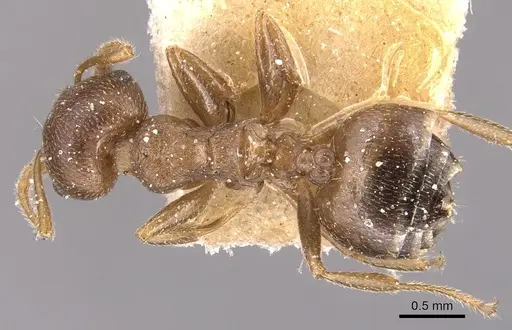
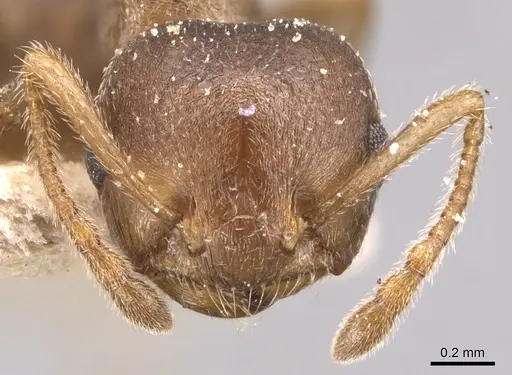
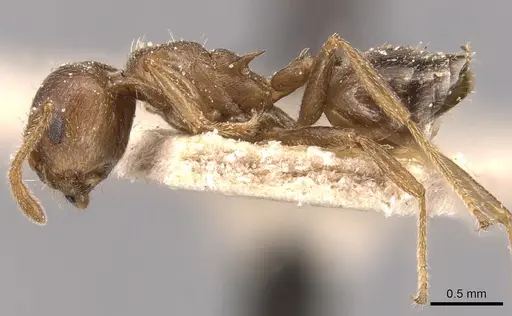
CASENT0908526
Megtekintés az AntWeb-en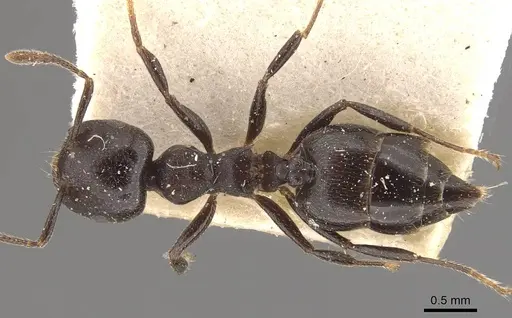
CASENT0912669
Megtekintés az AntWeb-en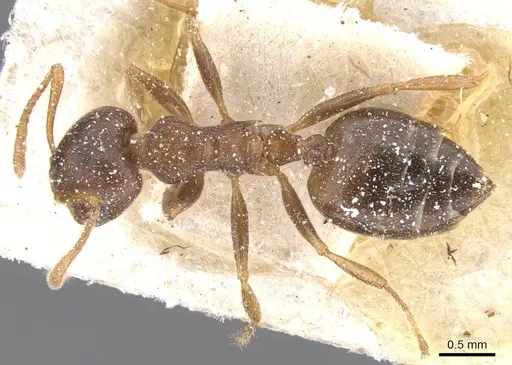
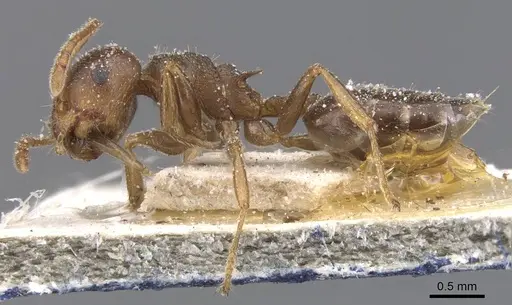
CASENT0915371
Megtekintés az AntWeb-en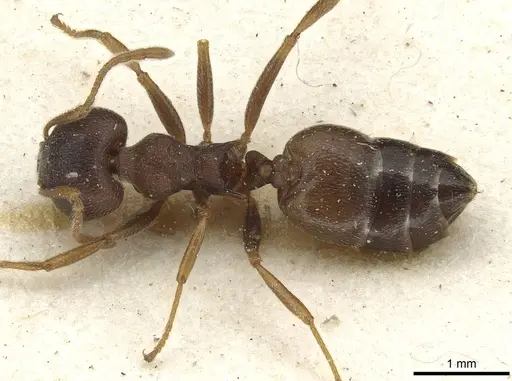
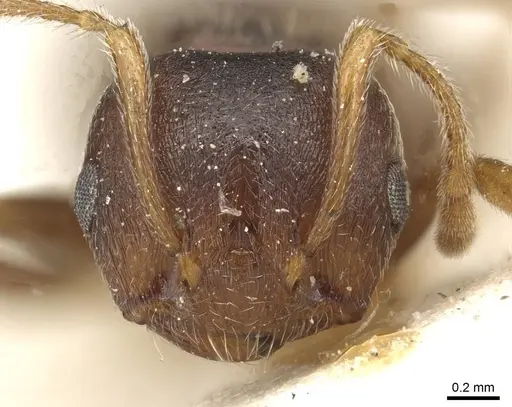
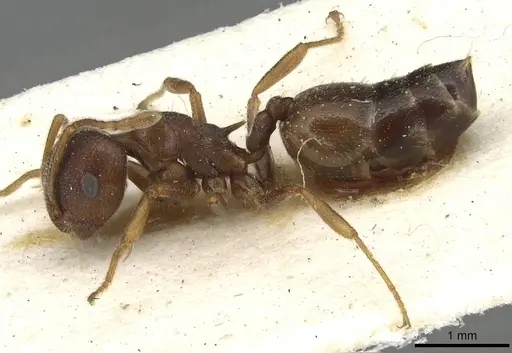
CASENT0916982
Megtekintés az AntWeb-en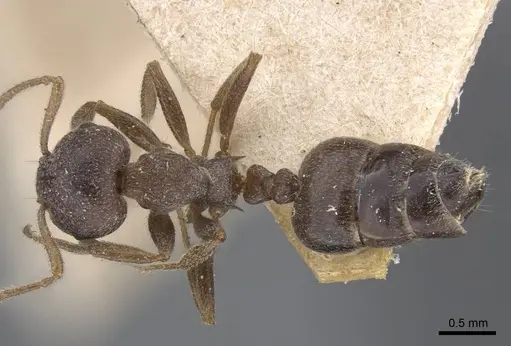
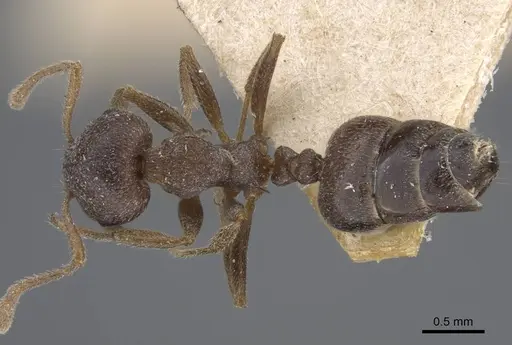
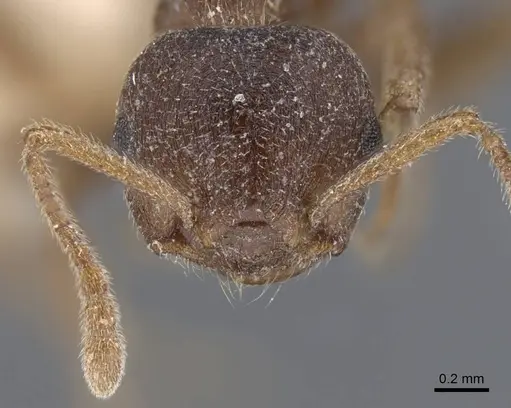
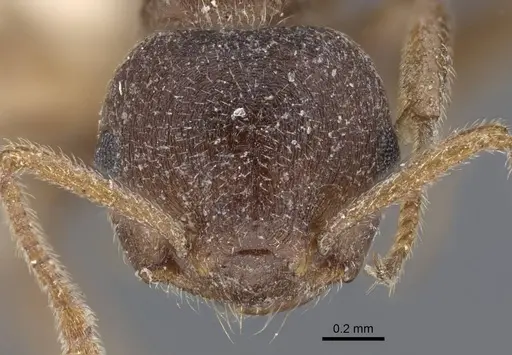
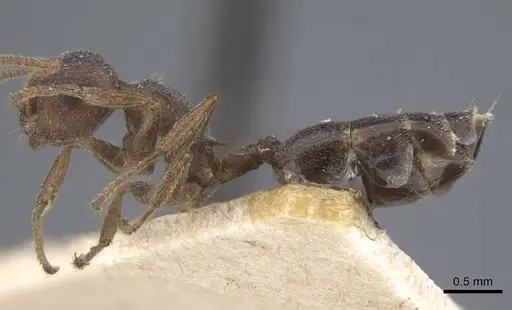
FOCOL1491
Megtekintés az AntWeb-en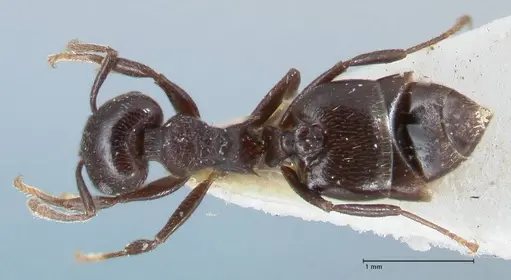
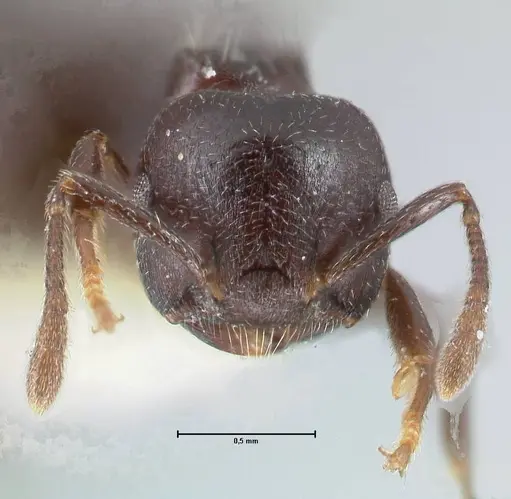
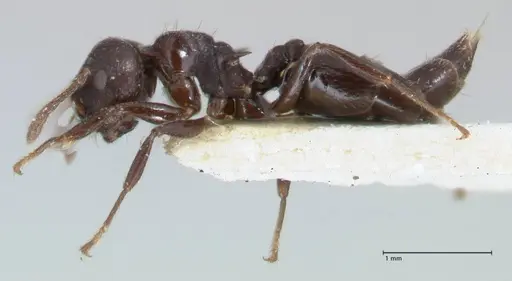
FOCOL1492
Megtekintés az AntWeb-en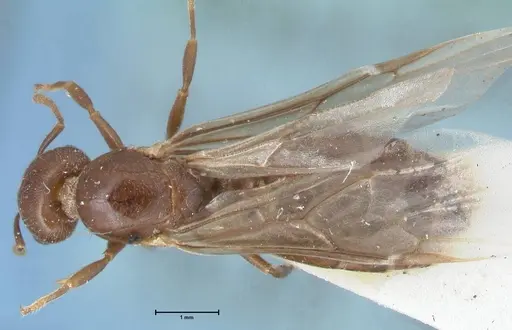
FOCOL1493
Megtekintés az AntWeb-en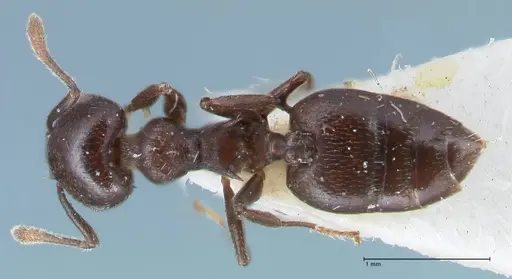
Irodalom
Elterjedési térkép betöltése...Termékek betöltése...