
Crematogaster cephalotes
- Tud. név
- Crematogaster cephalotes
- Nemzetség
- Crematogastrini
- Alcsalád
- Myrmicinae
- Szerző
- Smith, 1857
- Elterjedés
- 0 országban megtalálható
Bevezetés
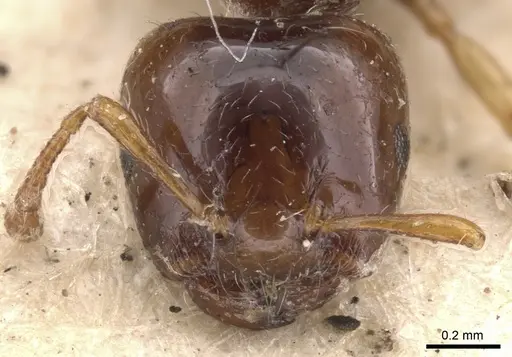
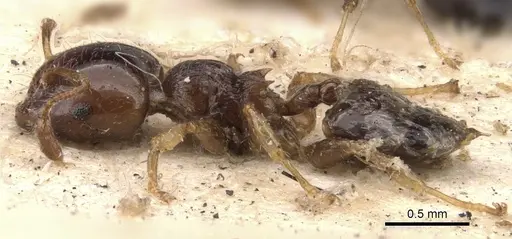
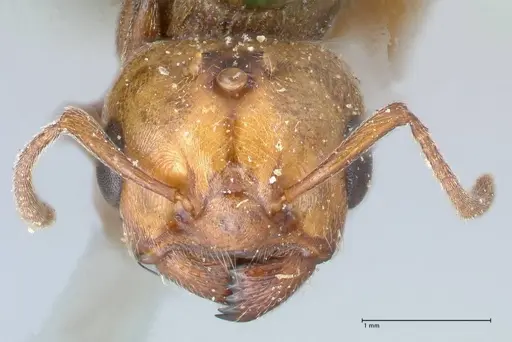
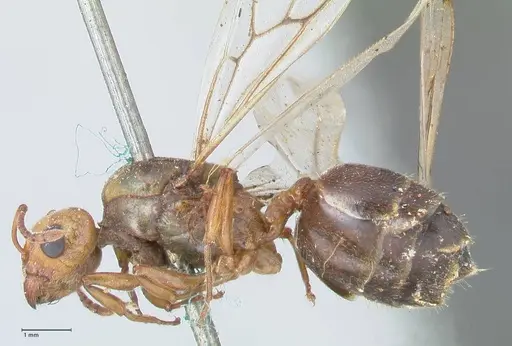
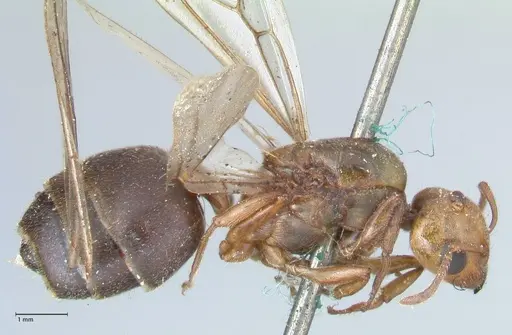
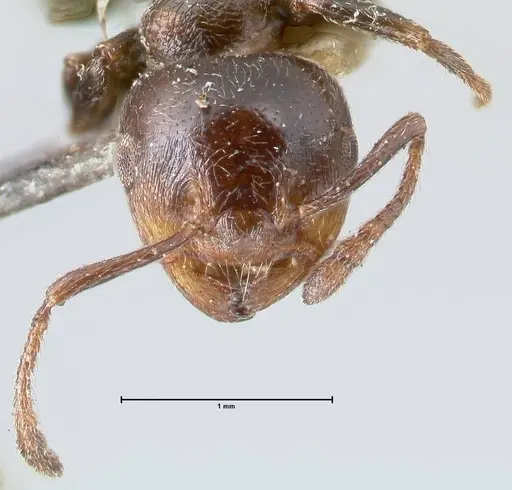
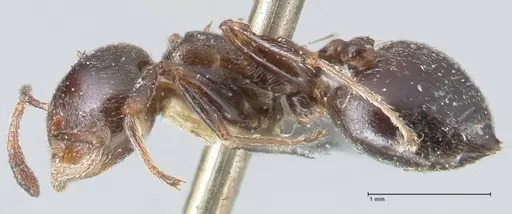
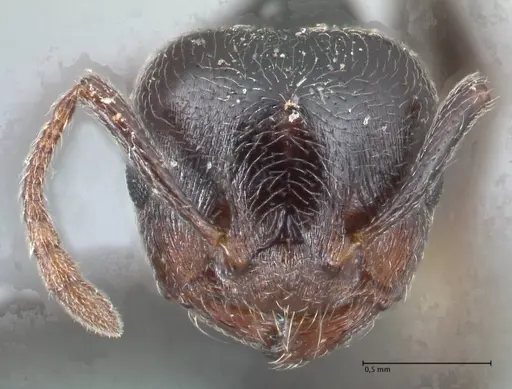
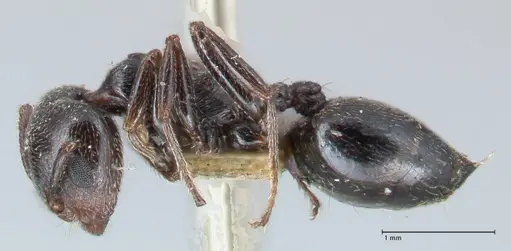
Crematogaster cephalotes is a small ant species originally described by Frederick Smith in 1857 from Sarawak, Borneo. Workers are approximately 2.1-2.6 mm , with a distinctive heart-shaped abdomen that they raise defensively - giving them the common name 'acrobat ants'. The species belongs to the borneensis-group within the subgenus Decacrema . These ants are found throughout the Indomalaya region, particularly in Borneo and Malaysia , where they typically nest in rotting wood, under bark, or in hollow plant stems in humid tropical environments.
Quick Summary
- Difficulty: Medium
- Origin & Habitat: Native to Borneo, Indonesia, and Malaysia in the Indomalaya region. Found in tropical rainforest environments where they nest in rotting wood, under bark, and in hollow stems [3].
- Colony Type: Colony structure is unconfirmed for this species. No specific data on queen number or social structure.
- Size & Growth:
- Antkeeping:
- Temperature: Keep at 24-28°C. These are tropical ants that need warm, stable conditions.
- Humidity: Keep the nest substrate consistently moist but not waterlogged [3].
- Diapause: No, these are tropical ants that do not require hibernation.
- Nesting: They prefer nesting in wood-based materials. A Y-tong (AAC) nest, plaster nest, or naturalistic setup with rotting wood pieces works well [3].
- Behavior: Crematogaster cephalotes has the typical acrobat ant defense behavior, when threatened, workers raise their abdomen over their head in a defensive posture. They are generally not aggressive toward keepers but will defend their nest vigorously. Workers are active foragers. Their small size means they can escape through tiny gaps, excellent escape prevention is critical.
- Common Issues: escape prevention is critical due to their very small size, use fine mesh and tight-fitting lids, tropical humidity requirements mean they can quickly die in dry conditions, wild-caught colonies may carry parasites that can devastate captive colonies, slow founding phase means colonies can stall if conditions aren't optimal, overheating is dangerous, keep away from direct sunlight and excessive heat sources
Housing and Nest Setup
Crematogaster cephalotes needs a humid, wood-based nesting environment. A Y-tong (AAC) nest or plaster nest works well, both hold humidity well and provide the dark, enclosed spaces these ants prefer [3]. For the outworld, a simple container with a small water test tube for drinking and a feeding area is sufficient. Because they are tiny, use fine mesh on any ventilation holes. The nest should have chambers scaled to their small worker size (2.1-2.6 mm). A naturalistic setup with pieces of rotting wood or cork bark can also work, but you'll need to maintain high humidity carefully. Keep the nest out of direct sunlight and away from air conditioning vents that could dry them out.
Feeding and Diet
Like most Crematogaster species, C. cephalotes is omnivorous with a preference for sweet liquids. Offer sugar water, honey, or diluted maple syrup as a constant food source. For protein, provide small insects like fruit flies, pinhead crickets, or mealworm pieces. They are not strong hunters, so prey should be small and easy to subdue. Some keepers report that Crematogaster readily accept commercial ant jelly or protein paste. Feed protein 2-3 times per week, and keep sugar sources available at all times. Remove uneaten sweet foods after 2-3 days to prevent mold. A varied diet helps promote colony growth and egg production.
Temperature and Humidity Management
These tropical ants need warm, humid conditions year-round. Keep the nest area at 24-28°C, use a low-wattage heating cable on one side only if your room temperature is below this range. Never place the nest in direct sunlight as overheating can kill the colony quickly. Humidity is critical: maintain moist substrate conditions [3]. Use a water test tube as a humidity reservoir and mist the outworld occasionally, but avoid getting water directly on the ants. A hygrometer near the nest helps monitor conditions. If the substrate dries out, the colony will decline rapidly, check moisture levels every few days.
Behavior and Defense
The defining behavior of Crematogaster ants is their defensive posture. When threatened, workers raise their abdomen over their head, pointing the stinger forward, this is where the common name 'acrobat ant' comes from. While they can sting, their small size means the sting is rarely felt by humans. They are not aggressive but will defend their nest territory. Workers are active foragers that search both on the ground and up vertical surfaces. They communicate using chemical trails to food sources. In the nest, they keep the brood stacked in layers within the chambers. Watching workers move brood between chambers to manage temperature and humidity is common behavior.
Colony Growth and Development
A newly mated queen will seal herself into a small chamber and lay her first eggs. The claustral founding phase is unconfirmed for this species, but based on related Crematogaster patterns, it may take 4-6 weeks before the first workers emerge. These first workers are smaller than normal workers but will begin foraging to feed the growing colony. Growth is moderate, a healthy colony should reach 50-100 workers within the first year if conditions are optimal. Maximum colony size for this species is not documented. The queen can live for many years, with colonies persisting for a decade or more under good conditions. Regular feeding and stable humidity are the keys to steady growth.
Frequently Asked Questions
How long does it take for Crematogaster cephalotes to produce first workers?
Expect first workers (nanitics) in about 6-8 weeks after the queen lays her eggs, assuming optimal conditions of 26°C and high humidity. This is estimated from related Crematogaster species as specific development data for C. cephalotes is not available.
Do Crematogaster cephalotes ants sting?
Yes, they can sting, but due to their very small size (2.1-2.6 mm), the sting is rarely felt by humans. Their main defense is the acrobat posture where they raise their abdomen over their head to point their stinger forward.
What do Crematogaster cephalotes eat?
They are omnivorous. Offer constant sugar sources (sugar water, honey, or maple syrup) and protein 2-3 times weekly (small insects, fruit flies, or mealworm pieces). They are not active hunters, so prey should be small and easy to capture.
Can I keep Crematogaster cephalotes in a test tube?
Test tubes can work for founding colonies, but these ants need high humidity that can be difficult to maintain in a simple test tube setup. A Y-tong or plaster nest is better for maintaining the humidity levels they need [3]. If using test tubes, use a water reservoir and monitor for drying.
Do Crematogaster cephalotes need hibernation?
No, they are tropical ants from Borneo and Malaysia. They do not require hibernation and should be kept at warm temperatures (24-28°C) year-round. Attempting to hibernate them can kill the colony.
Are Crematogaster cephalotes good for beginners?
They are rated as Medium difficulty. They require stable high humidity and warm temperatures, which can be challenging to maintain consistently. Their small size also makes escape prevention important. They are not the best choice for complete beginners, but experienced antkeepers should find them manageable.
How big do Crematogaster cephalotes colonies get?
Colony size is not well documented for this specific species. Data is unavailable, but related Crematogaster species typically reach several hundred workers.
Why are my Crematogaster cephalotes dying?
The most common causes are: low humidity (they need moist substrate), temperatures that are too cold (below 24°C), or escape through tiny gaps. Check your setup first. Wild-caught colonies may also carry parasites that can cause colony collapse. Ensure your colony has constant access to sugar and appropriate protein.
When should I move my colony to a formicarium?
Move them when the test tube or founding setup becomes crowded, typically when you have 30-50+ workers. Make sure the new nest has appropriately sized chambers for their tiny workers and maintains humidity well. Acclimate them gradually to the new environment.
Can I keep multiple Crematogaster cephalotes queens together?
This is not recommended. While some Crematogaster can be polygynous, combining unrelated queens of this species has not been documented and queens will likely fight. It's best to keep one queen per colony.
Report an Issue
The current care sheet is based fully on literature. See inconsistencies, or something that's incorrect? Please , it will be resolved after review from an admin. Contributing to the blogs tab also helps providing information, to make us be able to further improve the caresheets. Thank you for your support!
References

Ez a tartási útmutató a következő licenc alatt áll: CC BY-SA 4.0 .
Közösségi blogok
CASENT0901436
Megtekintés az AntWeb-en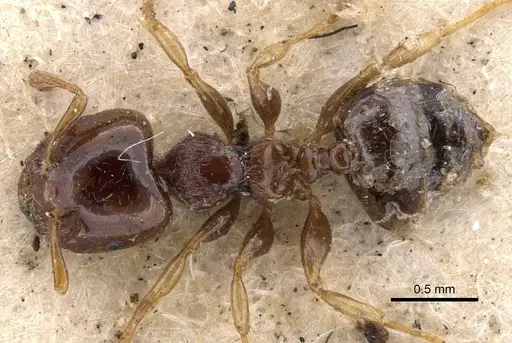
FOCOL1478
Megtekintés az AntWeb-en
FOCOL1479
Megtekintés az AntWeb-en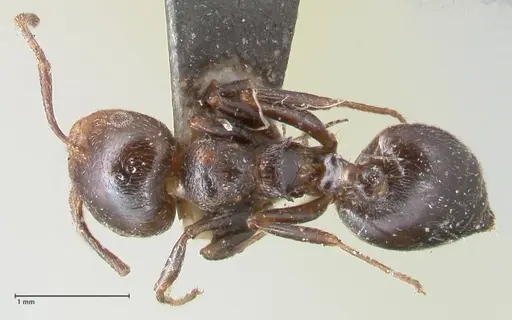
FOCOL1480
Megtekintés az AntWeb-en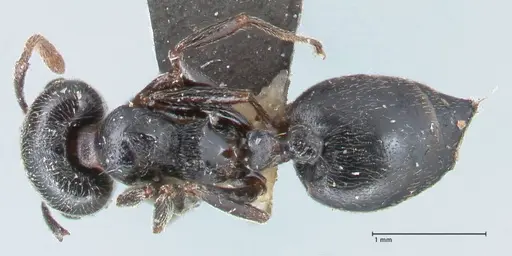
Irodalom
Elterjedési térkép betöltése...Termékek betöltése...