
Centromyrmex secutor
- Tud. név
- Centromyrmex secutor
- Nemzetség
- Ponerini
- Alcsalád
- Ponerinae
- Szerző
- Bolton & Fisher, 2008
- Elterjedés
- 0 országban megtalálható
Bevezetés
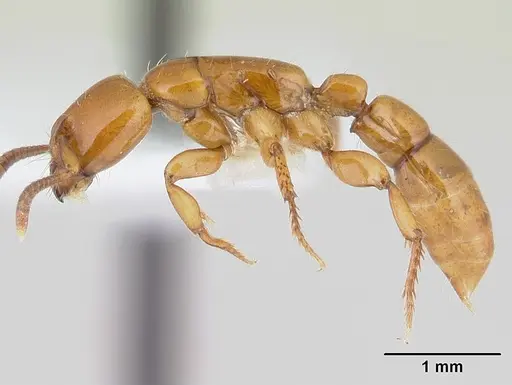
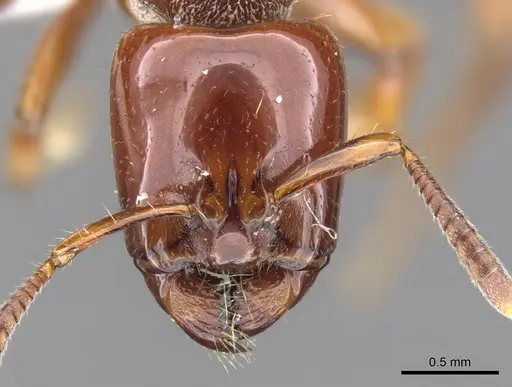
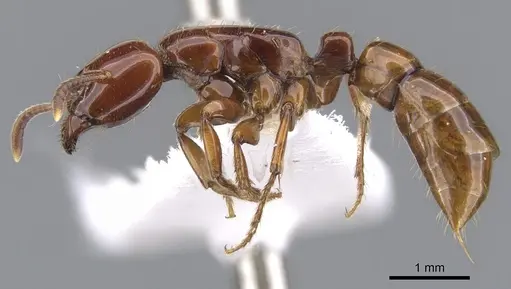
Centromyrmex secutor is a medium-sized ponerine ant native to West Africa, specifically Gabon, Ivory Coast, and Liberia. Workers measure 4.5-7.3mm in total length and show notable polymorphism - larger workers can reach nearly 7.3mm while the smallest are around 4.5mm . The species has an elongated body with distinctive features including a hypertrophied metapleural gland that extends toward the propodeal spiracle, and mandibles with 4-5 teeth depending on worker size . This species is closely related to C. bequaerti and shares the same polymorphic worker variations. The queen and male remain unknown, with only the worker caste described . As a Ponerine ant, they possess a functional sting for defense.
Quick Summary
- Difficulty: Expert
- Origin & Habitat: West Africa, Gabon, Ivory Coast, and Liberia. Found in forested habitats at La Makandé in the Forêt des Abeilles [1][2][3].
- Colony Type: Unknown, colony structure has not been documented. Only worker caste known.
- Size & Growth:
- Queen: Unknown, queen has not been described [1]
- Worker: 4.5-7.3 mm (polymorphic) [1][2]
- Colony: Unknown, no colony size data available
- Growth: Unknown
- Development: Unknown, development has not been studied (No direct data available. Ponerine ants typically require 6-12 weeks for development at optimal temperatures.)
- Antkeeping:
- Temperature: Unknown for this species. Based on related West African ponerines, aim for 24-28°C with a gradient allowing workers to self-regulate.
- Humidity: Unknown. Forest-dwelling West African ants typically prefer 70-85% humidity. Keep substrate consistently moist but not waterlogged.
- Diapause: Unknown, no seasonal data available. West African species may not require true hibernation but may have reduced activity periods.
- Nesting: Unknown, natural nesting behavior not documented. Related species often nest in rotting wood or soil. A naturalistic setup with moist substrate and narrow chambers would be appropriate to start.
- Behavior: Not documented. As a Ponerine ant, they have a functional sting and may be defensive when disturbed. Escape prevention should be excellent given their moderate size. Based on genus patterns, they are likely predatory on small invertebrates.
- Common Issues: colony establishment is extremely difficult, no founding or colony data exists for this species, queen remains unknown, making captive breeding from wild-caught queens impossible at this time, temperature and humidity requirements are unconfirmed, experimental setup required, diet preferences are unknown, must be determined through trial and error, wild-caught colonies may have parasites or diseases with no documented treatment
Species Overview and Identification
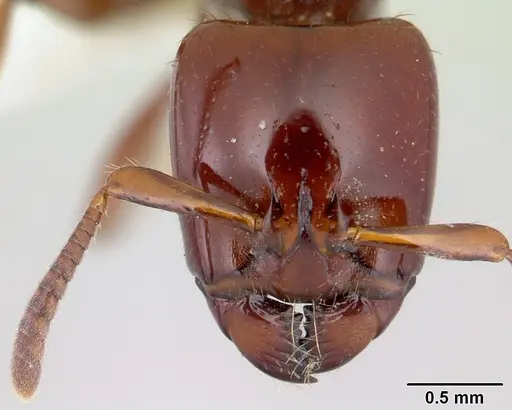
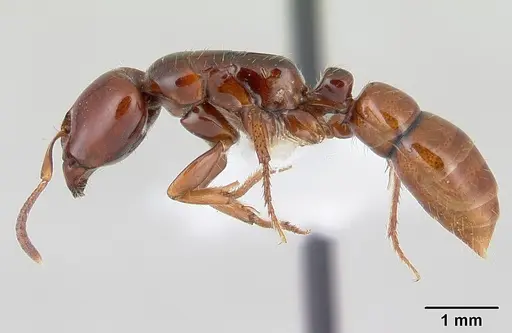
Centromyrmex secutor is a ponerine ant discovered in 2008. Workers show significant size polymorphism, ranging from 4.5mm in the smallest workers to 7.3mm in the largest [1]. This polymorphism is similar to its close relative C. bequaerti. The most distinctive morphological features include the hypertrophied metapleural gland bulla that extends anterodorsally to the base of the propodeal spiracle, and the reduced spination on the legs, notably lacking the stout spiniform setae found on related species [1][2]. The mandibles have 4 teeth in smallest workers and 5 in larger workers. The petiole shape also varies with worker size, being higher than long in large workers but longer than high in smaller workers [1]. This species is known only from worker castes, the queen and male remain undescribed.
Distribution and Habitat
Centromyrmex secutor is known from three West African countries: Gabon, Ivory Coast, and Liberia [3]. The type locality is La Makandé in the Forêt des Abeilles (Forest of the Bees) in Gabon, collected in January-February 1999 [1]. The specific habitat requirements are not documented, but the Forêt des Abeilles is a forested region in Gabon. Based on the genus preferences, these ants likely inhabit damp forest floor environments, potentially in rotting wood or under leaf litter. The limited distribution data suggests this species may have specific habitat requirements or may be overlooked due to its cryptic habits.
Housing and Nesting
Since nothing is known about the natural nesting behavior of C. secutor, you will need to experiment with different setups. Based on related Centromyrmex species and other West African ponerines, a naturalistic setup with moist substrate would be a reasonable starting point. Provide rotting wood pieces or cork bark as potential nest sites. The setup should allow for good humidity retention while preventing mold. Use a test tube setup for initial colony housing if you obtain workers, with a water reservoir to maintain humidity. Ensure excellent escape prevention, while not tiny, these ants can still squeeze through small gaps. A layer of fluon on container edges is recommended.
Feeding and Diet
The diet of Centromyrmex secutor has not been documented. As a ponerine ant, it likely predates on small invertebrates such as springtails, mites, and tiny insects. Centromyrmex species are known to be predators, and some related genera in the Ponerini tribe are specialized predators. Offer small live prey like springtails, fruit flies, and tiny crickets. Sugar sources may be accepted but this is uncertain, offer honey water or sugar water occasionally but do not rely on it as a primary food source. Given the lack of data, you will need to experiment to determine accepted foods. Start with live prey and observe feeding behavior.
Temperature and Seasonal Care
No specific temperature data exists for this species. Based on its West African distribution (Gabon, Ivory Coast, Liberia), it likely prefers warm, stable temperatures in the range of 24-28°C. Provide a temperature gradient so workers can self-regulate by moving between warmer and cooler areas. A heating cable on one side of the nest can create this gradient. Regarding seasonal patterns, West African species may not experience true hibernation but could have periods of reduced activity. Monitor your colony, if workers become less active, reduce feeding and slightly lower temperatures, but maintain basic humidity. Do not allow temperatures to drop below 20°C unless the colony shows clear signs of dormancy.
Behavior and Temperament
The behavior of C. secutor has not been studied in detail. As a Ponerine ant, it possesses a functional sting and should be handled with caution. Ponerine ants are typically more defensive than many formicine or myrmicine species, and may sting when threatened. Workers are moderately sized at 4.5-7.3mm, so escape prevention should be taken seriously. The polymorphic worker caste suggests division of labor, larger workers may handle different tasks than smaller ones, similar to what is seen in related species. Do not disturb colonies unnecessarily, and use red film or darkness during observation to minimize stress. [1][2]
Challenges and Limitations
Keeping Centromyrmex secutor presents extreme challenges due to the complete lack of biological data. The queen has never been described, meaning you cannot establish a colony from a wild-caught queen, only established colonies with workers could potentially be kept, and such colonies have never been documented in captivity. If you obtain workers, expect a difficult establishment phase with experimental care. There is no information on acceptable foods, temperature preferences, humidity requirements, or colony structure. You will essentially be pioneering all aspects of their care. Document your observations carefully as any successful husbandry would represent new knowledge for this species. Consider whether other, better-documented species might be more appropriate for your collection. [1]
Frequently Asked Questions
Can I keep Centromyrmex secutor in a test tube?
A test tube setup could work for a small group of workers, but this species likely needs more space and a naturalistic setup with moist substrate. Start with a test tube with a water reservoir for humidity, but be prepared to move them to a larger setup.
What do Centromyrmex secutor ants eat?
Diet is completely unconfirmed. Based on genus patterns, they are likely predators. Offer small live prey like springtails, fruit flies, and tiny crickets. Sugar sources may or may not be accepted, experiment cautiously.
How long until first workers develop?
Unknown, development has not been studied. Based on typical ponerine development, expect 6-12 weeks from egg to worker at optimal temperatures (around 26°C).
Are Centromyrmex secutor good for beginners?
No. This is an expert-level species with absolutely no documented care information. There is no queen description, no colony data, and no established husbandry protocols. Do not attempt unless you are an experienced keeper willing to experiment extensively.
What temperature do Centromyrmex secutor need?
Unconfirmed. Based on West African distribution, aim for 24-28°C with a gradient. Start around 26°C and adjust based on colony activity. Do not let temperatures drop below 20°C.
Do Centromyrmex secutor need hibernation?
Unknown, no seasonal data exists. West African species typically do not require true hibernation. Monitor for natural activity reductions and adjust care accordingly, but do not force dormancy.
How big do Centromyrmex secutor colonies get?
Unknown, colony size has not been documented. Related Centromyrmex species typically have moderate colonies. Without queen data, colony establishment in captivity is currently impossible.
Can I keep multiple queens together?
Unknown, colony structure has not been studied. The queen has never been described, so combining queens is not possible at this time.
Why is there no care information for this species?
Centromyrmex secutor was only described in 2008 and remains one of the least-studied ant species. Only the worker caste is known, and no biological research has been published on its behavior, diet, or reproduction.
Report an Issue
The current care sheet is based fully on literature. See inconsistencies, or something that's incorrect? Please , it will be resolved after review from an admin. Contributing to the blogs tab also helps providing information, to make us be able to further improve the caresheets. Thank you for your support!
References

Ez a tartási útmutató a következő licenc alatt áll: CC BY-SA 4.0 .
Közösségi blogok
CASENT0178748
Megtekintés az AntWeb-en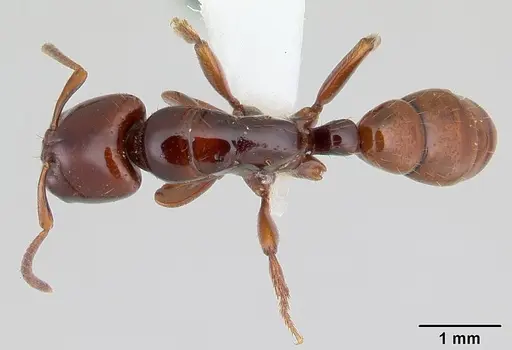
CASENT0178749
Megtekintés az AntWeb-en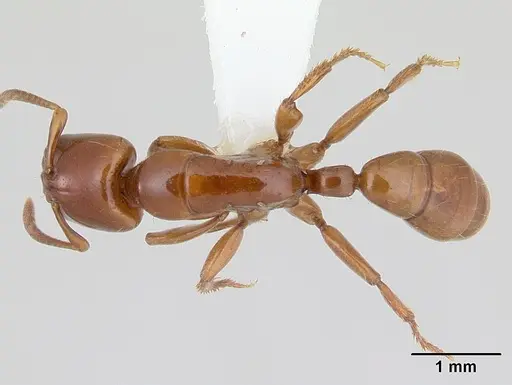
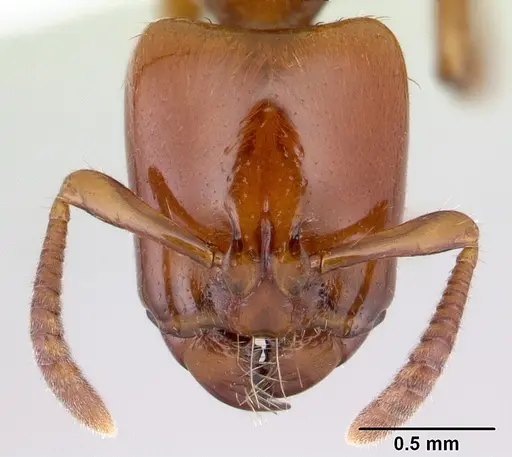
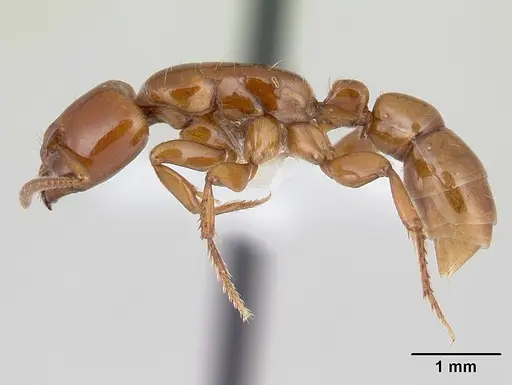
CASENT0178750
Megtekintés az AntWeb-en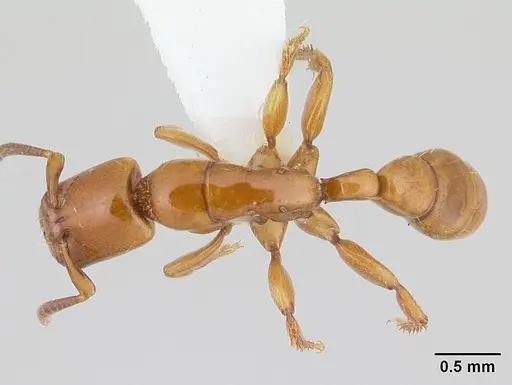
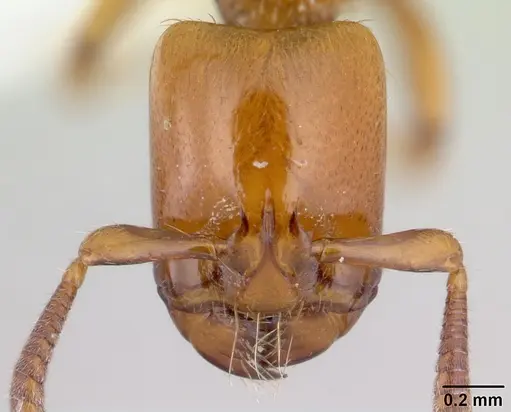
CASENT0902462
Megtekintés az AntWeb-en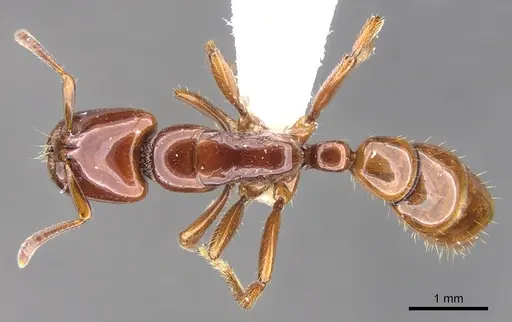
Irodalom
Elterjedési térkép betöltése...Termékek betöltése...