
Cataulacus muticus
- Tud. név
- Cataulacus muticus
- Nemzetség
- Crematogastrini
- Alcsalád
- Myrmicinae
- Szerző
- Emery, 1889
- Elterjedés
- 0 országban megtalálható
Bevezetés
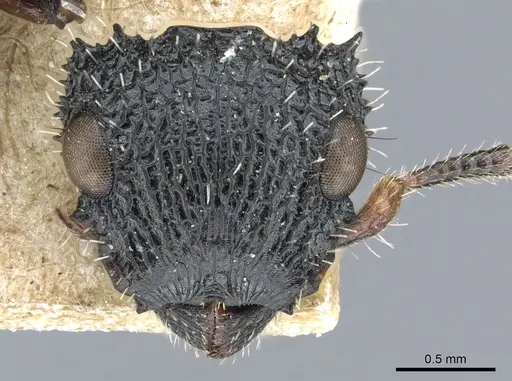
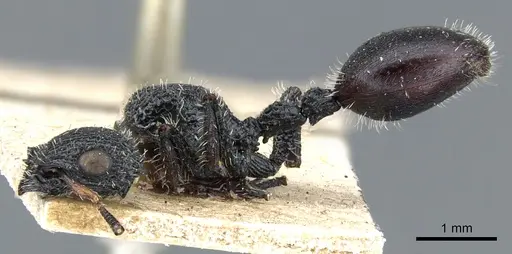
Cataulacus muticus is a medium-sized arboreal ant with workers measuring 5.5-6.0 mm in total length. This species is native to the Indomalaya region, including India, Myanmar, Malaysia, and the Nicobar Islands . They specialize in nesting inside hollow bamboo internodes, particularly giant bamboo species like Gigantochloa scortechinii and Dendrocalamus asper . A key behavior is their flood defense system: workers use their phragmotic heads to block nest entrances during heavy rains, and they practice communal peeing to remove excess water from the nest .
Quick Summary
- Difficulty: Medium
- Origin & Habitat: Native to the Indomalaya region, India, Myanmar, Malaysia, and Nicobar Islands, living in hollow bamboo internodes in tropical forests [1][2][4][3].
- Colony Type: Monogynous (single queen) and polydomous (multiple connected nests across bamboo culms), with colonies containing up to 2,000 workers [3].
- Size & Growth:
- Antkeeping:
- Temperature: Keep at 25-28°C, inferred from tropical habitat requirements
- Humidity: High humidity needed, keep nest substrate consistently moist but not waterlogged
- Diapause: No, tropical species does not require hibernation
- Nesting: Vertical or diagonal nests mimicking bamboo internodes, using Y-tong or similar materials [4][3]
- Behavior: Calm and non-aggressive species. Workers use phragmotic head blocking for defense and practice communal peeing to manage water levels [3]. They are skilled climbers but not extreme escape artists.
- Common Issues: tropical temperature requirements mean colonies can struggle in cool rooms, monitor temperatures closely., arboreal nature requires vertical space and appropriate nesting, horizontal setups may not be ideal., high humidity needs can lead to mold if ventilation is poor., polydomous colonies spread across multiple nest areas, ensure all connected spaces meet their needs., wild-caught colonies may be stressed from bamboo collection and require careful acclimation.
Nest Preferences and Housing
Cataulacus muticus is an obligate bamboo-dwelling ant, nesting exclusively inside hollow internodes of giant bamboo [4][3]. In captivity, provide vertical or diagonal nests that mimic bamboo stems, using Y-tong or similar materials. Ensure tight, enclosed chambers to accommodate their polydomous colony structure [3].
Feeding and Diet
In the wild, they tend scale insects for honeydew [3]. In captivity, offer sugar water or honey continuously, and protein like fruit flies 2-3 times weekly. Remove uneaten prey after 24 hours to prevent mold.
Temperature and Seasonal Care
As a tropical species, maintain temperatures between 25-28°C year-round. No hibernation is needed. Use a gentle heating source if room temperatures are cool.
Unique Behaviors and Defense
Workers exhibit phragmotic behavior, using their heads to block nest entrances during floods. They also practice communal peeing, drinking excess water and depositing it outside the nest [3]. Their primary defense is smearing venom, as typical for Myrmicinae ants.
Colony Structure and Growth
Colonies are monogynous and polydomous, with up to 2,000 workers spread across multiple bamboo culms [3]. Growth is moderate, first workers may emerge in 6-8 weeks at optimal temperatures.
Frequently Asked Questions
How long does it take for Cataulacus muticus to produce first workers?
Expect first workers around 6-8 weeks after queen lays eggs, at 25-28°C. This is estimated from typical Myrmicinae patterns, as specific data is unavailable.
Can I keep Cataulacus muticus in a test tube setup?
Test tubes can work for founding colonies if vertical, but established colonies need bamboo-like nests with vertical chambers [3].
Do Cataulacus muticus ants sting?
No, they are not known for stinging. Their defense is phragmotic head blocking and venom smearing [3].
What do Cataulacus muticus eat?
They eat sugar sources like honey and protein from small insects. In the wild, they tend scale insects for honeydew [3].
Are Cataulacus muticus good for beginners?
This species is medium difficulty due to specific temperature, humidity, and nesting needs. Better for keepers with some experience.
Do Cataulacus muticus need hibernation?
No, as a tropical species, they require warm temperatures year-round and do not hibernate.
How big do Cataulacus muticus colonies get?
Mature colonies can have up to 2,000 workers, spread across multiple bamboo internodes [3].
Why do my Cataulacus muticus keep escaping?
They are good climbers, so ensure tight barriers. Stress from unmet temperature or humidity needs can increase escape attempts.
What is the communal peeing behavior in Cataulacus muticus?
Workers drink excess water inside the nest, then leave to deposit droplets outside, helping control humidity [3].
Can I keep multiple queens together in Cataulacus muticus?
No, this species is monogynous with a single queen per colony [3].
Report an Issue
The current care sheet is based fully on literature. See inconsistencies, or something that's incorrect? Please , it will be resolved after review from an admin. Contributing to the blogs tab also helps providing information, to make us be able to further improve the caresheets. Thank you for your support!
References

Ez a tartási útmutató a következő licenc alatt áll: CC BY-SA 4.0 .
Közösségi blogok
CASENT0280803
Megtekintés az AntWeb-en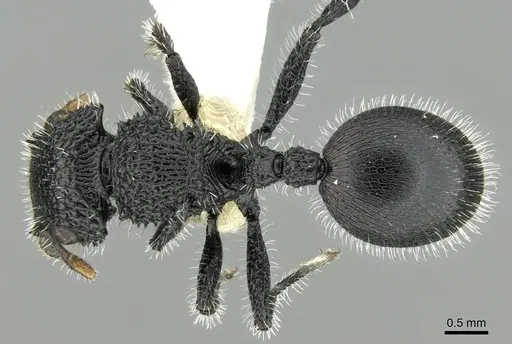
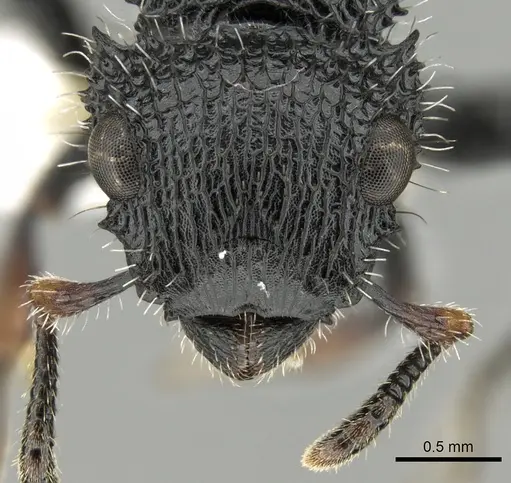
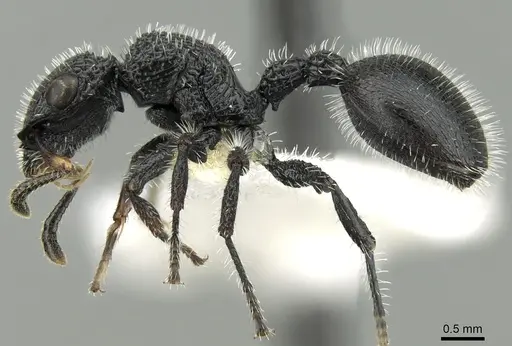
CASENT0904881
Megtekintés az AntWeb-en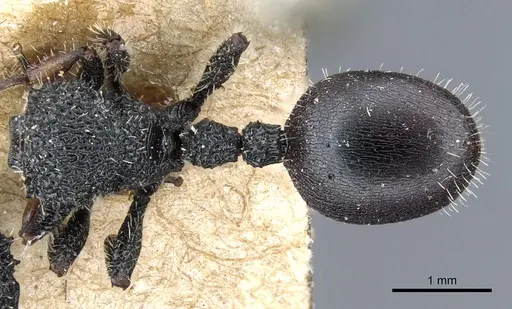
Irodalom
Elterjedési térkép betöltése...Termékek betöltése...