
Carebara latro
- Tud. név
- Carebara latro
- Nemzetség
- Crematogastrini
- Alcsalád
- Myrmicinae
- Szerző
- Santschi, 1937
- Elterjedés
- 0 országban megtalálható
Bevezetés
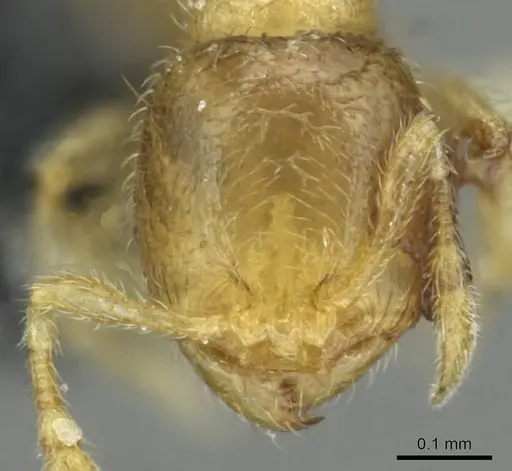
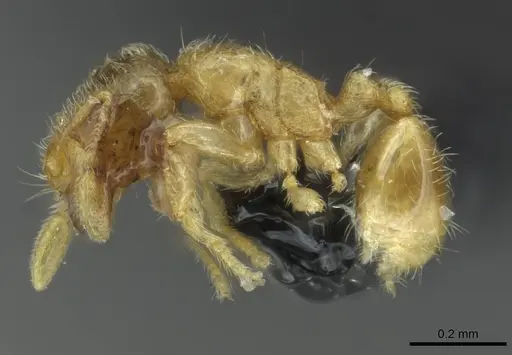
Carebara latro is a tiny ant species endemic to the Equateur province in the Democratic Republic of Congo, central Africa. Workers are exceptionally small, measuring approximately 1-3mm, typical of the Carebara genus which contains some of the world's smallest ants. The genus is known for its cryptic lifestyle, with colonies often nesting in close association with other ant species. This species remains poorly documented in scientific literature, with records dating back to Santschi (1937) and Weber (1950). As a member of the subfamily Myrmicinae, this species uses a smear defense mechanism - a modified, flattened stinger used to wipe venom onto enemies rather than piercing flesh.
Quick Summary
- Difficulty: Unknown, limited data available
- Origin & Habitat: Endemic to Equateur province in the Democratic Republic of Congo, central Africa. Found in tropical forest environments. [1]
- Colony Type: Colony structure is unconfirmed. Many Carebara species are known to associate with other ant colonies, but this behavior has not been documented for Carebara latro specifically.
- Size & Growth:
- Queen: ~4-8mm, inferred from Carebara genus patterns
- Worker: ~1-3mm, inferred from Carebara genus patterns
- Colony: Likely small colonies under 100 workers, estimated from genus patterns
- Growth: Unknown
- Development: Approximately 4-8 weeks, estimated from typical tropical ant development and Carebara genus patterns (No species-specific data available.)
- Antkeeping:
- Temperature: Keep warm, around 24-28°C, typical for tropical central African species. Use a heating cable on one side of the nest to create a gradient if room temperature is below this range.
- Humidity: Maintain moderate to high humidity, around 60-80%. Keep the nest substrate consistently moist but not waterlogged. Mist occasionally and provide a water tube for drinking water.
- Diapause: No, tropical species from central Africa do not require hibernation
- Nesting: Natural nesting habits unconfirmed for this species. In captivity, use small test tubes or nests with appropriately scaled chambers. Very small chamber dimensions are essential given their tiny size.
- Behavior: Behavior is unconfirmed due to limited research. Based on genus patterns, these ants are likely cryptic and secretive, with workers that forage slowly and carefully. Their tiny size means excellent escape prevention is critical, they can squeeze through remarkably small gaps. Most Carebara species are docile. Handle with care as their small size makes them fragile.
- Common Issues: limited data makes reliable care recommendations difficult, proceed with caution, tiny size creates significant escape risk, use fine mesh and tight-fitting lids, colony may fail if stressed by improper temperature or humidity, wild-caught colonies may carry parasites or diseases, slow growth may lead keepers to overfeed or disturb the nest unnecessarily
Species Overview
Carebara latro is one of the more obscure ant species in the hobby, with very limited scientific documentation. It was originally described from specimens collected in the Equateur province of the Democratic Republic of Congo, a region characterized by tropical rainforest. The species name 'latro' means 'robber' in Latin, though the basis for this naming is unclear. What we know about this species comes primarily from early 20th-century collection records, with no comprehensive studies on its biology, behavior, or colony structure. This makes it one of the more challenging species to keep simply due to the lack of baseline information. [1]
Housing and Nesting
Given their extremely small size, housing Carebara latro requires attention to scale. Standard test tubes work well, but ensure the water reservoir is appropriately sized and the cotton plug is tight. The chambers or passages in any nest you use must be tiny, oversized chambers can stress these ants as they prefer confined spaces. Nests with fine tunnels or custom mini-formicaria are ideal. Escape prevention cannot be emphasized enough, these ants can and will squeeze through gaps that would hold back larger species. Use fine mesh on any ventilation holes and ensure all connections are sealed. A small outworld with a barrier of fluon can help contain foragers.
Temperature and Humidity
As a tropical central African species, Carebara latro requires warm conditions. Aim for temperatures in the range of 24-28°C during the active season. A heating cable placed on top of all or part of the nest can help maintain these temperatures, but monitor carefully to avoid overheating. For humidity, target 60-80% relative humidity within the nest. These ants come from a tropical environment with consistent moisture. Keep the nest substrate damp but not saturated, standing water in the nest can drown small colonies. A water tube attached to the test tube provides drinking water that workers can access.
Feeding
The natural diet of Carebara latro is not documented, but based on genus patterns, they likely forage for tiny prey such as springtails, minute mites, and other micro-arthropods. In captivity, offer small live prey items like springtails, fruit flies, and tiny mealworm pieces. Sugar sources like diluted honey or sugar water may be accepted, though this is uncertain for this species. Feed small amounts several times per week, removing any uneaten prey after 24 hours to prevent mold. Given their tiny size, even a single fruit fly is a substantial meal for a small colony.
Handling and Observation
Due to their minute size, Carebara latro requires careful handling. Avoid disturbing the nest unnecessarily, as these ants are sensitive to vibration and stress. When observing, use low-light conditions and avoid direct bright light on the nest. Any transfer or move to a new enclosure should be done with extreme patience, they are not aggressive but can be easily crushed. Watch for colony activity patterns to gauge health: workers should be actively foraging and tending to brood. A healthy colony will show consistent activity rather than periods of complete dormancy outside of rest cycles.
Frequently Asked Questions
How long does it take for Carebara latro to produce first workers?
The egg-to-worker timeline is unconfirmed for this species. Based on typical Carebara genus patterns and general tropical ant development, expect approximately 4-8 weeks from egg to worker at optimal temperature. However, this is an estimate and actual timing may vary.
What do Carebara latro ants eat?
Their exact diet is unconfirmed, but based on genus patterns, they likely accept small live prey like springtails and micro-arthropods. They may also accept sugar sources like diluted honey or sugar water, though this is uncertain. Offer small prey items several times per week.
Are Carebara latro ants aggressive?
Aggression levels are unconfirmed, but based on typical Carebara behavior, they are likely docile and non-aggressive. Their tiny size makes them more vulnerable than threatening.
Do Carebara latro ants sting?
Stinging behavior is not documented for this species. As a member of Myrmicinae, they possess a stinger but due to their extremely small size, any sting would likely be negligible to humans even if present.
What temperature do Carebara latro ants need?
Keep them warm at approximately 24-28°C. This matches their tropical central African origin. Use a heating cable if room temperature falls below this range.
How big do Carebara latro colonies get?
Maximum colony size is unknown. Based on genus patterns, colonies are likely relatively small, possibly under 100 workers. This species appears to be rarely kept in captivity.
Can I keep multiple queens together?
Colony structure (monogyne vs polygyne) is unconfirmed for this species. There is no data on whether multiple queens can be kept together successfully.
Do Carebara latro need hibernation?
No. As a tropical species from central Africa, they do not require formal hibernation, but may show reduced activity during cooler periods.
Why are my Carebara latro dying?
Common causes include: temperature stress (too cold or too hot), humidity issues (too dry or flooded), escape of workers, stress from disturbance, or underlying parasites from wild-caught colonies. Ensure all parameters are stable and minimize nest disturbances.
Are Carebara latro good for beginners?
This species cannot be recommended for beginners due to the extremely limited care data available. The lack of documented care information makes successful keeping challenging. More established species with known requirements are better choices for those new to ant keeping.
Report an Issue
The current care sheet is based fully on literature. See inconsistencies, or something that's incorrect? Please , it will be resolved after review from an admin. Contributing to the blogs tab also helps providing information, to make us be able to further improve the caresheets. Thank you for your support!
References

Ez a tartási útmutató a következő licenc alatt áll: CC BY-SA 4.0 .
Közösségi blogok
CASENT0913509
Megtekintés az AntWeb-en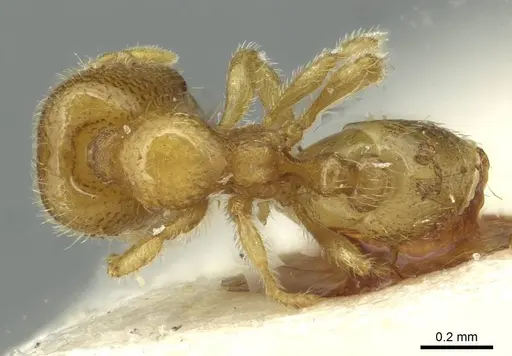
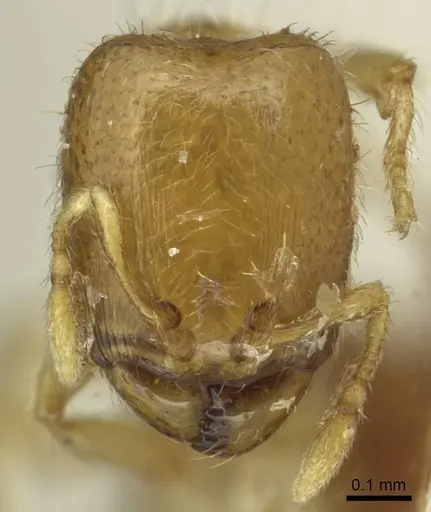
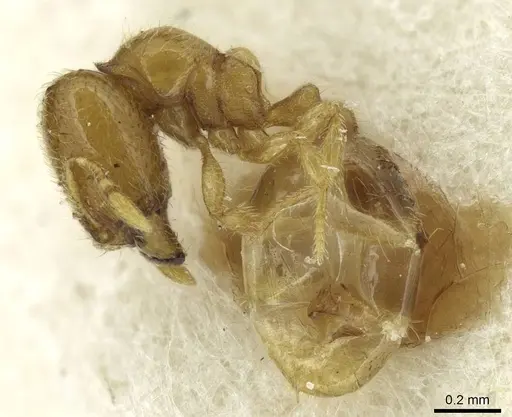
CASENT0913510
Megtekintés az AntWeb-en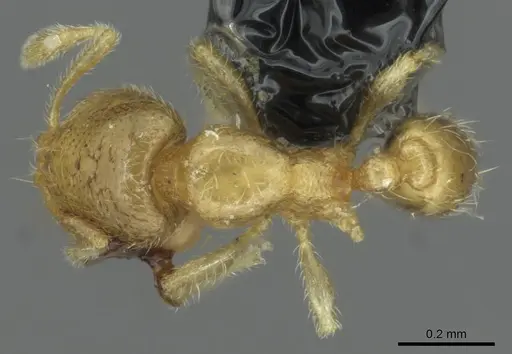
Irodalom
Elterjedési térkép betöltése...Termékek betöltése...