
Carebara erythraea
- Tud. név
- Carebara erythraea
- Nemzetség
- Crematogastrini
- Alcsalád
- Myrmicinae
- Szerző
- Emery, 1915
- Elterjedés
- 0 országban megtalálható
Bevezetés
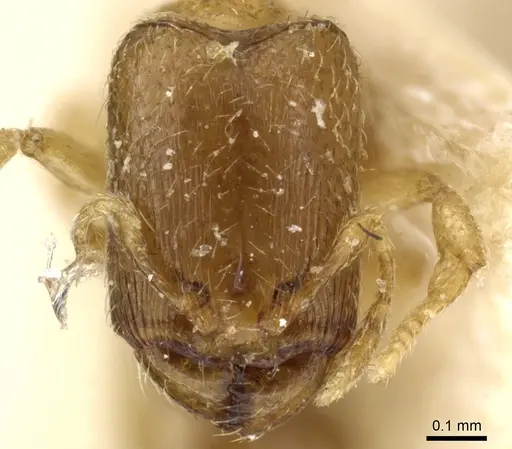
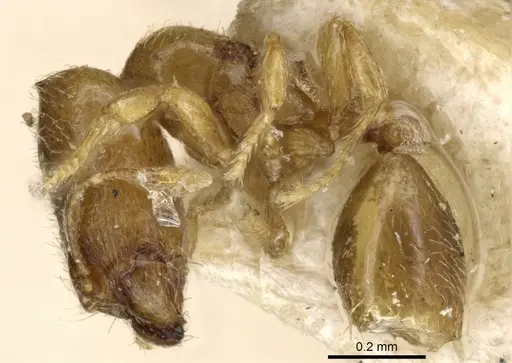
Carebara erythraea is a tiny ant species native to the Horn of Africa, documented from Eritrea and Ethiopia [AntWiki]. Originally described as Oligomyrmex erythraeus by Carlo Emery in 1915 from specimens collected in Ghinda, Eritrea, it was transferred to the genus Carebara in 2004 [AntWiki]. This species belongs to the subfamily Myrmicinae, tribe Crematogastrini. Workers are among the smallest in the ant world - Carebara is a genus of miniature ants often called 'pygmy ants' due to their diminutive size. The defense mechanism involves a modified, flattened stinger used to smear venom onto enemies rather than piercing. This is one of the least-studied ant species in the hobby, with virtually no captive breeding records or detailed biological studies available.
Quick Summary
- Difficulty: Unknown, likely challenging due to tiny size and lack of data
- Origin & Habitat: Afrotropical region, documented from Eritrea and Ethiopia. The type locality (Ghinda, Eritrea) suggests hot, dry to semi-arid lowland areas in the Horn of Africa [1][2].
- Colony Type: Unconfirmed, no specific data for this species
- Size & Growth:
- Queen: Size data unavailable, no measurements exist for this species
- Worker: Size data unavailable, no measurements exist for this species
- Colony: Unknown, no data available for this species
- Growth: Unknown, no specific data available
- Development: Unknown, no development data exists for this species (Direct data unavailable for this species)
- Antkeeping:
- Temperature: Unknown, likely warm conditions based on African origin, but specific requirements unstudied
- Humidity: Unknown, likely adaptable given range of conditions in native habitat
- Diapause: Unknown, likely minimal or none given African tropical/subtropical origin
- Nesting: Likely soil-nesting based on genus patterns, test tubes with sand/soil mixture work well. Very small chamber dimensions needed.
- Behavior: Behavior is unstudied in captivity. Based on genus patterns, they are likely generalist foragers that scavenge and may tend aphids for honeydew. Their tiny size makes them excellent escape artists, fine mesh barriers are essential. Aggression level is unknown but likely low to moderate like most Carebara species.
- Common Issues: tiny size makes escape prevention critical, they can squeeze through standard mesh, no captive breeding data available, establishing a colony may be difficult, extremely limited natural history information makes care speculative, wild-caught colonies may have parasites given lack of captive documentation
Species Background and Identification
Carebara erythraea was described by Carlo Emery in 1915 from specimens collected in Ghinda, Eritrea [1][2]. The species was originally placed in the genus Oligomyrmex before being transferred to Carebara in 2004 [2]. This is a member of the subfamily Myrmicinae, tribe Crematogastrini. The species is known only from the Horn of Africa (Eritrea and Ethiopia), making it one of the more geographically restricted Carebara species [1][2]. No comprehensive modern description or biological study exists for this species, and it remains poorly known in both scientific literature and the ant-keeping hobby.
Housing and Nest Setup
Given the extremely small size of Carebara workers, housing requires special considerations. Test tubes with a sand or soil substrate work well for founding colonies. The chambers and passages must be scaled to their tiny size, avoid large, open spaces. Plaster nests or acrylic nests with fine chambers are suitable alternatives. Escape prevention is critical: standard mesh may not contain them, so use fine mesh or apply fluon barriers generously. A small outworld area allows for foraging space. Keep the nest relatively dry, these ants come from arid to semi-arid regions.
Feeding and Diet
Dietary requirements are unstudied for this specific species, but Carebara genus members are typically generalist scavengers. They likely accept small protein sources like fruit flies and other tiny insects. Honeydew consumption is probable given their likely ecological role, you can offer sugar water or honey diluted with water. Start with small prey items appropriate to their tiny size and observe acceptance. Avoid large prey items that they cannot subdue. Feed small amounts every few days and remove uneaten food promptly to prevent mold.
Temperature and Seasonal Care
Based on the species' origin in Eritrea and Ethiopia (Horn of Africa), they likely prefer warm conditions. A temperature range around 26°C may be suitable, but specific requirements are unknown. A heating cable on one side of the nest can create a gentle gradient allowing the ants to self-regulate. Diapause requirements are unknown, given the tropical/subtropical origin, they likely do not require a true hibernation period. However, a slight reduction in temperature during winter months may be beneficial. Monitor colony activity to guide adjustments.
Colony Establishment and Growth
This is one of the most challenging species to keep because virtually no captive breeding information exists. If you obtain a wild-caught queen, she will likely found her colony claustrally (sealing herself in a chamber and living off stored fat until workers emerge). First workers will be extremely small. Colony growth is expected to be slow initially, patience is essential. Do not disturb the founding chamber unnecessarily. Once workers are established, growth may accelerate but will still be moderate compared to larger ant species.
Frequently Asked Questions
How long does it take for Carebara erythraea to produce first workers?
Exact timeline is unknown, no specific development data exists for this species.
What do Carebara erythraea ants eat?
Diet is unconfirmed for this species, but based on genus patterns, they likely accept small insects and may consume honeydew or sugar water. Start with small prey items appropriate to their tiny size.
Are Carebara erythraea ants difficult to keep?
Difficulty level cannot be accurately assessed due to lack of captive data. Their extremely tiny size makes escape prevention critical, and the lack of available care information makes them challenging for even experienced antkeepers. Consider starting with better-documented species first.
Do Carebara erythraea ants need hibernation?
Diapause requirements are unknown. Given their origin in Eritrea/Ethiopia (tropical/subtropical Africa), they likely do not require true hibernation. A slight temperature reduction in winter may be beneficial but is not mandatory.
How big do Carebara erythraea colonies get?
Colony size is unconfirmed for this species, no data exists.
What temperature do Carebara erythraea ants need?
Specific temperature requirements are unknown. Based on their African origin, aim for warm conditions around 26°C and observe colony activity.
Can I keep multiple Carebara erythraea queens together?
Colony structure is unconfirmed. Many Carebara species may have multiple queens, but this has not been documented for C. erythraea specifically. Combining unrelated queens is not recommended due to lack of data.
Do Carebara erythraea ants sting?
Stinging ability is unknown. This species belongs to Myrmicinae which typically have stingers, but the defense mechanism involves smearing venom rather than piercing. Given their extremely small size, any sting would likely be negligible.
What size nest do Carebara erythraea ants need?
Use nests with very small chambers and narrow passages scaled to their tiny size. Test tubes with soil substrate or small plaster nests work well. Ensure escape prevention is excellent.
Where is Carebara erythraea found in the wild?
This species is documented only from the Horn of Africa, specifically Eritrea and Ethiopia. The type locality is Ghinda, Eritrea [1][2].
Report an Issue
The current care sheet is based fully on literature. See inconsistencies, or something that's incorrect? Please , it will be resolved after review from an admin. Contributing to the blogs tab also helps providing information, to make us be able to further improve the caresheets. Thank you for your support!
References

Ez a tartási útmutató a következő licenc alatt áll: CC BY-SA 4.0 .
Közösségi blogok
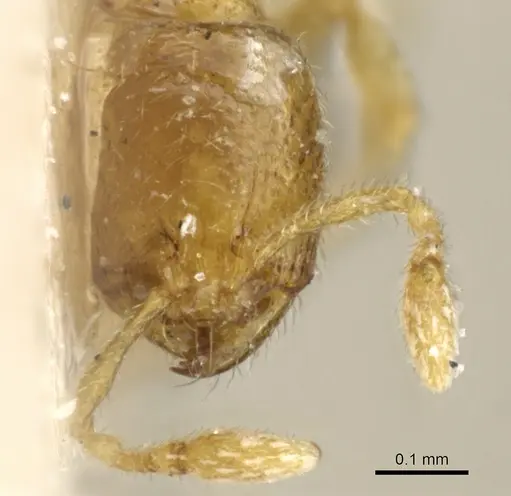
CASENT0904665
Megtekintés az AntWeb-en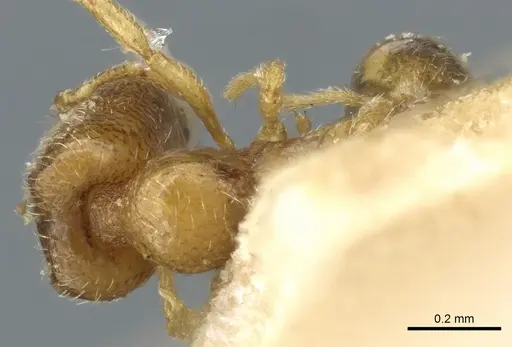
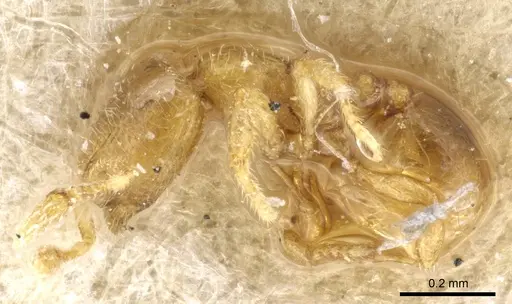
CASENT0904666
Megtekintés az AntWeb-en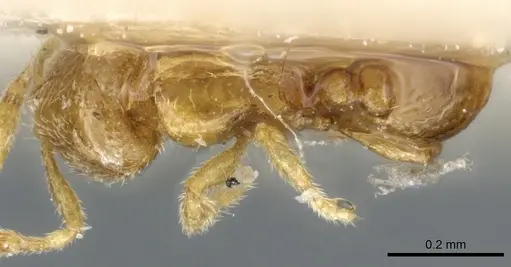
Irodalom
Elterjedési térkép betöltése...Termékek betöltése...