
Cardiocondyla persiana
- Tud. név
- Cardiocondyla persiana
- Nemzetség
- Crematogastrini
- Alcsalád
- Myrmicinae
- Szerző
- Seifert, 2003
- Elterjedés
- 0 országban megtalálható
Bevezetés
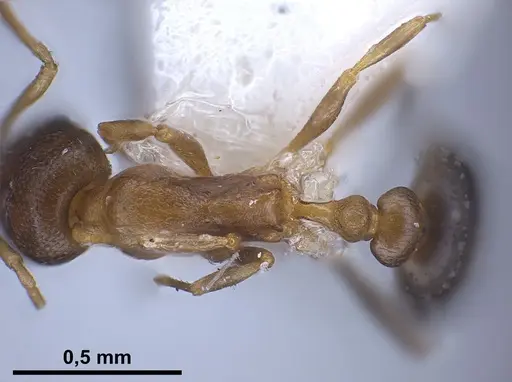
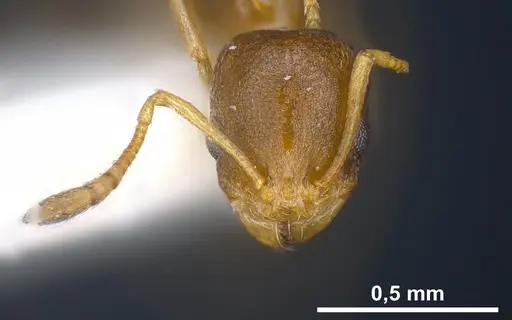
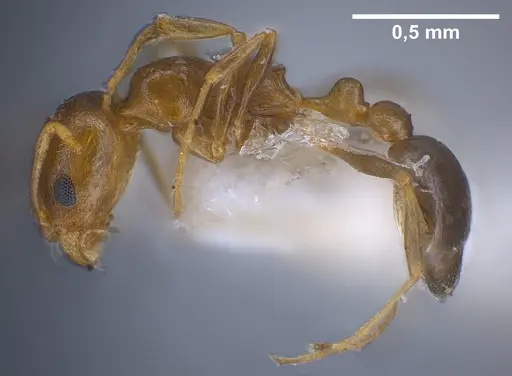
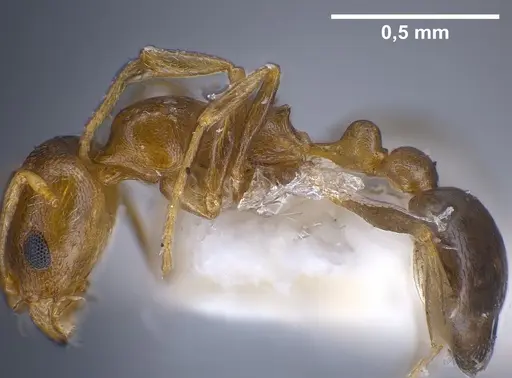
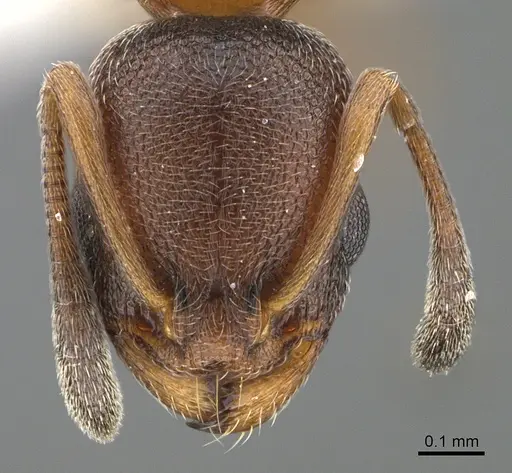
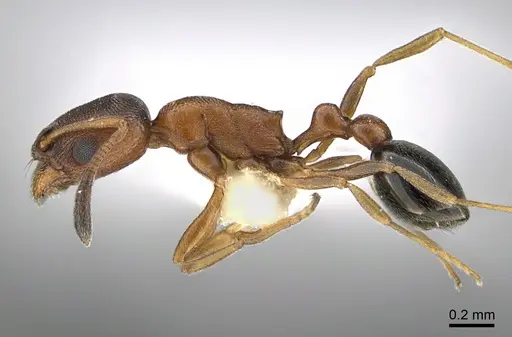
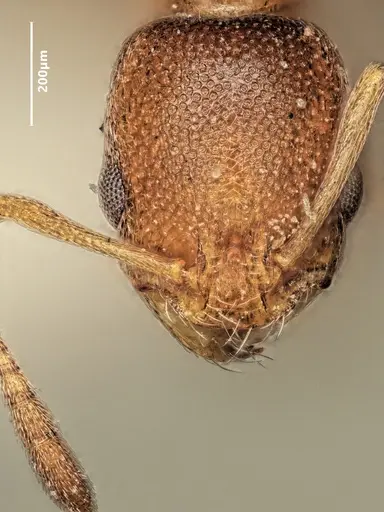
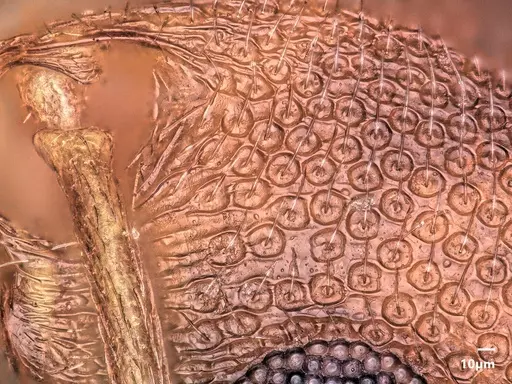
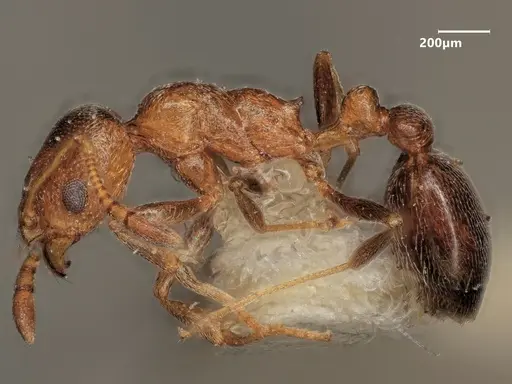
Cardiocondyla persiana is a tiny ant species native to the Near East, found across Iran, Georgia, Israel, and southern Russia. Workers are extremely small - among the smallest ants in the genus. They have a distinctive bicolored head pattern with a yellowish front and dark brown vertex, combined with a yellowish-brown mesosoma and dark waist and gaster. The species belongs to the Cardiocondyla bulgarica group and is characterized by densely-packed foveolae (pitted structures) on the head and notably long pubescence. These ants inhabit areas from near sea level in Georgia to 2000m elevation in central Iran, typically nesting under trees in low rainfall forests . What makes C. persiana stand out is its restricted geographic range and recent discovery in Russia - it was only identified in the Krasnodar Region (Sochi) in 2025,making it one of the more recently documented Cardiocondyla species. Their tiny size and docile nature make them fascinating but challenging to keep.
Quick Summary
- Difficulty: Medium
- Origin & Habitat: Near East, Iran, Georgia, Israel, and southern Russia (Sochi). Found in low rainfall forests, typically under trees, from sea level to 2000m elevation [1][2][3].
- Colony Type: Colony structure is unconfirmed. No specific literature describes queen number or colony organization for this species.
- Size & Growth:
- Queen: size data unavailable, inferred from Cardiocondyla genus (~2-3mm)
- Worker: size data unavailable, inferred from Cardiocondyla genus (~2-3mm)
- Colony: Colony size data unavailable for this species
- Growth: Unknown, no specific development studies exist
- Development: Unknown, no specific studies on development timing (Development time has not been documented for this species)
- Antkeeping:
- Temperature: Keep at 22-26°C. This species comes from warm temperate to subtropical regions (Iran, Georgia), so moderate warmth is beneficial. A gentle gradient allows workers to self-regulate.
- Humidity: Moderate, they prefer dry to moderately humid conditions. In their native range (Iran, Georgia), they inhabit relatively dry forests. Keep nest substrate slightly moist but allow drying between waterings. Avoid waterlogging.
- Diapause: Likely requires a winter rest period. Given their range extends to Georgia and Russia, they probably experience cold winters. Reduce temperature to 10-15°C for 2-3 months during winter.
- Nesting: Use small, tight chambers scaled to their tiny size. Test tubes with cotton barriers work well for founding colonies. For established colonies, small Y-tong nests with narrow passages prevent escape. They nest under trees in soil in the wild, a naturalistic setup with fine soil works [2][3].
- Behavior: Docile and non-aggressive. Like most Cardiocondyla, they are peaceful and rarely attack. Workers are active foragers but due to their tiny size, they cannot sting humans, they are harmless to keepers. Their small size means excellent escape prevention is essential, they can squeeze through standard mesh. They likely feed on small insects and honeydew like related species.
- Common Issues: escape prevention is critical, their tiny size allows them to squeeze through standard mesh barriers, overfeeding can lead to mold in small setups, remove uneaten food promptly, slow growth may cause keepers to overfeed or disturb the colony unnecessarily, test tube setups can flood if water reservoirs are too large for such small ants, wild-caught colonies may have parasites that kill them in captivity
Housing and Setup
Cardiocondyla persiana requires specialized housing due to their extremely small size. Standard ant keeping equipment won't contain them. Use test tubes with cotton barriers for founding colonies, the cotton must be packed tightly enough to prevent workers from squeezing through. For established colonies, small Y-tong nests with very narrow chambers work best. The chambers should be sized appropriately for such tiny ants, avoid large, open spaces. Escape prevention is your top priority: use fine mesh (at least 0.5mm or smaller), tight-fitting lids, and consider applying fluon to the edges of any formicarium. A naturalistic setup with fine, sandy soil in a small container can also work well since they nest under trees in the wild [2][3].
Feeding and Diet
Like other Cardiocondyla species, C. persiana likely has a typical omnivorous diet. They probably feed on small insects (fruit flies, pinhead crickets, springtails), honeydew from aphids, and sugar sources. For such tiny ants, prey items must be appropriately sized, fruit flies and small springtails are ideal. Offer sugar water or honey water in a shallow container (like a cotton ball in a small vial cap) to prevent drowning. Remove uneaten food promptly to prevent mold, which can be deadly in small setups. Feed small prey items 2-3 times per week for established colonies, and keep sugar water available at all times. The exact dietary preferences of this species haven't been studied, so observations from your colony will contribute to our knowledge.
Temperature and Seasonal Care
Keep your colony at 22-26°C for optimal development. This species comes from warm temperate regions (Iran, Georgia) where summer temperatures regularly exceed 25°C. A heating cable on one side of the nest creates a temperature gradient, allowing workers to regulate their own temperature. During winter (roughly November through February in the Northern Hemisphere), reduce temperatures to 10-15°C to simulate their natural seasonal cycle. This winter rest period is likely important for colony health and may trigger reproductive behavior in spring. Do not cool below 5°C or allow temperatures to fluctuate wildly. Room temperature (20-24°C) is generally acceptable if your home stays in this range.
Colony Founding
Founding behavior is unconfirmed for this species. After mating (nuptial flight), the queen likely digs a small chamber, seals the entrance, and lives entirely on her stored fat reserves while laying eggs and raising larvae. The first workers (nanitics) are smaller than normal workers and emerge after several weeks. During this time, do not disturb the queen or open the founding chamber. Once workers emerge, you can begin offering tiny prey items, but keep disturbances minimal. The founding chamber should be kept slightly moist but not wet.
Behavior and Temperament
Cardiocondyla persiana is a docile, peaceful species. Workers are not aggressive and cannot sting humans, their stingers are too small to penetrate skin. They are active foragers but spend most of their time in the nest or exploring nearby areas. Workers communicate using chemical trails and may form foraging columns to food sources. Their tiny size makes them vulnerable in mixed-species setups, larger ants may prey on them. They are best kept in species-only colonies.
Frequently Asked Questions
How long does it take for Cardiocondyla persiana to produce first workers?
Unknown, no specific development timing has been documented for this species. Estimates based on related Cardiocondyla species suggest several months at room temperature.
Can I keep Cardiocondyla persiana in a test tube?
Yes, test tubes work well for founding colonies. However, you must use tight-fitting cotton barriers and fine mesh on any air holes, their tiny size allows them to squeeze through standard barriers. Consider using cotton that's packed very firmly.
What do Cardiocondyla persiana ants eat?
They likely accept small insects (fruit flies, springtails), sugar water, and honey. Prey must be tiny, fruit flies and small springtails are ideal. Offer sugar water constantly and small prey items 2-3 times per week.
Do Cardiocondyla persiana ants sting?
No, they cannot sting humans. Their stingers are too small to penetrate human skin, and they are generally docile and non-aggressive. They are completely harmless to keepers.
How big do Cardiocondyla persiana colonies get?
Unknown, no colony size data has been documented for this species.
Do Cardiocondyla persiana need hibernation?
Probably yes. Given their range extends to Georgia and Russia (Sochi), they likely experience cold winters and would benefit from a 2-3 month winter rest at 10-15°C.
Are Cardiocondyla persiana good for beginners?
They are challenging due to their extremely small size. Escape prevention is difficult, and they require careful attention to housing. They are better suited for keepers with some experience with tiny ant species.
When should I move my colony to a formicarium?
Move them when the test tube becomes crowded or the water reservoir is depleted. Use a small formicarium with appropriately sized chambers.
Can I keep multiple Cardiocondyla persiana queens together?
Not recommended. Combining unrelated foundress queens hasn't been documented for this species and could result in fighting. Keep single-queen colonies.
Why are my Cardiocondyla persiana escaping?
Their tiny size means they can squeeze through gaps invisible to the human eye. Use fine mesh (0.5mm or smaller), check all lid seals, and consider applying fluon to barrier edges. Even standard ant keeping equipment may have gaps too large for them.
Report an Issue
The current care sheet is based fully on literature. See inconsistencies, or something that's incorrect? Please , it will be resolved after review from an admin. Contributing to the blogs tab also helps providing information, to make us be able to further improve the caresheets. Thank you for your support!
References

Ez a tartási útmutató a következő licenc alatt áll: CC BY-SA 4.0 .
Közösségi blogok
ANTWEB1041250
Megtekintés az AntWeb-en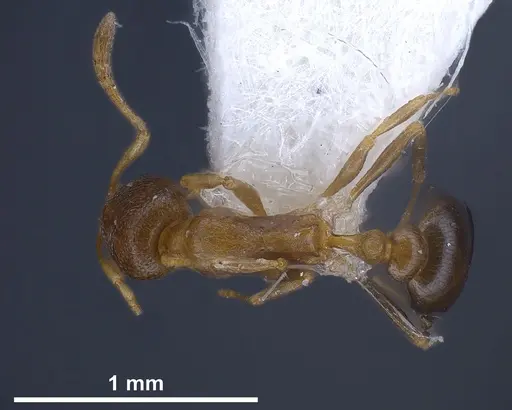
ANTWEB1041914
Megtekintés az AntWeb-en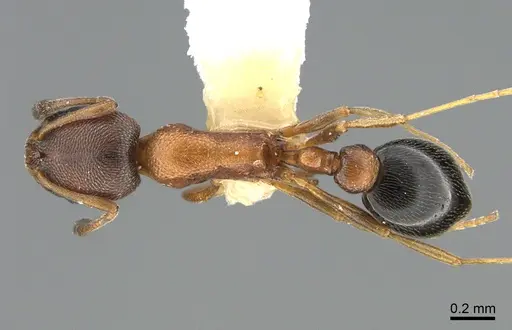
ANTWEB1048531
Megtekintés az AntWeb-en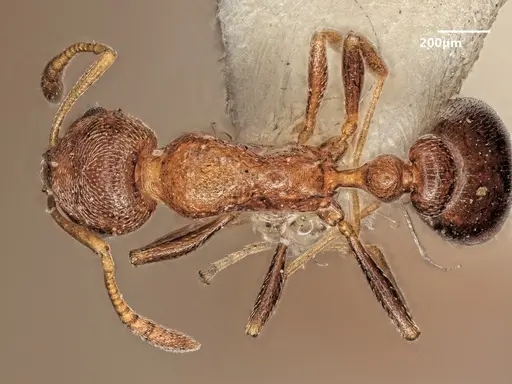
Irodalom
Elterjedési térkép betöltése...Termékek betöltése...