
Camponotus sannini
- Tud. név
- Camponotus sannini
- Nemzetség
- Camponotini
- Alcsalád
- Formicinae
- Szerző
- Tohmé & Tohmé, 2000
- Elterjedés
- 0 országban megtalálható
Bevezetés
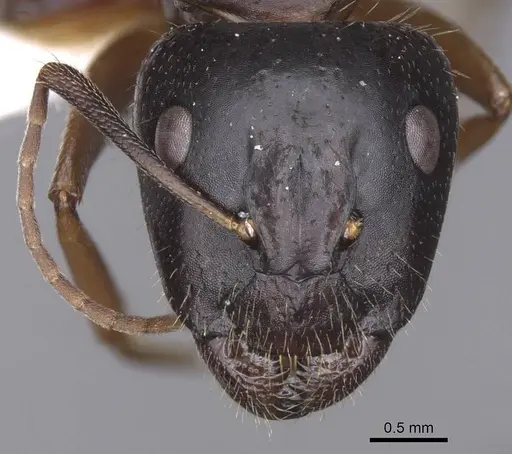
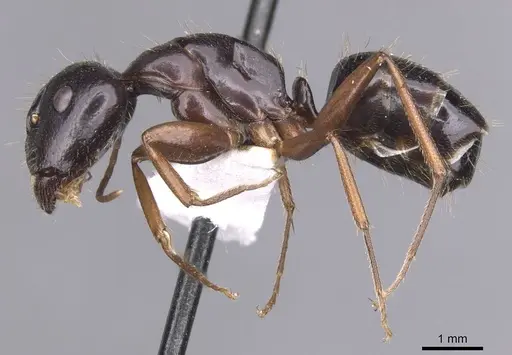
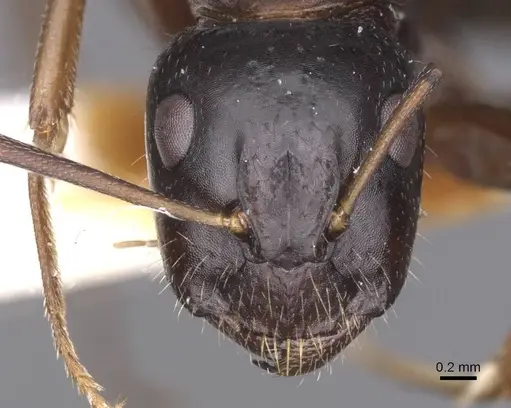
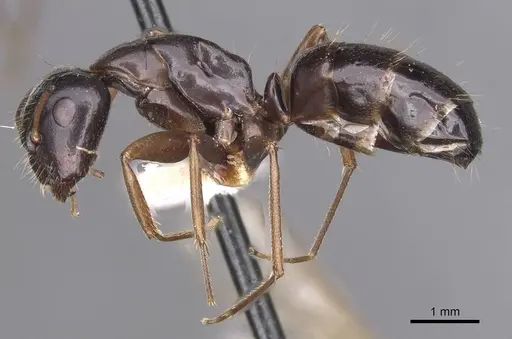
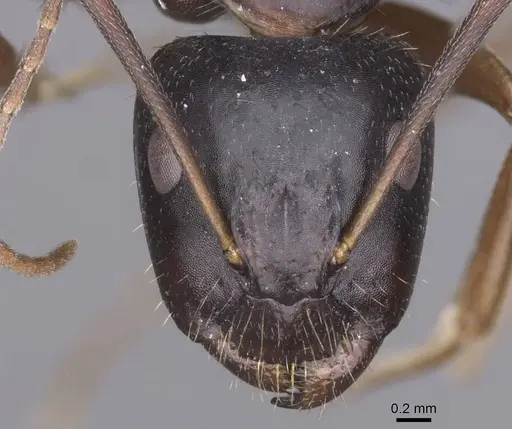
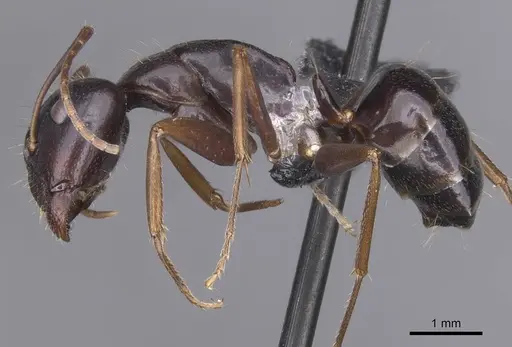
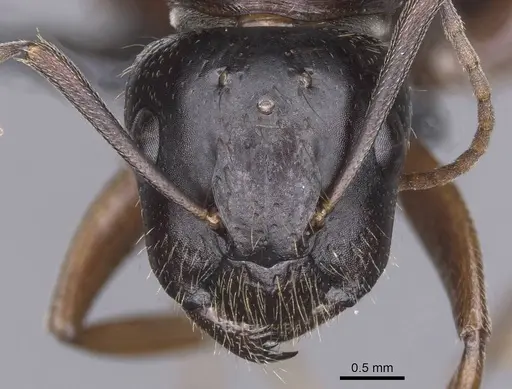
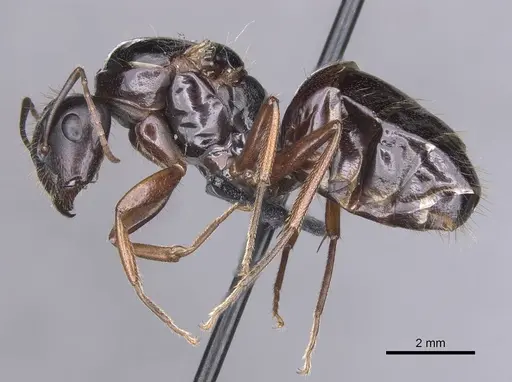
Camponotus sannini is a moderately large to large carpenter ant native to the eastern Mediterranean region. Workers are polymorphic, meaning they come in different sizes, ranging from 6.9-9.4mm in total length [AntWiki]. The body is predominantly brown with distinctive yellow to yellowish-brown coloring on the mandibles, clypeus, antennae, and legs, giving them a two-toned appearance. The head is elongated with large eyes, and the scapes are very long in minor workers. This species is found in mountainous regions of Greece, Israel, Lebanon, and Syria at elevations ranging from 514m up to 1650m . They nest under stones in deciduous mountain forests. The type locality is at the foot of Mount Sannine in Lebanon, which is where the species gets its name. Related to Camponotus aethiops, but can be distinguished by having a straighter propodeal dorsum and shinier mesosoma [AntWiki].
Quick Summary
- Difficulty: Medium
- Origin & Habitat: Eastern Mediterranean, Greece, Israel, Lebanon, and Syria. Found in deciduous mountain forests at elevations of 514-1650m, nesting under stones [2][3][1].
- Colony Type: Colony type unconfirmed, specific literature on queen number is not available for this species.
- Size & Growth:
- Queen: Size data unavailable, no specific measurements for queens exist in the research. Based on Camponotus genus patterns, queens likely exceed 12mm.
- Worker: 6.9-9.4mm total length (polymorphic, minor workers smaller, major workers larger) [1]
- Colony: Colony size data unavailable for this species
- Growth: Moderate
- Development: Development timeline unconfirmed for this specific species. Based on typical Camponotus patterns, expect 6-10 weeks from egg to first worker at warm temperatures. (First workers (nanitics) are smaller than mature workers. Development time varies with temperature.)
- Antkeeping:
- Temperature: Keep at 20-24°C. This species comes from Mediterranean mountain regions with moderate temperatures. Provide a temperature gradient so ants can choose their preferred spot.
- Humidity: Moderate humidity around 50-60%. These ants come from relatively dry Mediterranean climates. Allow the nest to dry partially between water additions.
- Diapause: Yes, as a Mediterranean species, they require a winter rest period. Reduce temperature to 10-15°C for 2-3 months during winter.
- Nesting: Y-tong (AAC) or plaster nests work well. They naturally nest under stones in the wild, so they do well in formicariums with compact chambers. Avoid overly humid setups.
- Behavior: Generally calm and non-aggressive for a Camponotus species. Workers are active foragers but not particularly aggressive toward keepers. As Formicine ants, they lack a functional sting but can bite and spray formic acid from their acidopore if provoked. They are moderate escape artists, check all connections regularly. Workers are polymorphic with distinct major and minor castes.
- Common Issues: colonies grow slowly during the first year, beginners may lose patience and overfeed, causing mold problems, winter diapause is essential for this Mediterranean species, skipping it can weaken or kill the colony, major workers are large but can still escape through modest gaps, check all connections regularly, wild-caught colonies may have parasites that cause colony decline in captivity, test tube setups can flood if water reservoirs are overfilled, use appropriate tube size
Housing and Nest Setup
Camponotus sannini does well in standard formicarium setups. Y-tong (AAC) nests with narrow chambers work well, as do plaster nests. The key is providing appropriately sized chambers, not too large for small colonies, but with room to expand. In the wild, they nest under stones in mountain forests, so they prefer compact, somewhat dark spaces rather than open, brightly lit areas.
For founding colonies, a standard test tube setup works fine. Use a test tube with a water reservoir sealed with a cotton plug, make sure the water chamber is appropriately sized so flooding doesn't occur. Once the colony reaches 15-20 workers, you can consider moving them to a formicarium, though many keepers successfully keep them in test tubes for longer.
Place the nest in a location with stable temperatures around 20-24°C and avoid direct sunlight. A small outworld area allows for feeding. Escape prevention is important, while not tiny, they can squeeze through small gaps, so ensure all connections are secure. [2][1]
Feeding and Diet
Like other Camponotus species, C. sannini is omnivorous with a preference for protein-rich foods. Feed them a varied diet including protein sources like mealworms, small crickets, and other small insects. Sugar sources are also readily accepted, offer sugar water, honey, or diluted honey water regularly.
During the founding stage, the queen typically does not eat, she survives on stored fat reserves. Once workers emerge, they will readily accept protein and sugar foods. Feed small prey items that workers can subdue, the minor workers are not large predators. A good feeding schedule is offering protein 2-3 times per week and keeping sugar water available at all times.
Remove uneaten prey after 24-48 hours to prevent mold. A varied diet helps keep colonies healthy, alternate between different protein sources if possible. [1]
Temperature and Seasonal Care
This species comes from Mediterranean mountain regions, so they prefer moderate temperatures rather than extreme heat. Keep the nest area at 20-24°C. A slight temperature gradient is beneficial, place a heating cable or mat on one side of the nest so workers can regulate their temperature by moving between warmer and cooler areas.
Winter diapause is important for this species. During the colder months (roughly November through February in the northern hemisphere), reduce temperatures to 10-15°C. This mimics their natural seasonal cycle in the Mediterranean mountains. Do not feed during diapause, and keep moisture minimal. A proper winter rest helps maintain colony health and may trigger reproductive behavior in spring.
Avoid temperatures above 28°C for extended periods, while they can tolerate brief heat exposure, sustained high temperatures can be harmful. [3][2]
Colony Development and Growth
Camponotus sannini likely follows typical Camponotus colony development patterns. The founding queen seals herself in a small chamber and raises the first brood alone using stored fat reserves. She does not leave to forage during this time.
First workers emerge after several weeks depending on temperature. These initial workers are smaller than mature workers. The colony grows gradually at first, expect slow growth during the first few months as the first generation of workers matures. Growth accelerates as the colony reaches 30-50 workers.
The presence of distinct major workers becomes more pronounced as the colony grows, major workers develop to help with colony defense and processing larger food items. [1]
Behavior and Temperament
This is a relatively calm Camponotus species. Workers are not particularly aggressive and typically focus on foraging and nest maintenance. When threatened, they may raise up on their legs in a defensive posture or bite and spray formic acid, but they are not chronic biters.
Workers are polymorphic, you will see both smaller minor workers and larger major workers in the same colony. Minor workers handle most foraging and brood care, while major workers assist with defense and processing larger prey items.
Foraging activity is typically moderate, they will send workers out to collect food in the outworld. [1]
Frequently Asked Questions
How long does it take for Camponotus sannini to produce first workers?
First workers typically emerge after 6-10 weeks from egg lay, based on typical Camponotus patterns. This depends on temperature, warmer conditions (within 20-24°C) speed development while cooler temperatures slow it. The first workers (nanitics) are smaller than normal workers.
Do Camponotus sannini ants bite or spray acid?
As Formicine ants, they lack a functional sting but can bite and spray a stream of concentrated formic acid from their acidopore into the wound if provoked. The bite may cause minor irritation.
What temperature do Camponotus sannini need?
Keep them at 20-24°C with a slight gradient. A heating cable on one side of the nest allows workers to regulate their temperature. They are Mediterranean mountain ants and prefer moderate temperatures over heat.
Do Camponotus sannini need hibernation?
Yes, they require a winter rest period. Reduce temperatures to 10-15°C for 2-3 months during winter (roughly November-February). This is essential for their natural seasonal cycle and helps maintain colony health.
What do Camponotus sannini eat?
They are omnivorous. Offer protein foods like mealworms, small crickets, or other insects 2-3 times per week. Keep sugar water or honey available at all times. Remove uneaten prey after 24-48 hours.
How big do Camponotus sannini colonies get?
Colony size data is unavailable for this specific species. Based on typical Camponotus genus patterns, colonies likely reach several thousand workers at maturity.
Can I keep multiple Camponotus sannini queens together?
Colony type (monogyne vs polygyne) is unconfirmed for this species. Specific literature on queen number is not available. Do not attempt to combine unrelated foundress queens without understanding their colony structure.
Are Camponotus sannini good for beginners?
They are intermediate in difficulty. They are more forgiving than some exotic tropical species but require proper winter diapause and have specific temperature needs. Not the best choice for a first ant, but manageable after some experience.
When should I move Camponotus sannini to a formicarium?
You can keep them in test tubes until the colony reaches 15-30 workers. Move them when the test tube becomes crowded or the water reservoir needs frequent refilling. A formicarium provides more space for growth.
Why is my Camponotus sannini colony declining?
Common causes include: improper diapause (no winter rest), too much moisture causing mold, temperatures outside their preferred range, or parasites from wild-caught colonies. Review your care conditions and ensure proper temperature, humidity, and seasonal care.
Report an Issue
The current care sheet is based fully on literature. See inconsistencies, or something that's incorrect? Please , it will be resolved after review from an admin. Contributing to the blogs tab also helps providing information, to make us be able to further improve the caresheets. Thank you for your support!
References

Ez a tartási útmutató a következő licenc alatt áll: CC BY-SA 4.0 .
Közösségi blogok
CASENT0913686
Megtekintés az AntWeb-en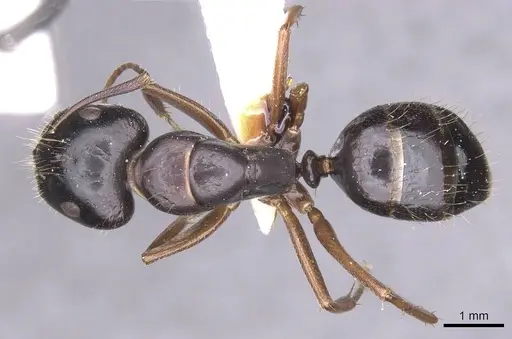
CASENT0913687
Megtekintés az AntWeb-en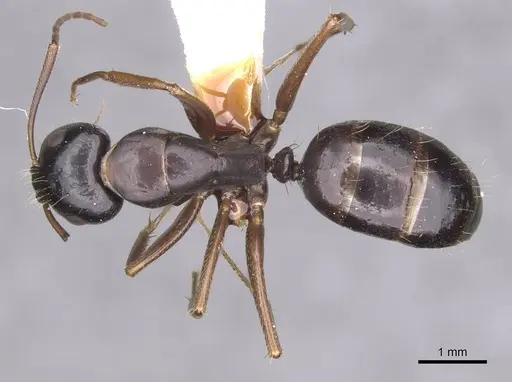
CASENT0913798
Megtekintés az AntWeb-en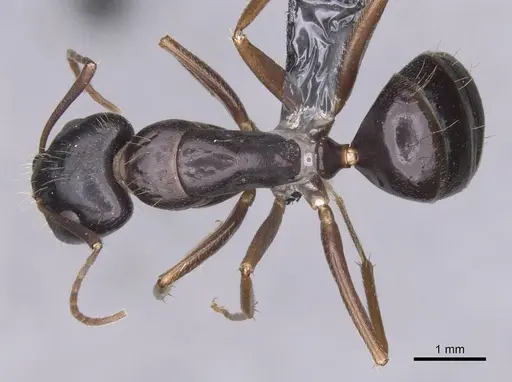
CASENT0913799
Megtekintés az AntWeb-en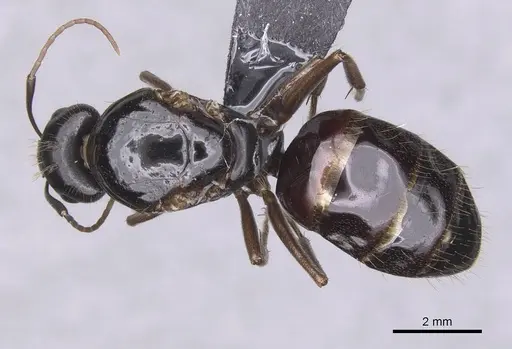
Irodalom
Elterjedési térkép betöltése...Termékek betöltése...