
Camponotus punctatissimus
- Tud. név
- Camponotus punctatissimus
- Nemzetség
- Camponotini
- Alcsalád
- Formicinae
- Szerző
- Forel, 1907
- Elterjedés
- 0 országban megtalálható
Bevezetés
Camponotus punctatissimus is a carpenter ant species native to the Indomalaya region, documented in Myanmar, southern China (including Hainan Province), and Taiwan. Workers are polymorphic with distinct major and minor castes, typical of the genus Camponotus. This species inhabits broad-leaved forests at elevations between 900-1218 meters, where it nests in rotting wood. The species was originally described in 1907 from specimens collected in Myanmar. A notable aspect of this species is its interaction with the zombie ant fungus Ophiocordyceps unilateralis, which infects these ants in Taiwan's forests, causing infected ants to clamp onto leaf veins before dying [AntWiki].
Quick Summary
- Difficulty: Medium
- Origin & Habitat: Broad-leaved forests in the Indomalaya region, documented in Myanmar, China (Hainan Province), and Taiwan at elevations of 900-1218 meters [1][2][3].
- Colony Type: Based on typical Camponotus patterns, likely single-queen (monogyne) colonies. Colony structure follows the standard Camponotus pattern with one founding queen establishing a colony that grows over several years.
- Size & Growth:
- Queen: Size data unavailable, inferred from Camponotus genus patterns to be approximately 15-18mm.
- Worker: Major workers: approximately 8-12mm, Minor workers: approximately 5-8mm, typical polymorphic range for Camponotus, inferred from genus patterns.
- Colony: Estimated up to 2000 workers at maturity based on genus patterns.
- Growth: Moderate, based on typical Camponotus patterns, colonies take 2-4 years to reach moderate size.
- Development: Approximately 6-8 weeks at optimal temperature, based on typical Camponotus development patterns. (Development time follows standard Camponotus patterns. First workers (nanitics) are smaller than mature workers and appear within 6-8 weeks after the queen lays eggs in a well-established colony.)
- Antkeeping:
- Temperature: Keep nest area at 22-26°C. A gentle temperature gradient allows ants to self-regulate. This species comes from subtropical forests, so moderate warmth is ideal.
- Humidity: Maintain moderate to high humidity (60-80%). Forest species prefer damp substrate conditions. Provide a water tube as a moisture source and occasionally mist the outworld.
- Diapause: Likely required, based on geographic range in temperate-to-subtropical Asia, a winter rest period of 3-4 months at 10-15°C is recommended.
- Nesting: Camponotus punctatissimus prefers nesting in wood, making Y-tong (AAC) nests or naturalistic setups with rotting wood ideal. They also accept plaster nests and test tube setups. Provide damp substrate for the nest chamber.
- Behavior: Carpenter ants are typically nocturnal or crepuscular foragers. They are generally non-aggressive toward keepers but will defend their nest if threatened. Workers are moderate in size and can deliver a mild sting if handled roughly. Escape prevention is important, use fluon on container edges and ensure any gaps are sealed, as these ants can climb smooth surfaces well.
- Common Issues: colonies may fail if humidity drops too low, keep substrate consistently moist but not waterlogged, poor escape prevention leads to escapes, these ants are good climbers and will find gaps, hibernation failure is common, ensure proper cooling period of 3-4 months at 10-15°C, overfeeding can cause mold in the nest, remove uneaten protein food within 24 hours, wild-caught colonies may carry parasites including Ophiocordyceps fungus, quarantine and monitor new colonies, this species is infected by Ophiocordyceps unilateralis in the wild, monitor for fungal infection signs
Nest Preferences and Housing
Camponotus punctatissimus is a wood-nesting species that naturally excavates galleries in rotting logs and tree stumps. In captivity, Y-tong (AAC) nests work exceptionally well as they provide the dark, humid environment these ants prefer. You can also use naturalistic setups with pieces of rotting wood placed on damp substrate. Test tube setups are suitable for founding colonies, simply place the queen in a test tube with a water reservoir (filled 1/3 with water, blocked with a cotton plug) and keep it dark and undisturbed. As the colony grows to 50+ workers, consider transitioning to a larger formicarium. The key is providing a nest chamber that stays humid while the outworld can be drier. Avoid completely dry nests as this will stress the colony and slow brood development. [1]
Feeding and Diet
Like other carpenter ants, Camponotus punctatissimus is omnivorous with a preference for protein foods. Offer protein sources such as mealworms, small crickets, or other small insects 2-3 times per week. They also accept sugar sources including honey water, sugar water, or commercial ant sweets. In the wild, these ants forage for insect prey and collect honeydew from aphids. For a founding colony (queen alone), do not offer food, the claustral queen has enough stored energy to survive until her first workers emerge. Once workers arrive (nanitics), you can begin offering tiny amounts of sugar water and small protein pieces. Remove any uneaten food within 24-48 hours to prevent mold. A constant sugar source should be available once the colony has 10+ workers. [1]
Temperature and Seasonal Care
This species thrives at temperatures between 22-26°C in the nest area. You can achieve this with room temperature if your home stays in this range, or use a heating cable placed on top of the nest (never under it, as direct heat can dry out the nest too quickly). Create a gentle temperature gradient so workers can move between warmer and cooler areas. During winter, a diapause period is strongly recommended. Reduce temperature gradually over 2 weeks to around 10-15°C and maintain this for 3-4 months. This mimics the natural seasonal cycle they experience in their native habitat and helps trigger reproductive behavior in the following spring. Do not feed during diapause and minimize disturbance. In spring, slowly warm the colony back to room temperature and resume normal feeding. [1]
Behavior and Colony Dynamics
Camponotus punctatissimus follows the typical carpenter ant social structure. A single founding queen establishes the colony through claustral founding, she seals herself in a chamber, lays eggs, and raises the first brood using stored energy reserves. The first workers (nanitics) are smaller than mature workers but quickly begin foraging and expanding the colony. Workers are polymorphic, with larger major workers (soldiers) developing as the colony grows. These majors help with nest defense and processing larger food items. The colony is moderately defensive, workers will emerge to confront threats but rarely bite aggressively. They are primarily nocturnal, so you may see more activity in the evening and night hours. Major workers can deliver a mild sting if the colony feels threatened, though these ants are not considered dangerous to humans. [1]
Growth and Development Timeline
Understanding colony development helps set realistic expectations. A newly mated queen will found her colony through claustral founding, she seals herself in, lays eggs, and the larvae develop using her stored energy. The first workers (nanitics) typically emerge 6-8 weeks after egg-laying, though this varies with temperature. These first workers are smaller but immediately begin foraging to feed the queen and subsequent brood. The colony grows exponentially once workers are established, you can expect 20-50 workers by the end of the first year under good conditions. Major workers (larger soldiers) usually appear when the colony reaches 100+ workers. Full maturity, with colonies of up to 2000 workers, typically takes 3-5 years. Patience is essential, Camponotus are long-lived and colonies can survive for 15-20 years with proper care. [1]
Health Concerns and Common Problems
Several issues can affect Camponotus punctatissimus colonies. Mold is the most common problem, it grows on uneaten food and in overly wet nests. Remove food waste promptly and ensure ventilation prevents stagnant air. Humidity that is too low causes desiccation and brood death, while excessive humidity can drown founding queens or cause fungal problems. Escape prevention requires attention, these ants are excellent climbers and will escape through tiny gaps. Apply fluon to all container edges and check lid seals regularly. Wild-caught colonies may carry parasites, including the Ophiocordyceps fungus documented in this species' native range in Taiwan [4][3]. Quarantine new colonies and monitor for unusual behavior or worker deaths. Finally, improper hibernation (too warm or too short) can prevent colony growth and reproductive cycles, follow the 3-4 month cooling protocol strictly.
Frequently Asked Questions
How long does it take for Camponotus punctatissimus to have first workers?
First workers (nanitics) typically appear 6-8 weeks after the queen begins laying eggs, assuming temperatures around 24-26°C. The claustral queen seals herself in and raises the first brood alone without foraging.
What temperature do Camponotus punctatissimus need?
Keep the nest area at 22-26°C. A heating cable on top of the nest can provide warmth if your room is cooler. Create a gentle gradient so workers can self-regulate by moving between warmer and cooler areas.
Can I keep multiple Camponotus punctatissimus queens together?
No, this species is likely monogyne (single-queen). Unlike some ant species, combining unrelated queens will result in fighting. Only keep one queen per colony.
Do Camponotus punctatissimus need hibernation?
Yes, a winter diapause of 3-4 months at 10-15°C is recommended. This species originates from regions with distinct seasons and the hibernation period helps trigger reproductive cycles in spring.
What do Camponotus punctatissimus eat?
They are omnivorous with a preference for protein. Feed small insects like mealworms or crickets 2-3 times per week. They also accept sugar sources like honey water or sugar water. Remove uneaten food within 24 hours to prevent mold.
How big do Camponotus punctatissimus colonies get?
Mature colonies typically reach up to 2000 workers over 3-5 years. This is a moderately sized carpenter ant species that grows steadily but not rapidly.
Are Camponotus punctatissimus good for beginners?
They are rated as medium difficulty. While not the hardest species, they require attention to humidity, temperature, and proper hibernation. Beginners should research carpenter ant care before keeping this species.
When should I move Camponotus punctatissimus to a formicarium?
Keep founding colonies in test tubes until they reach 30-50 workers. At this point, you can transition to a Y-tong or naturalistic setup. Moving too early stresses the colony.
Why are my Camponotus punctatissimus dying?
Common causes include: low humidity (keep substrate moist), improper temperature (22-26°C), mold from uneaten food (remove promptly), or stress from disturbance during founding. Check these parameters first before worrying about disease.
Report an Issue
The current care sheet is based fully on literature. See inconsistencies, or something that's incorrect? Please , it will be resolved after review from an admin. Contributing to the blogs tab also helps providing information, to make us be able to further improve the caresheets. Thank you for your support!
References

Ez a tartási útmutató a következő licenc alatt áll: CC BY-SA 4.0 .
Közösségi blogok
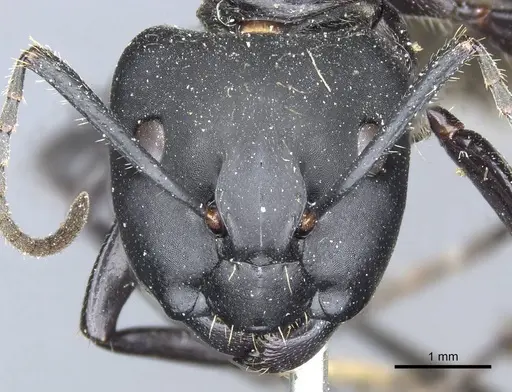
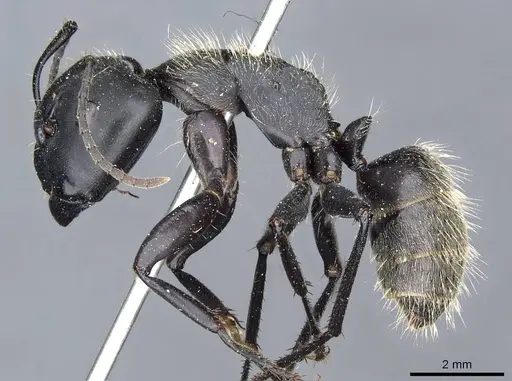
CASENT0905192
Megtekintés az AntWeb-en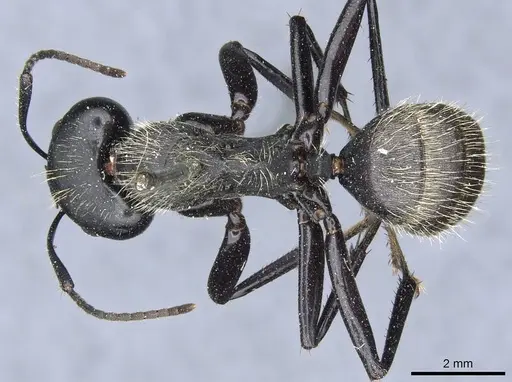
Irodalom
Elterjedési térkép betöltése...Termékek betöltése...