
Camponotus kubaryi
- Tud. név
- Camponotus kubaryi
- Alnem
- Tanaemyrmex
- Nemzetség
- Camponotini
- Alcsalád
- Formicinae
- Szerző
- Mayr, 1876
- Elterjedés
- 0 országban megtalálható
Bevezetés
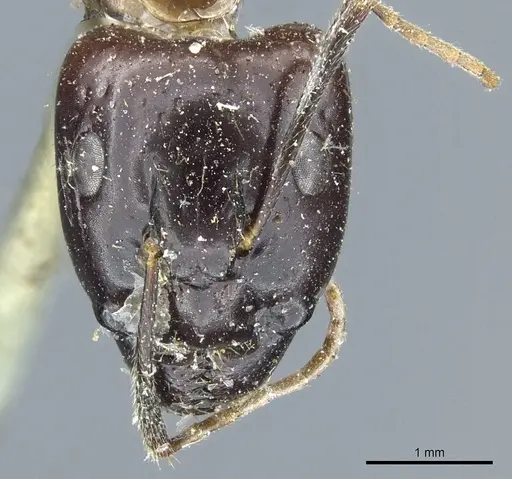
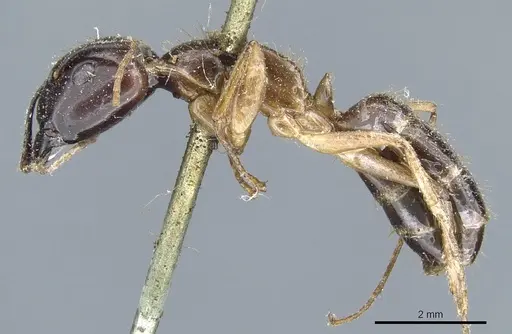
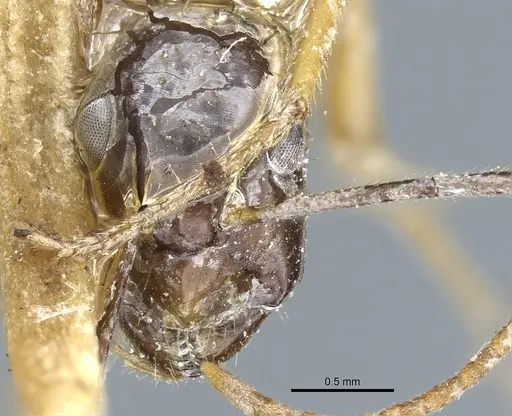
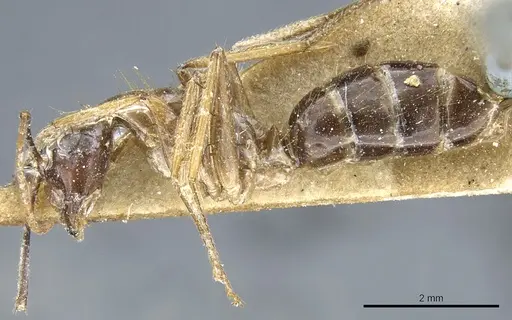
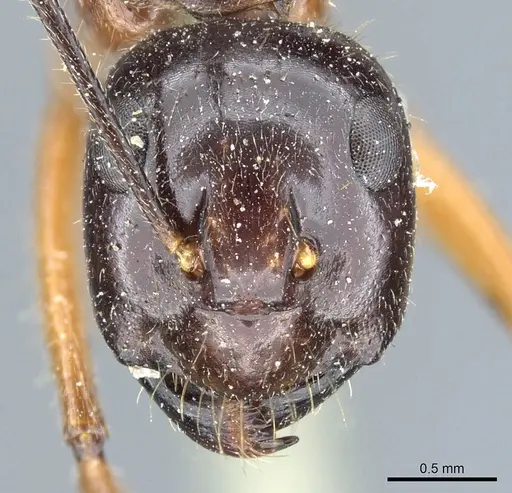
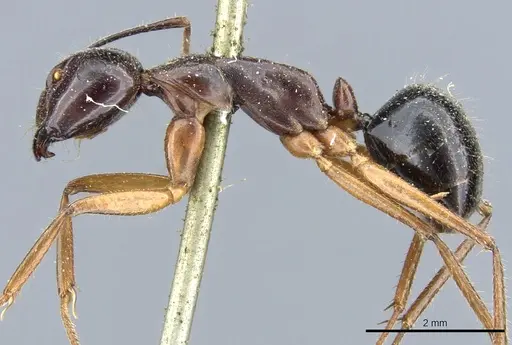
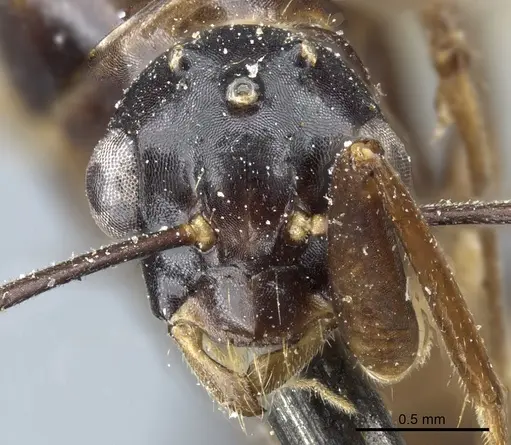
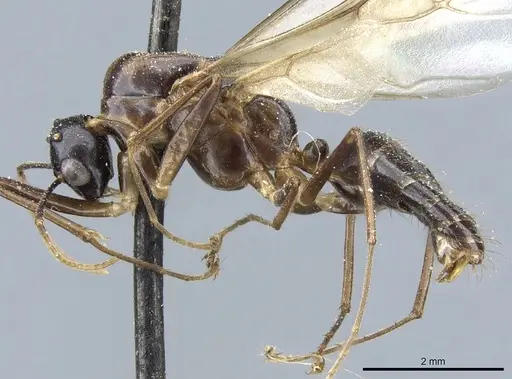
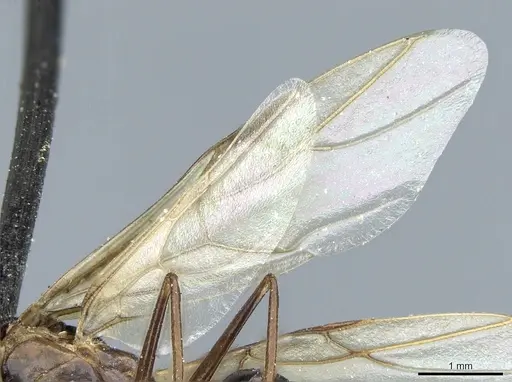
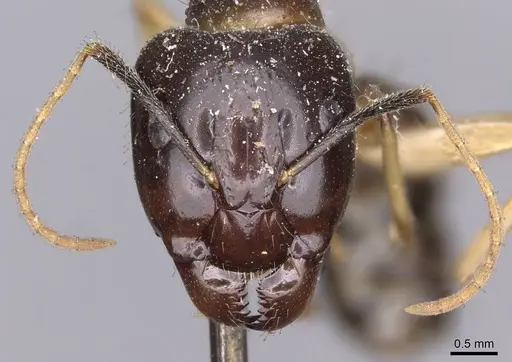
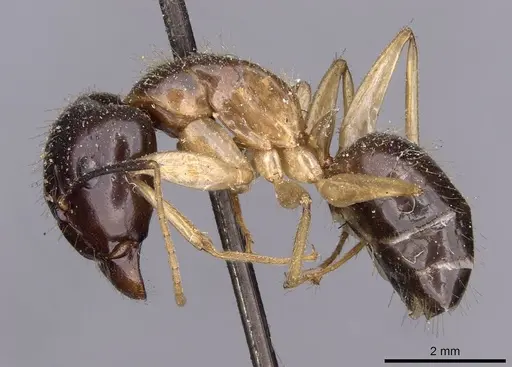
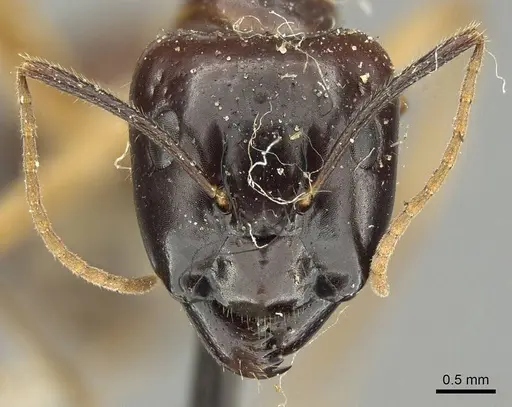
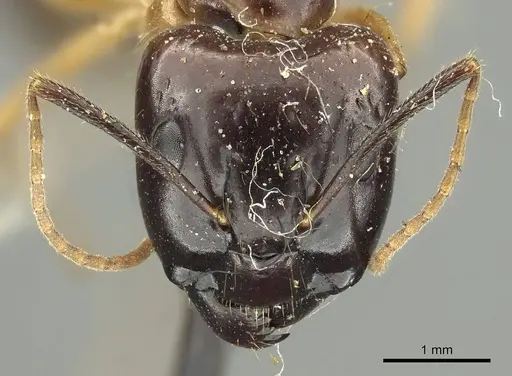
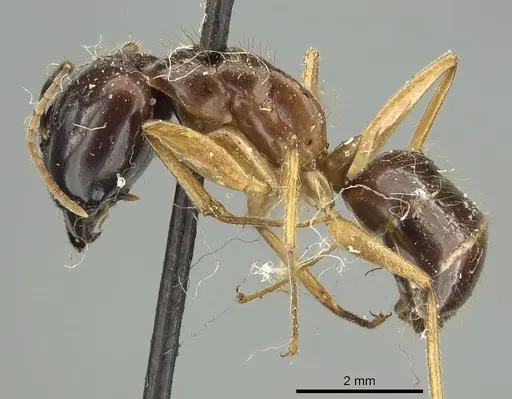
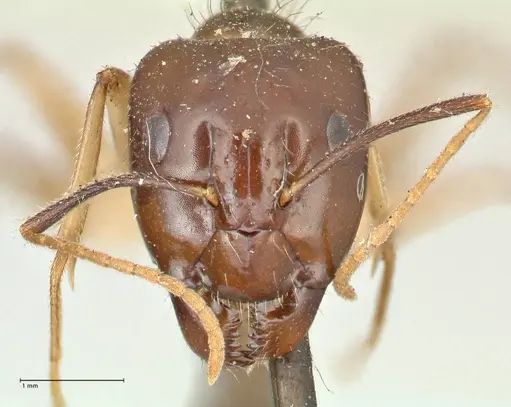
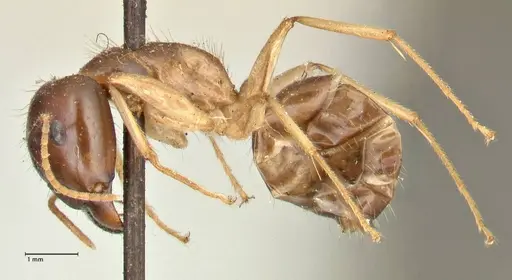
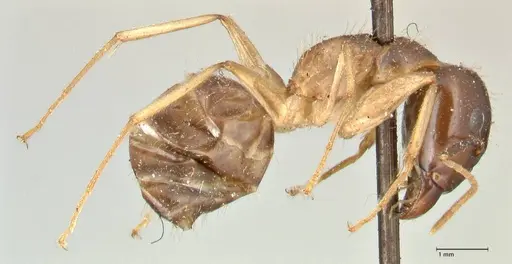
Camponotus kubaryi is a carpenter ant endemic to the Republic of Palau islands in Micronesia. Majors are 7.5-9.5mm ants with a medium yellow mesosoma contrasting sharply with a much darker head and gaster that approaches black . The head tapers distinctly with a concave vertex in major workers, while minor workers have a more rounded head with a convex vertex . This species is the only Camponotus in all of Micronesia with a large, dark head, making identification straightforward despite variation across the isolated island populations . The species shows noticeable morphological variation due to the fragmented landscape of over 200 small limestone islands that may divide populations into isolated groups .
Quick Summary
- Difficulty: Medium
- Origin & Habitat: Endemic to the Republic of Palau islands in Micronesia, a region of less than 500 km² consisting of over 200 small limestone islands scattered across the Pacific [1]. As a tropical island species, they likely nest in rotting wood, dead trees, or under bark in the humid forest environment.
- Colony Type: Colony structure is unconfirmed for this species. Camponotus species are typically monogyne, but specific documentation for C. kubaryi is lacking.
- Size & Growth:
- Queen: Size data unavailable, no documented measurements for queens exist. Based on typical Camponotus queen morphology relative to major workers (7.5-9.5mm), queens would likely exceed 10mm.
- Worker: Majors: 7.5-9.5mm total length. Minors: approximately 4-5mm total length, inferred from typical Camponotus genus patterns [1][2].
- Colony: Colony size is unconfirmed for this species.
- Growth: Moderate, Camponotus species typically take 6-10 weeks from egg to first worker at optimal temperatures.
- Development: 6-10 weeks estimated based on typical Camponotus development patterns. (Development time depends on temperature, warmer conditions within the ideal range accelerate development.)
- Antkeeping:
- Temperature: Keep at 24-28°C as a starting point. This is a tropical species from Palau, so they prefer warm conditions. A slight gradient allowing workers to self-regulate is ideal.
- Humidity: Maintain moderate to high humidity (60-80%). These island ants are accustomed to the humid tropical environment of Palau. Keep the nest substrate consistently moist but not waterlogged.
- Diapause: No, as a tropical species from a consistent climate, they do not require hibernation or winter dormancy.
- Nesting: In captivity, they do well in Y-tong (AAC) nests, plaster nests, or naturalistic setups with rotting wood. They prefer enclosed nests with some moisture. A test tube setup works well for founding colonies.
- Behavior: Typical Camponotus temperament, generally calm and not overly aggressive. Workers are moderately active foragers. This species lacks a functional sting, instead, workers bite and spray concentrated formic acid from an acidopore into the wound, which is the standard defense mechanism for Formicinae ants. Escape prevention should be moderate, they are large enough that standard barriers work well, but they can climb smooth surfaces.
- Common Issues: tropical species may struggle if temperatures drop below 20°C for extended periods, colonies may develop slowly compared to faster-growing genera like Solenopsis, wild-caught colonies from remote islands may have unknown parasites or pathogens, overfeeding can lead to mold issues in enclosed nests, major workers are large and need appropriately sized foraging areas
Nest Preferences
In the wild, Camponotus kubaryi nests in rotting wood, dead tree branches, and under bark, typical carpenter ant behavior. The limestone island habitat of Palau provides many crevices and decaying vegetation for nesting. In captivity, they adapt well to various nest types. Y-tong (AAC) nests work excellently as they provide the dark, enclosed environment these ants prefer. Plaster nests with water channels maintain humidity well. For founding colonies, a simple test tube setup with a water reservoir works perfectly. The nest should have chambers sized appropriately for the colony, larger chambers for majors to move freely. Include some damp substrate or a water reservoir to maintain humidity. [1]
Feeding and Diet
Camponotus kubaryi is an omnivorous species, like most carpenter ants. They collect honeydew from aphids and scale insects in the wild, and will readily accept sugar water or honey in captivity. Protein sources are important for brood development, offer small insects like fruit flies, small crickets, or mealworms. Workers will forage for food in the outworld, making feeding straightforward. Provide a constant sugar source (honey water or sugar water) and offer protein prey 2-3 times per week. Remove uneaten prey after 24-48 hours to prevent mold. Fresh fruit can also be accepted occasionally.
Temperature and Care
As a tropical species from Palau, Camponotus kubaryi requires warm conditions. Keep the nest area at 24-28°C for optimal brood development. A slight temperature gradient allows the colony to self-regulate, place a heating cable on one side of the nest to create a warm zone (around 28°C) and a cooler zone (around 24°C). Avoid temperatures below 20°C as prolonged cold can weaken or kill the colony. Room temperature in most homes (20-24°C) may be acceptable but could slow development. Monitor colony activity, workers clustering near heat suggest they want it warmer, avoiding heated areas suggests it's too hot. [1]
Behavior and Temperament
This species has a typical Camponotus temperament, generally calm and manageable. Majors are impressive-looking soldiers with their large dark heads, but they are not particularly aggressive. Workers will defend the nest if threatened but are not prone to attacking without provocation. This ant lacks a functional sting. Instead, when threatened, workers bite the target and spray a stream of concentrated formic acid from an acidopore into the wound, this is the standard defense mechanism for ants in the subfamily Formicinae. They are moderate foragers and will send workers out to collect food. Escape risk is moderate, they are large enough that standard barriers like fluon work well, but ensure lids are secure. The distinct color pattern (yellow mesosoma, dark head and gaster) makes them visually striking and easy to identify. [1]
Colony Founding
The founding behavior of Camponotus kubaryi has not been specifically documented. Most Camponotus species are claustral, meaning the queen seals herself in a chamber and raises the first brood alone using stored fat reserves. However, this pattern has not been confirmed for C. kubaryi specifically. If following typical claustral founding, the queen would prepare a small chamber in nesting material, seal herself in, and survive entirely on stored fat reserves and broken-down wing muscles. The first brood develops through egg, larva, and pupa stages entirely supported by the queen's reserves. Once the first workers (nanitics) emerge, they begin foraging to feed the colony. This founding period typically takes 6-10 weeks under warm conditions. Do not disturb a founding queen or open the nest during this critical period.
Frequently Asked Questions
How long does it take for Camponotus kubaryi to produce first workers?
Expect 6-10 weeks from egg to first worker at optimal temperatures (24-28°C). This is typical for Camponotus species. Cooler temperatures will slow development significantly.
What do Camponotus kubaryi ants eat?
They are omnivorous. Offer a constant sugar source (honey water or sugar water) and protein prey like small insects (fruit flies, small crickets, mealworms) 2-3 times per week.
What temperature do Camponotus kubaryi need?
Keep them warm at 24-28°C. This tropical species from Palau prefers consistent warmth. A slight gradient allowing self-regulation is ideal.
Do Camponotus kubaryi need hibernation?
No, they do not require hibernation. As a tropical species from the consistent climate of Palau, they should be kept warm year-round.
Are Camponotus kubaryi good for beginners?
They are moderate difficulty, not the easiest but not challenging. Their tropical temperature requirements and moderate growth rate make them suitable for keepers with some experience.
How big do Camponotus kubaryi colonies get?
Colony size is not well documented for this species. Based on typical Camponotus patterns, colonies likely reach several hundred workers at maturity.
Can I keep multiple Camponotus kubaryi queens together?
Not recommended. Camponotus are typically single-queen colonies. Combining unrelated foundresses has not been documented for this species and would likely result in fighting.
What size nest do Camponotus kubaryi need?
They adapt well to various nest types. Y-tong (AAC) nests, plaster nests, or naturalistic setups with rotting wood all work well. The nest should be appropriately sized for the colony size.
Where is Camponotus kubaryi found in the wild?
They are endemic to the Republic of Palau islands in Micronesia, found only on these small limestone islands in the Pacific Ocean.
Why is Camponotus kubaryi easy to identify?
They are the only Camponotus species in all of Micronesia with a large, dark head. The contrasting yellow mesosoma with dark head and gaster makes them distinctive.
When should I move my colony to a formicarium?
Move from a test tube setup to a proper nest when the colony reaches around 30-50 workers and the test tube space becomes cramped. Ensure the new setup maintains appropriate humidity.
Report an Issue
The current care sheet is based fully on literature. See inconsistencies, or something that's incorrect? Please , it will be resolved after review from an admin. Contributing to the blogs tab also helps providing information, to make us be able to further improve the caresheets. Thank you for your support!
References

Ez a tartási útmutató a következő licenc alatt áll: CC BY-SA 4.0 .
Közösségi blogok
CASENT0904012
Megtekintés az AntWeb-en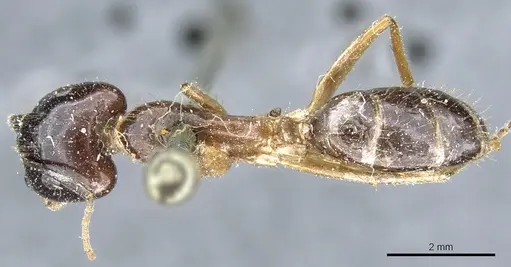
CASENT0904013
Megtekintés az AntWeb-en
CASENT0904014
Megtekintés az AntWeb-en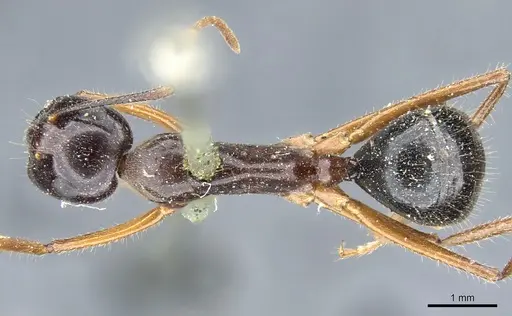
CASENT0904015
Megtekintés az AntWeb-en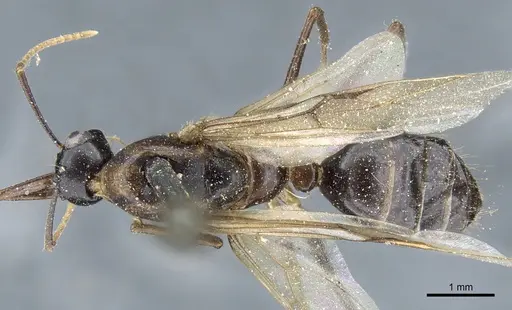
CASENT0910153
Megtekintés az AntWeb-en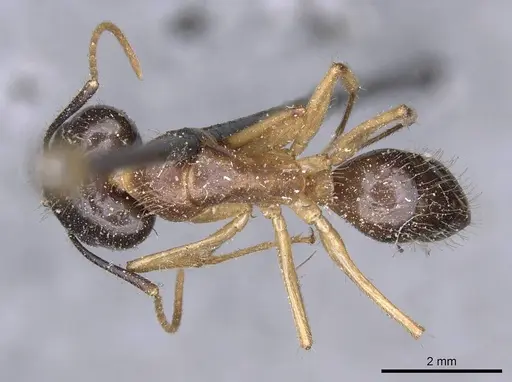
CASENT0915760
Megtekintés az AntWeb-en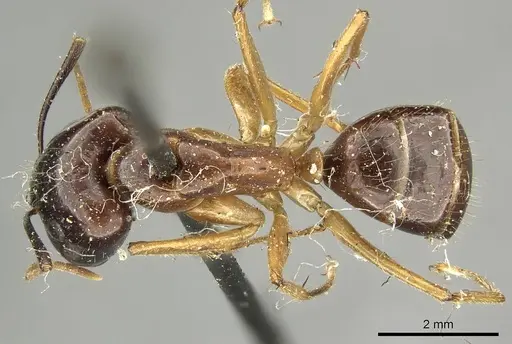
FOCOL2409
Megtekintés az AntWeb-en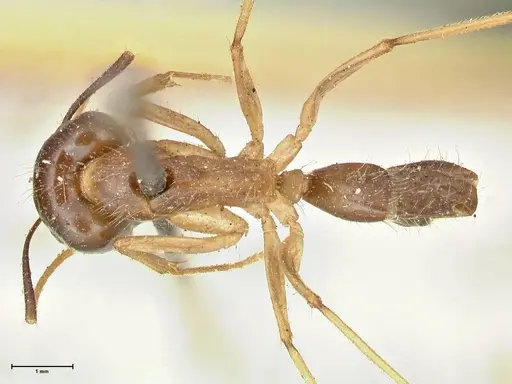
Irodalom
Elterjedési térkép betöltése...Termékek betöltése...