
Camponotus abunanus
- Tud. név
- Camponotus abunanus
- Alnem
- Tanaemyrmex
- Nemzetség
- Camponotini
- Alcsalád
- Formicinae
- Szerző
- Mann, 1916
- Elterjedés
- 0 országban megtalálható
Bevezetés
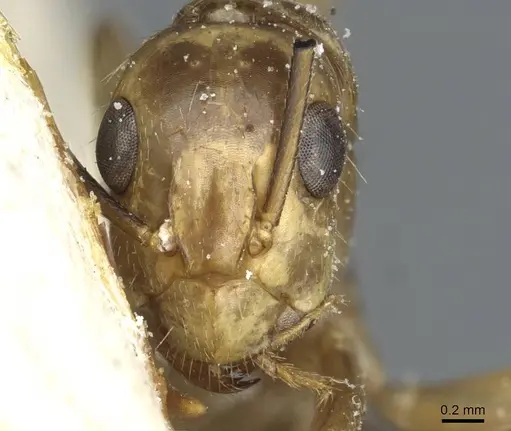
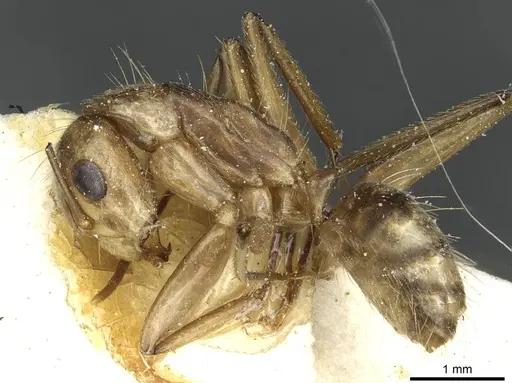
Camponotus abunanus is a carpenter ant species native to the Brazilian Amazon region, specifically known only from the type locality in Porto Velho, Rondônia state, Brazil . This species belongs to the maculatus species complex, a group of Neotropical carpenter ants . Workers are polymorphic, with major workers having notably large heads. The antennal scape of major workers barely reaches the posterior lateral corner of the head . As a tropical carpenter ant from the Amazon region, this species likely nests in rotting wood or dead tree branches.
Quick Summary
- Difficulty: Medium
- Origin & Habitat: Known only from the type locality in Porto Velho, Rondônia, Brazil [1]. This is a tropical Amazon region with high humidity and year-round warm temperatures.
- Colony Type: Colony structure is unconfirmed. Based on typical Camponotus patterns, likely single-queen colonies.
- Size & Growth:
- Queen: Size data unavailable, no specific measurements exist for this species
- Worker: Size data unavailable, no specific measurements exist for this species
- Colony: Unknown, no colony size data exists for this species
- Growth: Moderate
- Development: Development time is unconfirmed for this species (Based on typical Camponotus patterns, first workers may appear in 6-8 weeks under warm conditions, but this is not confirmed for C. abunanus.)
- Antkeeping:
- Temperature: Keep nest area at 24-28°C. As a tropical species from the Brazilian Amazon, they prefer warm conditions. A heating cable on one side of the nest creates a temperature gradient allowing the colony to self-regulate.
- Humidity: Maintain moderate to high humidity. The Amazon region is naturally humid, so ensure the nest substrate stays slightly moist but not waterlogged.
- Diapause: No, as a tropical species from near the equator, they do not require a winter dormancy period. Keep temperatures consistent year-round.
- Nesting: In captivity, they do well in Y-tong (AAC) nests, plaster nests, or naturalistic setups with rotting wood pieces. They prefer dark, secure nesting sites.
- Behavior: Typical Camponotus temperament, generally calm and not aggressive unless their nest is threatened. Workers are primarily nocturnal or crepuscular, foraging at night. Major workers serve as defenders. Escape risk is moderate, use standard barrier methods like fluon on test tube rims.
- Common Issues: very limited scientific data exists for this species, care recommendations are based on genus patterns rather than species-specific research, tropical species may be sensitive to temperature drops below 20°C, colonies may grow slowly initially as they establish their first worker cohort, wild-caught colonies may have parasites or diseases that can cause captive failures
Nest Preferences
In the wild, Camponotus abunanus likely nests in rotting wood, dead tree branches, or under bark in the Amazon forest, which is typical behavior for carpenter ants. In captivity, they adapt well to various nest types. Y-tong (AAC) nests work well, the dark chambers mimic their natural tree-nesting preferences. Plaster nests with built-in water channels maintain humidity well. For a naturalistic setup, provide pieces of rotting wood or cork bark. The nest should be dark and secure. They do not need large spaces initially, a test tube setup works well for founding colonies, with transfer to a larger formicarium once the colony grows. [1]
Feeding and Diet
Camponotus abunanus is an omnivorous carpenter ant. They accept sugar sources readily, offer sugar water, honey, or diluted maple syrup in a small container. For protein, provide insects such as fruit flies, small crickets, mealworms, or wax moth larvae. They will also scavenge on small pieces of fruit, seeds, or other organic matter. Feed protein sources 2-3 times per week, and keep sugar water available constantly. Remove uneaten prey after 24-48 hours to prevent mold. Major workers can handle larger prey items.
Temperature and Care
As a tropical Amazon species, Camponotus abunanus requires warm temperatures. Keep the nest area at 24-28°C for optimal brood development. Temperatures below 20°C can stress the colony and slow or stop brood development. Use a heating cable or heat mat on one side of the nest to create a gentle gradient, this allows workers to move brood to their preferred temperature zone. Avoid placing heat sources directly on the nest material as this can cause drying. They do not require any cooling or hibernation period, maintain consistent temperatures year-round.
Behavior and Temperament
Camponotus abunanus has a typical carpenter ant temperament, generally docile and non-aggressive toward keepers. Workers are most active during evening and nighttime hours. They are not known to be particularly defensive, but major workers will respond if the nest is disturbed. They do not possess a painful sting. Formicinae ants like Camponotus can spray formic acid as a defense mechanism. Escape prevention should be standard, apply fluon to test tube rims and use fine mesh on any outworld ventilation.
Colony Founding
Based on typical Camponotus patterns, C. abunanus is likely claustral. The queen seals herself in a small chamber and does not leave to forage during founding. She relies on her stored fat reserves to produce the first brood. This means you do not need to feed a founding queen, she will survive without food until her first workers emerge. The founding chamber should be small and secure. Place the test tube in a dark, quiet location and avoid vibrations or disturbances. First workers will be smaller than normal workers but will immediately begin caring for subsequent brood and foraging for food.
Growth and Development
Colony growth follows typical Camponotus patterns. After the founding period, the first workers emerge and begin foraging. The colony then enters a growth phase as the first workers establish themselves and the queen resumes egg-laying. Major workers begin appearing as the colony matures. A mature colony can persist for many years. Patience is key, Camponotus colonies do not grow as rapidly as some smaller ant species, but they can live for decades in captivity with proper care.
Frequently Asked Questions
How long does it take for Camponotus abunanus to produce first workers?
This is unconfirmed for this species. Based on typical Camponotus development, first workers may appear in 6-8 weeks at optimal temperatures of 24-28°C, but no species-specific data exists.
What do Camponotus abunanus ants eat?
They are omnivorous. Offer sugar water, honey, or maple syrup constantly for energy. For protein, provide insects like fruit flies, small crickets, or mealworms 2-3 times per week. They will also scavenge on small fruit pieces or seeds.
Do Camponotus abunanus ants need hibernation?
No. As a tropical species from the Brazilian Amazon near the equator, they do not require a winter dormancy period. Keep temperatures consistent year-round in the 24-28°C range.
What temperature should I keep Camponotus abunanus at?
Keep nest temperatures at 24-28°C. This tropical species prefers warm conditions. A heating cable on one side of the nest creates a gradient. Avoid temperatures below 20°C.
Are Camponotus abunanus ants good for beginners?
This species is suitable for intermediate antkeepers. While they are generally hardy once established, very limited species-specific information exists. Their tropical nature means temperature control is important.
How big do Camponotus abunanus colonies get?
Colony size is unknown for this species. No specific data exists regarding maximum colony size.
What type of nest is best for Camponotus abunanus?
Y-tong (AAC) nests, plaster nests, or naturalistic setups with rotting wood work well. They prefer dark, secure nesting sites. A test tube setup is fine for founding colonies, transfer to a larger formicarium once the colony grows.
Can I keep multiple Camponotus abunanus queens together?
Not recommended. While colony structure is unconfirmed for this species, most Camponotus are single-queen colonies. Combining unrelated queens has not been documented and likely results in fighting.
When should I move my Camponotus abunanus colony to a formicarium?
Transfer to a larger nest when the colony reaches 20-30 workers and the test tube space becomes cramped. Make sure the formicarium has appropriately sized chambers, too large a space can stress small colonies.
Why is so little known about Camponotus abunanus care?
This species has been documented only from its original type locality in Rondônia, Brazil, in 1916. Very little scientific research exists on its biology, behavior, or colony structure. Care recommendations are based on typical Camponotus and maculatus complex patterns rather than species-specific studies.
Is Camponotus abunanus invasive or dangerous?
This species is not considered invasive. It is native to the Brazilian Amazon region and has never been documented as established outside its natural range. It poses no danger to humans beyond typical ant behavior.
Report an Issue
The current care sheet is based fully on literature. See inconsistencies, or something that's incorrect? Please , it will be resolved after review from an admin. Contributing to the blogs tab also helps providing information, to make us be able to further improve the caresheets. Thank you for your support!
References

Ez a tartási útmutató a következő licenc alatt áll: CC BY-SA 4.0 .
Közösségi blogok
CASENT0911885
Megtekintés az AntWeb-en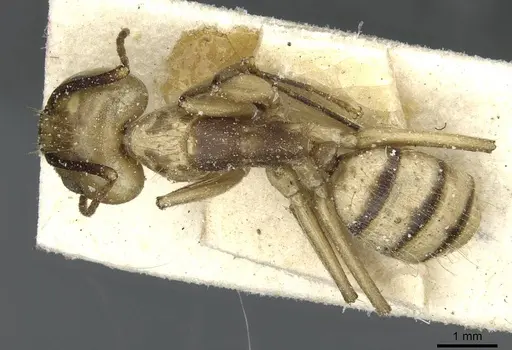
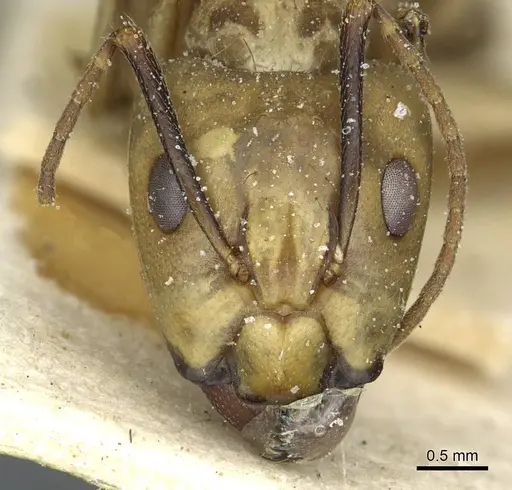
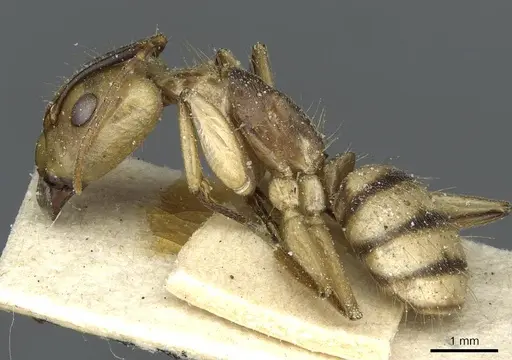
CASENT0911886
Megtekintés az AntWeb-en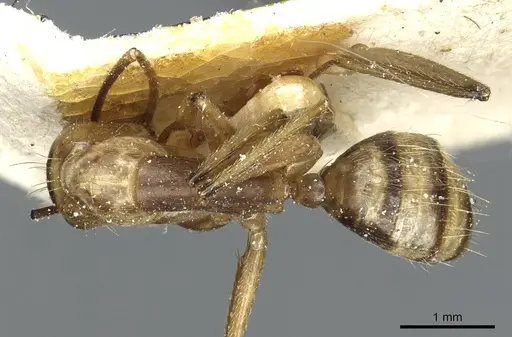
Irodalom
Elterjedési térkép betöltése...Termékek betöltése...