
Calyptomyrmex vedda
- Tud. név
- Calyptomyrmex vedda
- Nemzetség
- Crematogastrini
- Alcsalád
- Myrmicinae
- Szerző
- Baroni Urbani, 1975
- Elterjedés
- 0 országban megtalálható
Bevezetés
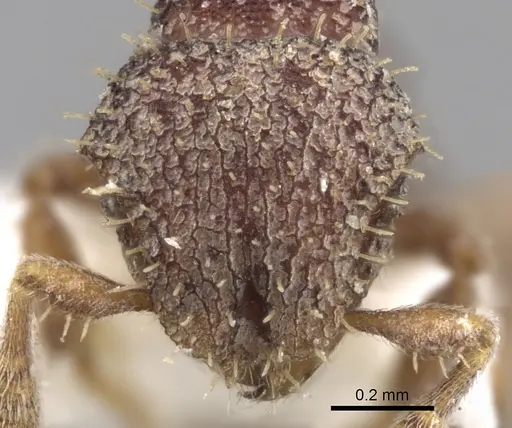
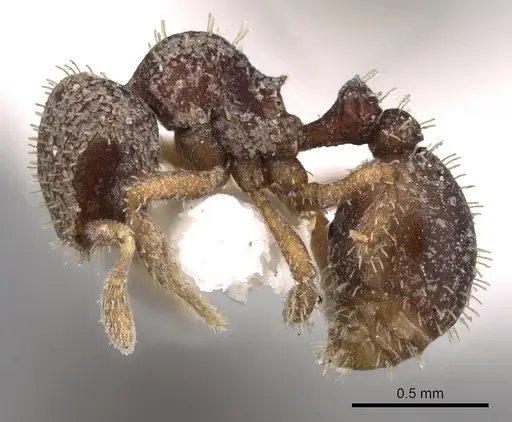
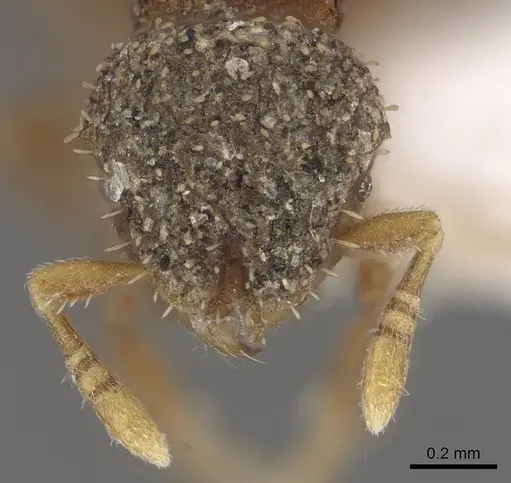
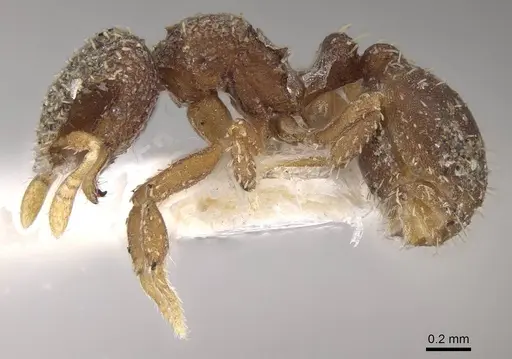
Calyptomyrmex vedda is a tiny myrmicine ant species endemic to Sri Lanka. Workers have a light brown coloration and distinctive spoon-shaped (clavate) setae on their first gastral tergite, which gives them a somewhat fuzzy appearance under magnification . The promesonotal suture is variable - sometimes present, sometimes absent - and the number of mandibular teeth can vary between individuals . This species was described in 1975 from specimens collected in the Uva province of Sri Lanka [AntWiki]. The genus Calyptomyrmex is known for its cryptic, ground-dwelling habits and these ants are typically found in leaf litter and rotting wood in forested areas.
Quick Summary
- Difficulty: Hard
- Origin & Habitat: Endemic to Sri Lanka, found in the Uva province (Inginiyagala area). They inhabit tropical forest environments, typically in leaf litter and rotting wood [2][1].
- Colony Type: Unconfirmed colony structure, no documented information exists for this species.
- Size & Growth:
- Queen: Size data unavailable, not described in original species description.
- Worker: Approximately 3-4mm, inferred from genus patterns for Calyptomyrmex species [1].
- Colony: Unknown, no colony size data available for this species.
- Growth: Unknown, no development data exists for this species.
- Development: Unknown, no development data exists for this species. (No development data exists for this species.)
- Antkeeping:
- Temperature: Keep warm at 24-28°C. Sri Lanka is tropical, so they need consistently warm conditions. A heating cable on one side of the nest creates an appropriate gradient.
- Humidity: High humidity required, think damp forest floor. Keep the nest substrate consistently moist but not waterlogged. Provide a water tube for drinking access.
- Diapause: Unlikely, as a tropical species from Sri Lanka, they probably do not require a diapause period.
- Nesting: Based on genus patterns, they likely prefer naturalistic setups with leaf litter, rotting wood, or soil. A Y-tong or plaster nest with high humidity works well. They are small and need appropriately scaled chambers.
- Behavior: This is a cryptic, ground-dwelling species that avoids confrontation. They are not aggressive and rely on camouflage rather than confrontation. Their small size means they can squeeze through small gaps, so escape prevention is important.
- Common Issues: no available care data means this species is experimental to keep, expect a learning curve, small size makes escape prevention critical, use fine mesh and tight-fitting lids, high humidity needs can lead to mold if ventilation is poor, no established feeding protocols exist, start with standard ant foods and observe, wild-caught colonies may have unknown parasites or diseases
Understanding Calyptomyrmex vedda
Calyptomyrmex vedda is one of the rarest and least studied ant species in the antkeeping hobby. Endemic to Sri Lanka, this tiny myrmicine was described in 1975 from just four type specimens collected in the Uva province [1]. The species name 'vedda' refers to the Vedda people, an indigenous group of Sri Lanka. What makes this ant distinctive is its spoon-shaped (clavate) setae on the first gastral tergite, these are specialized hairs that likely help with camouflage or moisture regulation [1]. The variable presence of the promesonotal suture and variable mandibular tooth count suggest this species may show some morphological flexibility. Unfortunately, virtually no biological or ecological research has been conducted on this species since its description, meaning everything we know comes from those original four specimens.
Housing and Nesting
Since no captive husbandry data exists for this species, we must make informed guesses based on genus patterns and what we know about similar tropical leaf-litter ants. Calyptomyrmex ants are typically ground-dwelling and found in rotting wood or leaf litter in forested areas. For captivity, a naturalistic setup with a moist substrate (a mix of soil and rotting wood or leaf litter) works best. Alternatively, a Y-tong or plaster nest with high humidity can work. The chambers should be appropriately sized for their tiny workers, tight passages help them feel secure. Always provide a water tube for drinking access, as they cannot obtain all their moisture from food alone.
Feeding and Diet
The diet of Calyptomyrmex vedda has not been documented, but the genus is known to be generalist and omnivorous, similar to most Myrmicinae. Based on genus patterns, they likely forage for small insects, honeydew, and nectar in nature. For captivity, offer a varied diet: sugar water or honey as an energy source, and small protein sources like fruit flies, pinhead crickets, or other tiny arthropods. Start with small amounts and observe what they accept. Given their small size, prey items should be appropriately sized, very small insects or pre-killed pieces are best. Remove uneaten food promptly to prevent mold.
Temperature and Humidity
Sri Lanka has a tropical climate with year-round warmth and high humidity. These ants should be kept at 24-28°C consistently, use a heating cable on one side of the nest to create a gentle gradient if your room temperature is below this range. Humidity should be high, around 70-80%. The nest substrate should remain consistently moist but never waterlogged. Allow some areas to dry slightly so the ants can choose their preferred microclimate. Poor ventilation combined with high humidity leads to mold, so ensure adequate air flow while maintaining moisture.
Behavior and Temperament
Based on genus patterns, Calyptomyrmex vedda is likely a calm, non-aggressive species that relies on camouflage rather than confrontation. They are probably nocturnal or crepuscular foragers that search through leaf litter and rotting wood. Workers are small and likely timid. They probably do not sting and pose no danger to keepers. However, their small size means escape prevention is critical, they can squeeze through surprisingly small gaps. Use fine mesh on any ventilation holes and ensure all lids fit tightly. These ants are not defensive and will likely flee rather than fight when disturbed.
Frequently Asked Questions
How difficult is Calyptomyrmex vedda to keep?
This species is considered hard to keep because virtually no captive husbandry information exists. You will be essentially pioneering care for this species. Expect a learning curve and be prepared for some trial and error. Only experienced antkeepers should attempt this species.
What do Calyptomyrmex vedda ants eat?
Their exact diet is unknown, but based on genus patterns, they likely accept sugar sources (honey, sugar water) and small protein prey like fruit flies, pinhead crickets, or other tiny insects. Start with small amounts and observe what they accept.
What temperature do Calyptomyrmex vedda ants need?
Keep them warm at 24-28°C. As a tropical species from Sri Lanka, they need consistently warm conditions year-round. A heating cable on part of the nest can help maintain appropriate temperatures.
Do Calyptomyrmex vedda ants need hibernation?
Probably not. As a tropical species, they likely do not require a diapause period.
How big do Calyptomyrmex vedda colonies get?
Unknown, no colony size data exists for this species.
Do Calyptomyrmex vedda ants sting?
They are not known to be defensive or aggressive. Based on genus patterns, they are unlikely to sting and pose no danger to keepers.
What type of nest is best for Calyptomyrmex vedda?
A naturalistic setup with moist substrate (soil mixed with rotting wood or leaf litter) works best. Alternatively, a Y-tong or plaster nest with high humidity can work. Chambers should be small and appropriately scaled for their tiny workers.
Where is Calyptomyrmex vedda found in the wild?
This species is endemic to Sri Lanka, specifically found in the Uva province (Inginiyagala area). They inhabit tropical forest environments in leaf litter and rotting wood.
How long does it take for Calyptomyrmex vedda to develop from egg to worker?
Unknown, no development data exists for this species.
Can beginners keep Calyptomyrmex vedda?
No, this species is not recommended for beginners. The complete lack of captive care data means keeping this ant successfully requires significant experience with ant husbandry. Only experienced antkeepers should attempt this species.
Report an Issue
The current care sheet is based fully on literature. See inconsistencies, or something that's incorrect? Please , it will be resolved after review from an admin. Contributing to the blogs tab also helps providing information, to make us be able to further improve the caresheets. Thank you for your support!
References

Ez a tartási útmutató a következő licenc alatt áll: CC BY-SA 4.0 .
Közösségi blogok
CASENT0280817
Megtekintés az AntWeb-en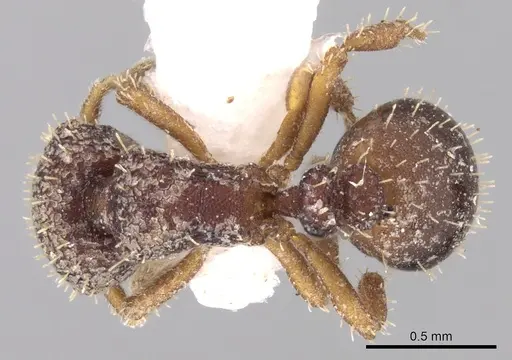
CASENT0911134
Megtekintés az AntWeb-en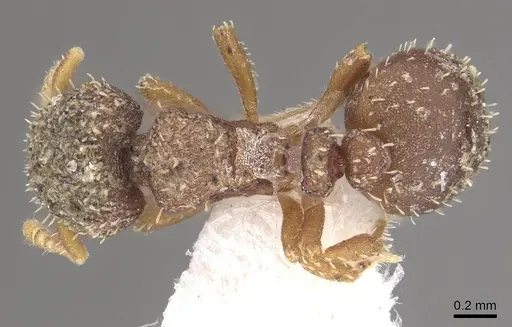
Irodalom
Elterjedési térkép betöltése...Termékek betöltése...