
Bondroitia saharensis
- Tud. név
- Bondroitia saharensis
- Nemzetség
- Solenopsidini
- Alcsalád
- Myrmicinae
- Szerző
- Santschi, 1923
- Elterjedés
- 0 országban megtalálható
Bevezetés
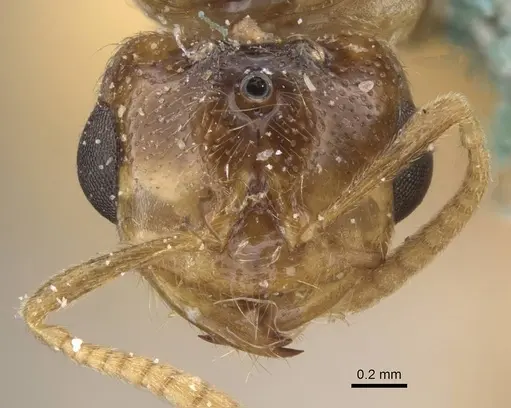
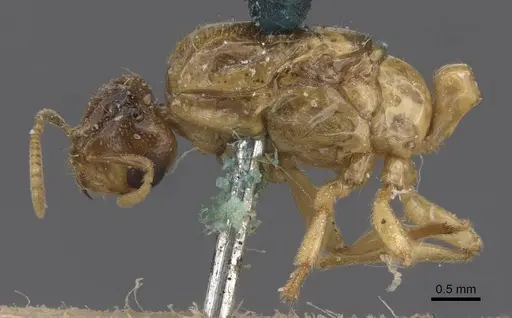
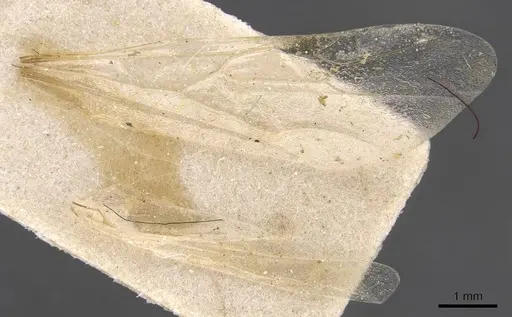
Bondroitia saharensis is an extremely rare African ant species known only from queens and males - workers have never been collected. The queen is yellow in color and significantly smaller than its close relative Bondroitia lujae. This species has one of the most limited known distributions in the ant world, found only in the Sahel region of Niger and two coastal plain regions in Israel. [AntWiki] What makes this species particularly interesting is how little we know about it. Despite being described in 1923, no one has ever documented a worker in the wild. This makes it one of the most enigmatic ant species to keep - you'll essentially be pioneering its captive care with no established baseline. [AntWiki]
Quick Summary
- Difficulty: Expert
- Origin & Habitat: Found in the Sahel region of Niger (central Sahara oases at Bilma) and the coastal plain regions of Israel. The habitat ranges from hot desert oases to Mediterranean coastal areas. [1][2][3]
- Colony Type: Unknown, only queens and males have been collected. Workers have never been observed, so colony structure is completely unconfirmed. [3]
- Size & Growth:
- Queen: Size data unavailable, only head measurements exist in the original description. The queen is notably smaller than Bondroitia lujae but exact total length is not recorded. [3]
- Worker: Unknown, workers have never been collected. [3]
- Colony: Unknown, workers have never been collected. [3]
- Growth: Unknown
- Development: Unknown, no data exists for this species. (No direct observations of brood development exist.)
- Antkeeping:
- Temperature: Likely warm-adapted given Sahel distribution. Start around 24-28°C and observe colony behavior.
- Humidity: Probably prefers dry to moderate conditions given desert/semi-arid origin. Keep nest substrate slightly moist but allow drying periods.
- Diapause: Unknown, likely reduced activity during cooler months given the temperate-mediterranean Israeli range, but not a true hibernation.
- Nesting: Unknown natural nesting preferences. Likely nests in soil or under stones in arid conditions. Use a test tube setup initially with dry to moderately moist substrate.
- Behavior: Completely unknown, no behavioral observations exist for this species. Based on genus placement in Solenopsidini, likely generalist feeders but this is speculative. Escape prevention should be excellent given likely small size.
- Common Issues: no biological data exists, keepers are essentially pioneering captive care with no established baseline, worker caste unknown, you may be attempting to establish the first known captive colony with workers, extreme rarity means finding colony founders is nearly impossible, no established feeding, temperature, or humidity guidelines exist, risk of inadvertently killing colonies before understanding their needs
The Challenge of Keeping an Undescribed Species
Bondroitia saharensis presents a unique challenge in ant keeping: it may be the least studied ant species in captivity. Workers have never been documented in the wild, meaning no one has ever observed how this species lives, feeds, or builds colonies. The queen was described in 1923 from specimens collected in central Niger, and males were also documented, but the worker caste remains a complete mystery. [3]
This means if you obtain a founding queen, you are essentially conducting the first-ever observations of this species' biology. This is both exciting and challenging, you must be prepared to experiment carefully and document your observations. There are no care guides, no established protocols, and no experienced keepers to consult. Your colony could fail for reasons no one has yet identified.
Distribution and Origin
This species has an unusual and fragmented distribution. It is known from the Sahel region of Niger, specifically from Bilma (oases in the central Sahara) collected in 1913, and from two coastal plain regions in Israel (regions 8 and 9). This disjunct distribution, desert oasis and Mediterranean coast, suggests the species may be adaptable to varying conditions or that separate populations exist. [2][1][3]
The Israeli populations were previously recorded as Bondroitia sp. before being identified as B. saharensis. Notably, this is the only non-tramp ant species found in Israel that is not also found in Europe, western Asia, or North Africa, making it a truly unique isolate in the region's ant fauna. [2]
What We Don't Know
Almost every aspect of this species' biology is unknown. We don't know what the workers look like, we don't know what they eat, we don't know how they form colonies, we don't know their temperature or humidity preferences, and we don't know their behavior. The congener Bondroitia lujae is known from all three castes, but the two species differ significantly in size. [3]
For antkeepers, this represents a blank slate. Any successful captive husbandry would be a genuinely novel contribution to scientific knowledge. However, this also means extreme caution is warranted, start with very small test tube setups, offer varied foods, and keep detailed notes on any behaviors observed.
Inferring Care from Relatives
Since direct data doesn't exist, we can make educated guesses based on related ants. Bondroitia belongs to the Solenopsidini tribe, which includes genera like Monomorium (small house ants) and Diplomorium. These relatives are typically small, often ground-nesting, and generalist in diet. [3]
The species' origin in Sahel (hot, arid) and Israeli coastal plains suggests tolerance for warm, relatively dry conditions. However, the Israeli populations live in a Mediterranean climate with mild, wet winters. This may indicate the species can adapt to different conditions, or that distinct populations exist. Start with moderate temperatures (24-28°C) and slightly dry to moderate humidity, then adjust based on colony behavior.
Frequently Asked Questions
Can I keep Bondroitia saharensis in a test tube?
Probably yes, based on the likely small size of this species. Start with a standard test tube setup with a cotton water reservoir. Since workers have never been documented, monitor the colony closely and be prepared to adjust if the queen seems stressed or behavior indicates issues.
How long until first workers with Bondroitia saharensis?
Unknown, no data exists on development time.
What do Bondroitia saharensis eat?
Unknown. Based on genus placement, likely generalist, accepting sugars (honey, sugar water) and small protein sources (insects). Start with standard ant foods (sugar water, small insects) and observe acceptance.
Are Bondroitia saharensis good for beginners?
No. This species is absolutely not recommended for beginners. There is no established care information, workers have never been documented, and successful captive husbandry would be a genuine scientific contribution. Only experienced antkeepers with a research mindset should attempt this species.
How big do Bondroitia saharensis colonies get?
Unknown, workers have never been collected, so maximum colony size is completely unknown.
Where can I find Bondroitia saharensis queens?
This species is extremely rare in the wild. Queens have only been collected a handful of times, mostly in the early 1900s. Finding a queen would require field work in Niger or Israel and significant expertise. Captive colonies essentially do not exist. [3]
Do Bondroitia saharensis need hibernation?
Unknown. The Israeli populations experience mild Mediterranean winters, while Niger populations see hot desert conditions. If kept in captivity, observe colony activity, if they slow significantly in cooler months, provide a slight cool period (15-18°C) rather than full hibernation.
Why have workers never been found for Bondroitia saharensis?
The species is extremely rare and has a limited known distribution. Workers may be very small, ground-nesting in hidden locations, or the species may have very small colony sizes making detection difficult. Alternatively, the species may be declining or locally extinct in its known range. [3]
Can I keep multiple Bondroitia saharensis queens together?
Unknown, colony structure has never been documented. Given the extreme rarity and lack of biological data, do not attempt combining unrelated queens. Every known queen is potentially scientifically invaluable.
Report an Issue
The current care sheet is based fully on literature. See inconsistencies, or something that's incorrect? Please , it will be resolved after review from an admin. Contributing to the blogs tab also helps providing information, to make us be able to further improve the caresheets. Thank you for your support!
References

Ez a tartási útmutató a következő licenc alatt áll: CC BY-SA 4.0 .
Közösségi blogok
CASENT0913544
Megtekintés az AntWeb-en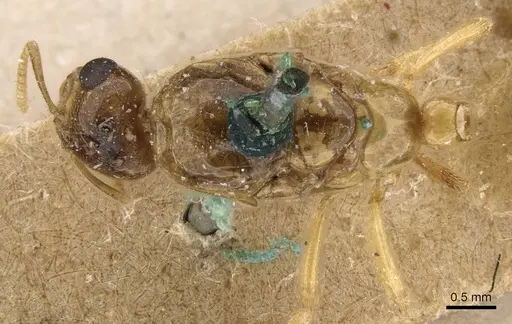
Irodalom
Elterjedési térkép betöltése...Termékek betöltése...