
Azteca severini
- Tud. név
- Azteca severini
- Nemzetség
- Leptomyrmecini
- Alcsalád
- Dolichoderinae
- Szerző
- Emery, 1896
- Elterjedés
- 0 országban megtalálható
Bevezetés
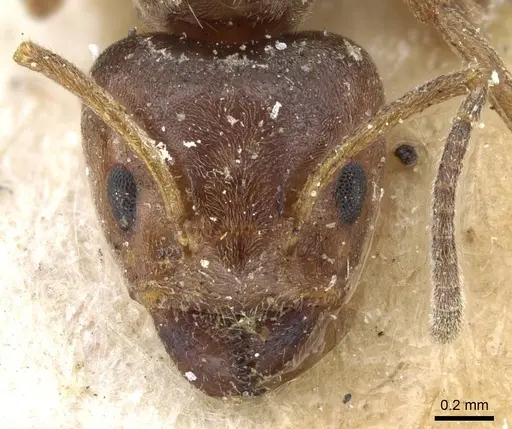
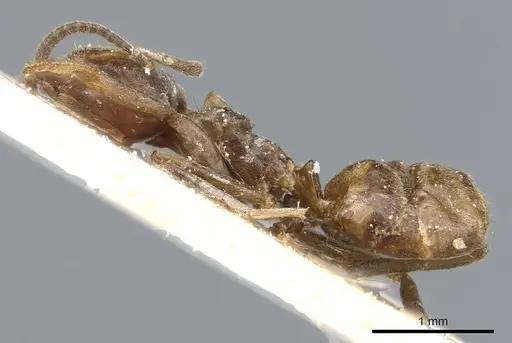
Azteca severini is a Dolichoderine ant belonging to the Azteca trigona group. Workers are dark brown to black. This species is native to Brazil, documented in Rio de Janeiro (Novo Friburgo) and the metropolitan region of Salvador, Bahia [AntWiki]. These ants have been found in fragment habitats and public squares, showing adaptability to urban environments. As with other Azteca species, they likely nest in pre-existing cavities. The defense mechanism involves secreting defensive chemical compounds from a slit-like opening at the tip of the abdomen, as they lack a functional sting.
Quick Summary
- Difficulty: Medium
- Origin & Habitat: Native to the Neotropical region of Brazil, specifically documented in Rio de Janeiro (Novo Friburgo) and the metropolitan region of Salvador, Bahia. Found in fragment habitats and public squares [2][1].
- Colony Type: Colony structure is not documented for this specific species.
- Size & Growth:
- Queen: size data unavailable, no measurements found in research context
- Worker: size data unavailable, no specific measurements found in research context
- Colony: Exact colony size is not documented
- Growth: Unknown
- Development: Unknown, specific development data not available for this species (Development time is unconfirmed. Related tropical Dolichoderinae typically develop faster in warmer conditions.)
- Antkeeping:
- Temperature: Keep warm, roughly 24-28°C, reflecting their native Brazilian tropical habitat. A gentle gradient allowing workers to self-regulate is ideal.
- Humidity: Moderate to high humidity. These ants naturally occur in humid tropical environments. Keep the nest substrate consistently moist but not waterlogged.
- Diapause: No, as a tropical species from Brazil, Azteca severini does not require hibernation. Maintain consistent warm temperatures year-round.
- Nesting: Likely prefers nesting in pre-existing cavities. In captivity, Y-tong (AAC) nests, plaster nests, or naturalistic setups with rotting wood or cork work well.
- Behavior: Azteca ants are known for their defensive behaviors. Workers will emerge when disturbed and may bite perceived threats. They are active foragers and will exploit honeydew sources from aphids and scale insects, as well as hunt small insects. Escape prevention is important, they can climb smooth surfaces. Use fluon on test tube rims and ensure formicarium connections are secure.
- Common Issues: tropical temperature requirements mean colonies can struggle in cool climates, aggressive behavior makes them prone to escaping when disturbed, work carefully during feeding and nest maintenance, limited availability in the antkeeping hobby means established colonies are rarely available, humidity control is important, too dry and colonies may decline, wild-caught colonies may carry parasites or diseases
Housing and Nest Preferences
Azteca severini adapts well to various captive setups. Y-tong (AAC) nests work well as they provide a dark, humid environment. Plaster nests or naturalistic setups with cork or rotting wood mimic their natural nesting sites. The key is providing consistent moisture in the substrate while allowing for some drier areas within the nest for the ants to self-regulate. Outworld space should be adequate for foraging. [2][1]
Feeding and Diet
Like other Azteca species, Azteca severini is omnivorous with a preference for sweet liquids and protein. Feed sugar water, honey, or diluted maple syrup as a constant carbohydrate source. For protein, offer small insects such as fruit flies, small crickets, mealworms, or wax moths. They will also tend aphids and scale insects if present in the setup. Feed protein regularly, and ensure sugar sources are always available. Remove uneaten prey after 24-48 hours to prevent mold.
Temperature and Seasonal Care
As a tropical Brazilian species, Azteca severini requires warm temperatures year-round. Maintain the nest area at roughly 24-28°C. A heating cable placed on one side of the nest creates a temperature gradient allowing the ants to regulate their own conditions. Avoid temperatures below 20°C for extended periods. No hibernation or diapause is required. If your room temperature falls below their requirements, targeted heating is essential. [2]
Behavior and Temperament
Azteca ants exhibit defensive behavior when their nest is disturbed. Workers may emerge and attack perceived threats. They are active foragers and will readily explore their outworld for food. Their medium size and agile movement mean escape prevention should be taken seriously, use fluon on test tube rims and ensure all connections are secure. They lack a functional sting but may bite.
Colony Establishment
Establishing a colony of Azteca severini can be challenging due to their limited availability in the antkeeping hobby. If you obtain a founding queen, provide her with a simple test tube setup with a water reservoir. Do not disturb her unnecessarily during the founding stage. Once workers are established, you can gradually introduce them to a larger foraging area.
Frequently Asked Questions
How long does it take for Azteca severini to produce first workers?
Specific development data for this species is not available. At optimal tropical temperatures (24-28°C), related Dolichoderinae species typically develop from egg to worker in 6-10 weeks, but this is unconfirmed for A. severini.
What temperature do Azteca severini ants need?
Keep them at roughly 24-28°C. These are tropical ants from Brazil and require warm conditions year-round. A heating cable on one side of the nest can provide necessary warmth if your room temperature is below this range.
Are Azteca severini good for beginners?
This species is rated as Medium difficulty. While they are relatively hardy once established, their defensive temperament, escape tendencies, and specific temperature requirements make them better suited for keepers with some experience.
Can I keep multiple Azteca severini queens together?
The colony structure of this specific species is not documented. Based on typical ant behavior, combining unrelated queens is not recommended as they may fight. If you obtain multiple foundresses, house them separately.
What do Azteca severini ants eat?
They are omnivorous. Feed them sugar water, honey, or maple syrup as a constant carbohydrate source. For protein, offer small insects like fruit flies, small crickets, or mealworms regularly.
Do Azteca severini need hibernation?
No. As a tropical species from Brazil, they do not require hibernation or diapause. Maintain warm temperatures year-round to keep the colony active.
How big do Azteca severini colonies get?
Exact maximum colony size for this specific species is not documented in available research.
When should I move Azteca severini to a formicarium?
Move them when the test tube setup becomes crowded, typically when you see a significant number of workers actively foraging. Ensure the new setup maintains appropriate humidity and has connections to the existing test tube for gradual migration.
Why are my Azteca severini dying?
Common causes include: temperatures below 20°C, too dry or too wet conditions, mold from poor ventilation, parasites from wild-caught colonies, or stress from excessive disturbance. Review temperature, humidity, and handling practices.
Report an Issue
The current care sheet is based fully on literature. See inconsistencies, or something that's incorrect? Please , it will be resolved after review from an admin. Contributing to the blogs tab also helps providing information, to make us be able to further improve the caresheets. Thank you for your support!
References

Ez a tartási útmutató a következő licenc alatt áll: CC BY-SA 4.0 .
Közösségi blogok
CASENT0905103
Megtekintés az AntWeb-en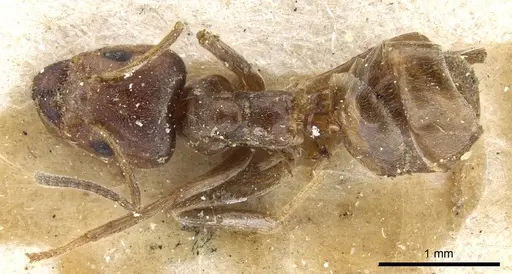
Irodalom
Elterjedési térkép betöltése...Termékek betöltése...