
Apterostigma turgidum
- Tud. név
- Apterostigma turgidum
- Nemzetség
- Attini
- Alcsalád
- Myrmicinae
- Szerző
- Lattke, 1997
- Elterjedés
- 0 országban megtalálható
Bevezetés
Apterostigma turgidum is a small fungus-growing ant native to the humid forests of Colombia, Ecuador, and Panama . They inhabit mid-elevation areas between 520 and 950 meters in the Chocó region and surrounding areas, one of the wettest tropical habitats on Earth . As members of the Attini tribe, these ants cultivate fungal gardens for food, growing their fungus on insect feces and plant debris rather than fresh leaves . Their specialized dietary needs and specific humidity requirements make them a challenging species for captive care.
Quick Summary
- Difficulty: Expert
- Origin & Habitat: Colombia, Ecuador, and Panama, humid tropical forests at 520-950m elevation, particularly the Chocó region [1][2][3]
- Colony Type: Unconfirmed, colony structure has not been studied for this species
- Size & Growth:
- Queen: size data unavailable, inferred from Apterostigma genus (~4-5mm)
- Worker: size data unavailable, inferred from Apterostigma genus (~2-3mm)
- Colony: Likely small, under 100 workers based on typical Apterostigma colonies
- Growth: Slow
- Development: Unconfirmed, estimated 8-12 weeks at 25°C based on related lower attine species (Development time is unconfirmed, tropical attines typically develop slower than temperate species)
- Antkeeping:
- Temperature: Specific requirements unstudied, based on mid-elevation tropical origin, aim for 24-26°C with minimal fluctuation
- Humidity: High humidity essential, based on Chocó region habitat, maintain 70-80% with consistently damp substrate [1]
- Diapause: No, tropical species that remains active year-round
- Nesting: Small naturalistic setup with dedicated fungus garden chamber, likely nests in rotting wood or leaf litter in nature
- Behavior: Slow-moving and cryptic, forages for insect feces and plant debris to feed their fungus garden. Tiny size means escape prevention must be excellent.
- Common Issues: fungus garden crashes from contamination, drying out, or incorrect substrate, this kills the colony quickly., extremely small size means they can escape through the tiniest gaps in mesh or lids., lack of research means optimal care parameters are unknown, expect high failure rates without experimentation., mold outbreaks in high humidity setups can destroy the fungus garden., overfeeding with protein can poison the fungal symbiont.
Distribution and Natural History
Apterostigma turgidum comes from the Neotropical region, specifically the Chocó biogeographic region of Colombia, western Colombia's Valle del Cauca, and parts of Ecuador and Panama [1][2][3]. Collection records show them living at mid elevations between 520 and 950 meters [3].
The Chocó region receives enormous rainfall year-round, creating consistently wet, humid conditions. This means captive colonies need stable, high humidity without drying periods. They likely nest in rotting wood or within leaf litter on the forest floor, creating small chambers for their fungus gardens.
Fungus Garden Care
As attine ants, Apterostigma turgidum cultivate fungal gardens that serve as their primary food source [3]. Unlike leafcutter ants that use fresh vegetation, Apterostigma species typically grow fungus on insect feces (frass), dead plant material, and other organic debris.
You will need to provide a suitable substrate for the fungus, try dried leaves, small bits of plant debris, or commercially available insect frass. The fungus must remain moist but not waterlogged. If the garden dries out, the fungus dies and the colony starves. If it gets too wet, mold takes over. Watch for healthy white or gray fungal growth, any green, black, or pink growth indicates contamination that requires immediate removal.
Start with a small garden chamber about 5-10cm across with good air circulation to prevent stagnant air while maintaining humidity.
Housing Requirements
Because of their tiny size and humidity needs, use a small naturalistic setup or a specialized formicarium with a fungus garden chamber. A test tube setup will not work long-term because they need space for the fungus garden and foraging area.
Create a nest area with rotting wood, leaf litter, or a plaster nest with a dedicated humid chamber for the fungus. The outworld needs extremely fine mesh or barriers, these ants are minute and will escape through standard ventilation holes. Use stainless steel mesh of at least 400 micron or apply Fluon barriers to all openings.
Provide a moisture gradient: one side damp for the fungus garden, one side slightly drier for the ants to rest. Never let the entire setup dry out.
Temperature and Humidity
Keep them warm and stable. Aim for 24-26°C year-round with minimal temperature swings. Being from tropical regions, they do not need hibernation and should remain active throughout the year.
Humidity is critical. Maintain 70-80% relative humidity with a damp substrate that feels wet to the touch but does not pool water [1]. The Chocó rainforests where they live receive rainfall almost daily, so drying out is a bigger risk than slight over-wetting. Use a water reservoir under the nest or frequent misting to maintain conditions, but ensure ventilation prevents mold.
If you see condensation on the glass, increase ventilation slightly. If the substrate surface dries within 24 hours, increase humidity.
Feeding
Do not offer sugar water or honey, these ants eat fungus, not sweets. You must provide material for their fungus garden: insect frass (feces), small pieces of dead leaves, flower petals, or other plant debris.
Offer tiny amounts of fresh insect parts occasionally, the ants process these into fertilizer for their fungus rather than eating them directly. Remove any uneaten insect pieces within 24 hours to prevent mold. Avoid large prey items that could rot before being processed.
Based on related Apterostigma species, they likely prefer insect frass and partially decayed plant material over fresh greens. Experiment with small quantities to see what your colony accepts. [3]
Defense Mechanism
Apterostigma turgidum has a functional stinger as part of the Myrmicinae subfamily. They can deliver venom if handled roughly or if the colony feels threatened. The sting is not medically significant to humans but may cause mild irritation.
Frequently Asked Questions
Can I keep Apterostigma turgidum in a test tube?
No. Unlike many ant species, Apterostigma turgidum needs a dedicated space for their fungus garden. A test tube provides nowhere to cultivate fungus and will not support the colony long-term.
What do Apterostigma turgidum eat?
They eat fungus that they cultivate on organic material. You must provide insect feces (frass), dead plant material, or other debris for the fungus to grow on. They do not eat sugar water or standard ant foods directly.
How long until first workers for Apterostigma turgidum?
The egg-to-worker timeline is unconfirmed for this species. Based on related lower attine ants, expect roughly 8-12 weeks at 25°C, though this is an estimate. Development may be slower given their small colony size and specialized diet.
Do Apterostigma turgidum need hibernation?
No. They come from tropical regions and remain active year-round. Keep them at stable warm temperatures (24-26°C) throughout the year without a cooling period.
Are Apterostigma turgidum good for beginners?
No. They require expert-level care due to their specialized fungus-growing diet, need for constant high humidity, extremely small size, and lack of research on their specific care requirements. Most attempts to keep them will likely fail without extensive experience.
How big do Apterostigma turgidum colonies get?
Likely small, probably under 100 workers based on typical Apterostigma colony sizes. They grow slowly and remain compact compared to leafcutter ants.
Can I keep multiple Apterostigma turgidum queens together?
Not recommended. Combining unrelated queens has not been documented for this species. Based on typical attine patterns, they are likely single-queen colonies, and multiple queens would fight.
Why is my Apterostigma turgidum fungus garden dying?
Fungus gardens die from three main causes: drying out (keep substrate damp), contamination with mold (sterilize all substrate materials before use), or poisoning from inappropriate food (avoid oils, chemicals, and excessive protein). Once the fungus dies, the colony cannot be saved.
What temperature do Apterostigma turgidum need?
Keep them at 24-26°C based on their tropical mid-elevation origins. Stability matters more than exact temperature, avoid drops below 20°C or swings of more than a few degrees.
Report an Issue
The current care sheet is based fully on literature. See inconsistencies, or something that's incorrect? Please , it will be resolved after review from an admin. Contributing to the blogs tab also helps providing information, to make us be able to further improve the caresheets. Thank you for your support!
References

Ez a tartási útmutató a következő licenc alatt áll: CC BY-SA 4.0 .
Közösségi blogok
CASENT0901684
Megtekintés az AntWeb-en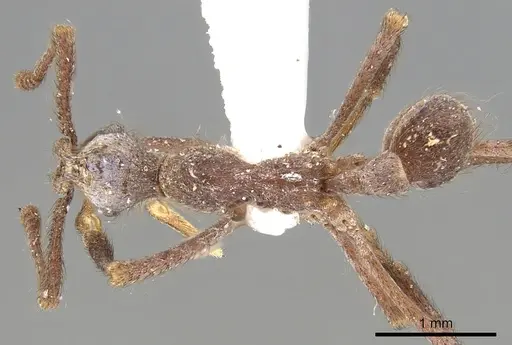
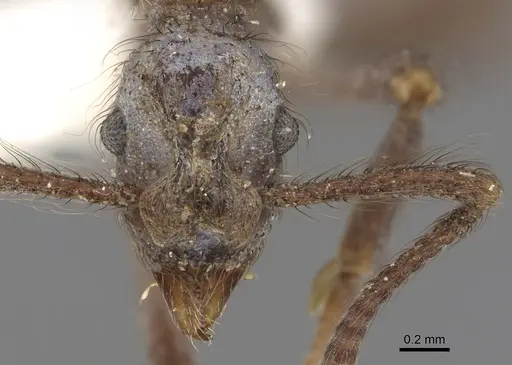
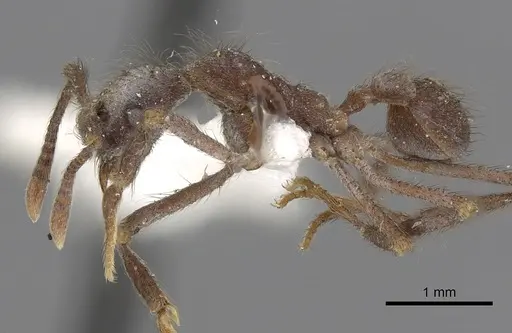
Irodalom
Elterjedési térkép betöltése...Termékek betöltése...