
Anochetus bytinskii
- Tud. név
- Anochetus bytinskii
- Nemzetség
- Ponerini
- Alcsalád
- Ponerinae
- Szerző
- Kugler & Ionescu, 2007
- Elterjedés
- 0 országban megtalálható
Bevezetés
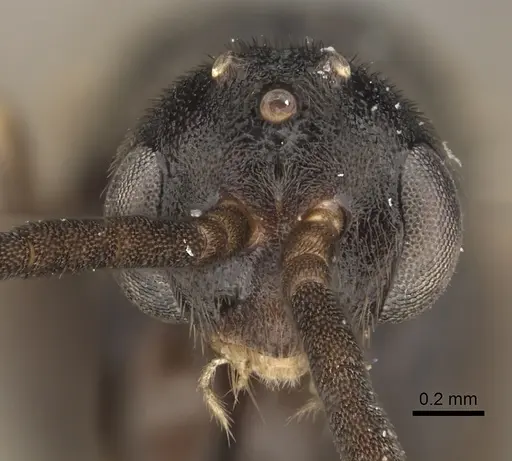
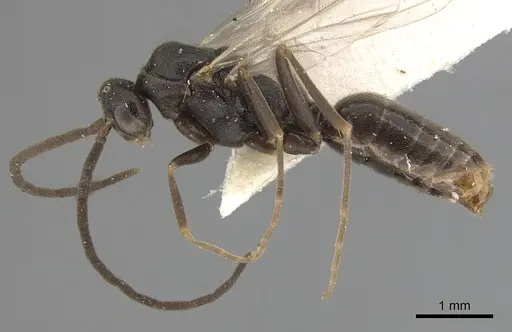
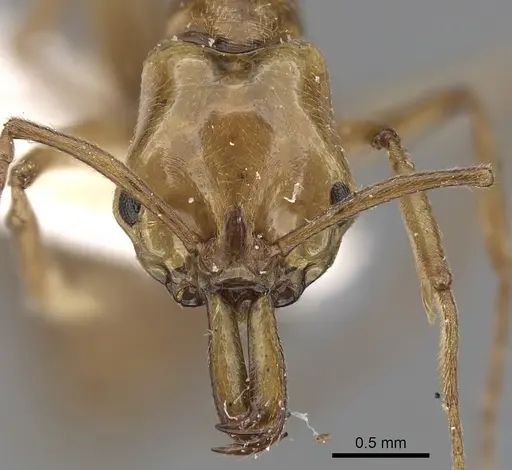
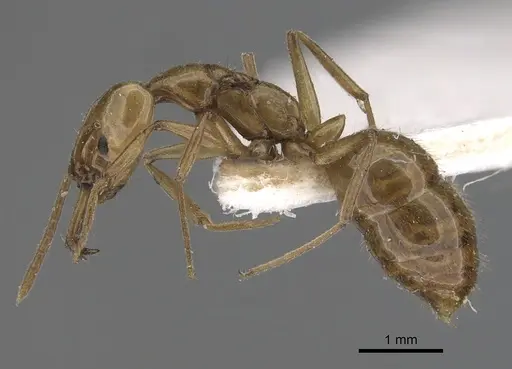
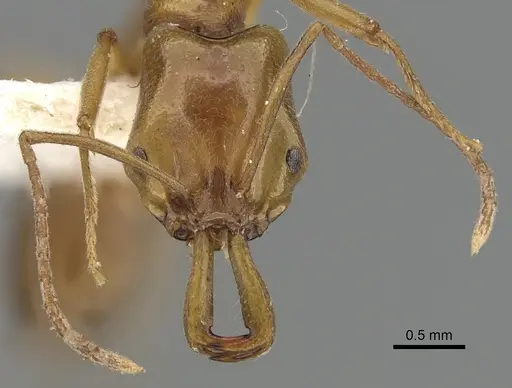
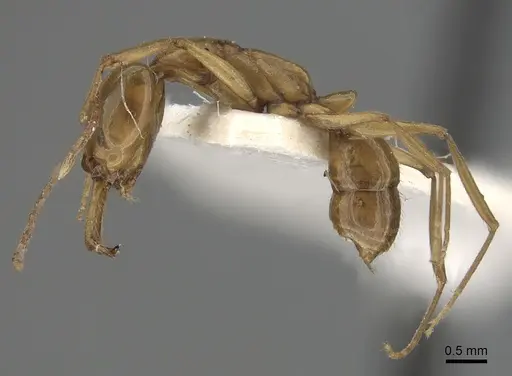
Anochetus bytinskii is a trap-jaw ant endemic to northern Israel. Workers measure 5.8-7.0 mm in total length and display a distinctive yellow-orange coloration with brownish shading on the abdomen . They inhabit the Carmel Ridge, Lower Galilee, and Judean Foothills regions, nesting subterraneously beneath large stones . Queens are dealate (wingless) with vestigial wing remnants and measure approximately 6.6 mm, similar in size to workers . This species exhibits a highly cryptobiotic lifestyle, remaining hidden in dark underground chambers and rarely appearing on the surface .
Quick Summary
- Difficulty: Expert
- Origin & Habitat: Endemic to northern Israel, specifically the Carmel Ridge, Lower Galilee, and Judean Foothills [1][2]. They inhabit Mediterranean woodlands and scrubland, nesting subterraneously beneath large stones [1].
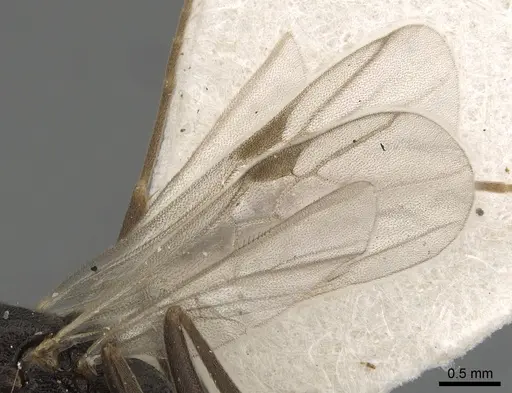
- Colony Type: Unconfirmed colony structure. Queens are dealate with vestigial wing remnants that appear inadequate for flight [1][3].
- Size & Growth:
- Queen: ~6.6 mm [1]
- Worker: 5.8-7.0 mm [1]
- Colony: Unknown, a wild nest chamber contained 20 cocoons alongside workers [1]
- Growth: Unknown
- Development: Unconfirmed, cocoons took 27 days to develop into adult males in laboratory conditions [1] (The 27-day development was observed under unspecified laboratory temperatures [1].)
- Antkeeping:
- Temperature: Keep at roughly 20-25°C with a gentle gradient. Specific requirements unconfirmed.
- Humidity: Keep nest substrate consistently moist but not waterlogged. Subterranean chambers under stones maintain steady humidity in nature [1].
- Diapause: Likely required based on Mediterranean climate with cool, wet winters. Specific duration and temperature unconfirmed.
- Nesting: Subterranean nests under stones in nature [1]. In captivity, use a naturalistic soil setup with flat stones or a dark, enclosed formicarium with small chambers.
- Behavior: Extremely cryptobiotic, they stay hidden underground and are rarely seen on the surface [1]. They possess trap-jaw mandibles for hunting small prey. Workers are 6 mm long, so escape prevention is essential.
- Common Issues: escape prevention is critical, at 6 mm long, they can squeeze through tiny gaps., cryptobiotic behavior means they stay hidden, making it difficult to observe feeding or brood development., founding requirements are unconfirmed, queens may fail without specific conditions., rarity in the ant trade makes them difficult to obtain legally and ethically., soil-based nests can develop mold if ventilation is inadequate., this species is endemic to Israel and should never be released outside its native range.
Nest Preferences
In nature, Anochetus bytinskii nests are strictly subterranean and typically found under large stones [1]. This cryptobiotic lifestyle requires dark, secure housing in captivity. Provide a naturalistic setup with a mix of soil and sand, topped with flat stones or slate pieces that create narrow chambers underneath. Alternatively, a Y-tong (AAC) nest with small, dark chambers and minimal lighting will work. Avoid tall, open spaces, they prefer tight, low-ceiling chambers that mimic the spaces beneath stones [1].
Feeding and Diet
Anochetus bytinskii are specialized predators with spring-loaded mandibles that snap shut to capture prey [4]. Feed them small, live prey such as springtails, fruit flies, or tiny cricket nymphs. Prey should be small enough for 6 mm workers to handle. While they may accept sugar water or honey, protein should form the bulk of their diet. Place prey directly in the nest area or near entrances under stones, as they rarely forage openly [1].
Temperature and Care
This species comes from the Mediterranean region of northern Israel, where summers are warm and winters are mild and wet [1][2]. Keep the nest area at roughly 20-25°C with a gentle heat gradient, place a heating cable on one side of the nest so they can self-regulate. During winter, provide a cool period to simulate the natural wet season rest period, though specific diapause requirements are unconfirmed. Monitor substrate moisture regularly, it should feel damp but not soggy [1].
Behavior and Temperament
Anochetus bytinskii is extremely cryptobiotic, meaning they spend nearly all their time hidden in dark chambers and rarely venture onto open surfaces [1]. You will mostly observe them through the glass of a naturalistic setup or when lifting stone covers. They are not aggressive toward humans but can deliver a sting typical of the Ponerinae subfamily. Their trap-jaw mechanism produces an audible click when striking prey [4]. Because workers are only 6 mm long, you must use excellent escape prevention including fine mesh and Fluon or talcum powder barriers on vertical surfaces.
Colony Founding
Founding behavior in Anochetus bytinskii has not been directly documented [1]. If you obtain a founding queen, provide a small, dark chamber with moist soil and offer tiny prey items regularly. Do not disturb the queen frequently, as cryptobiotic species are sensitive to light and vibration [1].
Growth and Development
Development timing is poorly documented for this species. In one laboratory observation,20 cocoons collected from the wild took 27 days to emerge as adult males [1]. Colonies likely remain small, as the wild nest chamber contained only 20 cocoons alongside workers [1].
Frequently Asked Questions
Can I keep Anochetus bytinskii in a test tube?
Test tubes are not ideal for this species. They are cryptobiotic and need soil to dig and darkness to feel secure [1]. If you must use a test tube, bury it in a dark container with soil substrate, but a naturalistic soil setup is strongly preferred.
How long until Anochetus bytinskii gets their first workers?
The timeline is unconfirmed. Based on the 27-day cocoon-to-adult observation, expect several weeks from egg to first worker at warm temperatures [1].
Do Anochetus bytinskii need hibernation?
Likely yes. They come from Israel's Mediterranean climate where winters are cool and wet. Provide a cool period during winter months, though specific temperature and duration requirements are unconfirmed.
What do Anochetus bytinskii eat?
Small live prey such as springtails, fruit flies, and tiny insects. They are trap-jaw predators and need protein sources.
Are Anochetus bytinskii good for beginners?
No. They are rare, have specific cryptobiotic needs, and require careful management of soil-based nests. They are best suited for experienced keepers.
How big do Anochetus bytinskii colonies get?
Unknown. A wild nest contained 20 cocoons in one chamber, suggesting colonies remain relatively small [1].
Can I keep multiple Anochetus bytinskii queens together?
Not recommended. Combining unrelated queens has not been documented and likely leads to fighting.
Why are my Anochetus bytinskii always hiding?
This is normal. They are cryptobiotic, meaning they naturally stay underground and under stones. They are not a display species [1].
Report an Issue
The current care sheet is based fully on literature. See inconsistencies, or something that's incorrect? Please , it will be resolved after review from an admin. Contributing to the blogs tab also helps providing information, to make us be able to further improve the caresheets. Thank you for your support!
References

Ez a tartási útmutató a következő licenc alatt áll: CC BY-SA 4.0 .
Közösségi blogok
CASENT0281012
Megtekintés az AntWeb-en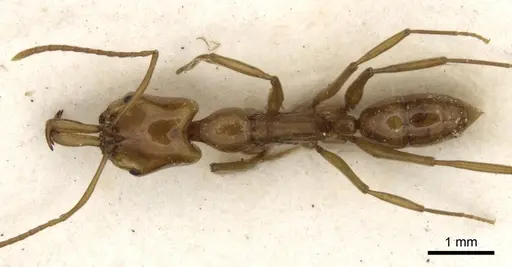
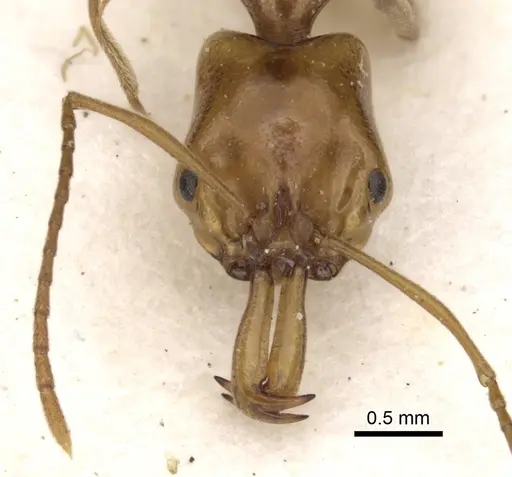
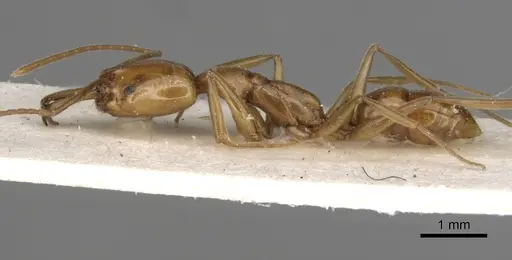
CASENT0281024
Megtekintés az AntWeb-en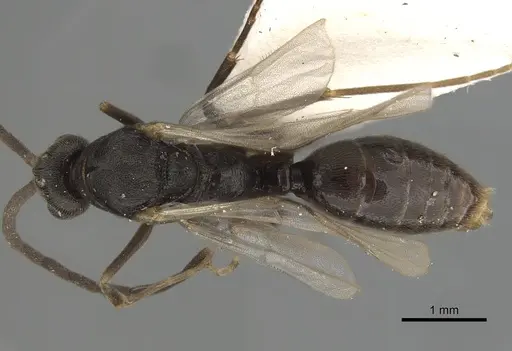
CASENT0281025
Megtekintés az AntWeb-en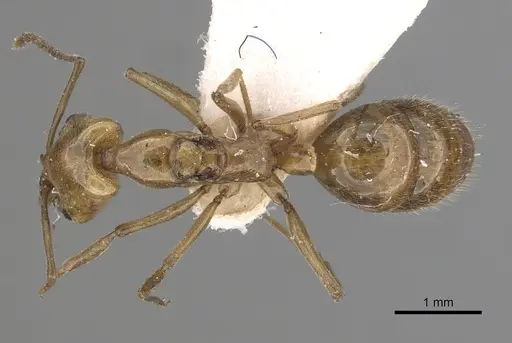
CASENT0281026
Megtekintés az AntWeb-en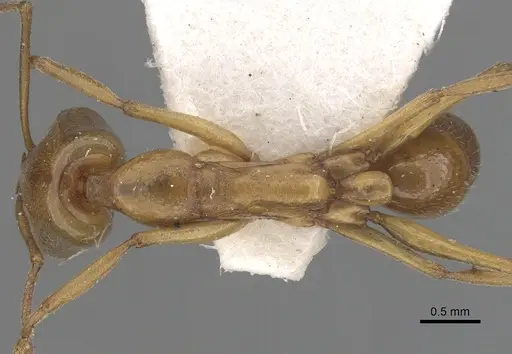
Irodalom
Elterjedési térkép betöltése...Termékek betöltése...