
Aenictus jawadwipa
- Tud. név
- Aenictus jawadwipa
- Alcsalád
- Dorylinae
- Szerző
- Jaitrong & Yamane, 2013
- Elterjedés
- 0 országban megtalálható
Bevezetés
Aenictus jawadwipa is a tiny army ant from the rainforests of Indonesia and Malaysia. Workers measure just 2.40-2.90 mm in total length , with yellowish brown heads and legs and reddish brown bodies . They belong to the Aenictus ceylonicus species group and look similar to Aenictus eguchii . Scientists have only ever collected workers; no queens or males are known . They live in primary forests on Borneo (Sabah and Sarawak) and West Java, from lowlands around 200 meters up to highlands near 1,300 meters elevation . Unlike many ants that stick to day or night, these are active around the clock .
Quick Summary
- Difficulty: Expert
- Origin & Habitat: Primary rainforest in West Java, Indonesia and Borneo (Malaysia), from 200-1,300 meters elevation [1].
- Colony Type: Unknown, only the worker caste has been documented [2].
- Size & Growth:
- Antkeeping:
- Temperature: Likely 22-26°C based on tropical highland and lowland collection sites, though specific requirements are unconfirmed [1].
- Humidity: High humidity required, collected near streams in damp primary forest [1].
- Diapause: No, this is a tropical species from Indonesia and Malaysia [1].
- Nesting: Unconfirmed. As members of subfamily Dorylinae (army ants) [2], they likely form temporary bivouacs rather than permanent nests.
- Behavior: Nomadic and active both day and night [1]. They are extremely small (under 3 mm) and present extreme escape risks.
- Common Issues: extreme escape risk exists because workers are under 3mm and can squeeze through the tiniest gaps., no queens are available to start colonies in captivity., dietary requirements remain unknown., space requirements for army ant raiding behavior likely exceed standard ant keeping setups.
Worker Appearance and Size
Workers of Aenictus jawadwipa are extremely small, measuring just 2.40-2.90 mm in total length [1]. They have yellowish brown heads, legs, and gasters (the rear body section), with reddish brown mesosomas (the middle section) [1]. Their heads are slightly longer than wide with convex sides, and they have relatively short antennae that reach only two-thirds of the head length [1]. The subpetiolar process (a small projection under the waist) has distinct angular corners [1]. Because of their minute size, they can squeeze through almost any gap, making escape prevention nearly impossible with standard mesh or barriers.
Natural Habitat and Range
This species lives in primary rainforest on Borneo (Sabah and Sarawak) and West Java [1]. The type series came from highland forest at approximately 1,300 meters elevation near a stream, while other collections were from lowland forests between 200-700 meters [1]. They are active both during the day and at night [1]. These collection sites suggest they prefer humid, shaded forest environments with access to water.
Why These Are Not Pet Ants
You cannot currently keep this species in captivity successfully. Only worker ants have ever been documented, no queens or males are known [2]. This means there is no way to start a colony. Even if you collected workers, they would likely die without their queen and without the specific prey items and space requirements that army ants need. Their tiny size (under 3 mm) presents extreme escape risks that standard ant keeping equipment cannot prevent.
Temperature and Humidity
Based on their collection sites, they likely prefer warm, humid conditions. The highland collection at 1,300 meters suggests they tolerate cooler temperatures than lowland tropical ants, possibly down to 20°C, while the lowland collections suggest they also thrive in warmer conditions up to around 26°C [1]. They were found near streams, indicating high humidity requirements [1].
Diet and Feeding
Specific dietary requirements are unknown. As members of the army ant subfamily Dorylinae [2], they likely prey on other ants and termites, but their exact food preferences remain unconfirmed. Army ants typically require large amounts of live prey and cannot survive on sugar water or dead insects alone.
Frequently Asked Questions
Can I keep Aenictus jawadwipa in a test tube?
No. Test tubes are designed for founding queens, and no queens are known for this species [2]. Additionally, workers require large foraging spaces and specific prey not available in test tubes.
How long until Aenictus jawadwipa gets first workers?
Unknown. Founding behavior has not been documented, and no queens have been observed [2].
What do Aenictus jawadwipa eat?
Unknown specifically. As members of the army ant subfamily Dorylinae [2], they likely prey on other ants and termites, but their exact dietary needs are unconfirmed.
Do Aenictus jawadwipa need hibernation?
No. They come from tropical Indonesia and Malaysia and do not experience cold winters [1].
Are Aenictus jawadwipa good for beginners?
No. They are unsuitable for any level of ant keeping due to lack of available queens, unknown care requirements, and extreme escape risk from their tiny size [1][2].
Can I start an Aenictus jawadwipa colony with just workers?
No. Workers will die without a queen and the specific social structure and food sources required by army ants. Only workers have ever been collected for this species, so colony founding is impossible with current knowledge [2].
How big do Aenictus jawadwipa colonies get?
Unknown. Colony size has not been documented for this species.
Report an Issue
The current care sheet is based fully on literature. See inconsistencies, or something that's incorrect? Please , it will be resolved after review from an admin. Contributing to the blogs tab also helps providing information, to make us be able to further improve the caresheets. Thank you for your support!
References

Ez a tartási útmutató a következő licenc alatt áll: CC BY-SA 4.0 .
Közösségi blogok
CASENT0917239
Megtekintés az AntWeb-en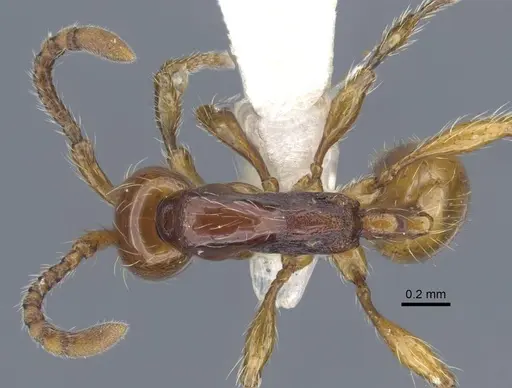
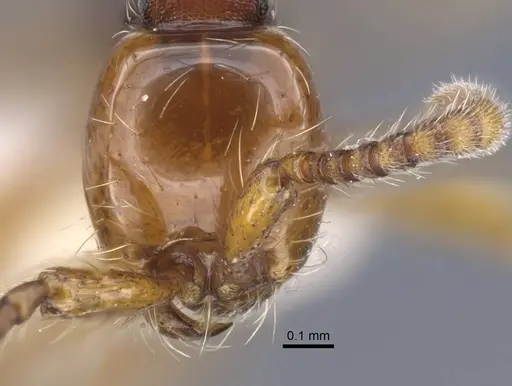
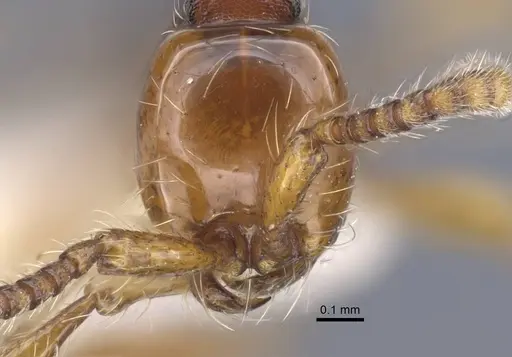
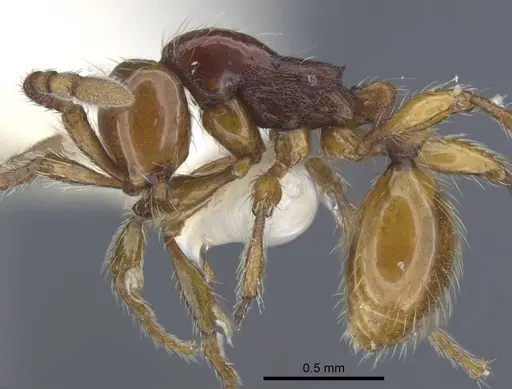
Irodalom
Elterjedési térkép betöltése...Termékek betöltése...