
Zasphinctus emeryi
- Nom sci.
- Zasphinctus emeryi
- Sous-famille
- Dorylinae
- Auteur
- Forel, 1893
- Distribution
- Trouvé dans 0 pays
Introduction
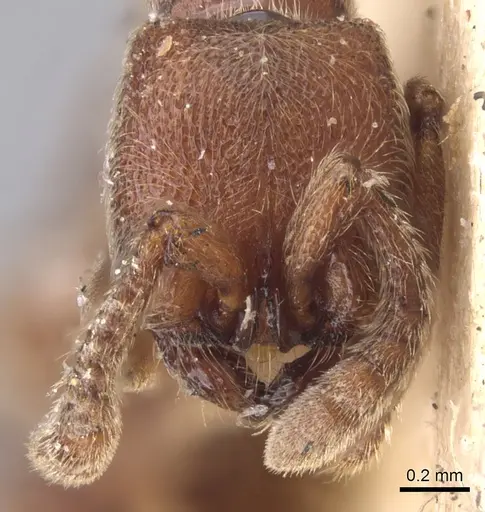
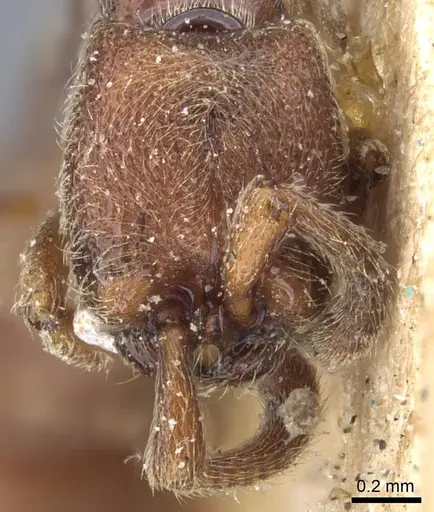
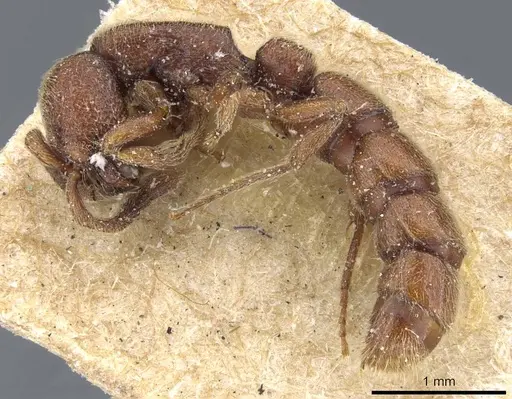
Zasphinctus emeryi is a small, predatory ant in the Dorylinae subfamily, formerly known as Sphinctomyrmex emeryi. Workers have the characteristic constrictions between abdominal segments (petiole and postpetiole) seen in several Dorylinae genera. The species was first collected on Baudin Island, off the coast of Western Australia, and described by Forel in 1893 . Very little is known about its biology, there are no confirmed details on colony size, queen behavior, or natural nesting sites. Like other Dorylinae, it is likely predatory on small invertebrates, but this has not been directly observed. The lack of documented care information makes this a challenging species for antkeepers, best suited for experienced hobbyists willing to experiment.
Quick Summary
- Difficulty: Expert
- Origin & Habitat: Western Australia, specifically Baudin Island on the northern fringe of the South-West Botanical Province [1]. Natural habitat preferences are unconfirmed.
- Colony Type: Unconfirmed, colony structure (single queen vs multiple queens) has not been documented for this species.
- Size & Growth:
- Queen: Size data unavailable, no measurements have been recorded for queens.
- Worker: Size data unavailable, no measurements have been recorded for workers.
- Colony: Unconfirmed, colony size data not available.
- Growth: Unknown
- Development: Unconfirmed, no development data available for this species. (Based on typical Dorylinae patterns, development likely takes several weeks to a few months at warm temperatures, but this is an estimate.)
- Antkeeping:
- Temperature: Unconfirmed, no specific data exists. Based on Western Australia's coastal climate, aim for roughly 22-26°C with a gentle gradient. Monitor colony activity and adjust as needed.
- Humidity: Unconfirmed, no specific humidity data. Coastal Western Australia has moderate humidity, so start with a substrate that is lightly moist but not wet (roughly 50-70% relative humidity) and observe for signs of stress.
- Diapause: Unknown, winter behavior has not been documented. Western Australia's coastal regions have mild winters, so a reduced activity period may occur but is not confirmed.
- Nesting: Unconfirmed, no data on natural nesting preferences. Dorylinae ants often nest in soil, under stones, or in rotting wood. A naturalistic setup with sandy soil or a Y-tong/plaster nest may work, but this is an estimate based on genus patterns.
- Behavior: As a Dorylinae species, these ants are likely predatory and may use raiding to capture small invertebrates. Their small size means escape prevention is critical, use fine mesh or barriers. Temperament is unconfirmed, but Dorylinae are typically not aggressive toward humans. They may forage singly or in small groups.
- Common Issues: extremely limited scientific data means most care requirements are guessed, providing a suitable live prey diet (e.g., springtails, fruit flies) is essential and may be tricky, small size requires tight escape-proofing, colonies may be slow-growing or fail to establish from wild-caught specimens, wild-caught colonies may carry parasites or not adapt to captive conditions
Taxonomy and Classification
Zasphinctus emeryi was originally described as Lioponera emeryi by Forel in 1893 from a worker collected in Western Australia. The species has been moved between genera several times: to Sphinctomyrmex by Emery in 1895,to Eusphinctus (Nothosphinctus) by Wheeler in 1918,and finally to Zasphinctus by Borowiec in 2016 during a revision of the Dorylinae subfamily [2]. The name Zasphinctus emeryi was an unnecessary replacement name that was later synonymized with emeryi by Bolton in 1995 [2].
Distribution and Range
This species is recorded only from Baudin Island in Western Australia, part of the Shark Bay region on the northern fringe of the South-West Botanical Province [1]. The entire known distribution comes from a single collection event, so the full range remains unknown. More field surveys are needed to determine whether this is a genuinely rare species or simply undercollected.
Known Biology
No published biological data exists for Zasphinctus emeryi. There is no information on colony size, queen behavior, nuptial flight timing, diet in the wild, or nest structure. As a member of the Dorylinae subfamily, it is likely a predator of small invertebrates, but this is an inference from typical subfamily traits rather than direct observation. This species essentially remains a blank slate for captive care.
Challenges for Antkeepers
Keeping Zasphinctus emeryi is extremely challenging because there is no documented care information. Unlike common species with established protocols, every aspect of husbandry must be discovered through trial and error. You will likely need to offer small live prey (such as springtails, fruit flies, or other micro-invertebrates) and observe what the colony accepts. Temperature and humidity will need to be adjusted based on the colony's behavior. This species is only for experienced antkeepers who enjoy experimentation and careful observation, as there is no roadmap for success.
Frequently Asked Questions
How do I care for Zasphinctus emeryi ants?
Care requirements are unconfirmed due to a lack of scientific data. Based on Dorylinae patterns, provide a small formicarium with sandy soil or a Y-tong/plaster nest, maintain moderate temperature (22-26°C) and moderate humidity (lightly moist substrate), and offer small live prey like springtails or fruit flies. This is experimental care, be prepared to adapt based on your colony's response.
What do Zasphinctus emeryi eat?
Diet is unknown for this species. As a Dorylinae, it is likely predatory on small invertebrates. Offer tiny live prey such as springtails, fruit flies, or pinhead crickets. Observe what the colony accepts and adjust accordingly.
How big do Zasphinctus emeryi colonies get?
Colony size is unknown, no data exists. Based on related Dorylinae genera, colonies may range from a few dozen to a few hundred workers, but this is a guess.
What is the best nest type for Zasphinctus emeryi?
Best nest type is unknown. A naturalistic setup with sandy soil that holds some moisture, or a Y-tong/plaster nest with a humidity gradient, may work. Start with moderate moisture and observe: if workers cluster near damp areas, increase moisture, if they avoid wet spots, reduce it.
How long does it take for Zasphinctus emeryi to develop from egg to worker?
Development time is unconfirmed. Based on typical Dorylinae, expect several weeks to a few months at warm temperatures, but this is an estimate.
Is Zasphinctus emeryi good for beginners?
No, this species is not recommended for beginners. There is virtually no documented care information, making it an experimental species only for experienced antkeepers who can adapt to the colony's needs.
Where is Zasphinctus emeryi found?
Zasphinctus emeryi is known only from Baudin Island in Western Australia, off the coast in the Shark Bay region [1].
Do Zasphinctus emeryi queens need hibernation?
Diapause requirements are unknown. Western Australia's coastal areas have mild winters, so a period of reduced activity is possible but not confirmed. If kept at stable room temperature, the colony may remain active year-round.
Can I keep multiple Zasphinctus emeryi queens together?
Colony structure is unconfirmed, we don't know if this species is monogyne or polygyne. Keeping multiple queens together is not recommended due to lack of data.
Report an Issue
The current care sheet is based fully on literature. See inconsistencies, or something that's incorrect? Please , it will be resolved after review from an admin. Contributing to the blogs tab also helps providing information, to make us be able to further improve the caresheets. Thank you for your support!
References

Cette fiche d'élevage est sous licence CC BY-SA 4.0 .
Blogs de la communauté
CASENT0902770
Voir sur AntWeb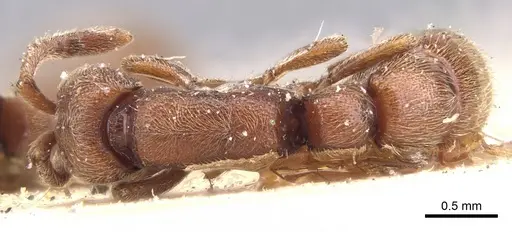
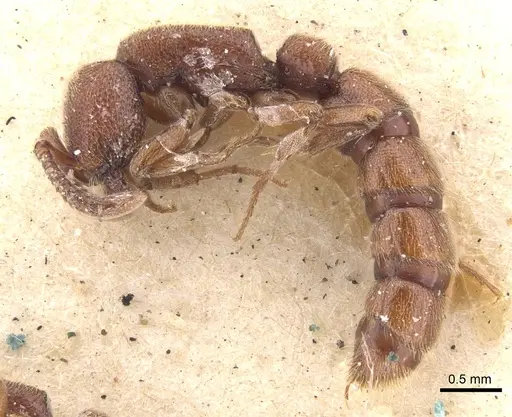
CASENT0907036
Voir sur AntWeb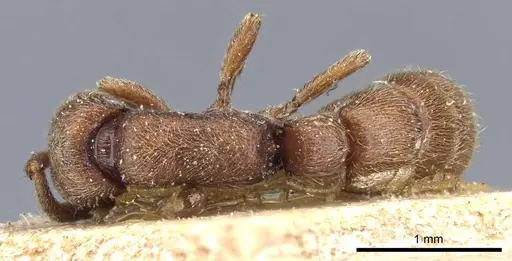
Littérature
Chargement de la carte de répartition...Chargement des produits...