
Tetramorium goniommoide
- Nom sci.
- Tetramorium goniommoide
- Tribu
- Crematogastrini
- Sous-famille
- Myrmicinae
- Auteur
- Poldi, 1979
- Distribution
- Trouvé dans 0 pays
Introduction
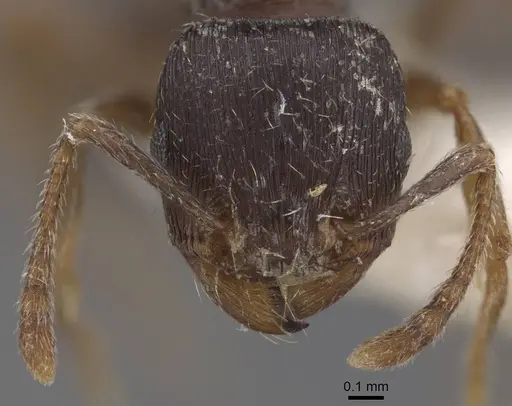
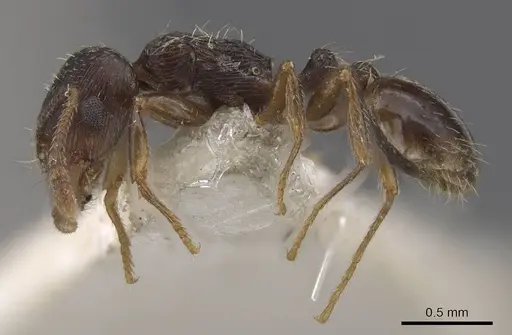
Tetramorium goniommoide is a small ant native to Turkey, first described by Poldi in 1979 . Workers are typical of the genus, small, dark-bodied, with a two-segmented petiole. This species is poorly studied and rarely kept. It is recorded from the Samanlı Mountains, where colonies nest under stones . Research suggests it is not part of the common Tetramorium caespitum complex . For antkeepers, this is a rare species that offers the chance to keep something uncommon, though specific care data is limited.
Quick Summary
- Difficulty: Medium
- Origin & Habitat: Turkey (Palaearctic Region), specifically the Samanlı Mountains [2][4]. Specimens collected from under stones at various elevations [2]. This is a Mediterranean/Middle Eastern species adapted to warm summers and cool winters.
- Colony Type: Unknown. No colony structure data exists for this species. Most Tetramorium are monogyne (single queen), but this has not been confirmed.
- Size & Growth:
- Queen: No specific data available for this species. Based on other Tetramorium species, queens are typically around 6-8mm [1].
- Worker: No specific data available for this species. Based on other Tetramorium species, workers are small, usually around 2-4mm [1].
- Colony: Unknown. Based on genus patterns, mature Tetramorium colonies can reach several hundred workers [1].
- Growth: Moderate, inferred from genus patterns
- Development: Estimated 6-8 weeks at around 24°C, based on related Tetramorium species [1] (Development time is estimated from genus-level data, no specific data exists for this species.)
- Antkeeping:
- Temperature: Keep the nest at a moderate room temperature (20-25°C). Provide a slight gradient so workers can self-regulate. This species likely handles warmth well given its Turkish origin [1].
- Humidity: Moderate humidity. Keep the nest substrate slightly moist but not waterlogged. Allow the substrate to dry a bit between waterings. These ants nest under stones, so they prefer drier conditions than tropical species [2][1].
- Diapause: Likely yes. Turkey has distinct seasons with cold winters. Provide a winter diapause at 10-15°C for 2-3 months to mimic natural conditions [1].
- Nesting: In the wild, nests are under stones [2]. In captivity, test tubes, Y-tong (AAC) nests, or plaster nests work well. They prefer dark, enclosed spaces with narrow chambers.
- Behavior: Typical Tetramorium behavior: workers are active foragers, moderately defensive around the nest. They have a modified stinger used to smear venom (subfamily Myrmicinae, tribe Crematogastrini). Escape risk is moderate for their size, standard barriers (fluon) work well. Not especially aggressive but will defend if disturbed.
- Common Issues: limited availability, this is a rarely kept species and hard to find from suppliers, slow colony growth typical of the genus may test beginner patience, hibernation failure if temperatures are not lowered properly in winter
Housing and Nest Setup
Tetramorium goniommoide does well in standard ant-keeping setups. Test tubes work well for founding colonies, fill one-third with water, plug with cotton, and the queen will seal herself in the dry end to raise her first brood. Once the colony has a few dozen workers, you can move them to a Y-tong (AAC) nest or a plaster formicarium. The key is giving them appropriately sized chambers, not too large, as these ants prefer snug spaces. A small outworld for foraging allows you to feed them without disturbing the nest. Because they nest under stones in the wild [2], they appreciate having a dark, enclosed nest chamber that simulates the shelter of a rock.
Feeding and Diet
Like most Tetramorium species, Tetramorium goniommoide is omnivorous. In captivity, they readily accept protein sources like small insects (fruit flies, pinhead crickets, mealworms) and also consume sugar water or honey. Feed protein 2-3 times per week and keep a constant sugar water supply. Remove uneaten food after 24 hours to prevent mold. In the wild, these ants would forage for small arthropods and tend aphids for honeydew. Young colonies starting with just a queen need minimal food initially since she relies on stored fat reserves, but once workers arrive, regular feeding becomes important for growth. [1]
Temperature and Seasonal Care
Maintain nest temperatures between 20-25°C for optimal brood development. Turkey has a Mediterranean climate with hot summers and cool winters, so these ants are adaptable. During summer, room temperature is often suitable. In winter, you should provide a diapause period, reduce temperatures to 10-15°C for 2-3 months. This mimics their natural seasonal cycle and is essential for long-term colony health. Do not hibernate them too cold (below 5°C) or too warm (room temperature year-round). A simple way to hibernate is moving the colony to an unheated garage or basement during winter months. [1]
Growth and Development
Colony growth follows typical Tetramorium patterns. The claustral queen will lay eggs without foraging, surviving on her fat reserves until the first workers emerge. These first workers are smaller than mature workers (nanitics) and help expand the colony. From egg to first worker takes approximately 6-8 weeks at 24°C, though this is estimated from related species since no specific data exists for Tetramorium goniommoide [1]. Growth is moderate, expect the colony to reach 50 workers within the first year with good feeding. Colonies likely reach several hundred workers at maturity. Patience is key, as this species is not a fast grower.
Behavior and Temperament
Workers are active foragers that will readily explore their outworld in search of food. They are moderately defensive, when the nest is disturbed, workers will rush out to confront the threat. Unlike some docile species, they will not hesitate to bite if handled. This species uses a smearing defense: the stinger is flattened and used to wipe venom onto enemies rather than piercing flesh. For such small ants, the sting is mild and rarely penetrates human skin. Use standard escape prevention (fluon on rim edges), they are not exceptional escape artists. Overall, a straightforward species to observe and care for.
Frequently Asked Questions
How long does it take for Tetramorium goniommoide to raise first workers?
Expect 6-8 weeks from egg to first worker at optimal temperatures around 24°C. This is estimated from related Tetramorium species since specific development data for Tetramorium goniommoide is not documented. The founding behavior is unconfirmed, but based on subfamily it is likely claustral.
Do Tetramorium goniommoide ants sting?
They have a stinger, but it is modified for smearing venom rather than piercing. The sting is mild and rarely penetrates human skin. They are not dangerous to humans.
What temperature should I keep Tetramorium goniommoide at?
Keep the nest at 20-25°C. Room temperature is often suitable during summer. In winter, they need a diapause period at 10-15°C for 2-3 months to mimic natural conditions.
Can I keep multiple Tetramorium goniommoide queens together?
It is not recommended. This species is likely monogyne (single queen), based on genus patterns, but this has not been confirmed. Combining unrelated queens typically results in fighting. If you obtain a colony, it will likely have one founding queen.
How big do Tetramorium goniommoide colonies get?
Based on genus patterns, colonies likely reach several hundred workers at maturity. This is not a massive colony species. Expect moderate growth over 1-3 years to reach full size.
Do Tetramorium goniommoide need hibernation?
Yes. As a species from Turkey with distinct seasons, they require a winter diapause. Reduce temperatures to 10-15°C for 2-3 months during winter. This is essential for colony health and mimics their natural seasonal cycle.
What do Tetramorium goniommoide eat?
They are omnivorous. Feed small insects (fruit flies, pinhead crickets, mealworms) as protein 2-3 times per week, and provide constant sugar water or honey. Remove uneaten food after 24 hours.
Is Tetramorium goniommoide good for beginners?
This is a medium-difficulty species. They are harder to obtain than common species but not particularly difficult to keep once established. Their main requirements are proper hibernation and moderate temperatures. Beginners should ensure they can provide the winter diapause before acquiring this species.
When should I move Tetramorium goniommoide to a formicarium?
Keep them in a test tube for the founding stage. Once the colony has several dozen workers and you see significant activity, you can move them to a Y-tong or plaster nest. Make sure the new nest has appropriately sized chambers, not too large.
Where does Tetramorium goniommoide live in the wild?
This species is endemic to Turkey, specifically recorded in the Samanlı Mountains [2]. They nest under stones in natural habitats [2]. The species was first described in 1979 and remains relatively poorly studied.
Report an Issue
The current care sheet is based fully on literature. See inconsistencies, or something that's incorrect? Please , it will be resolved after review from an admin. Contributing to the blogs tab also helps providing information, to make us be able to further improve the caresheets. Thank you for your support!
References

Cette fiche d'élevage est sous licence CC BY-SA 4.0 .
Blogs de la communauté
CASENT0901254
Voir sur AntWeb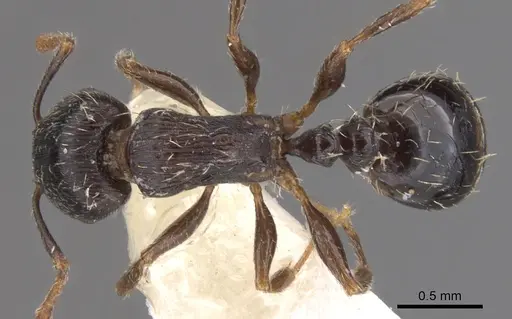
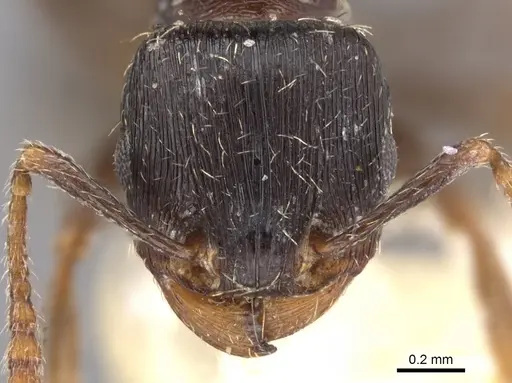
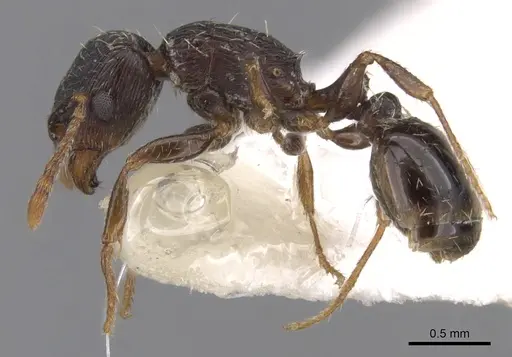
CASENT0915016
Voir sur AntWeb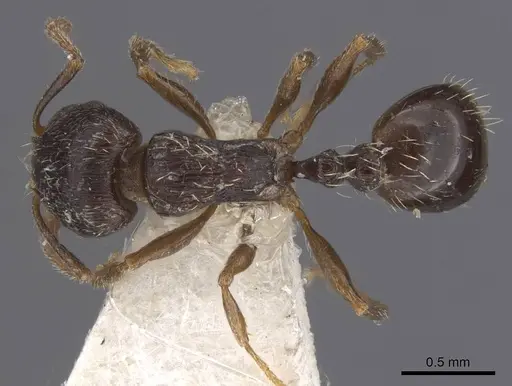
Littérature
Chargement de la carte de répartition...Chargement des produits...