
Tetramorium bressleri
- Nom sci.
- Tetramorium bressleri
- Tribu
- Crematogastrini
- Sous-famille
- Myrmicinae
- Auteur
- Hita Garcia & Fisher, 2014
- Distribution
- Trouvé dans 1 pays
Introduction
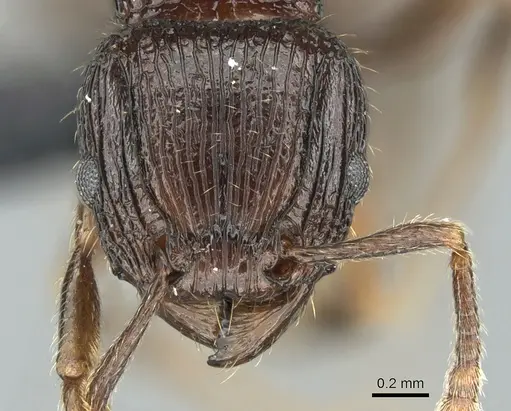
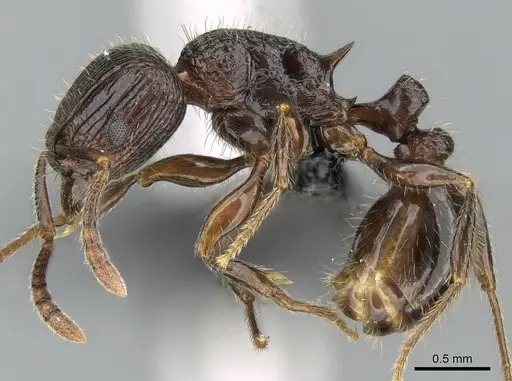
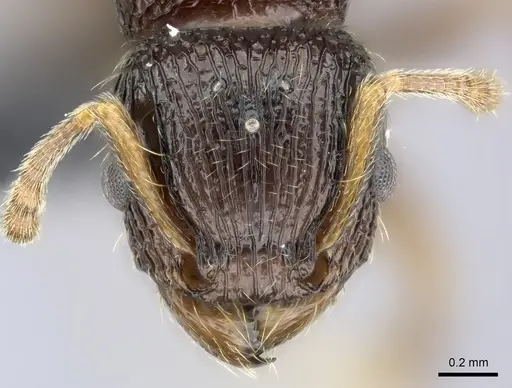
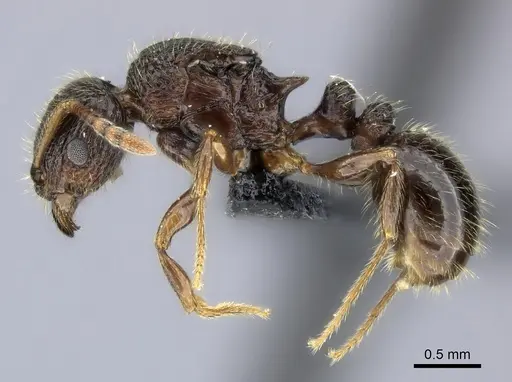
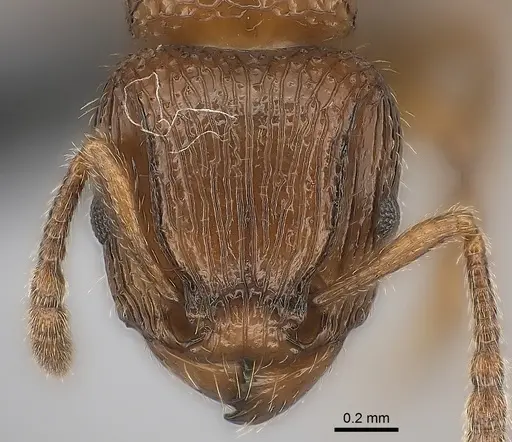
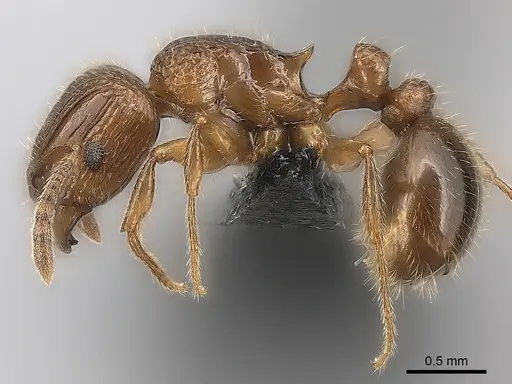
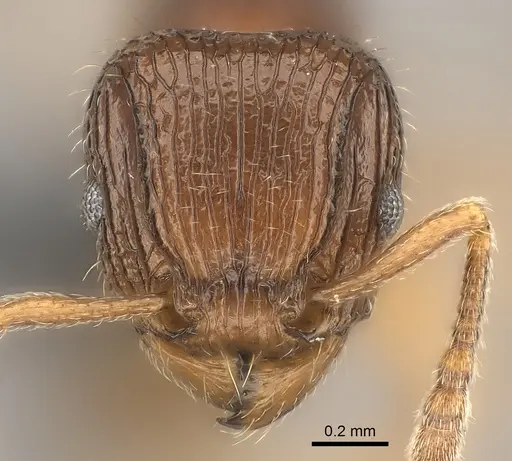
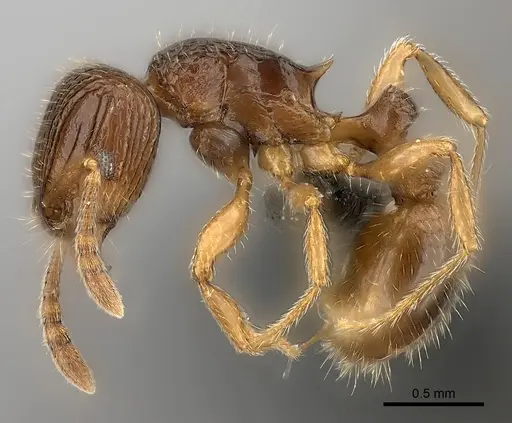
Tetramorium bressleri is a medium-sized ant species endemic to Madagascar, belonging to the Tetramorium plesiarum group. It is the most common and abundant member of its group, with over 500 mounted specimens collected across many localities in western Madagascar . Workers are characterized by a uniformly brown body with lighter appendages, a high nodiform petiolar node, and relatively small eyes. The mesopleuron and lateral propodeum are unusually smooth and shiny, lacking the strong sculpture seen in related species . This species prefers arid habitats like tropical dry forests, gallery forests, spiny deciduous forests, and savannah woodland at low elevations (average 420 m) . It exhibits remarkably little intraspecific variation across its wide range, making identification straightforward .
Quick Summary
- Difficulty: Medium
- Origin & Habitat: Western Madagascar, from Andohahela and Fiherenana in the south north to Anabohazo. Found in arid habitats: tropical dry forests, dry forests on tsingy, gallery forests, spiny deciduous forests, savanna woodland, Uapaca woodland, and spiny thickets at elevations 10–1550 m [1][2].
- Colony Type: Colony structure is unconfirmed. As a typical Tetramorium species, it is likely monogyne (single queen) in structure, but this has not been directly studied [1].
- Size & Growth:
- Queen: Size data unavailable – no dealate queen measurements exist in the literature [1]
- Worker: Size data unavailable – the literature provides head width and mesosoma length, but no total length (TL). The species is considered relatively large for the genus, exact body length unmeasured [1]
- Colony: Unknown – no colony size data exists, but the species is very abundant in its range, suggesting potentially large colonies [1]
- Growth: Moderate – inferred from typical Tetramorium genus patterns [1]
- Development: Estimated 6–8 weeks at warm temperatures, based on typical Tetramorium development [1] (No specific data for T. bressleri, timeline inferred from related species)
- Antkeeping:
- Temperature: Keep warm, around 24–28°C during the day with a slight drop at night, mimicking its tropical dry forest habitat. Use a heating cable on one side to create a gradient. Avoid temperatures below 20°C [1]
- Humidity: Moderate humidity – allow the nest substrate to dry out partially between waterings. This species comes from arid habitats, so constant high moisture is not needed. A water reservoir can be provided but not overfilled [1][2]
- Diapause: Unconfirmed – Madagascar has mild winters, a true diapause may not be required. However, a slight cooling period (dry season roughly May–October) could benefit the colony. Avoid cold [1]
- Nesting: Y-tong (AAC) or plaster nests with appropriately sized chambers work well. Provide a spacious outworld with leaf litter or substrate for ground-active foraging [1]
- Behavior: Ground-active forager that searches leaf litter and soil for food. Workers are moderately active, not particularly aggressive but will defend the nest. Escape risk is moderate – standard barriers (Fluon) are sufficient given their medium size. They likely form moderate-sized colonies typical of Tetramorium [1].
- Common Issues: lack of specific biological data makes care recommendations uncertain, ground-active lifestyle requires more horizontal space than arboreal species, wild-caught colonies may carry parasites that can affect captive colonies, humidity control is important – too wet causes mold, too dry stresses the colony, limited availability in the hobby since the species is rarely exported from Madagascar
Natural History and Distribution
Tetramorium bressleri is endemic to Madagascar, where it is the most common and abundant species of the T. plesiarum group [1]. The species has an extensive distribution across western Madagascar, ranging from southern localities like Andohahela, Beza Mahafaly, and Fiherenana northward through the Mahajanga region to Anabohazo [1]. This distribution spans almost the entire length of Madagascar's western coast. The species prefers arid habitats and has been collected from tropical dry forests, tropical dry forests on tsingy (limestone karst), gallery forests, spiny deciduous forests, savanna woodland, Uapaca woodland, and spiny thickets [1][2]. Its elevational range is broad, from 10 m to 1550 m, though most specimens were collected at low elevations averaging around 420 m [1]. The species was mainly sampled through pitfall trapping and litter sifting, confirming its ground-active lifestyle [1]. It forages in leaf litter and soil, typical for many Tetramorium in the region. The species shows remarkably little intraspecific variation despite its wide range [1].
Identification and Distinguishing Features
Tetramorium bressleri is a relatively large species within the genus (head width 0.80–1.00 mm, mesosoma length 0.92–1.15 mm) [1]. One of its most distinctive features is its relatively small eyes (ocular index 18–19), which is notably smaller than the closely related T. plesiarum (ocular index 21–23) [1]. The petiolar node is high and nodiform, between 1.6 to 1.8 times higher than long [1]. In dorsal view, the node is 1.3 to 1.5 times wider than long [1]. Unlike some related species, the gaster is never extremely enlarged. The most reliable diagnostic character is the sculpture on the mesopleuron and lateral propodeum – mostly absent in T. bressleri, making these areas smooth and shiny [1]. In contrast, T. plesiarum has strong longitudinal rugae with reticulate-punctate ground sculpture there [1]. The body is usually uniformly brown with lighter appendages [1].
Housing and Nest Setup
For keeping Tetramorium bressleri in captivity, a Y-tong (AAC) nest or plaster nest with appropriately sized chambers works well [1]. Avoid making chambers too large, as that can make the ants feel insecure. Since this is a ground-active species that forages in leaf litter, provide a spacious outworld where workers can search for food. The nest should have a water reservoir to maintain moderate humidity, but do not overfill – the species comes from arid habitats, so constant saturation is not needed and may cause mold. Standard escape prevention (e.g., Fluon on the rims) is sufficient given their medium size [1].
Feeding and Diet
Like most Tetramorium species, T. bressleri is likely an omnivore, feeding on small insects, honeydew, and other sweet substances in the wild [1]. In captivity, offer a varied diet: protein sources such as small insects (fruit flies, pinhead crickets, mealworms) 2–3 times per week depending on colony size, and constant access to sugar sources like honey water or sugar water. Change sweet liquids regularly to prevent mold. As ground-foragers, they probably scavenge and hunt small invertebrates in leaf litter, providing a varied diet supports colony health and growth [1].
Temperature and Seasonal Care
As a species from tropical dry forests in Madagascar, T. bressleri prefers warm conditions. Maintain the nest at around 24–28°C during the day, with a slight drop at night [1]. Use a heating cable on one side to create a gradient so workers can choose their preferred temperature. Madagascar has a distinct dry season (May–October), while a true diapause is not expected, you may reduce feeding and slightly lower temperatures during this period to mimic natural conditions. However, avoid temperatures below 20°C – these are tropical ants not adapted to cold [1]. Maintain moderate humidity, the nest substrate should be allowed to dry out partially between waterings, as the species comes from arid habitats [1][2].
Colony Development and Growth
Specific development data for Tetramorium bressleri is not available, but based on typical Tetramorium genus patterns, you can expect the following timeline [1]: Queens likely found colonies claustrally, sealing themselves in a chamber and relying on stored fat reserves to raise the first brood – this initial period may take 4–6 weeks. First workers (nanitics) emerge after approximately 6–8 weeks at optimal temperatures [1]. These nanitics are smaller than mature workers and immediately begin caring for the queen and subsequent brood. Colony growth is moderate, a healthy colony may reach several hundred workers over 1–2 years under good conditions. Provide consistent warmth, adequate food, and proper humidity to support development. Monitor colony behavior and adjust conditions as needed – if workers are very active and foraging aggressively, they may benefit from slightly higher temperatures, if sluggish, a slight increase may help [1].
Frequently Asked Questions
How long does it take for Tetramorium bressleri to raise first workers?
Based on typical Tetramorium development patterns, expect first workers (nanitics) to emerge in approximately 6–8 weeks after the queen lays her first eggs at optimal temperature [1]. This timeline is an estimate since no specific development data exists for this species.
What temperature do Tetramorium bressleri ants need?
Keep them at 24–28°C during the day, with a slight night drop. Use a heating cable on one side of the nest to create a temperature gradient so the ants can choose their preferred spot [1].
Do Tetramorium bressleri ants need hibernation?
A true diapause is not required since Madagascar has mild winters. However, a slight reduction in temperature during the dry season (roughly May–October) may benefit the colony. Avoid temperatures below 20°C – these are tropical ants [1].
What do Tetramorium bressleri eat?
They are omnivores. Offer small insects (fruit flies, pinhead crickets, mealworms) as protein sources 2–3 times per week, and provide sugar sources like honey water or sugar water constantly. This matches their natural diet of small invertebrates and honeydew [1].
Are Tetramorium bressleri good for beginners?
They are rated as medium difficulty. While not as challenging as some exotic species, the lack of specific biological data means you may need to adjust care based on colony behavior. Their moderate size and likely omnivorous diet make them manageable for intermediate antkeepers [1].
How big do Tetramorium bressleri colonies get?
Exact colony size is unknown, but based on typical Tetramorium patterns, colonies likely reach several hundred to perhaps over a thousand workers. The species is very abundant in its native range, suggesting it can form substantial colonies [1].
Can I keep multiple Tetramorium bressleri queens together?
Colony structure is unconfirmed for this species. Most Tetramorium species are monogyne (single queen), but polygyny has been documented in some related species. Until more data is available, it is not recommended to combine unrelated queens – keep one queen per colony [1].
What type of nest is best for Tetramorium bressleri?
Y-tong (AAC) nests or plaster nests work well for this medium-sized species. Provide appropriately scaled chambers – not too large or too small. They are ground-active foragers, so a spacious outworld is important for their foraging behavior [1].
Do Tetramorium bressleri ants sting?
Tetramorium belongs to the subfamily Myrmicinae, which includes many species with functional stingers. While not specifically documented for T. bressleri, it likely has a modified spatulate stinger used to smear venom (defense type: smear). The sting is not considered medically significant to humans.
Why are my Tetramorium bressleri dying?
Common issues include: improper humidity (too wet causes mold, too dry stresses the colony), temperatures outside their 24–28°C range, poor nutrition, or parasites from wild-caught colonies. Review each factor and adjust accordingly. The lack of specific biological data for this species means careful observation is key [1].
Is Tetramorium bressleri available in the antkeeping hobby?
This species is rarely available in the hobby. It is endemic to Madagascar and rarely exported. Most antkeepers interested in this species would need to establish colonies from limited available stock or focus on more common Tetramorium species.
How do I identify Tetramorium bressleri?
Key identification features include: relatively large size for the genus (head width 0.80–1.00 mm), small eyes, high nodiform petiolar node, and smooth shiny sculpture on the mesopleuron and lateral propodeum [1]. The body is usually uniformly brown with lighter appendages [1].
Report an Issue
The current care sheet is based fully on literature. See inconsistencies, or something that's incorrect? Please , it will be resolved after review from an admin. Contributing to the blogs tab also helps providing information, to make us be able to further improve the caresheets. Thank you for your support!
References

Cette fiche d'élevage est sous licence CC BY-SA 4.0 .
Blogs de la communauté
CASENT0035677
Voir sur AntWeb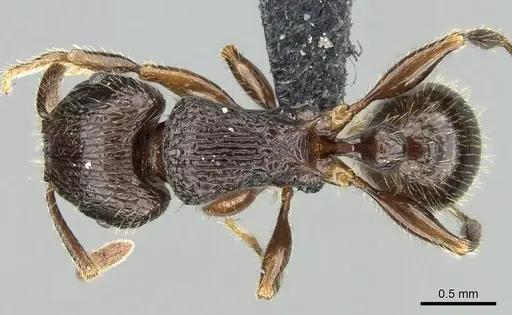
CASENT0050040
Voir sur AntWeb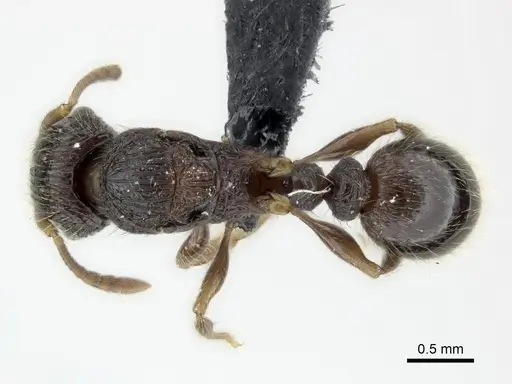
CASENT0055196
Voir sur AntWeb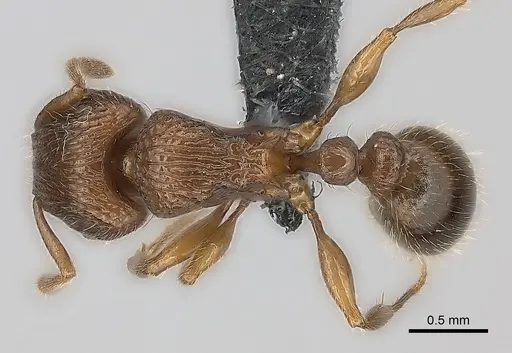
CASENT0476510
Voir sur AntWeb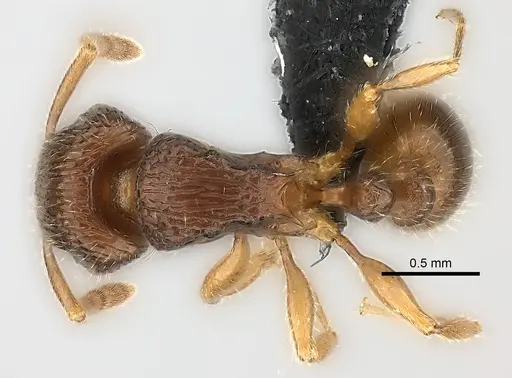
Littérature
Chargement de la carte de répartition...Chargement des produits...