
Temnothorax risii
- Nom sci.
- Temnothorax risii
- Tribu
- Crematogastrini
- Sous-famille
- Myrmicinae
- Auteur
- Forel, 1892
- Distribution
- Trouvé dans 1 pays
Introduction
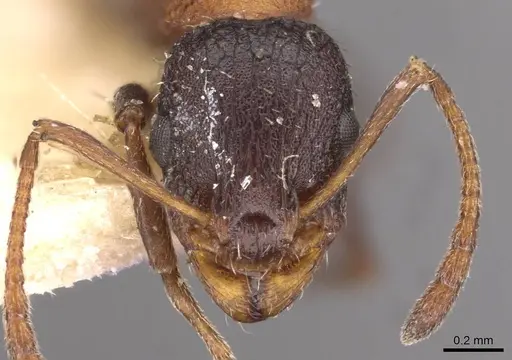
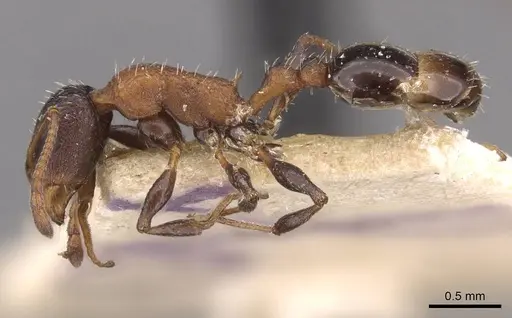
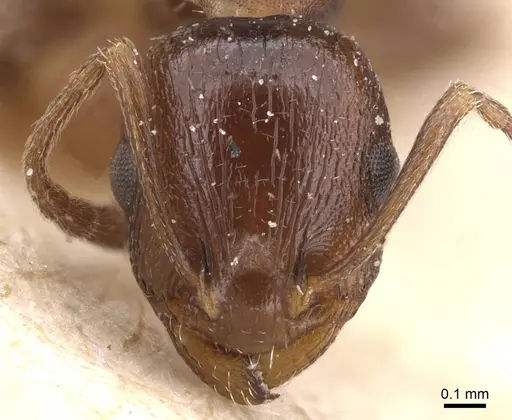
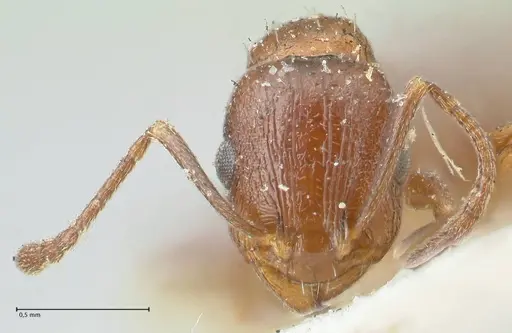
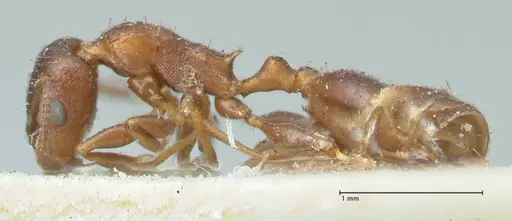
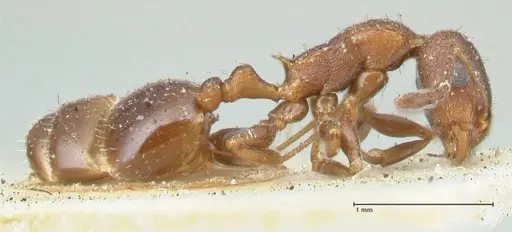
Temnothorax risii is a small, reddish-brown ant species originally classified as Leptothorax risii. Workers are tiny at around 2-3mm (inferred from the small size typical of Temnothorax), and queens are slightly larger at about 4-5mm (also genus-inferred). They have the classic Temnothorax look: a smooth, glossy mesosoma and a relatively large head. Their natural habitat is temperate woodlands across Europe and parts of Asia, where they nest in small cavities like hollow twigs, under bark, or between stones. Colonies are small, typically well under 200 workers. This species belongs to the 'acorn ant' group of Temnothorax that nest in tiny cavities. What makes T. risii biologically interesting is its strict mating system. Research confirms that queens mate with exactly one male (monandry), so all workers are full sisters . Additionally, the workers have completely lost the ability to produce their own offspring, if the queen dies, no worker can step in to replace her . For keepers, this means your colony relies entirely on the original queen's lifetime. Defensively, this species uses a modified, flattened stinger to smear venom onto enemies rather than inject it (a trait shared by many members of the tribe Crematogastrini). They are not aggressive to humans.
Quick Summary
- Difficulty: Easy
- Origin & Habitat: Temperate woodlands of Europe and parts of Asia. In nature, they nest in small cavities including hollow twigs, under loose bark, in rotting wood, and between stones, typical habitat for small Temnothorax. (Inferred from genus, no species-specific data available from the research context.)
- Colony Type: Likely monogyne (single queen). Queens are strictly monandrous, mating with only one male [1]. Workers cannot become replacement queens if the primary queen dies [1], so the colony's survival depends entirely on the queen.
- Size & Growth:
- Queen: ~4-5mm (inferred from typical Temnothorax queen sizes)
- Worker: ~2-3mm (inferred from typical Temnothorax worker sizes)
- Colony: No precise data available. Based on related Temnothorax species, colonies are small, likely up to a few hundred workers at most. The research context does not provide colony size information.
- Growth: Moderate (estimated from related species)
- Development: No species-specific data. In related Temnothorax species, development from egg to worker typically takes 6-10 weeks at room temperature (estimated). (Development speed is typical for small Temnothorax. First workers (nanitics) are smaller than later generations.)
- Antkeeping:
- Temperature: No specific data from research. Based on the temperate origin, room temperature (18-22°C) is likely suitable. Avoid overheating, provide stable conditions without major swings. A slight temperature gradient is beneficial.
- Humidity: No specific data. Since they are woodland ants that nest in cavities, moderate humidity with the nest substrate kept damp but not waterlogged is recommended. Allow slight drying between waterings.
- Diapause: Required (temperate species). Duration is unclear for this species specifically, 8-12 weeks at 5-10°C is a safe approximation based on related Temnothorax. Skipping diapause likely leads to colony decline.
- Nesting: No species-specific data. Based on genus patterns, provide a small nest with tight chambers: Y-tong (AAC), plaster, or a test tube setup work well. Avoid large open spaces. They prefer dark, enclosed cavities.
- Behavior: Generally peaceful and not aggressive to humans. They possess a modified, flattened stinger used for smearing venom (defensive secretion) rather than injecting, painless to people. Workers are active foragers, hunting tiny invertebrates and collecting honeydew. Escape risk is moderate due to their small size, ensure your setup is escape-proof. They are not territorial and focus on colony maintenance.
- Common Issues: small colony size is normal for the genus, not a problem, escape prevention is essential because tiny ants can slip through minute gaps, overheating (above 28°C) can quickly kill the colony, keep away from direct heat, dry conditions cause colony decline faster than for most ants, maintain moderate humidity, winter diapause is critical for long-term health, skipping it often kills the colony
Housing and Nest Setup
Temnothorax risii does best in small, enclosed nests that mimic the natural cavities they use in the wild. A Y-tong (AAC) nest with narrow chambers works well, as does a plaster nest or a simple test tube setup. The key is providing chambers scaled to their tiny size, passages that are too wide make them feel insecure. Avoid large, open spaces. A small outworld connected to the nest allows for foraging. Keep the entire setup in a quiet area away from strong vibrations and direct sunlight. These recommendations are based on typical preferences of small cavity-nesting Temnothorax species, no species-specific data is available from the research context.
Feeding and Diet
Like most Temnothorax, T. risii is omnivorous but leans toward protein for brood development. Offer small live prey such as fruit flies, springtails, or tiny crickets. They also accept sugar water or honey water as an energy source. For founding colonies, feed small amounts: a drop of honey water and one or two tiny prey items per week is sufficient. As the colony grows, increase quantity accordingly. Remove uneaten prey after 24-48 hours to prevent mold. These are general recommendations for small Temnothorax, no species-specific dietary data is available from the research context.
Temperature and Seasonal Care
Room temperature (18-22°C) is likely suitable for this temperate species. They do not require heating cables, overheating is more dangerous than being slightly cool. Stable conditions are important. During winter, provide a diapause (hibernation) period. Based on related Temnothorax, reduce temperature gradually to around 5-10°C for 8-12 weeks. This can be done in an unheated garage, basement, or refrigerator (not freezer). Place the nest in an insulated box if using a refrigerator. Do not feed during hibernation. Resume normal feeding and temperatures gradually in spring. No species-specific temperature or diapause data is available from the research.
Colony Structure and Queen Care
Temnothorax risii forms single-queen colonies (likely, based on typical Temnothorax biology). The research confirms that the queen is monandrous, she mates with only one male during her nuptial flight [1]. Workers in this species have completely lost the ability to become replacement reproductives, so if your queen dies, the colony will not recover [1]. This makes queen longevity critical. A healthy queen can live several years (typical for small ants). Colony size remains small (likely up to a few hundred workers even in mature colonies). This is normal for the species, not a sign of poor husbandry.
Handling and Observation
These tiny ants are not suitable for hands-on handling, their small size makes them easy to accidentally crush. Observation is best done through the nest walls. They are not aggressive and pose no danger if you need to move them (their modified stinger is used for smearing venom and is harmless to humans). When setting up or checking the nest, work slowly and gently. Their small size also makes them sensitive to vibrations and disturbances. They are most active during evening and night hours when foraging in their natural habitat. No species-specific handling data is available, these are general observations for small Temnothorax.
Frequently Asked Questions
How long does it take for Temnothorax risii to raise their first workers?
No species-specific data is available. Based on related Temnothorax species, expect 6-10 weeks from founding to first workers emerging at room temperature. Be patient, the queen will remain sealed in her chamber during this period.
Can I keep multiple Temnothorax risii queens together?
It is unlikely. The research suggests the species is monandrous and social structure points to monogyne colonies (single queen). Multiple queens will likely fight. No evidence of pleometrosis exists for this species. Keep only one queen per setup.
Do Temnothorax risii sting?
They have a stinger, but it is modified for smearing venom (defensive secretion) rather than injecting. The venom is mild and not considered medically significant for humans. Bites are too weak to be felt. They are harmless.
How big do Temnothorax risii colonies get?
No precise data is available. Based on related Temnothorax species, colonies likely reach up to a few hundred workers at maturity. They are a small species that naturally nests in tiny cavities, do not expect large populous colonies.
Do Temnothorax risii need hibernation?
Yes, as a temperate species they require an annual diapause. The precise duration is unknown, but 8-12 weeks at 5-10°C is a safe recommendation based on related species. Skipping hibernation often leads to colony decline.
What do Temnothorax risii eat?
They eat small live prey (fruit flies, springtails, tiny crickets) and sugar sources (honey water, sugar water). Protein is essential for brood development. Feed small amounts twice weekly and remove uneaten food promptly.
Are Temnothorax risii good for beginners?
Yes, they are among the easier temperate ants to keep. They are small, peaceful, and do not require special heating. The main requirements are providing proper winter hibernation and keeping them in appropriately sized small nests. Their tiny size means escape-proofing is important.
Why is my Temnothorax risii colony not growing?
First check that conditions are correct: moderate humidity (not dry), stable room temperature, and proper winter hibernation. Small colony growth is normal, they are naturally slow-growing. Also ensure the queen is still alive and laying eggs. If the queen has died, the colony cannot recover since workers cannot replace her [1].
When should I move Temnothorax risii to a formicarium?
No specific advice is available. For small Temnothorax, it is generally best to wait until the colony has at least 15-20 workers before moving from a test tube to a small nest. Let them relocate on their own by connecting the tube to the new nest.
Report an Issue
The current care sheet is based fully on literature. See inconsistencies, or something that's incorrect? Please , it will be resolved after review from an admin. Contributing to the blogs tab also helps providing information, to make us be able to further improve the caresheets. Thank you for your support!
References

Cette fiche d'élevage est sous licence CC BY-SA 4.0 .
Blogs de la communauté
CASENT0904740
Voir sur AntWeb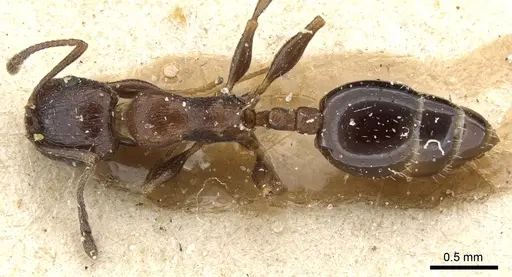
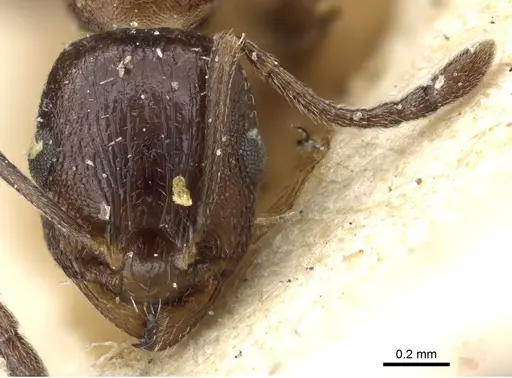
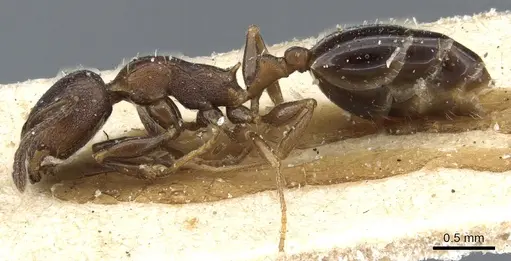
CASENT0909009
Voir sur AntWeb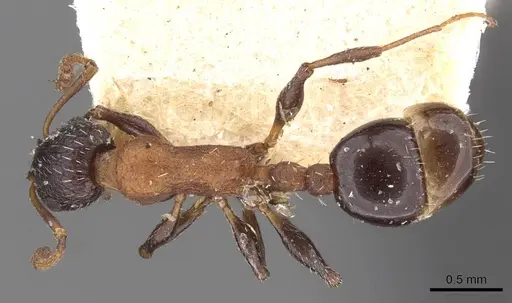
CASENT0912987
Voir sur AntWeb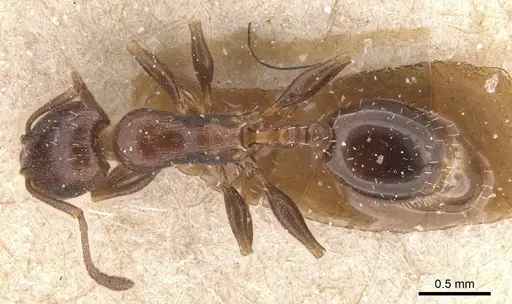
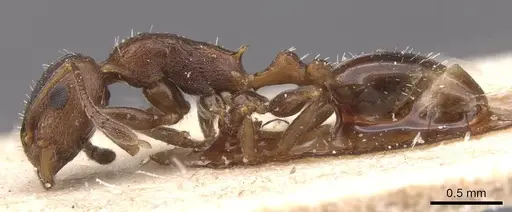
CASENT0917037
Voir sur AntWeb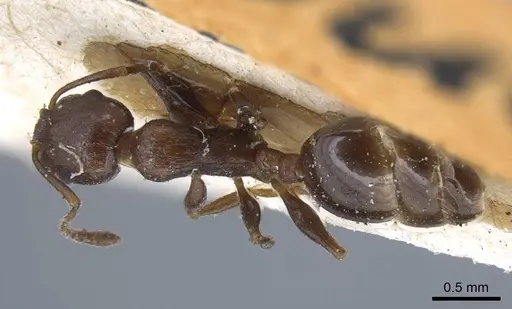
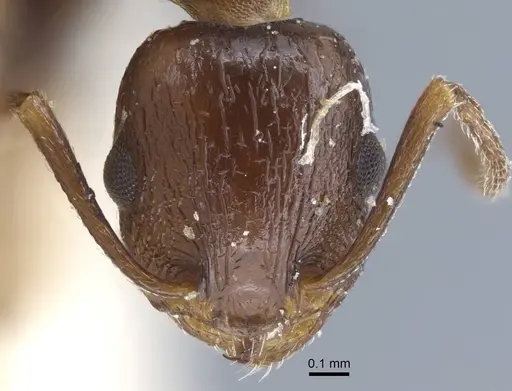
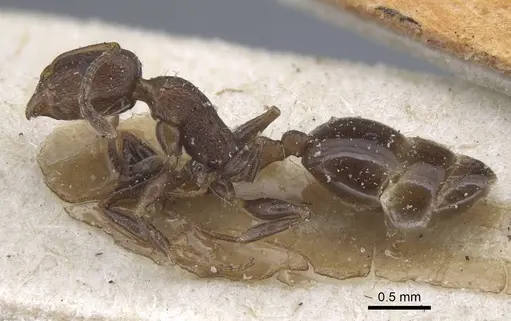
FOCOL2027
Voir sur AntWeb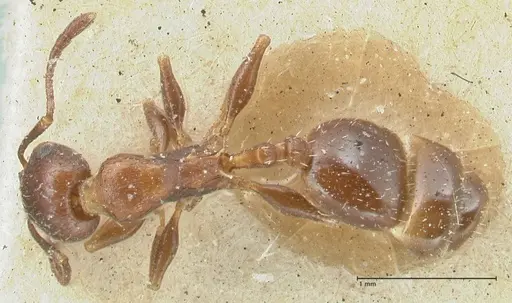
Littérature
Chargement de la carte de répartition...Chargement des produits...