
Strumigenys yanintra
- Nom sci.
- Strumigenys yanintra
- Tribu
- Attini
- Sous-famille
- Myrmicinae
- Auteur
- Bolton, 2000
- Distribution
- Trouvé dans 0 pays
Introduction
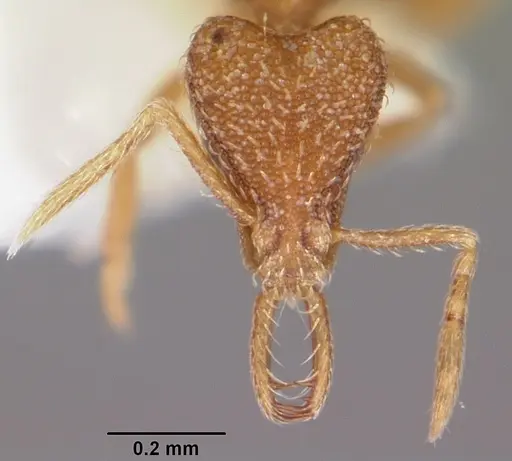
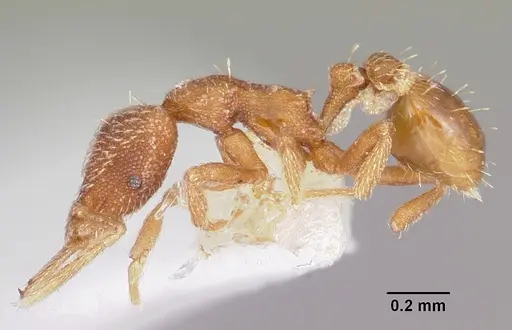
Strumigenys yanintra is a small predatory ant from East Java, Indonesia. It was recorded in the Purwodadi Botanical Gardens . Like other Strumigenys, it has trap-jaw mandibles that snap shut quickly to catch prey. Workers are tiny, around 2-3 millimeters, and are yellowish-brown to blend into leaf litter. The queens are slightly larger, about 3-4 millimeters. Their natural habitat is humid tropical forest floor, with dense leaf litter and rotting wood .
Quick Summary
- Difficulty: Medium
- Origin & Habitat: Tropical lowland forest in East Java, Indonesia. Found in Purwodadi Botanical Gardens, suggesting preference for shaded, humid areas with thick leaf litter [1].
- Colony Type: Likely monogyne (single queen), but not confirmed. Colony size is typically small for this genus.
- Size & Growth:
- Queen: ~3-4 mm (inferred from genus patterns)
- Worker: ~2-3 mm (typical for genus)
- Colony: Up to several hundred workers (estimated, genus typical range)
- Growth: Slow to moderate
- Development: 6-10 weeks at tropical temperatures (estimated from related Strumigenys species) (No species-specific data exists, timing will depend on temperature and food availability.)
- Antkeeping:
- Temperature: Tropical, aim for 24-27°C. Avoid drops below 22°C. A heat mat can help maintain stable warmth. (Inferred from habitat)
- Humidity: High humidity is critical. Keep nest substrate moist but not soaked. Target a relative humidity of 70-85%. Use a hygrometer to monitor. (Inferred from habitat)
- Diapause: No, tropical species from lowland Java does not require hibernation. Keep warm year-round.
- Nesting: Y-tong (AAC) or naturalistic terrarium with moist soil, leaf litter, and rotting wood. Provide dark, enclosed chambers. Humidity must be high.
- Behavior: These ants are specialized ambush predators. They use fast-moving mandibles to catch tiny prey like springtails. They are not aggressive toward humans and rarely sting. Their small size (2-3 mm) makes escape prevention essential, use fine mesh and fluon. They are cryptic and prefer to stay hidden.
- Common Issues: escape prevention is critical due to their tiny 2-3 mm size, use fine mesh barriers and fluon., colonies often fail if humidity drops below 60%, they desiccate quickly., specialized diet: they need live small prey like springtails, standard ant foods may be ignored., slow growth can lead to overfeeding and mold problems, feed only 2-3 times per week., wild-caught colonies may carry parasites that can cause sudden collapse.
Housing and Nest Setup
There is no specific nest design data for Strumigenys yanintra. Based on related Strumigenys species, a Y-tong (AAC) nest with a water reservoir or a naturalistic terrarium with moist soil, leaf litter, and rotting wood is suitable. The key is maintaining very high humidity while providing dark, enclosed spaces. The nest chamber should be kept moist but not waterlogged. A small water source (e.g., a test tube with cotton) in the outworld helps prevent drowning. [1]
Feeding and Diet
Strumigenys yanintra is a specialized predator that hunts tiny live prey. Springtails (Collembola) are ideal. Other small arthropods like micro-isopods or soil mites may be accepted. They generally do not scavenge dead insects or eat sugar sources. Offer live prey 2-3 times per week and remove leftovers after 24 hours to prevent mold. Exact dietary preferences for this species are not documented.
Temperature and Humidity
As a tropical species from lowland Java, Strumigenys yanintra requires warm conditions. Maintain 24-27°C, avoid prolonged temperatures below 22°C. Use a small heat mat on the side or top of the nest (not underneath) to create a gradient. Humidity is the most critical factor, keep the substrate consistently moist and aim for 70-85% relative humidity. Low humidity leads to rapid desiccation and colony death. Monitor with a hygrometer and mist the outworld if needed. [1]
Behavior and Temperament
These ants are not aggressive toward humans. They rely on camouflage and speed rather than confrontation. Their trap-jaw mandibles snap shut in milliseconds to capture prey. They are extremely small and quick, so escape prevention is essential: use fine mesh (0.3 mm gaps) on all ventilation and fluon on container rims. The colony spends most time hidden, foragers emerge briefly to hunt. They do not investigate food items actively.
Colony Care and Maintenance
Colony growth is slow. Do not overfeed, excess prey will die and cause mold. Keep the nest dark (cover three sides). Ventilation should be minimal to retain humidity. When cleaning the outworld, work gently to avoid stress. Only move the colony when the current nest is clearly too small or failing, as they are sensitive to disturbance. Regular maintenance is minimal aside from food and moisture checks.
Frequently Asked Questions
Can I keep Strumigenys yanintra in a test tube?
A test tube can work for a founding queen, but long-term maintenance is difficult due to the high humidity needed. A Y-tong nest with a water reservoir is better. If using a test tube, keep it moist and dark.
How long does it take for Strumigenys yanintra to produce first workers?
Based on related Strumigenys species, expect 6-10 weeks from egg to worker at tropical temperatures around 25°C. This is an estimate, no precise data exists for this species.
What do Strumigenys yanintra ants eat?
They need live small prey, springtails are ideal. They may also accept micro-isopods or soil mites. They do not eat dead food or sugar water.
Are Strumigenys yanintra good for beginners?
This species is rated medium difficulty because of their specialized diet and high humidity needs. They are not ideal for absolute beginners but can be kept by those with some experience.
Do Strumigenys yanintra need hibernation?
No, being tropical, they need warm conditions year-round. Keep temperatures at 24-27°C. Do not cool them below 22°C.
Why are my Strumigenys yanintra dying?
Most commonly due to low humidity, cool temperatures, lack of live prey, or excessive disturbance. Check humidity first, below 60% is dangerous. Ensure live springtails are available. Wild-caught colonies may have parasites.
How big do Strumigenys yanintra colonies get?
Colony size is not documented, but based on the genus, they likely reach a few hundred workers at most. Growth is slow.
Can I keep multiple Strumigenys yanintra queens together?
It is not recommended. Most Strumigenys are monogyne (single queen). Combining unrelated queens usually leads to fighting.
When should I move Strumigenys yanintra to a formicarium?
Wait until the colony has at least 20-30 workers before moving to a larger nest. The founding stage can take many months. Move only when the current nest is clearly crowded or the water source is depleted.
Report an Issue
The current care sheet is based fully on literature. See inconsistencies, or something that's incorrect? Please , it will be resolved after review from an admin. Contributing to the blogs tab also helps providing information, to make us be able to further improve the caresheets. Thank you for your support!
References

Cette fiche d'élevage est sous licence CC BY-SA 4.0 .
Blogs de la communauté
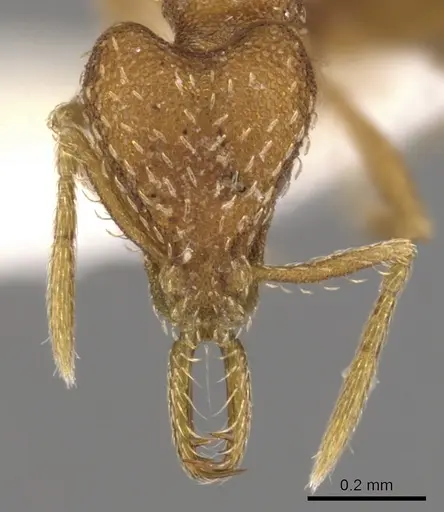
CASENT0102666
Voir sur AntWeb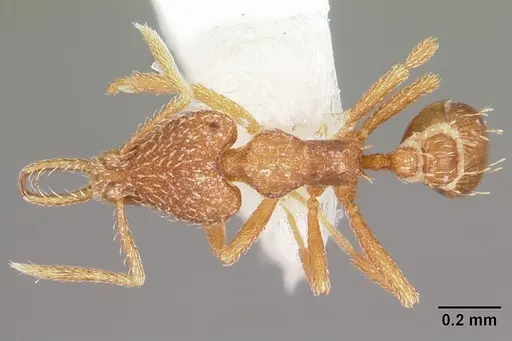
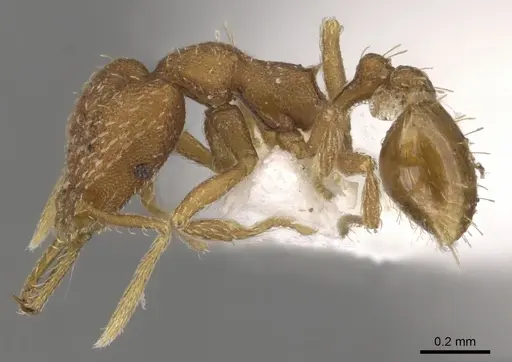
CASENT0900782
Voir sur AntWeb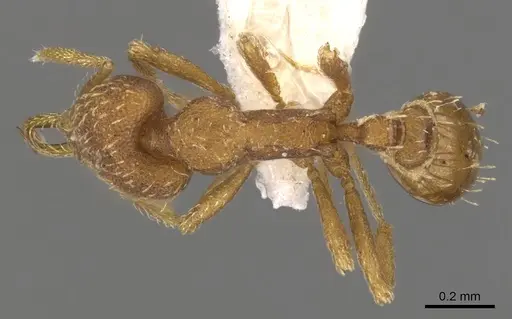
Littérature
Chargement de la carte de répartition...Chargement des produits...