
Strumigenys pedunculata
- Nom sci.
- Strumigenys pedunculata
- Tribu
- Attini
- Sous-famille
- Myrmicinae
- Auteur
- Brown, 1953
- Distribution
- Trouvé dans 1 pays
Introduction
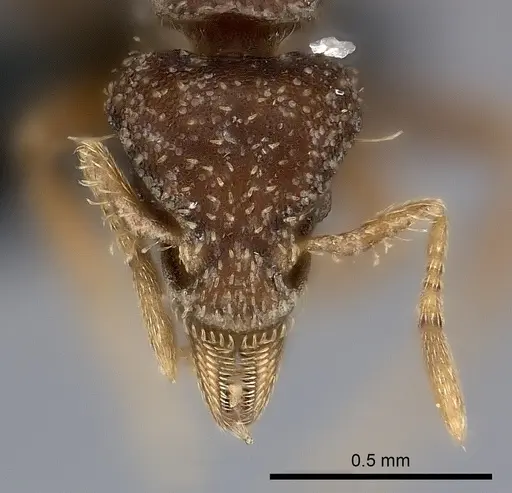
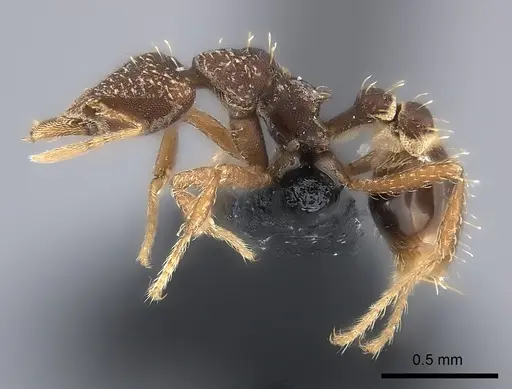
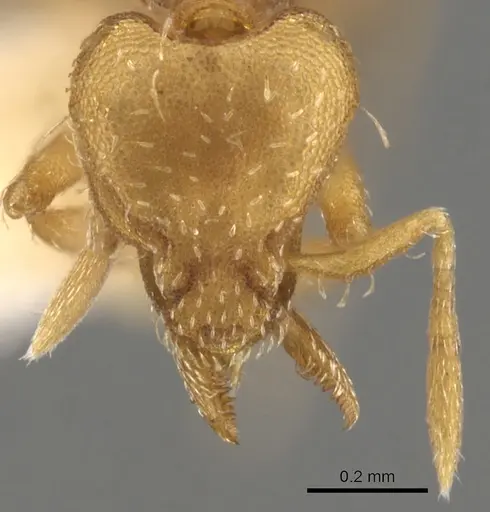
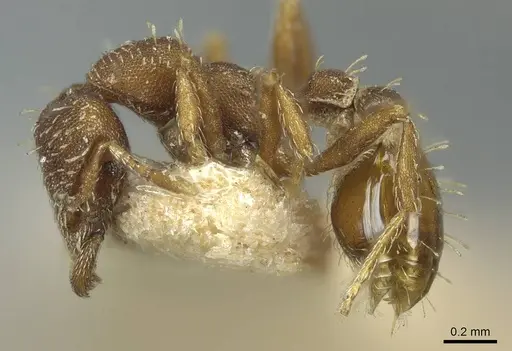
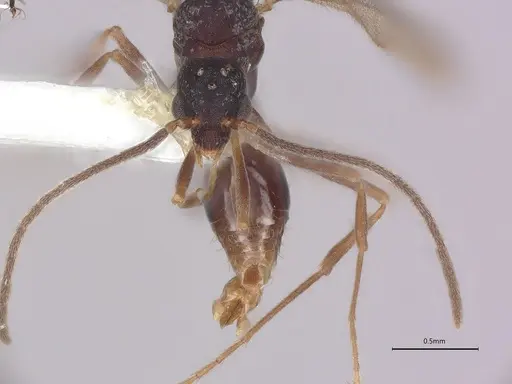
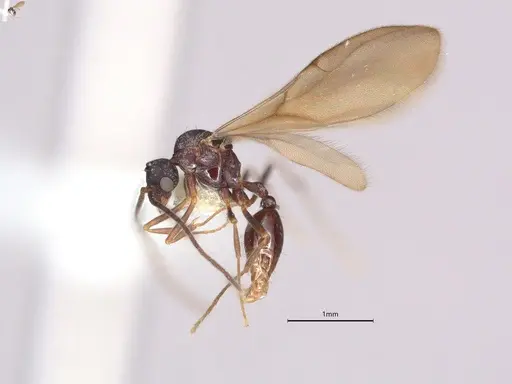
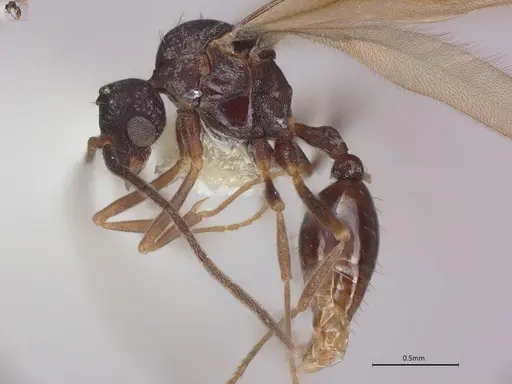
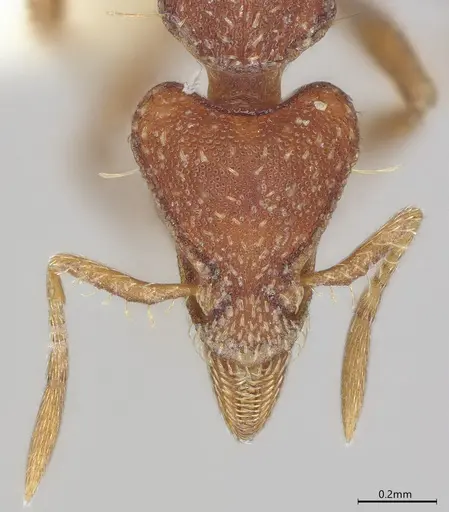
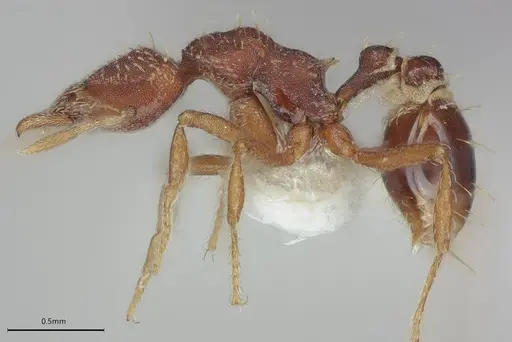
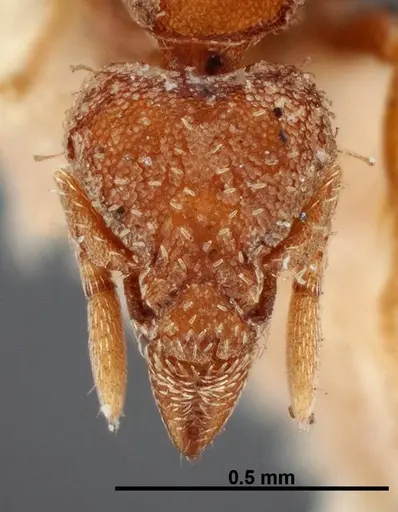
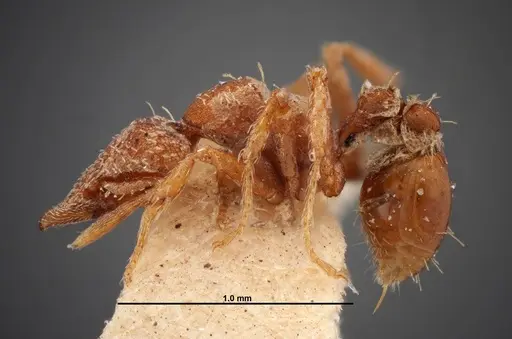
Strumigenys pedunculata is a tiny predatory ant from the Philippines and Malaysia, found in damp forest habitats . Workers measure 2.4-3.1mm in total length, making them one of the smaller ant species in the hobby . They belong to the subfamily Myrmicinae and have a functional stinger, though it is too small to cause concern for humans. These ants are specialized hunters, using their elongate mandibles to capture tiny soil arthropods like springtails. In the wild they live in leaf litter and rotting logs in mesic (moist) forests . This species is rarely kept in captivity and is best suited for experienced keepers who can provide a naturalistic setup with constant moisture and live micro-prey.
Quick Summary
- Difficulty: Expert
- Origin & Habitat: Philippines (including Mindanao) and Malaysia, collected from leaf litter and rotting logs in mesic (damp) forests [1][2]
- Colony Type: Unconfirmed colony structure. Based on typical Strumigenys patterns, likely single-queen colonies, but not verified in literature.
- Size & Growth:
- Queen: Size data unavailable, no measurements recorded in literature
- Worker: 2.4-3.1mm total length [1]
- Colony: Unknown, no specific data available for this species
- Growth: Slow
- Development: Unknown, estimated 6-10 weeks at optimal temperature based on related small Myrmicinae, but unconfirmed (Development time for this species has not been studied. Estimates are based on similar tropical leaf-litter ants.)
- Antkeeping:
- Temperature: Keep warm and stable, roughly 22-26°C. This tropical ant does not tolerate cold, avoid temperatures below 20°C. Use a low-wattage heat mat if needed.
- Humidity: High humidity is essential. Keep the nest substrate consistently moist but not waterlogged. A deep layer of damp soil and leaf litter works well. Mist regularly if ventilation is high.
- Diapause: No, this tropical species does not require winter diapause. Maintain warm conditions year-round.
- Nesting: Naturalistic setup with moist substrate (soil, sand, decomposed leaf litter) and pieces of rotting wood or bark. They nest in leaf litter and rotting logs in the wild [1], so artificial nests like Y-tong or plaster are less suitable. A small terrarium with good drainage works best.
- Behavior: Strumigenys pedunculata is a specialized predator that hunts tiny soil arthropods like springtails [1]. They are active foragers during day and night [3]. Workers are not aggressive toward humans but possess a functional stinger (too small to cause pain). Their tiny size makes escape prevention critical, they can squeeze through gaps that look sealed. They do not accept sugar water or dead insects.
- Common Issues: tiny size makes escape prevention critical, standard mesh may not stop them, use fine metal or nylon mesh, specialized diet requires live micro-prey (springtails, tiny isopods), they will starve on standard ant food, high humidity needs can lead to mold and fungus if ventilation is poor, balance moisture with airflow, founding colonies are very fragile, avoid disturbing the queen during the first few months, limited availability in the hobby makes obtaining colonies difficult
Housing and Nest Setup
This species needs a naturalistic setup that mimics its wild habitat: moist leaf litter and rotting wood [1]. Use a small terrarium or plastic container with a 3-5cm layer of damp substrate (a mix of soil, sand, and decomposed leaf litter). Add pieces of rotting bark or cork for them to nest in. The substrate should feel moist but not dripping. Because workers are only 2.4-3.1mm long, seal all openings with very fine mesh (0.2mm or smaller). A shallow water reservoir under the substrate can help maintain stable humidity. Avoid dry formicaria, they need the moisture.
Feeding and Diet
Strumigenys pedunculata is a specialized predator that feeds on live micro-arthropods, primarily springtails [1]. They will also take tiny isopods or other soft-bodied prey smaller than their head width. They do not accept sugar water, honey, or dead insects, they rely on movement to trigger their hunting response. Feed every 2-3 days by introducing a small number of springtails or other prey into the foraging area. A self-sustaining culture of springtails in the nest substrate can provide a continuous food source. Remove any uneaten prey to prevent mold.
Temperature and Humidity
As a tropical species, Strumigenys pedunculata needs warm, stable temperatures. Keep the enclosure at 22-26°C, and avoid drops below 20°C. Use a low-level heating mat on one side of the setup to create a gradient, so the ants can self-regulate. Humidity is critical, the substrate must remain consistently moist, but not waterlogged. Aim for a setup where condensation forms on the walls but there is no standing water. A deep substrate layer with a drainage layer underneath helps maintain proper moisture. Poor humidity will kill these ants quickly.
Colony Development
Very little is known about colony development in this species. Based on related Strumigenys, the time from egg to worker likely takes 6-10 weeks at optimal temperature, but this is unconfirmed. Colonies stay small (size unknown, probably under 300 workers). Founding queens are especially delicate, the first workers may take a couple of months to appear. Do not disturb the queen during this time. Provide dark, undisturbed conditions with stable moisture. Once workers emerge, they will hunt for prey and care for the queen.
Behavior and Temperament
Strumigenys pedunculata is a shy, non-aggressive ant. Workers hunt alone in the leaf litter and do not form visible trails like more common ants. They are active both day and night [3]. Their stinger is functional but too small to cause pain to humans, they rely on escape as their main defense. Their tiny size means they can slip through nearly any gap, ensure the enclosure is absolutely escape-proof. They are best observed in a naturalistic setup where they hunt springtails under decaying leaves.
Frequently Asked Questions
Can I keep Strumigenys pedunculata in a test tube nest?
Test tubes are not ideal because this species needs to nest in moist substrate. For a very small founding colony, a tiny test tube with damp cotton might work temporarily, but transfer to a naturalistic setup as soon as the first workers appear. A better option is a small soil-filled container from the start.
What do Strumigenys pedunculata eat?
They only eat live tiny prey. Springtails are the best option. They will also take small isopods, booklice, or other micro-arthropods. They ignore sugar water, honey, and dead insects, they need movement to trigger their hunting instincts [1].
How long does it take for Strumigenys pedunculata to produce first workers?
The exact time is unknown. Based on related small Strumigenys species, expect about 6-10 weeks from egg to worker at 22-26°C, but this is an estimate. Some queens may take longer. Patience is required.
Are Strumigenys pedunculata ants good for beginners?
No. This is an expert-level species. Their specialized diet (live prey), high humidity needs, tiny size (escape risk), slow growth, and very limited availability in the hobby make them unsuitable for beginners.
How big do Strumigenys pedunculata colonies get?
Colony size has not been recorded in the wild or captivity. Based on related Strumigenys species, they likely remain under a few hundred workers, but this is speculation. No data exists for this specific species.
Do Strumigenys pedunculata need hibernation?
No. As a tropical species from the Philippines and Malaysia, they do not require any hibernation or cold period. Keep them warm year-round.
Why are my Strumigenys pedunculata dying?
Common causes: humidity too low (substrate drying out), temperature below 20°C, lack of live prey, mold from overwatering, or escape. Check that the setup is sealed with fine mesh, the substrate is moist, and live springtails are available. Founding queens often die from stress if disturbed.
Can I keep multiple queens together?
This has never been studied. Most Strumigenys are thought to be monogyne. It is safest to assume they are not tolerant of other queens. Do not attempt to combine them unless you are willing to risk failure.
When should I move Strumigenys pedunculata to a formicarium?
They do best in a permanent naturalistic setup. If you start with a test tube or small container, move them to a soil-filled enclosure once the colony has 10-20 workers to give them more space and moisture stability.
Report an Issue
The current care sheet is based fully on literature. See inconsistencies, or something that's incorrect? Please , it will be resolved after review from an admin. Contributing to the blogs tab also helps providing information, to make us be able to further improve the caresheets. Thank you for your support!
References

Cette fiche d'élevage est sous licence CC BY-SA 4.0 .
Blogs de la communauté
CASENT0217925
Voir sur AntWeb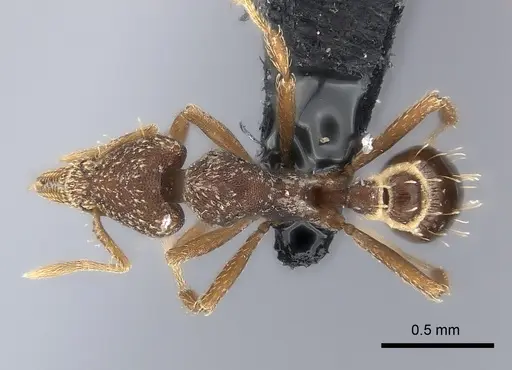
CASENT0900111
Voir sur AntWeb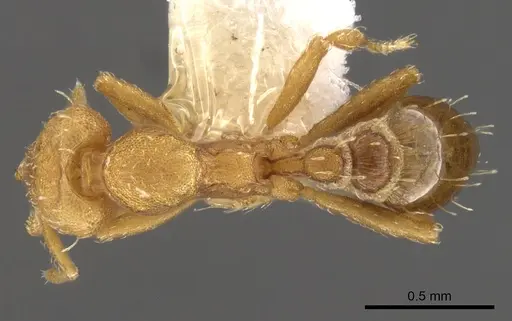
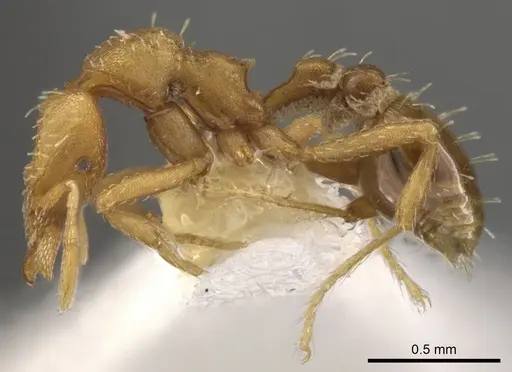
CASENT0915952
Voir sur AntWeb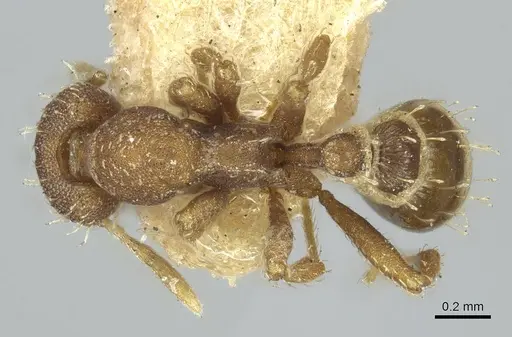
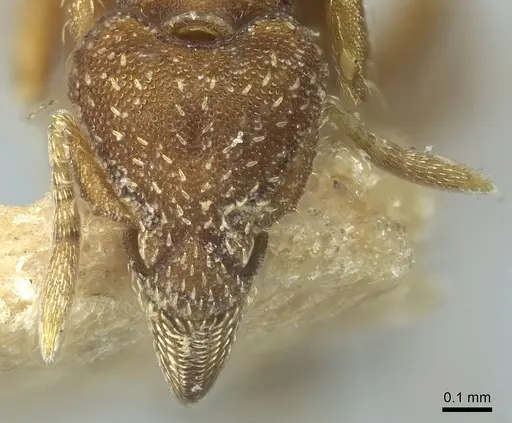
CASENT4036103
Voir sur AntWeb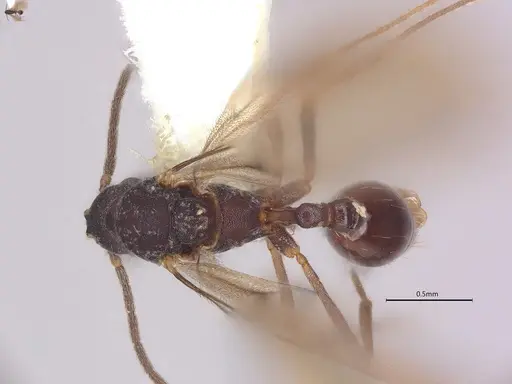
CASENT4036104
Voir sur AntWeb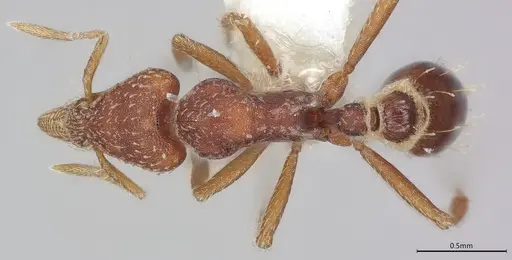
FMNHINS0000050787
Voir sur AntWeb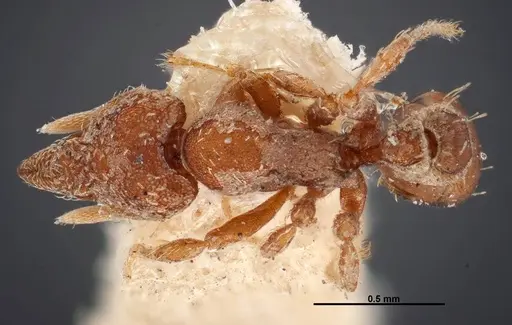
Littérature
Chargement de la carte de répartition...Chargement des produits...