
Strumigenys depilosa
- Nom sci.
- Strumigenys depilosa
- Tribu
- Attini
- Sous-famille
- Myrmicinae
- Auteur
- Bolton, 2000
- Distribution
- Trouvé dans 1 pays
Introduction
Strumigenys depilosa is a tiny ant from the rainforests of Cameroon and Gabon. Workers measure 2.4-2.6mm in total length . They belong to the subfamily Myrmicinae, tribe Attini, and are specialized predators. This species is distinguished from relatives by lacking apicoscrobal hairs and pronotal humeral hairs . All known specimens come from leaf litter samples or rotten logs in lowland to montane rainforest at elevations of 110-640m . Their small size and secretive lifestyle make them a challenging species to study and keep.
Quick Summary
- Difficulty: Hard
- Origin & Habitat: Rainforests of Cameroon and Gabon in the Afrotropical region. Found in leaf litter and rotten logs at elevations of 110-640m [1][2].
- Colony Type: Unconfirmed. The queen has not been described, and colony structure is unknown. Based on related Strumigenys species, likely monogyne with small colony sizes.
- Size & Growth:
- Queen: Undescribed, no queen caste documented [1]
- Worker: 2.4-2.6mm total length [1]
- Colony: Unknown, likely under a few hundred workers based on typical Strumigenys size.
- Growth: Moderate (estimated)
- Development: Unknown, estimated 6-10 weeks based on related species. (Estimates only, no specific data for this species.)
- Antkeeping:
- Temperature: Keep warm at 24-28°C (estimated from tropical rainforest habitat). Provide stable temperatures without sudden drops [1][2].
- Humidity: Very high, keep nest substrate moist but not waterlogged. Aim for near-saturated humidity typical of rainforest leaf litter [1][2].
- Diapause: No, tropical species, maintain warm conditions year-round.
- Nesting: Provide a humid naturalistic nest with soil or plaster. They naturally nest in rotting wood and leaf litter. Use tight-fitting lids and fine mesh due to their tiny size [1].
- Behavior: These ants are shy and secretive, spending most of their time in the nest. They are specialized predators that hunt small prey like springtails using their mandibles. They are not aggressive toward humans but possess a mild sting (typical of Myrmicinae). Their tiny size makes escape prevention critical, they can slip through small gaps. They rarely forage in the open, preferring to stay within the nest structure.
- Common Issues: escape prevention is critical due to 2.4-2.6mm size, they can squeeze through standard barriers., humidity dropping too low causes rapid colony decline., lack of appropriate live prey (springtails) leads to starvation., slow growth requires patience, avoid overfeeding to prevent mold., wild-caught colonies may carry parasites, quarantine new colonies.
Housing and Nest Setup
Strumigenys depilosa needs a setup that mimics its humid rainforest leaf‑litter home. A naturalistic nest with damp soil or plaster works well, use a mixture of soil and organic matter that stays moist but not waterlogged. These ants naturally nest in rotting wood and leaf litter, so include some decaying wood or leaf material [1]. Plaster nests with water reservoirs help maintain stable high humidity. Because they are tiny, even small gaps become escape routes. Apply fluon to all container edges and use fine mesh (0.5mm or smaller) on ventilation holes. A small outworld connected to the nest allows you to offer prey without disturbing the colony. Keep the nest area dark or dimly lit, these secretive ants prefer minimal light.
Feeding and Diet
As specialized predators, Strumigenys depilosa requires live small prey. Springtails (collembola) are the ideal food, they are the right size and readily accepted. Offer a variety of other small live micro‑arthropods like booklice and tiny mites for nutritional diversity. They are unlikely to accept sugar sources or dead prey, movement triggers their hunting behavior. Feed small amounts every few days and remove any uneaten prey to prevent mold. A well‑established springtail culture in the outworld can provide a continuous food source, though you should still supplement. Never leave large quantities of dead insects in the setup.
Temperature and Humidity
Maintain temperatures between 24-28°C year‑round. These are tropical rainforest ants and do not tolerate cool conditions [1][2]. A small heating cable on one side of the nest can create a gentle gradient, but avoid direct heat that could dry out the substrate. Humidity is critical, keep the nest substrate consistently damp but not waterlogged. A hydration reservoir in plaster nests helps maintain stable humidity. Check moisture levels daily and rehydrate every few days as needed. Avoid strong ventilation that causes rapid drying.
Behavior and Temperament
Strumigenys depilosa is a shy, secretive species that spends most of its time inside the nest. Workers rarely forage in the open, they hunt by ambush, using their mandibles to capture small prey that comes close. They are not defensive toward keepers and pose no serious sting threat, though they do possess a mild sting typical of Myrmicinae. Their tiny size makes them excellent escape artists, standard barrier methods may not work. Use fine mesh and fluon‑coated edges. Colony activity increases when prey is available, as workers become more active in hunting. They do not form large trails or patrol openly.
Colony Development
Little is known about colony development in S. depilosa. The queen has never been described, so founding behavior and colony establishment are unconfirmed [1]. Based on related Strumigenys species, colonies are likely small, possibly reaching a few dozen to low hundreds of workers at maturity. Founding is probably claustral, the queen seals herself in and raises the first workers on stored reserves. Growth is slow, requiring patience from the keeper. Do not disturb founding colonies unnecessarily.
Frequently Asked Questions
Can I keep Strumigenys depilosa in a test tube?
A test tube can work for initial founding, but you must maintain very high humidity and provide live prey. However, a naturalistic or plaster nest is better long‑term as it retains moisture more reliably. If using a test tube, ensure excellent escape prevention and consider a water reservoir section.
What do Strumigenys depilosa ants eat?
They are specialized predators that require live small prey. Springtails (collembola) are ideal, offer them regularly and consider establishing a culture. Other tiny live micro‑arthropods like booklice may also work. They do not accept sugar or dead insects.
How long does it take for Strumigenys depilosa to raise first workers?
The exact timeline is unknown. Based on related Strumigenys species, expect 6-10 weeks from egg to worker at optimal temperature (around 26°C). Be patient and disturb the queen as little as possible.
Are Strumigenys depilosa good for beginners?
No, this species is not recommended for beginners. Their tiny size, high humidity needs, specialized diet, and escape risk make them challenging. They are best for experienced antkeepers who can provide the specific conditions.
How big do Strumigenys depilosa colonies get?
The maximum colony size is unknown but likely small, probably under 200 workers, typical for the genus.
Do Strumigenys depilosa need hibernation?
No, they do not require hibernation. As tropical rainforest ants from Cameroon and Gabon, they need warm conditions year‑round. Keep temperatures between 24-28°C continuously [1][2].
Why are my Strumigenys depilosa dying?
Most common causes: low humidity (they decline rapidly in dry conditions), lack of live prey (they starve without springtails), and escape (their tiny size lets them slip through barriers). Also check for parasites if wild‑caught. Ensure humidity is consistently high and provide live springtails.
When should I move Strumigenys depilosa to a formicarium?
Wait until the colony has at least 20-30 workers before moving to a larger setup. Test tubes work well for founding and small colonies. Only upgrade when space is clearly needed, and do so gently to avoid disturbance.
Can I keep multiple Strumigenys depilosa queens together?
This is not studied for this species. Based on typical Strumigenys behavior, single‑queen colonies are most stable. Combining unrelated queens is not recommended as it often leads to aggression.
Report an Issue
The current care sheet is based fully on literature. See inconsistencies, or something that's incorrect? Please , it will be resolved after review from an admin. Contributing to the blogs tab also helps providing information, to make us be able to further improve the caresheets. Thank you for your support!
References

Cette fiche d'élevage est sous licence CC BY-SA 4.0 .
Blogs de la communauté
CASENT0417856
Voir sur AntWeb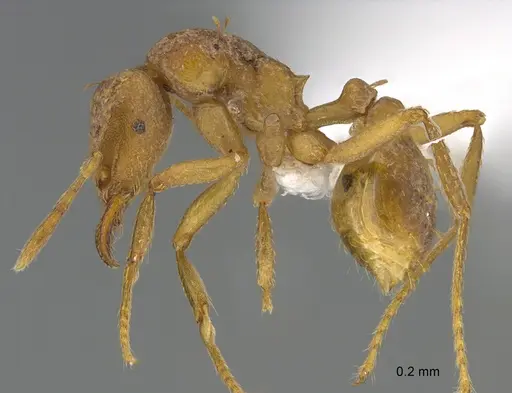
CASENT0900059
Voir sur AntWeb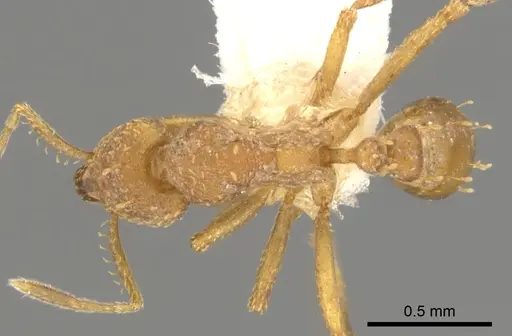
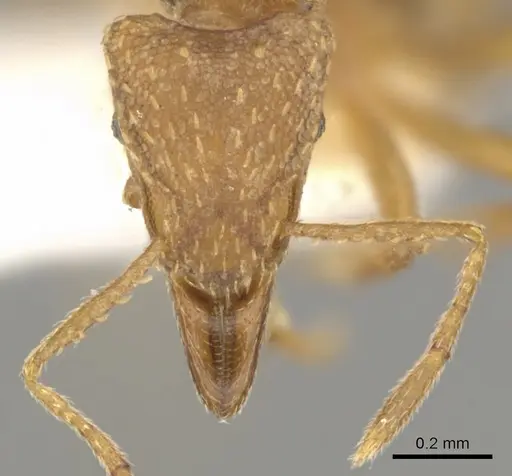
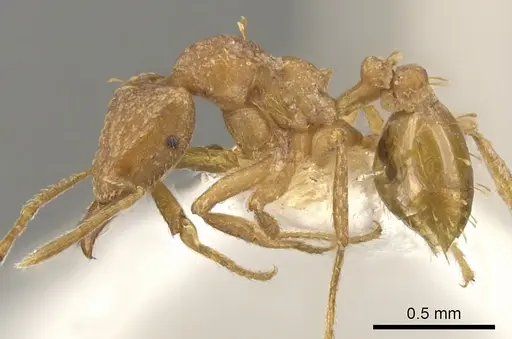
Littérature
Chargement de la carte de répartition...Chargement des produits...