
Stigmatomma bruni
- Nom sci.
- Stigmatomma bruni
- Tribu
- Amblyoponini
- Sous-famille
- Amblyoponinae
- Auteur
- Forel, 1912
- Distribution
- Trouvé dans 0 pays
Introduction
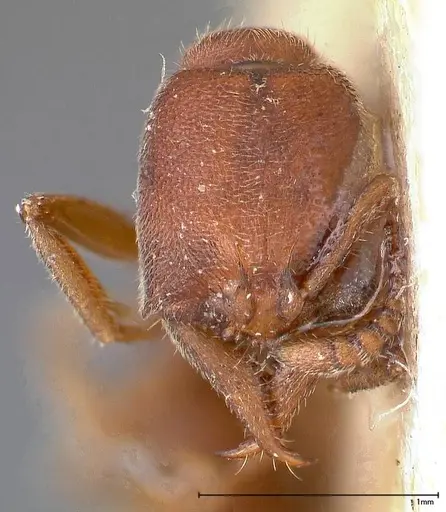
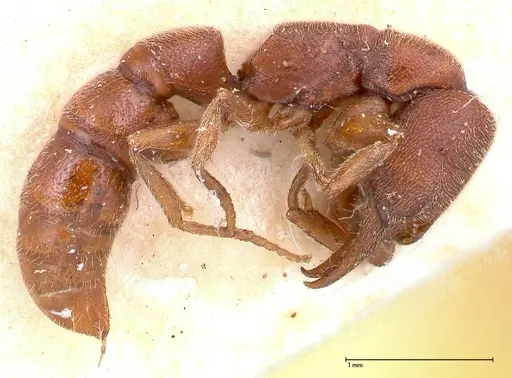
Stigmatomma bruni is a small amblyoponine ant known only from Taiwan, where it lives a cryptic lifestyle in leaf-litter, rotten wood, and soil of well‑developed forests and forest edges . Workers measure about 4.5 mm total length . They have a rusty‑brown body with lighter legs and antennae, short mandibles with five blunt teeth and a pointed apical tooth, and very small eyes made up of only about five partly atrophied facets . The head is matte and densely punctate‑reticulate with longitudinal wrinkles, while the thorax and abdomen are moderately shiny with sharp punctures . A male has been described (length ~8 mm) but its identification is uncertain - it might belong to a different species .
Quick Summary
- Difficulty: Expert
- Origin & Habitat: Stigmatomma bruni is found only in Taiwan, where it inhabits leaf‑litter, rotten wood, and soil of well‑developed forests and forest edges [1]. Its cryptic, subterranean lifestyle makes it rarely encountered and poorly studied.
- Colony Type: Unconfirmed, no published data on colony social structure for this species.
- Size & Growth:
- Queen: Undescribed in available literature, no measurements known.
- Worker: ~4.5 mm [2]
- Colony: Unknown, no published data.
- Growth: Unknown, no published data.
- Development: Unconfirmed, no published data for this species. (Development time is completely unknown. Related amblyoponines are thought to develop slowly, but this is speculation.)
- Antkeeping:
- Temperature: Unknown for this species. Based on its Taiwanese forest‑floor habitat, a stable temperature around 20-24 °C is a reasonable starting point [1]. Avoid extremes until more is known.
- Humidity: High humidity, these ants live in leaf‑litter and rotting wood where conditions are consistently damp [1]. Keep the nest substrate moist but not waterlogged, and ensure good ventilation to prevent mold.
- Diapause: Unknown, Taiwan has a subtropical climate, but seasonal temperature changes do occur. Without data, it is safest to provide a mild winter cooling (e.g.,15-18 °C for 2-3 months) and observe the colony’s response.
- Nesting: These ants are strongly photophobic and require total darkness. A naturalistic setup with soil and pieces of rotting wood mimics their natural habitat, but a dark test tube setup may also work [1]. Avoid any bright exposure.
- Behavior: Cryptic, subterranean, and strongly photophobic, workers avoid light and spend most of their time hidden. They are predatory and possess a functional sting (subfamily Amblyoponinae, tribe Amblyoponini), used to subdue prey. They are not aggressive toward humans but will sting if handled roughly. Workers are small (4.5 mm) but not tiny, standard escape prevention (e.g., fluon on outworld walls) is needed.
- Common Issues: queen founding behavior is completely unknown, any disturbance may kill the queen during founding, wild‑caught colonies may carry parasites, quarantine is essential, high humidity requirements can cause mold if ventilation is poor, photophobic nature means even brief light exposure can stress the colony, lack of published care data means keepers must experiment cautiously
Housing and Nest Setup
Stigmatomma bruni requires a dark, humid environment that mimics its natural leaf‑litter habitat [1]. A naturalistic setup with a layer of soil and pieces of rotting wood works well, this provides the ants with moist microhabitats to choose from. A test tube setup can also work if kept in complete darkness, the water reservoir should be kept full to maintain humidity. Because these ants have very small, atrophied eyes and are strongly photophobic, any exposure to bright light can cause panic and stress. Cover the nest area with an opaque material and avoid opening the setup except for maintenance. The substrate should be moist but not waterlogged, aim for damp soil that does not drip when squeezed. Good ventilation is important to prevent mold growth.
Feeding and Diet
Stigmatomma bruni is predatory, consistent with other Amblyoponinae ants [1]. In the wild, amblyoponines are known to hunt centipedes and other small soil arthropods. In captivity, offer small live prey such as fruit flies, pinhead crickets, small mealworms, and other appropriately sized invertebrates. The ants are likely to be nocturnal hunters, offer prey in the evening and check the next morning. Sugar sources like honey or sugar water may be accepted occasionally but should not be the primary food. Remove uneaten prey after 24-48 hours to prevent mold.
Temperature and Seasonal Care
There is no confirmed temperature range for Stigmatomma bruni. The species lives in the forest floor of Taiwan, which has a subtropical climate with moderate temperatures [1]. A conservative range of 20-24 °C is a reasonable starting point. Avoid temperatures above 28 °C or below 15 °C. Whether this species requires a winter diapause is unknown, Taiwan does experience seasonal cooling, but data are lacking. If you choose to provide a cool period, reduce temperatures gradually over 2-3 weeks to around 15-18 °C for 2-3 months, then warm up slowly in spring. Keep the colony dark and minimize disturbances during any cooling period.
Behavior and Handling
Stigmatomma bruni is a cryptic, photophobic ant that spends most of its time hidden in the nest or foraging in darkness. Workers have a functional sting (subfamily Amblyoponinae, tribe Amblyoponini) that can deliver a painful sting if the ant is threatened. Handle the colony with care, use soft tools rather than bare hands, and avoid any rough movements that might provoke the ants. The species is not aggressive toward humans but will defend the nest if disturbed. Workers measure about 4.5 mm, so they are not tiny enough to slip through standard test tube barriers, but escape prevention (fluon on outworld walls, secure connections) is still necessary [2]. The ants are nocturnal and will be most active in dim or dark conditions.
Colony Founding
Queen founding behavior for Stigmatomma bruni has not been documented. There is no published description of a queen, nor any information on how founding occurs in this species. Based on typical Amblyoponinae patterns, founding is speculated to be claustral, the queen sealing herself in a chamber and relying on her fat reserves, but this is purely conjecture. Because the founding method is unknown, it is safest to treat the queen as requiring a completely undisturbed, dark, and humid environment from the moment she is collected. Do not offer food to a founding queen unless you are certain she is non‑claustral. Once workers appear, the colony can be slowly introduced to food and light.
Growth and Development
No data exist on the development timeline of Stigmatomma bruni. The only known life stage is the worker, described by Forel in 1912 [2]. A male was also described but its identification is doubtful [3]. The queen and immature stages remain unknown. Any estimates of development time, colony growth rate, or worker lifespan are purely speculative. Keepers should expect the colony to grow very slowly, if at all, and be prepared for the possibility that captive conditions may not support normal development. Patience and careful observation are essential.
Frequently Asked Questions
How long does it take for Stigmatomma bruni to raise first workers?
There are no data on development time for this species. Any estimate would be pure guesswork. Be prepared to wait many weeks or even months without seeing any workers.
Can I keep Stigmatomma bruni in a test tube?
Yes, a test tube setup can work for this species. Keep the tube in complete darkness and maintain humidity by keeping the water reservoir full. Cover the tube with an opaque material to block light [1][2].
Do Stigmatomma bruni ants sting?
Yes, like other Amblyoponinae ants, Stigmatomma bruni has a functional sting. The sting can be painful, handle these ants with care and avoid provoking them [2].
What do Stigmatomma bruni eat?
They are predators that hunt small invertebrates. Offer small live prey such as fruit flies, pinhead crickets, small mealworms, and other tiny arthropods. Sugar sources may occasionally be accepted but are not essential [1].
Are Stigmatomma bruni good for beginners?
No. This species is rated Expert. Almost nothing is known about its captive care, no queen description, no founding data, no colony size data. Keeping it successfully would require extensive trial and error, and even then success is uncertain. Beginners should start with well‑documented species.
Do Stigmatomma bruni need hibernation?
It is unknown. Taiwan has a subtropical climate, but seasonal temperature changes do occur. Without data, it is safest to provide a mild winter cooling (e.g.,15-18°C for 2-3 months) and observe the colony’s response. If the colony shows no reaction, you may omit it in subsequent years.
Why is my Stigmatomma bruni colony staying in the outworld?
This is likely due to light exposure or incorrect humidity. These ants have very small eyes and are strongly photophobic, bright light causes them to flee the nest. Ensure the nest area is completely dark and the substrate is appropriately moist [1][2].
How big do Stigmatomma bruni colonies get?
Colony size is unknown. No published data exist for this species. Any numbers (e.g.,50-200 workers) would be pure speculation.
Can I keep multiple Stigmatomma bruni queens together?
This has not been documented. There is no information on whether this species is monogyne or polygyne. Combining queens is not recommended without evidence they can coexist.
When should I move Stigmatomma bruni to a formicarium?
Because nothing is known about colony size or growth, there is no rule. A test tube setup can work long‑term. If you do consider moving to a formicarium, wait until the colony has at least 20-30 workers and is actively foraging. Ensure the formicarium provides dark, humid chambers [1].
Report an Issue
The current care sheet is based fully on literature. See inconsistencies, or something that's incorrect? Please , it will be resolved after review from an admin. Contributing to the blogs tab also helps providing information, to make us be able to further improve the caresheets. Thank you for your support!
References

Cette fiche d'élevage est sous licence CC BY-SA 4.0 .
Blogs de la communauté
CASENT0102511
Voir sur AntWeb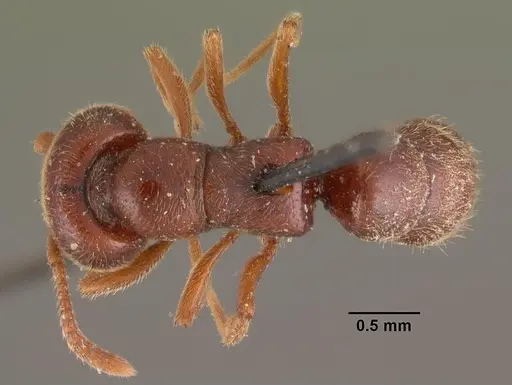
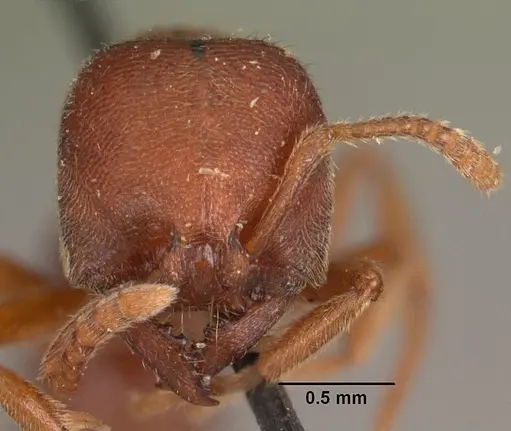
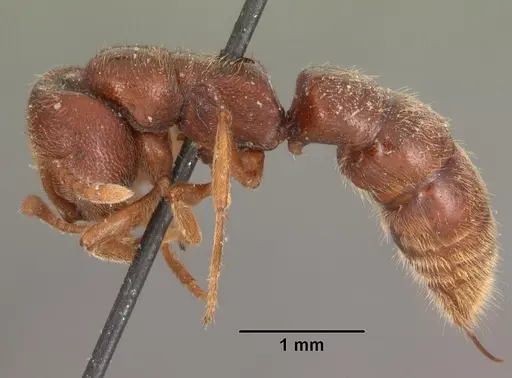
FOCOL0379
Voir sur AntWeb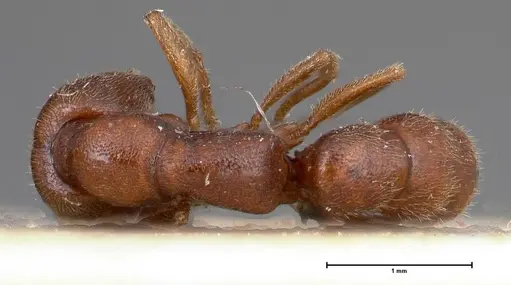
Littérature
Chargement de la carte de répartition...Chargement des produits...