
Stenamma siculum
- Nom sci.
- Stenamma siculum
- Tribu
- Stenammini
- Sous-famille
- Myrmicinae
- Auteur
- Rigato, 2011
- Distribution
- Trouvé dans 0 pays
Introduction
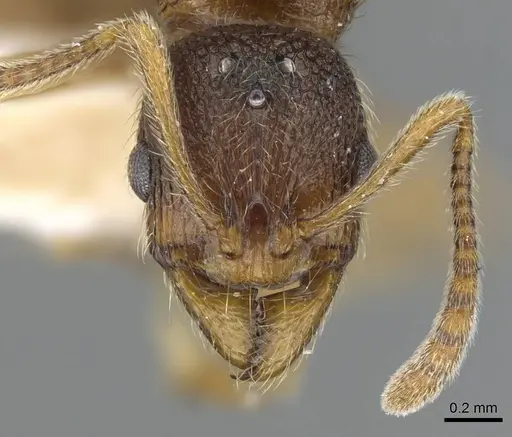
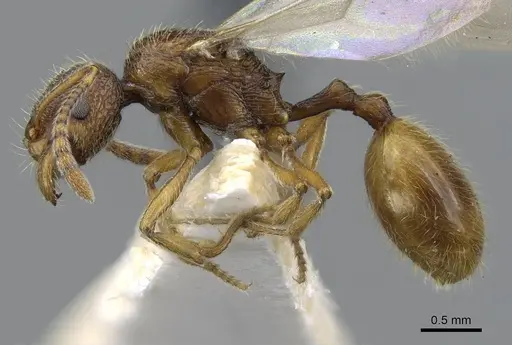
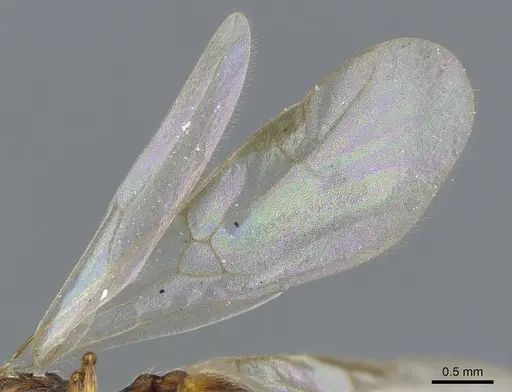
Stenamma siculum is a small, slender ant species described from Sicily, Italy in 2011 . Queens measure 4.6–5.1 mm and have a distinctive rust-brown (ferrugineous) coloration with a paler abdomen. They feature several standing hairs along the dorsal edge of their scape that rise above the normal flat-lying hairs – a unique trait shared with only a few other Stenamma species. Males are smaller (3.4–4.5 mm) and have fully developed mandibles. This species is known only from Sicily, making it one of the most range-restricted European Stenamma species . The worker caste has never been collected, and virtually nothing is known about its biology in the wild .
Quick Summary
- Difficulty: Expert
- Origin & Habitat: Sicily, Italy in the Palaearctic region. Specimens have been collected from malaise traps in forested areas at elevations of 680–940 m [1].
- Colony Type: Unknown – the worker caste has never been collected, and colony structure has not been documented [1][3].
- Size & Growth:
- Queen: 4.6–5.1 mm [1]
- Worker: Unknown – workers have never been collected [1][3]
- Colony: Unknown – no colony data exists
- Growth: Unknown
- Development: Unknown – development has not been studied (No data available. Based on typical Stenamma patterns, expect 6–10 weeks at optimal temperature, but this is entirely speculative.)
- Antkeeping:
- Temperature: Unknown – no thermal studies exist. Based on its Sicilian distribution and extratropical habitat, start with 18–24 °C and adjust based on colony activity [2].
- Humidity: Unknown – no humidity data exists. Most Stenamma species prefer moderate humidity. Start with a damp but not waterlogged nest substrate and provide a moisture gradient.
- Diapause: Unknown – no seasonal data exists. Sicily has mild winters, so a reduced diapause period (4–6 weeks at 10–15 °C) may work, but this is entirely estimated.
- Nesting: Unknown – natural nesting behavior has not been documented. Other Stenamma species typically nest in soil or under stones in shaded areas. A naturalistic setup with moist substrate or a Y-tong/plaster nest would be speculative choices.
- Behavior: Not documented. Based on typical Stenamma genus behavior, they are likely ground-nesting ants with moderate foraging activity. Escape risk cannot be assessed without worker size data. Exercise caution with any setup until behavior is observed.
- Common Issues: complete lack of biological data means any care is experimental – colony death is likely without established guidelines., unknown dietary requirements may lead to starvation if unsuitable foods are offered., colony failure is likely since no established husbandry guidelines exist., without worker observations, escape prevention cannot be properly assessed – use tight enclosures., wild-caught colonies may be the only option, bringing risks of parasites or disease., unknown humidity tolerances may lead to desiccation or mold growth.
Species Overview and Identification
Stenamma siculum is one of the more recently described European ant species, formally named in 2011 by Fabrizio Rigato. It belongs to the Stenammini tribe within the Myrmicinae subfamily and is part of the westwoodii species-group [1]. The species is known only from Sicily, where it was discovered through malaise trap collections in forested areas around Corleone and Bosco della Ficuzza at elevations between 680–940 m [1].
The most distinctive feature of both queens and males is the presence of several standing (subdecumbent to suberect) hairs along the dorsal edge of the scape – this sets it apart from similar species like S. sardoum and S. msilanum. Queens are rust-brown (ferrugineous) with a paler abdomen, while males are darker, nearly black with brownish appendages [1]. The worker caste remains unknown, which is unusual for a described ant species and highlights how little we know about this species.
Current State of Knowledge
This is one of the least known ant species in captivity or even in scientific literature. The worker caste has never been collected, meaning we have no morphological data, no observations of colony size or structure, and no information about their natural behavior [1][3]. All specimens known to science were captured in malaise traps – passive insect traps that don't tell us about nesting preferences, foraging behavior, diet, or reproductive biology.
This presents a unique challenge for antkeepers: there are no established care guidelines, no husbandry success stories to learn from, and no way to verify if your care is appropriate. Every observation you make contributes to our understanding of this species. Document everything – food acceptance, temperature preferences, humidity tolerance, behavior, and growth rates. Your experiences could become the foundation for future care sheets.
Housing and Nesting Recommendations
Since natural nesting behavior is unknown, we must make educated guesses based on related Stenamma species and the Sicilian environment. Other Stenamma species typically nest in soil or under stones in shaded, damp locations. A naturalistic setup with a layer of moist soil beneath flat stones or a Y-tong/plaster nest with narrow chambers would be reasonable starting points.
Given the complete lack of data, consider setting up multiple test tube colonies to experiment with different conditions. Try varying humidity levels (damp to moderately moist substrate), temperatures (18–24 °C range), and lighting conditions. Observe which setup the colony prefers and document it. Keep the queen in a founding setup (test tube or small container) until workers emerge, then monitor for signs of stress or success to guide your next steps.
Feeding and Diet
Diet preferences are completely unstudied for this species. Other Stenamma species are typically generalist foragers that collect small invertebrates and honeydew. Start with a standard ant diet: small live prey (fruit flies, pinhead crickets, mealworms), sugar water or honey, and observe what the colony accepts.
Since founding queens may have specific nutritional needs, offer small amounts of protein regularly during the founding period. Once workers emerge, maintain a constant sugar source and offer protein 2–3 times per week. Document which foods are accepted and which are ignored – this information is valuable for the antkeeping community.
Temperature and Seasonal Care
No thermal data exists for this species. Based on its Sicilian distribution (37.88° latitude) in the Palaearctic region, it likely experiences moderate temperatures year-round with mild winters [2]. Sicily rarely experiences frost at lower elevations, but the collection sites at 680–940 m elevation suggest some tolerance to cooler conditions.
As a starting point, maintain temperatures in the 18–24 °C range. A slight temperature gradient allows the colony to choose its preferred zone. For overwintering, a short dormant period of 4–6 weeks at 10–15 °C may be appropriate given the mild Sicilian climate, but this is entirely speculative. Monitor colony behavior – if they become sluggish, temperatures may be too low, if they seem stressed or cluster away from heat sources, conditions may be too warm.
Research Priorities and Contributing to Science
Keeping Stenamma siculum is essentially a research endeavor. Every observation you make has scientific value. Key questions that need answering include: What is the worker morphology? How many workers does a mature colony have? What are their dietary preferences? What temperatures and humidity levels do they prefer? How do they found new colonies – does the queen seal herself in (claustral) or must she forage (semi-claustral)?
Consider photographing and documenting everything: the queen, any workers that emerge, molting events, food acceptance, behavior patterns, and colony health. Sharing your observations with the antkeeping community and, if possible, with researchers studying Stenamma could contribute to our understanding of this mysterious species. The lack of known workers also means any colony you establish could potentially provide the first worker specimens for science. [1]
Frequently Asked Questions
How do I keep Stenamma siculum ants?
No established care guidelines exist for this species. Start with a standard test tube founding setup with moist cotton, maintain temperatures around 18–24 °C, and offer small live prey and sugar sources once workers emerge. Document everything and adjust based on colony response. This is entirely experimental care.
What do Stenamma siculum ants eat?
Diet is unknown. Based on related Stenamma species, they likely accept small insects and honeydew. Offer fruit flies, small mealworms, and sugar water or honey. Document acceptance to build the first dietary profile for this species.
How big do Stenamma siculum colonies get?
Unknown – no colony size data exists. The worker caste has never been collected, so we have no information about maximum colony size. Other Stenamma species typically reach several hundred workers, but this is speculative for S. siculum.
Do Stenamma siculum ants sting?
Unknown – the worker caste is unknown, so stinging ability has not been assessed. Most Myrmicinae have functional stingers, but this cannot be confirmed without workers.
What temperature do Stenamma siculum ants need?
No thermal data exists. Based on Sicilian distribution, start with 18–24 °C and observe colony behavior. A temperature gradient allows the ants to choose their preferred zone.
Do Stenamma siculum ants need hibernation?
Unknown – no seasonal data exists. Sicily has mild winters, so if diapause is needed, it would likely be short (4–6 weeks) and at cool but not cold temperatures (10–15 °C). This is entirely estimated.
How long does it take for Stenamma siculum eggs to become workers?
Unknown – development has not been studied. Based on typical Stenamma patterns, expect 6–10 weeks from egg to worker at optimal temperature, but this is speculative.
Is Stenamma siculum good for beginners?
No. This species is not recommended for beginners due to the complete lack of biological data and established care guidelines. Keeping this ant is an experimental endeavor that requires careful documentation and willingness to adapt to unknown requirements.
Can I keep multiple Stenamma siculum queens together?
Unknown – colony structure has not been documented. Without information on whether they are single-queen (monogyne) or multi-queen (polygyne), combining queens is not recommended.
Where is Stenamma siculum found?
Only known from Sicily, Italy. Specimens have been collected from forested areas at 680–940 m elevation in the Palermo province [1][2].
Why is the Stenamma siculum worker unknown?
The worker caste has simply never been collected. All known specimens (queens and males) were captured in malaise traps, which are passive traps that don't target or reveal nesting locations. The species was described in 2011,and no subsequent collections have yielded workers [1][3].
What makes Stenamma siculum special?
This species represents a rare opportunity in antkeeping – the chance to potentially discover and document biology that is completely unknown to science. The worker has never been seen, colony behavior is unstudied, and any successful captive colony would be the first to reveal basic information about this species.
Report an Issue
The current care sheet is based fully on literature. See inconsistencies, or something that's incorrect? Please , it will be resolved after review from an admin. Contributing to the blogs tab also helps providing information, to make us be able to further improve the caresheets. Thank you for your support!
References

Cette fiche d'élevage est sous licence CC BY-SA 4.0 .
Blogs de la communauté
CASENT0905851
Voir sur AntWeb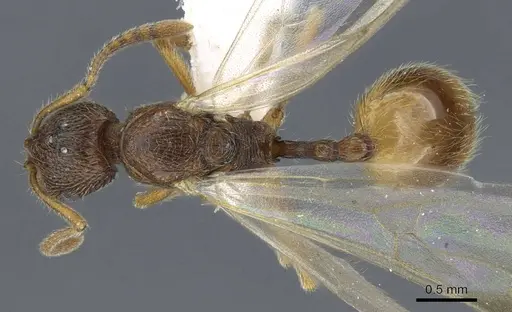
Littérature
Chargement de la carte de répartition...Chargement des produits...