
Solenopsis metanotalis
- Nom sci.
- Solenopsis metanotalis
- Tribu
- Solenopsidini
- Sous-famille
- Myrmicinae
- Auteur
- Emery, 1896
- Distribution
- Trouvé dans 1 pays
Introduction
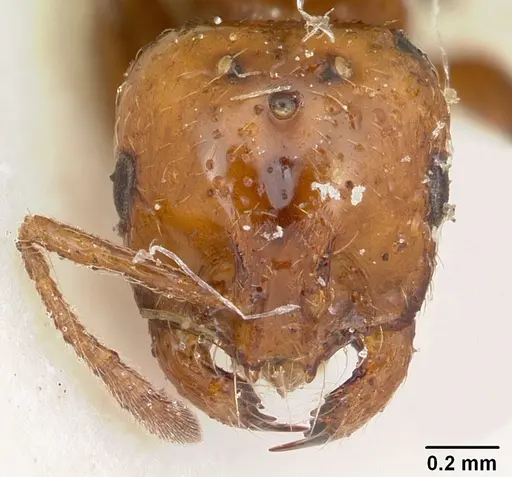
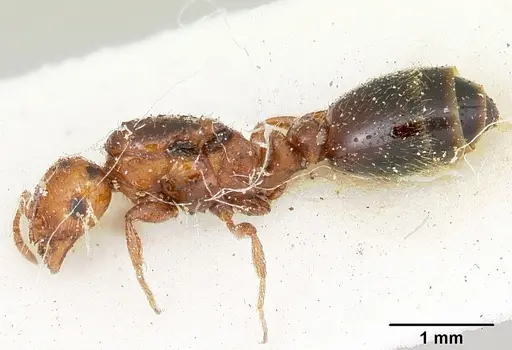
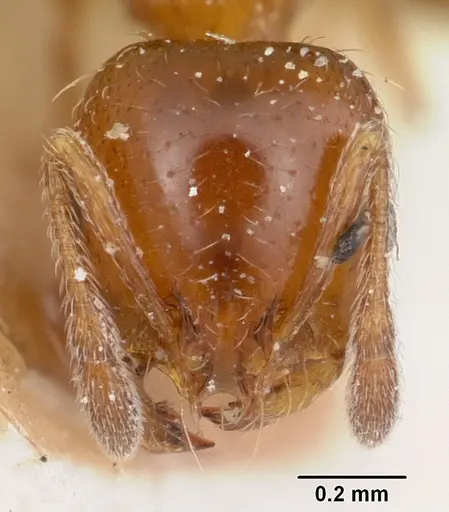
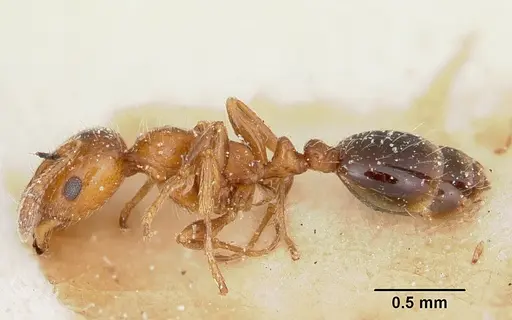
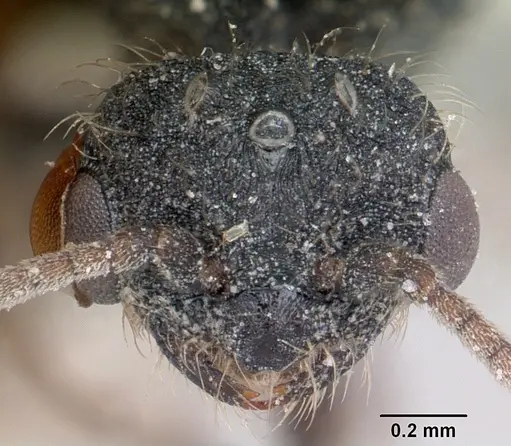
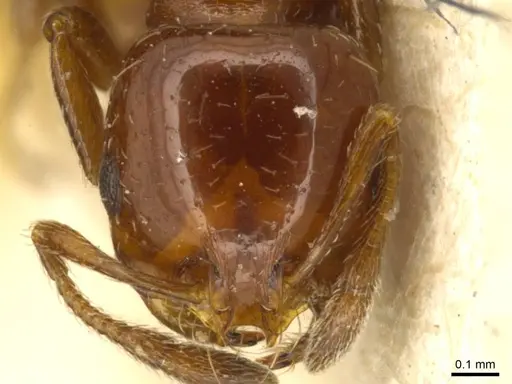
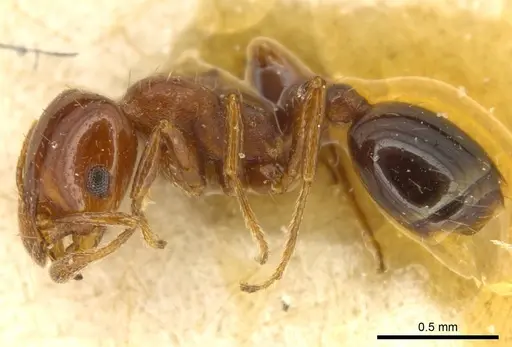
Solenopsis metanotalis is a small ant from the nigella species complex in the Solenopsis genus. Workers are bicolored: reddish-brown head and mesosoma with a darker brown gaster, and measure 2.1-2.3 mm total length. Queens are larger at 4.4 mm with the same pattern . The species has the largest eyes in its species group, well-developed clypeal teeth, and a fully striated mesosoma . It ranges across the La Plata basin (Argentina, Uruguay, Bolivia, Brazil) and reaches into Venezuela . Habitats include wet soils in creosote bush desert shrubland (up to 1796 m elevation) and rain forest leaf litter .
Quick Summary
- Difficulty: Medium
- Origin & Habitat: Native to southern South America (Argentina, Uruguay, Bolivia, Brazil) and also recorded in Venezuela. Found in wet soils in creosote bush desert shrubland and in rain forest leaf litter, at elevations from 600 m to 1796 m [1][2][3].
- Colony Type: Unknown. Most Solenopsis species are monogyne (single queen colonies), but this is unconfirmed for S. metanotalis.
- Size & Growth:
- Queen: ~4.4 mm [1]
- Worker: ~2.1-2.3 mm [1]
- Colony: Unknown, likely up to several hundred workers (based on related species).
- Growth: Unknown, likely moderate.
- Development: 6-10 weeks (estimated from related Solenopsis species, no data for S. metanotalis). (Estimated at warm temperatures (around 26°C).)
- Antkeeping:
- Temperature: Likely prefers 24-28°C. S. metanotalis is classified as a Tropical Climate Specialist [3]. Provide a thermal gradient (heating cable on one side). Avoid prolonged temperatures below 18°C.
- Humidity: Moderate to high. Naturally collected from wet soils after rain and from forest litter. Keep nest substrate consistently moist but not waterlogged, allow some surface drying between waterings [1].
- Diapause: Not required. Native subtropical climate means no true hibernation, though activity may slow if room temperature drops naturally.
- Nesting: Small chambers in Y-tong, plaster, or soil nests work best. Use a test tube for founding. Avoid large open spaces, these ants prefer tight chambers scaled to their small size.
- Behavior: Small (2 mm workers) and fast-moving. They have a functional stinger (typical of Solenopsidini) but the sting is mild and rarely felt by humans. Escape prevention is critical, seal all gaps with fluon and use fine mesh. Not aggressive toward humans, but will defend the nest.
- Common Issues: escape risk due to tiny size, seal all gaps with fluon and use fine mesh on ventilation., unknown founding behavior, queen rearing is unpredictable, no data on whether queens found claustrally., requires consistent warmth, avoid temperatures below 18°C for long periods., slow to moderate colony growth, patience needed.
Housing and Nest Setup
Start a new colony in a small test tube with a water reservoir sealed by tightly packed cotton, workers are only 2 mm, so the cotton must be very dense to prevent escapes. Once the colony has around 20-30 workers, move them to a small Y-tong, plaster, or soil nest with chambers no larger than a few centimeters. Avoid acrylic nests. Keep the outworld small (5-10 cm) for the first year. Apply fluon to all rims and use fine mesh (≤0.5 mm) on ventilation holes, because these ants can squeeze through gaps that look impossibly small [1].
Feeding and Diet
Like many Solenopsis, S. metanotalis is likely predatory. Offer tiny protein sources: fruit flies, pinhead crickets, small mealworms, and other small insects. They will also scavenge on dead insects. You can provide sugar water or honey for energy, though they may prefer protein. Feed 2-3 times per week for a growing colony and remove uneaten food after 24 hours to prevent mold. Provide a constant water source (e.g., a test tube feeder). Prey items should be no larger than the ant’s head. No specific diet data is available for this species, these are general Solenopsis guidelines.
Temperature and Seasonal Care
These subtropical ants prefer warm conditions. Use a heating cable on one side of the nest to create a gradient from ~24°C to 28°C. They are classified as Tropical Climate Specialists [3]. Keep the nest above 18°C at all times. They do not need a true winter diapause, but if your room temperature drops in winter, activity will slow naturally. Maintain humidity by keeping the nest substrate moist, these ants have been collected from wet soils after rain [1].
Behavior and Defense
S. metanotalis has a functional stinger (subfamily Myrmicinae, tribe Solenopsidini), but the sting is very mild due to the ant’s small size. They are not aggressive toward humans and will only sting if handled roughly. Their most important defensive behavior is escaping, their tiny size lets them slip through tiny cracks. Excellent escape prevention is critical: use fluon on container edges, fine mesh on vents, and check all seams. In the wild they are active foragers on the ground and in leaf litter. No specific colony behavior has been documented for this species.
Growth and Development
Colony growth is expected to be slow to moderate, based on related small Solenopsis species. The first workers (nanitics) are smaller than mature workers. At optimal temperatures (~26°C), egg-to-worker development is estimated at 6-10 weeks. The colony likely reaches several hundred workers at maturity, but this is unconfirmed. Founding behavior (whether queens found claustrally or semi-claustrally) is unknown. Be patient, small Solenopsis colonies grow steadily but not rapidly.
Frequently Asked Questions
Can I keep Solenopsis metanotalis in a test tube?
Yes, test tubes work well for founding colonies. Use a small tube with a water reservoir sealed by tightly packed cotton. Because workers are only 2 mm, the cotton must be very dense to stop escapes. Move to a small Y-tong or soil nest when the colony reaches 20-30 workers.
How long until first workers with Solenopsis metanotalis?
No data exists for this species. Based on related Solenopsis species, egg-to-worker development is estimated at 6-10 weeks at warm temperatures (around 26°C). The founding method is unknown, so queen rearing may be unpredictable.
What do Solenopsis metanotalis eat?
They are likely predatory. Offer small protein sources like fruit flies, pinhead crickets, and tiny mealworms. They also scavenge dead insects. You can provide sugar water or honey. Prey should be no larger than the ant’s head. No specific diet data is published.
Are Solenopsis metanotalis good for beginners?
Medium difficulty. Their tiny size makes escape prevention challenging, and they need warm, stable temperatures (24-28°C). However, they are not aggressive and don’t need complex setups. Beginners with experience in containing small ants may find them manageable.
Do Solenopsis metanotalis need hibernation?
No, they do not need a true diapause. As a subtropical species, they prefer year-round warmth. Activity may slow if room temperature drops naturally in winter, but avoid temperatures below 18°C.
How big do Solenopsis metanotalis colonies get?
Unknown. Based on related species, likely up to several hundred workers at maturity. No data on supercolony formation.
Why are my Solenopsis metanotalis escaping?
Their tiny 2 mm size lets them slip through very small gaps. Apply fluon to the inner rim of all containers, use fine mesh (≤0.5 mm) on ventilation, and check that all lids, seams, and tubing connections are sealed tight.
Can I keep multiple queens together?
Not recommended. Colony structure is unknown for S. metanotalis, but most Solenopsis species are monogyne (single queen). Combining queens would likely lead to fighting and death.
What temperature do Solenopsis metanotalis need?
Keep them at 24-28°C. Use a heating cable on one side of the nest to create a gradient. They are classified as Tropical Climate Specialists [3]. Avoid temperatures below 18°C for extended periods.
Report an Issue
The current care sheet is based fully on literature. See inconsistencies, or something that's incorrect? Please , it will be resolved after review from an admin. Contributing to the blogs tab also helps providing information, to make us be able to further improve the caresheets. Thank you for your support!
References

Cette fiche d'élevage est sous licence CC BY-SA 4.0 .
Blogs de la communauté
CASENT0103206
Voir sur AntWeb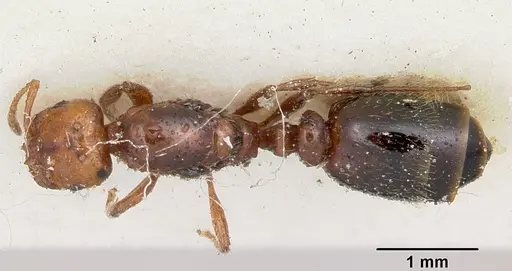
CASENT0103208
Voir sur AntWeb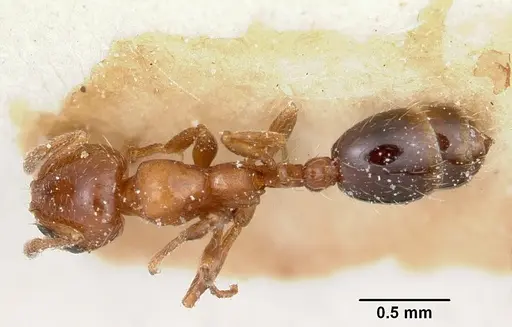
CASENT0103209
Voir sur AntWeb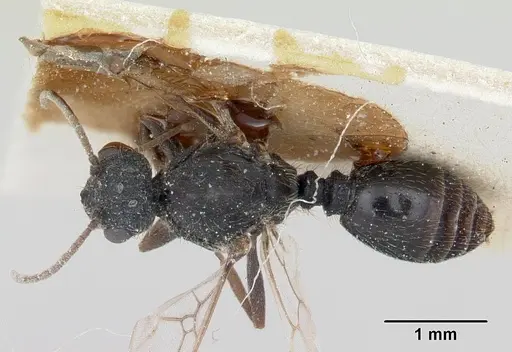
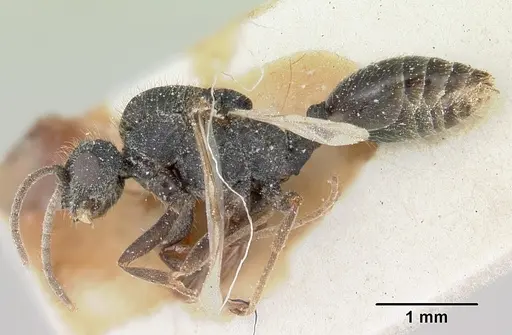
CASENT0913934
Voir sur AntWeb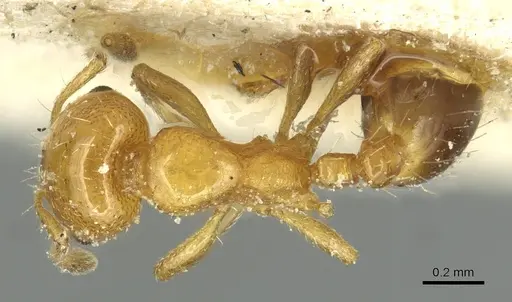
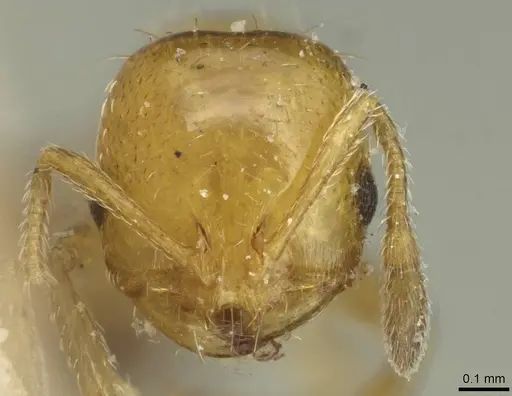
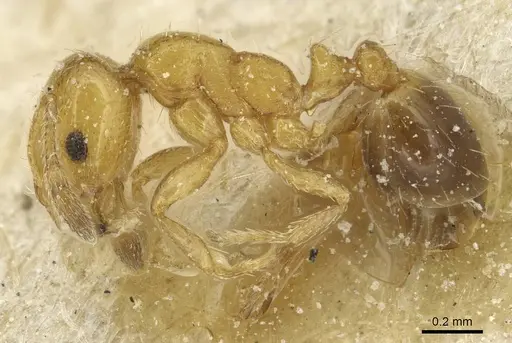
CASENT0916026
Voir sur AntWeb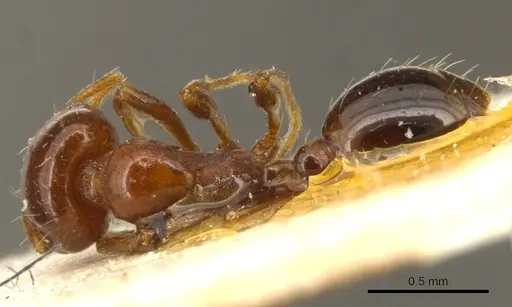
Littérature
Chargement de la carte de répartition...Chargement des produits...