
Proceratium galilaeum
- Nom sci.
- Proceratium galilaeum
- Tribu
- Proceratiini
- Sous-famille
- Proceratiinae
- Auteur
- de Andrade, 2003
- Distribution
- Trouvé dans 0 pays
Introduction
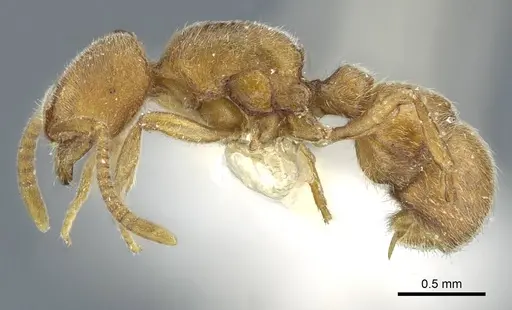
Proceratium galilaeum is a light brown ant species known only from the Galilee region of northern Israel. Workers measure 3.1-3.4 mm in total length and have a distinctive transparent bulla on the petiole . It is endemic to Israel, specifically Upper Galilee . This species is one of the least-known ants in the world, with only two worker specimens ever collected. Nothing is documented about its colony structure, behavior, or care requirements .
Quick Summary
- Difficulty: Expert
- Origin & Habitat: Endemic to the Galilee region of northern Israel, recorded from Upper Galilee [2]. Habitat is unknown.
- Colony Type: Unknown, only two workers have ever been collected, and no colony samples or queen specimens exist.
- Size & Growth:
- Antkeeping:
- Temperature: Unknown, no species-specific data. Based on related Proceratium species, keep at stable room temperature around 20-24°C.
- Humidity: Unknown, no species-specific data. Maintain moderate humidity with moist substrate.
- Diapause: Unknown, no seasonal data exists.
- Nesting: Unknown, no species-specific data. Use small nests with tight chambers for these tiny ants.
- Behavior: No specific behavior data for this species. Based on genus patterns, Proceratium ants are cryptic, subterranean, and predatory on small arthropods.
- Common Issues: escape prevention is critical due to small size., no captive breeding data exists., diet acceptance is unconfirmed., humidity balance is challenging due to lack of data., extremely rare in the antkeeping hobby.
Species Overview and Identification
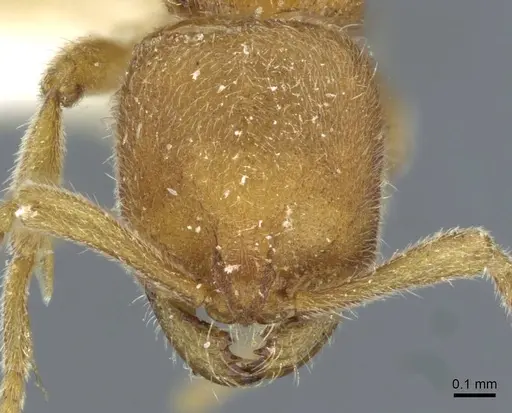
Proceratium galilaeum was only described as a distinct species in 2003,having previously been confused with the related species Proceratium arnoldi [2]. The species is endemic to the Galilee region of northern Israel, making it one of the rarest ant species in the world with only two known specimens. Workers are tiny at 3.1-3.4 mm and light brown in color. The most distinctive feature is the clear, raised bulla on the posterior border of the petiole, which is visible even in preserved specimens [1]. This species belongs to the Arnoldi Clade within Proceratium, differing from close relatives in its body sculpture, longer scapes, and palp formula of 4,3.
Why This Species Is So Challenging
Proceratium galilaeum represents one of the most difficult ant species to keep because absolutely nothing is known about its biology in the wild or captivity. Only two worker specimens have ever been collected, both from the same location in Galilee, Israel in 1982. No queens have ever been found, no colony samples exist, and no observations of their behavior, diet, or reproduction have been published. This means every aspect of captive care must be inferred from what we know about related Proceratium species, which may or may not apply to this particular ant. For these reasons, P. galilaeum is recommended only for expert antkeepers who have extensive experience with cryptic, subterranean species and who are prepared to experiment with care protocols. [1][2]
Care Requirements
No species-specific care data exists for Proceratium galilaeum [1]. Any care requirements must be inferred from related Proceratium species, but these inferences are not confirmed. Based on genus patterns, these ants may prefer damp soil, small live prey, and stable temperatures, but this is not confirmed for this species. Captive care would need to be developed through experimentation, starting with conditions that work for other Proceratium species.
Frequently Asked Questions
Is Proceratium galilaeum available in the antkeeping hobby?
No. This species is extremely rare and has only been collected twice in history. It is not available from any known ant suppliers or breeders. The few specimens that exist are in museum collections [1].
How do I care for Proceratium galilaeum since nothing is documented?
You cannot, this species is not available in the hobby. If scientific collections ever yield live colonies, care would need to be developed through experimentation, starting with conditions that work for other Proceratium species: damp soil, small live prey, and stable room temperature.
What does Proceratium galilaeum look like?
Workers are tiny at 3.1-3.4 mm and light brown. They have a distinctive feature: a clear, raised bulla on the rear of the petiole. They belong to the trap-jaw ant family (Proceratiinae) but are much smaller than famous trap-jaw species like Odontomachus [1].
Where does Proceratium galilaeum live?
Only in the Galilee region of northern Israel. It is endemic to that small area, found nowhere else on Earth [2].
Can I keep multiple queens together?
Unknown. No queens have ever been found or described, so colony structure is completely unconfirmed.
Do Proceratium galilaeum ants sting?
The stinging capability of this specific species is unknown. They are too small to pose any danger to humans.
How long do Proceratium galilaeum workers live?
Unknown. No lifecycle data exists for this species.
What is the egg to worker development time?
Unknown, no developmental data exists for this species.
Are Proceratium galilaeum good for beginners?
No. This species is absolutely not suitable for beginners or even intermediate antkeepers. It is one of the least-known ant species on Earth with zero captive care information.
Do they need hibernation?
Unknown. No seasonal data exists for this species.
Report an Issue
The current care sheet is based fully on literature. See inconsistencies, or something that's incorrect? Please , it will be resolved after review from an admin. Contributing to the blogs tab also helps providing information, to make us be able to further improve the caresheets. Thank you for your support!
References

Cette fiche d'élevage est sous licence CC BY-SA 4.0 .
Blogs de la communauté
CASENT0911225
Voir sur AntWeb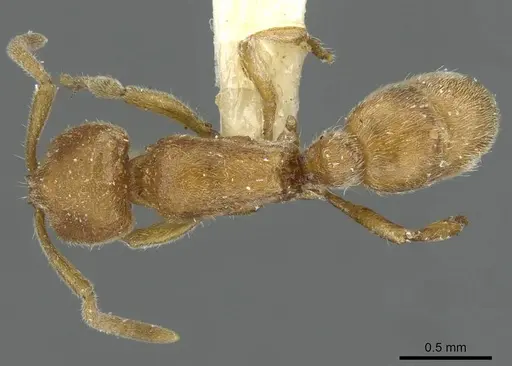
Littérature
Chargement de la carte de répartition...Chargement des produits...