
Polyrhachis ruficornis
- Nom sci.
- Polyrhachis ruficornis
- Sous-genre
- Myrmatopa
- Tribu
- Camponotini
- Sous-famille
- Formicinae
- Auteur
- Smith, 1857
- Distribution
- Trouvé dans 0 pays
Introduction
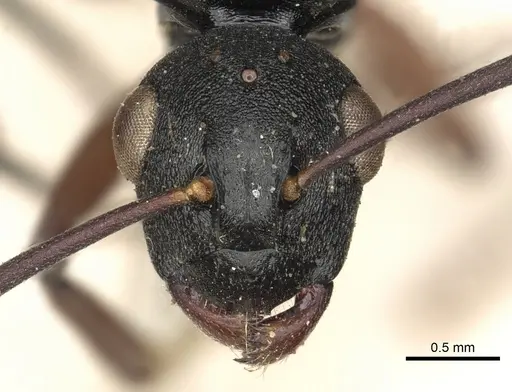
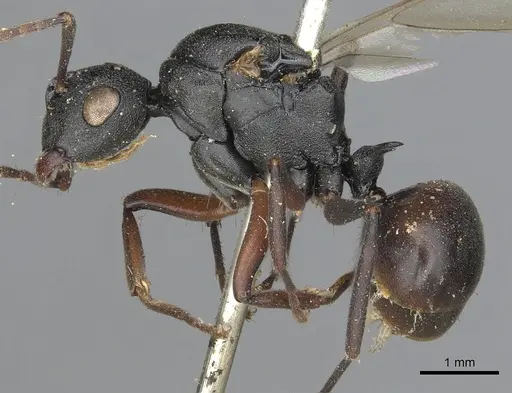
Polyrhachis ruficornis is a small to medium-sized ant species native to the forests of Borneo, Indonesia, and Malaysia . Queens measure approximately 8-9mm , with workers being smaller. This species belongs to the subgenus Myrmatopa and is characterized by its reddish-brown antennae, as the name ruficornis means 'red-horned' . They typically nest in vegetation, under bark, or in rotting wood in humid Bornean rainforests .
Quick Summary
- Difficulty: Medium
- Origin & Habitat: Tropical rainforests of Borneo, Sarawak [1][2]. They nest in rotting wood, under bark, and in vegetation in humid forest environments [3].
- Colony Type: Colony structure is unconfirmed. Based on genus patterns, likely monogyne (single queen), but no species-specific data exists.
- Size & Growth:
- Queen: Approximately 8-9mm [2].
- Worker: Size data unavailable, no total length measurements for workers in context. Inferred from Polyrhachis genus to be smaller than queens.
- Colony: Maximum colony size unknown, estimated from genus patterns to be up to several hundred workers.
- Growth: Moderate
- Development: Estimated 6-8 weeks at tropical temperatures, based on genus patterns. (Development time is inferred from related Polyrhachis species, as no species-specific data is available.)
- Antkeeping:
- Temperature: Keep warm, around 24-28°C, as inferred from tropical habitat.
- Humidity: High humidity needed, keep nest substrate consistently moist but not waterlogged, based on tropical habitat.
- Diapause: No, as a tropical species from Borneo, they do not require hibernation.
- Nesting: Prefers arboreal nesting in wood or bark-like materials. Use Y-tong, plaster nests with wood, or naturalistic setups [3].
- Behavior: Generally peaceful and not aggressive toward keepers. Workers are active foragers that explore both ground and vegetation. Defense involves formic acid spray, as typical for Formicinae ants. Escape risk is moderate due to climbing ability, ensure tight seals on setups.
- Common Issues: mold can develop if humidity is too high and ventilation is poor, balance is key, temperatures below 20°C can be lethal for this tropical species, arboreal nesting preference may require specific setup adjustments, escape risk due to climbing ability, ensure no gaps in the outworld or nest
Housing and Nest Setup
Polyrhachis ruficornis does best in setups that mimic their natural arboreal nesting preferences. Use Y-tong (AAC) nests with wood sections or cork backing, or plaster nests with added wood pieces [3]. Provide a proper outworld with climbing surfaces and vegetation. Test tubes can work for founding colonies but move them to a proper nest within a few months as the colony grows. Ensure good escape prevention, these ants are agile climbers [3].
Feeding and Diet
These ants are omnivorous, as typical for Polyrhachis genus. Offer sugar sources like honey or sugar water constantly, and protein such as small insects 2-3 times per week. In founding colonies, the queen relies on stored fat reserves. Once workers arrive, feed them small prey items and remove uneaten food after 24-48 hours to prevent mold.
Temperature and Humidity Management
Maintain temperatures between 24-28°C year-round, as inferred from tropical habitat. Humidity should be high, keep nest substrate damp but not waterlogged. A water reservoir can help maintain humidity. Avoid temperatures below 20°C, as this can stress or kill the colony. No hibernation is needed.
Colony Development and Growth
A newly mated queen may seal herself in a chamber and lay eggs. First workers typically emerge after 6-8 weeks at optimal temperatures, based on genus patterns. Colony growth is moderate, with acceleration after the first workers establish. Patience is key, as growth rates vary.
Behavior and Temperament
Polyrhachis ruficornis is peaceful and rarely aggressive toward keepers. Workers are active foragers and explore regularly. Their primary defense is formic acid spray, as typical for Formicinae ants. They are day-active and establish foraging patterns once established.
Frequently Asked Questions
How long does it take for Polyrhachis ruficornis to produce first workers?
Expect first workers after 6-8 weeks at optimal temperatures of 24-28°C, based on genus patterns.
What temperature do Polyrhachis ruficornis ants need?
Keep them at 24-28°C, as inferred from their tropical habitat. Avoid temperatures below 20°C.
Do Polyrhachis ruficornis ants need hibernation?
No. As a tropical species from Borneo, they do not hibernate.
What do Polyrhachis ruficornis eat?
They are omnivorous. Offer sugar sources constantly and protein 2-3 times per week.
Can I keep Polyrhachis ruficornis in a test tube?
Test tubes work for founding colonies, but these ants prefer arboreal-style nests. Move them to a Y-tong or plaster nest with wood once the colony grows [3].
How big do Polyrhachis ruficornis colonies get?
Maximum colony size is unknown, but estimated to be up to several hundred workers based on genus patterns.
Are Polyrhachis ruficornis good for beginners?
They are rated as medium difficulty due to tropical humidity and temperature requirements, which can be challenging to maintain.
What humidity level do Polyrhachis ruficornis need?
High humidity is needed, keep the nest substrate consistently moist but not waterlogged, based on tropical habitat.
When should I move my Polyrhachis ruficornis colony to a formicarium?
Move them when the colony outgrows their test tube setup, typically after a few months, to a nest with wood or bark-like materials [3].
Can I keep multiple queens of Polyrhachis ruficornis together?
This has not been documented for this species. Based on genus patterns, they are likely monogyne, but combining queens is not recommended without evidence.
Why is my Polyrhachis ruficornis colony dying?
Common causes include temperatures below 20°C, low humidity, mold from poor ventilation, or escape of the queen. Check that your setup maintains proper warm, humid conditions.
Report an Issue
The current care sheet is based fully on literature. See inconsistencies, or something that's incorrect? Please , it will be resolved after review from an admin. Contributing to the blogs tab also helps providing information, to make us be able to further improve the caresheets. Thank you for your support!
References

Cette fiche d'élevage est sous licence CC BY-SA 4.0 .
Blogs de la communauté
CASENT0901847
Voir sur AntWeb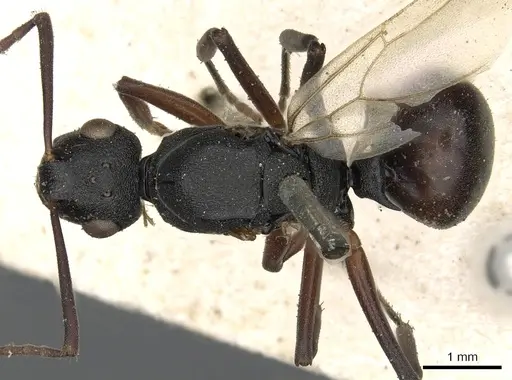
Littérature
Chargement de la carte de répartition...Chargement des produits...