
Polyrhachis monista
- Nom sci.
- Polyrhachis monista
- Sous-genre
- Myrma
- Tribu
- Camponotini
- Sous-famille
- Formicinae
- Auteur
- Santschi, 1910
- Distribution
- Trouvé dans 1 pays
Introduction
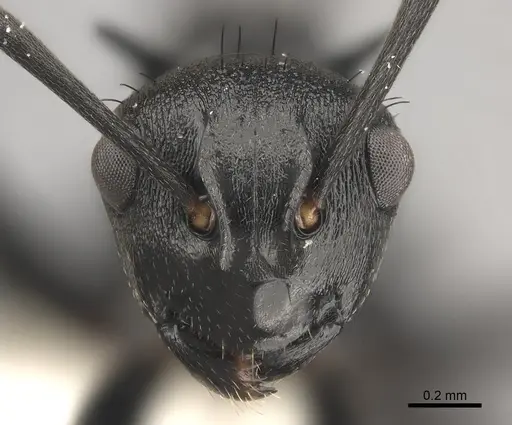
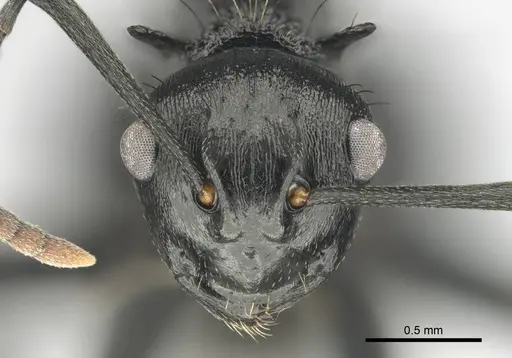
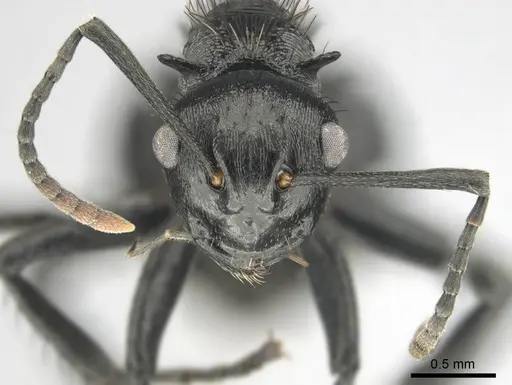
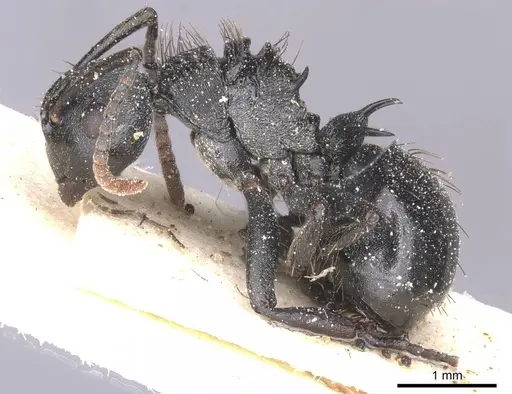
Polyrhachis monista is a medium-sized arboreal ant species from the Afrotropical region of central Africa. Workers measure 5.5-6.4mm in total length and feature a distinctive spiny appearance with two pairs of spines on the alitrunk . The body is black with variable coloration on the extremities . This species is found in Congo, Democratic Republic of Congo, Gabon, Ghana, Nigeria, and Uganda, typically at elevations around 375m . These ants are arboreal nesters that construct unique nests using a mixture of silk and vegetable particles, often enclosed between paired leaves or inside rolled-up leaves . Their silk-based nest building makes them an interesting species for antkeepers seeking something different from typical ground-nesting ants.
Quick Summary
- Difficulty: Medium
- Origin & Habitat: Afrotropical region, found in Congo, Democratic Republic of Congo, Gabon, Ghana, Nigeria, and Uganda at elevations around 375m, inhabiting forested areas as arboreal nesters [2][1].
- Colony Type: Colony structure is unconfirmed. Based on typical Polyrhachis patterns, likely single-queen colonies, but this has not been directly documented.
- Size & Growth:
- Queen: Size data unavailable, no total length measurements for queens in the literature.
- Worker: 5.5-6.4mm [1]
- Colony: Colony size data unavailable, estimated from genus patterns to be up to several hundred workers.
- Growth: Moderate, inferred from genus patterns for arboreal Polyrhachis species.
- Development: Estimated 6-10 weeks at tropical temperatures, based on related Polyrhachis species patterns. (Development time is estimated from genus patterns since specific data for this species is not available.)
- Antkeeping:
- Temperature: Keep at 24-28°C. These are tropical forest ants that prefer warm, stable conditions. A gentle gradient is ideal [2].
- Humidity: Keep the nest substrate consistently moist but not waterlogged, as they maintain humid microclimates in arboreal nests [3].
- Diapause: No, as a tropical species, they do not require hibernation. Maintain consistent temperatures year-round.
- Nesting: Arboreal specialists, they need vertical space and climbing opportunities. A naturalistic setup with branches, leaves, or cork bark works well. They will construct silk-carton nests if given appropriate materials [3][4].
- Behavior: Polyrhachis monista workers are active foragers with moderate activity levels. They are not typically aggressive but will defend their nest. Their spiny morphology provides some defense. They lack a functional sting and spray formic acid as a defense mechanism. Escape prevention is important due to their size, but they are not particularly escape-prone [1].
- Common Issues: tropical humidity requirements mean colonies can struggle in dry environments or air-conditioned spaces., arboreal nesting means they need vertical space and climbing structures, horizontal-only setups may cause stress [3][4]., cocoon presence means extra care is needed when handling brood, do not remove or disturb cocoons [3]., limited availability in the antkeeping hobby means established colonies are rare., parasitic fungi like Ophiocordyceps can affect stressed colonies in humid conditions, monitor colony health [4].
Nest Preferences and Housing
Polyrhachis monista is an obligate arboreal nester, meaning they naturally build their homes in trees and vegetation rather than underground [3]. In the wild, they construct nests using a mixture of silk produced by the larvae and vegetable particles, often sandwiched between paired leaves [3][4][1]. They also build carton nests inside rolled-up leaves [1]. For captive care, you'll want to replicate this arboreal lifestyle. A naturalistic setup with vertical branches, cork bark, and live or artificial plants works best. They will readily build their silk-carton structures if given appropriate materials. If using a formicarium, choose a Y-tong nest with multiple chambers and provide plenty of climbing structures above the nest. The key is giving them vertical space, these ants are comfortable moving up and down rather than across flat surfaces. Ensure the setup allows them to create their characteristic silk-bound nests between materials.
Feeding and Diet
Like most Polyrhachis species, these ants are omnivorous with a preference for protein-rich foods. In the wild, they forage for small insects, honeydew, and nectar. For captive colonies, offer a varied diet including small insects like fruit flies, small crickets, and mealworms. Sugar sources are appreciated, you can provide honey water or sugar water occasionally. Fresh fruit can also be offered. Feed protein foods 2-3 times per week, with sugar water available constantly. Remove uneaten prey after 24-48 hours to prevent mold. Given their arboreal foraging style, place food at elevated positions in the setup rather than on the ground.
Temperature and Humidity
Polyrhachis monista requires warm and humid conditions as a tropical species from central Africa [2]. Maintain temperatures between 24-28°C with minimal fluctuations. Room temperature in most homes may be adequate, but you may need a small heating mat on one side of the setup during cooler months. Create a temperature gradient so workers can move to warmer or cooler areas as needed. Humidity is critical, aim for high humidity to mimic their natural arboreal nests [3]. Use moist substrate, mist lightly if needed, and ensure good ventilation without creating drafts that could dry them out.
Unique Nesting Behavior
One of the notable aspects of Polyrhachis monista is their use of larval silk to construct nests [3]. Unlike most ants that dig in soil or wood, these arboreal specialists bind together leaves and plant materials using silk produced by their larvae [3][4]. This behavior creates distinctive carton nests that resemble paper mache. The larvae actively participate in nest construction by spinning silk while workers manipulate the building materials. In captivity, you may observe this behavior if you provide materials like dried leaves, small plant pieces, or cotton. The presence of pupal cocoons is also notable, unlike some Formicinae that have naked pupae, this species spins protective cocoons around their pupae [3]. This means extra care is needed when handling or moving brood, never remove cocoons as they contain developing ants that can be damaged.
Behavior and Temperament
Polyrhachis monista workers are active foragers that patrol vegetation in search of food. They are not particularly aggressive toward keepers but will defend their nest vigorously if threatened. Their spiny morphology provides some physical defense against predators. They lack a functional sting and spray formic acid as a defense mechanism. Workers communicate using chemical trails and can recruit nestmates to food sources. They are moderate in size (total length 5.5-6.4mm [1]) and handleable for observation. Their arboreal nature means they are comfortable moving across vertical surfaces and will readily climb branches, plants, and the walls of their enclosure. When foraging in the outworld, they will explore and map their territory. They are not known for escape artistry like some tiny species, but standard barrier methods like fluon on smooth surfaces will keep them contained.
Frequently Asked Questions
How long does it take for Polyrhachis monista to produce first workers?
The exact development time is not documented for this species. Based on related Polyrhachis species, development from egg to worker may take 6-10 weeks at optimal tropical temperatures (24-28°C). Claustral founding queens will seal themselves in and raise the first brood alone.
What is the best nest type for Polyrhachis monista?
They are arboreal nesters, so they need vertical space and climbing opportunities. A naturalistic setup with cork bark, branches, and leaves works best as they can build their silk-carton nests. A Y-tong formicarium with multiple chambers and an elevated outworld also works well. Avoid horizontal-only setups.
Can I keep multiple queens together?
The colony structure of this specific species has not been documented. Based on typical Polyrhachis patterns, they likely establish single-queen colonies. It is not recommended to combine unrelated foundress queens as aggression is likely.
How big do Polyrhachis monista colonies get?
Colony size data is unavailable for this species. Based on genus patterns, colonies may grow to several hundred workers over time.
Do they need hibernation or diapause?
No, as a tropical species from central Africa, they do not require hibernation. Maintain consistent warm temperatures year-round.
What do Polyrhachis monista eat?
They are omnivorous. Offer small insects (fruit flies, small crickets, mealworms) as protein sources 2-3 times per week. Sugar water or honey water should be available constantly. They may also accept small pieces of fresh fruit. Place food at elevated positions since they are arboreal foragers.
Are Polyrhachis monista good for beginners?
They are rated as medium difficulty. The main challenges are their arboreal housing requirements and need for high humidity. If you can provide a naturalistic setup with proper humidity, they can be rewarding.
Why are my Polyrhachis monista dying?
Common causes include: low humidity, temperatures below 20°C, mold from excessive moisture, or stress from improper housing. They are tropical arboreal ants, dry conditions are their primary killer. Ensure humidity is high and temperatures are stable. Also check for parasitic fungi which can affect stressed colonies.
When should I move them to a formicarium?
Wait until the colony has reached at least 20-30 workers and the founding queen has produced her first nanitic workers. For arboreal species, ensure your formicarium provides vertical climbing space and materials they can use for nest construction.
Report an Issue
The current care sheet is based fully on literature. See inconsistencies, or something that's incorrect? Please , it will be resolved after review from an admin. Contributing to the blogs tab also helps providing information, to make us be able to further improve the caresheets. Thank you for your support!
References

Cette fiche d'élevage est sous licence CC BY-SA 4.0 .
Blogs de la communauté
CASENT0227553
Voir sur AntWeb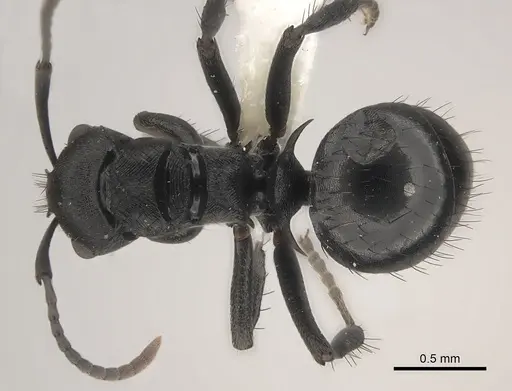
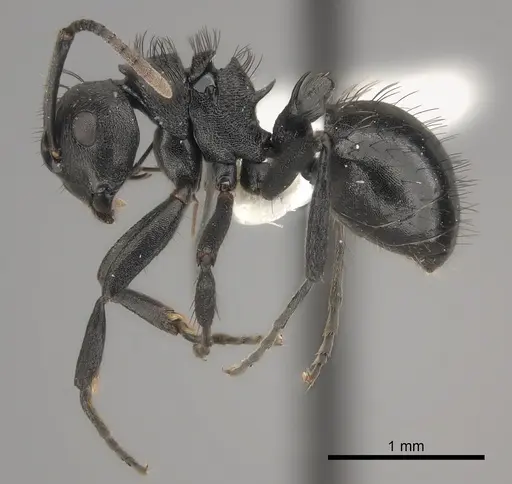
CASENT0815028
Voir sur AntWeb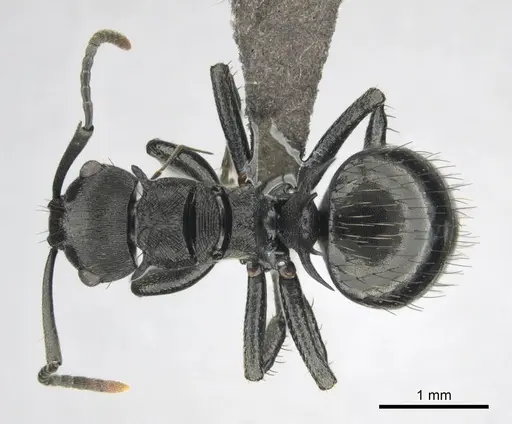
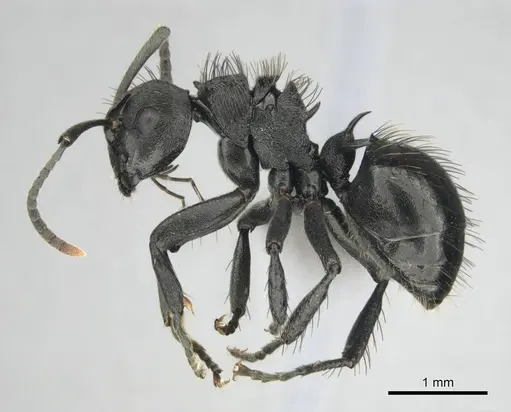
CASENT0912130
Voir sur AntWeb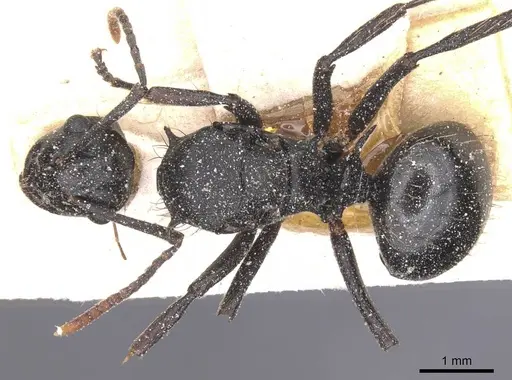
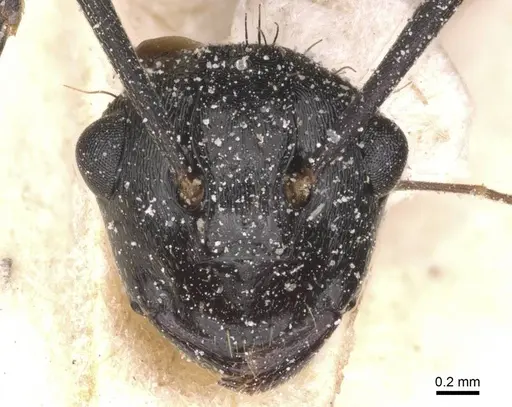
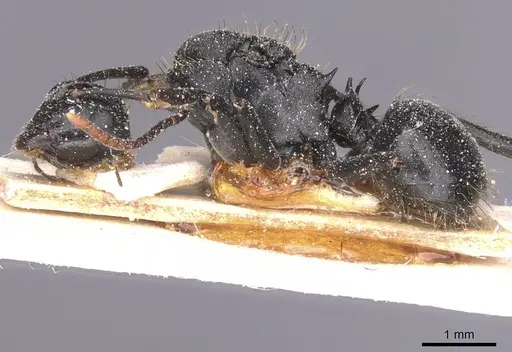
CASENT0912131
Voir sur AntWeb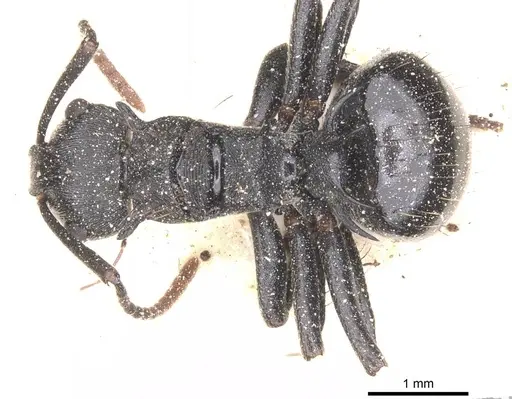
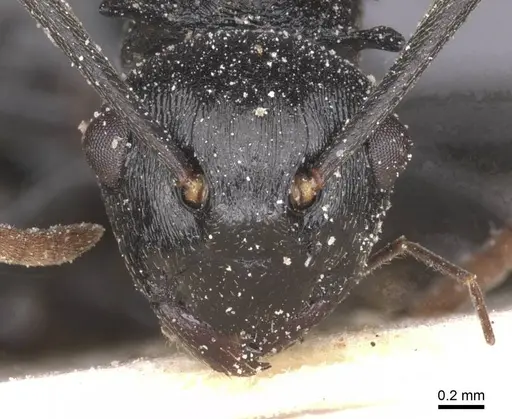
Littérature
Chargement de la carte de répartition...Chargement des produits...